Gladstone NOW: The Campaign Join Us on the Journey✕




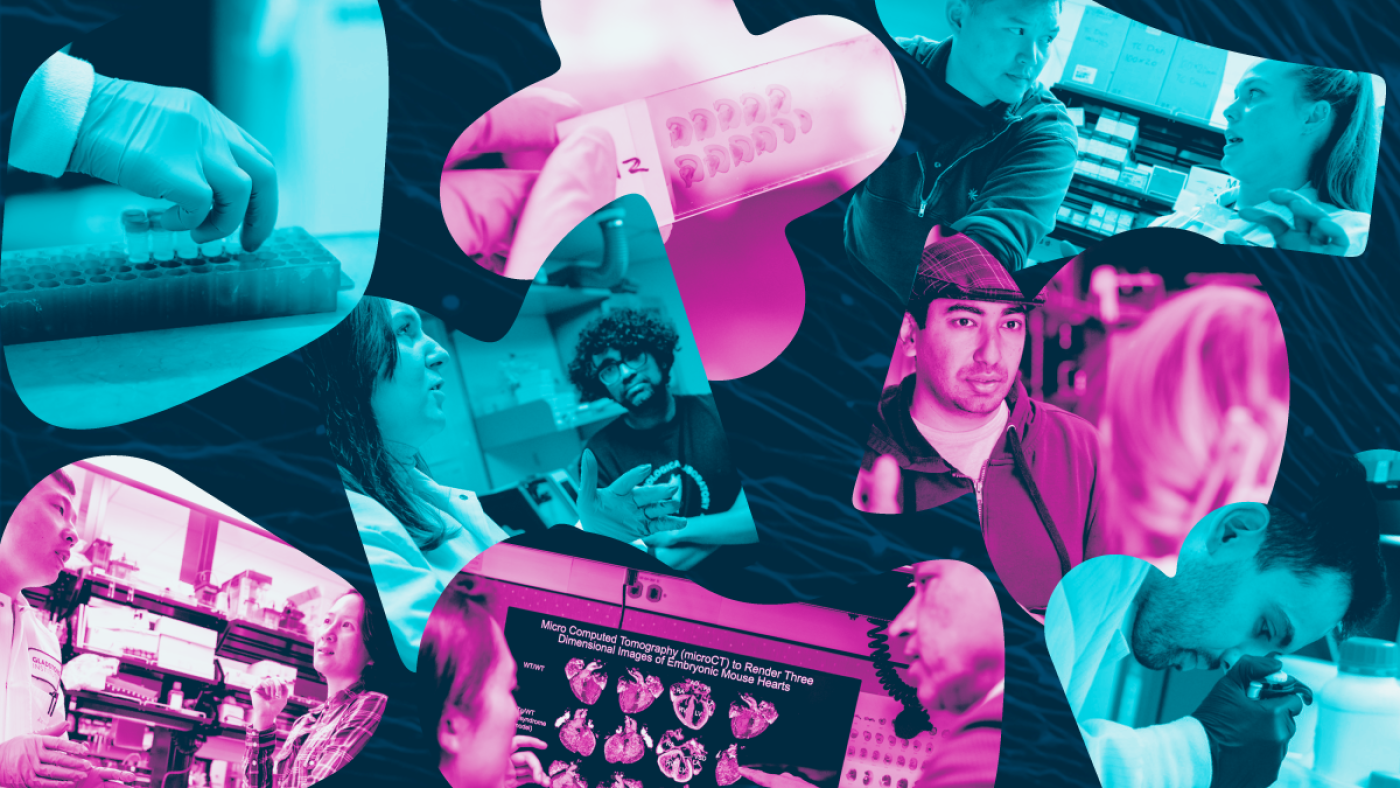
From fundamental insights to translational advances, here’s how Gladstone researchers moved science forward in 2025.
Throughout 2025, scientists at Gladstone Institutes continued to push the boundaries of biomedical research. With nearly 200-peer-reviewed studies over the course of the year, our discoveries are advancing scientific understanding of conditions such as Alzheimer's, Parkinson's, heart disease, cancer, stroke, and viral infections—and bring us closer to transformative therapies.
From reimagining personalized cancer treatments to uncovering how pregnancy shapes immune responses, these studies reflect a year of bold ideas, cutting-edge technologies, and deep collaboration across the organization. Here’s a collection of highlights from the year:
Seeing the Unseen: New Method Reveals ‘Hyperaccessible’ Window in Freshly Replicated DNA
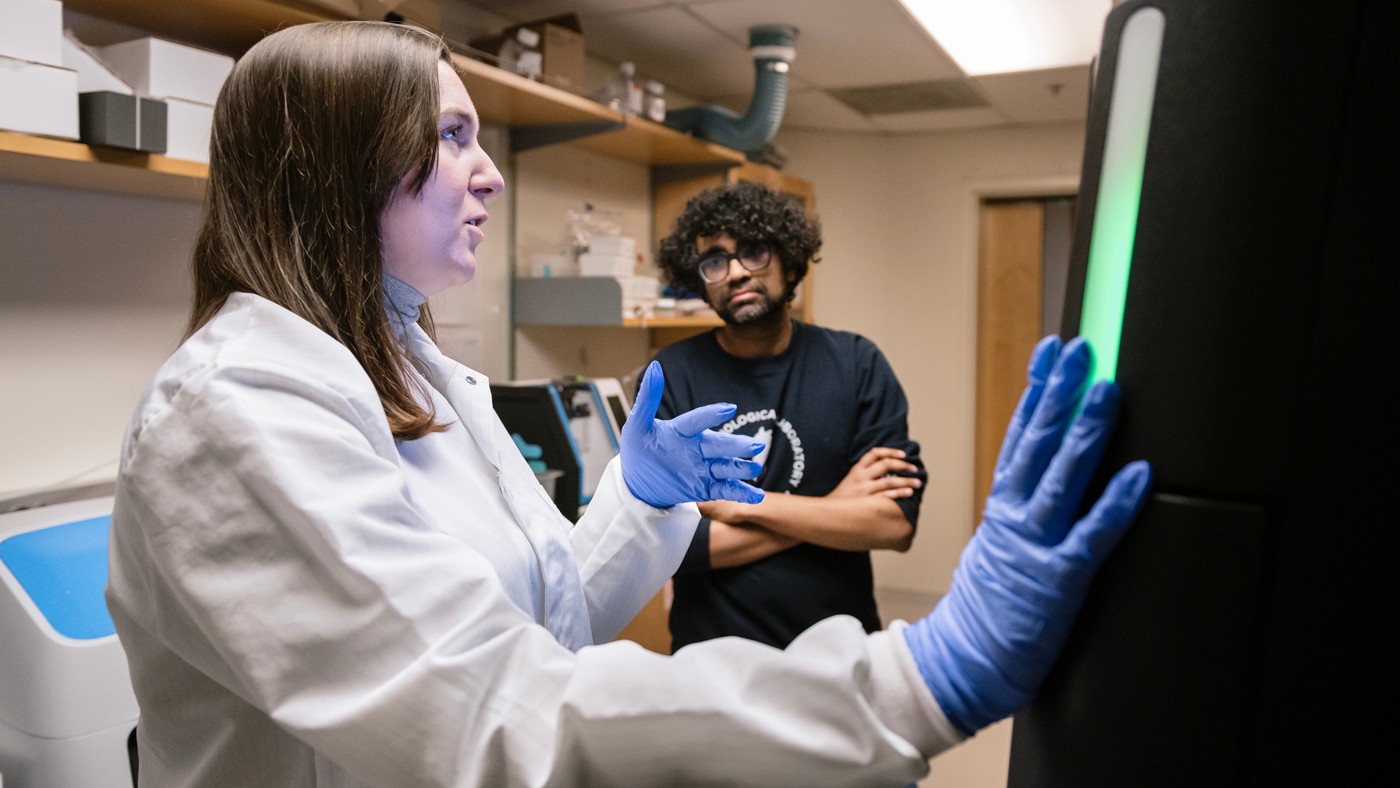
By combining DNA sequencing and AI, Gladstone scientists—led by Vijay Ramani, PhD—developed a new method to study DNA replication. This led to a surprising discovery: newly replicated DNA is more vulnerable than previously known. For many hours after replication, it remains loosely packaged and easy for proteins to access. This discovery, published in Cell, offers a novel strategy for treating diseases, particularly cancer, by targeting this state of DNA accessibility after cells divide. Read more about this study.
Daily Drug Captures Health Benefits of High-Altitude, Low-Oxygen Living
Isha Jain, PhD, and her collaborators developed a drug that mimics the effects of breathing low oxygen, which could be life-saving for people with mitochondrial diseases. The study, published in Cell, shows that in mice with Leigh Syndrome—the most common childhood mitochondrial disease—the drug extended lifespan three-fold and reversed symptoms, even when given during late stages of disease. The new drug is promising for treating conditions for which low oxygen has been shown to be beneficial, such as mitochondrial diseases and other common brain and heart conditions. Read more about this study.
Ultimate Self-Sacrifice: Bacteria Activate Unusual Defense to Evade Viral Attack
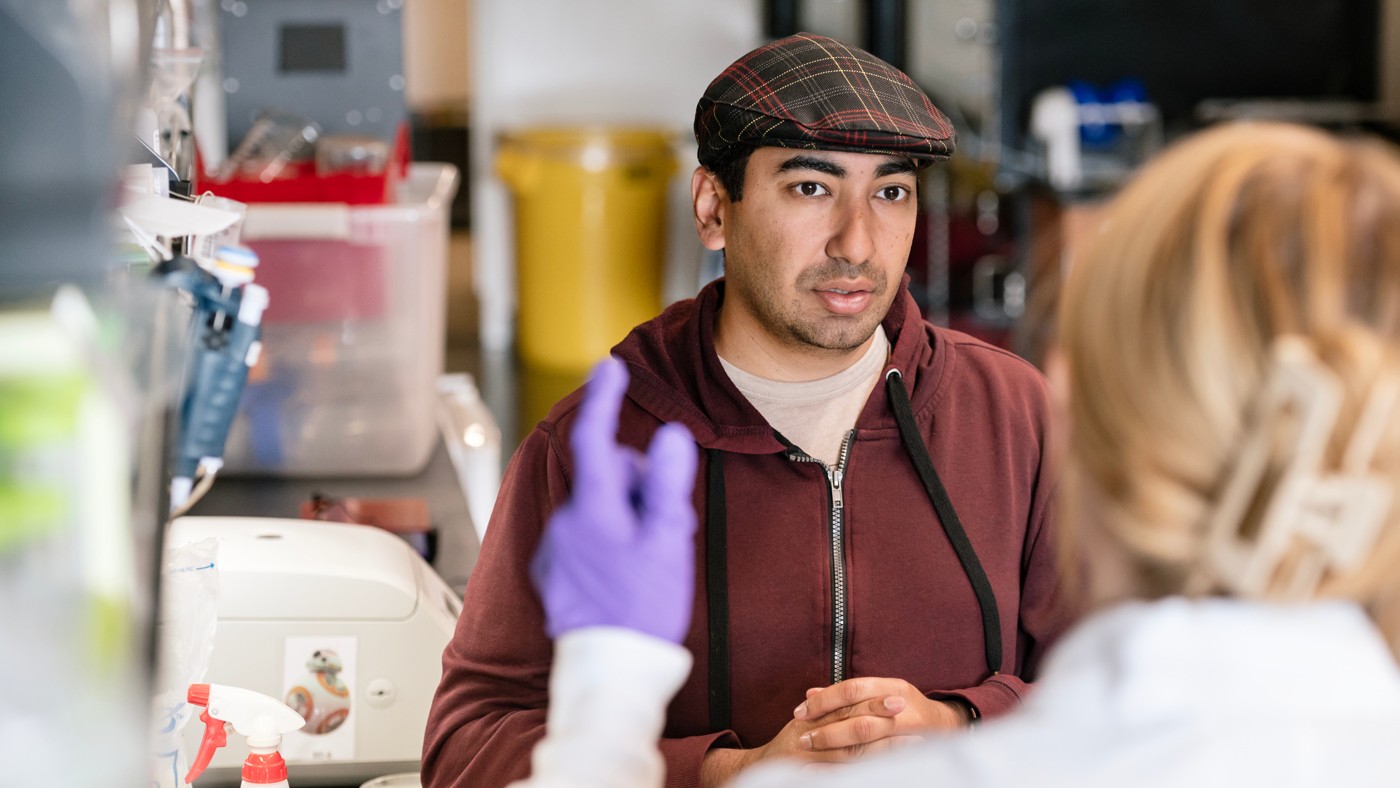
A team led by Sukrit Silas, PhD, discovered that bacteria can self-destruct when their primary defense mechanisms are compromised. When bacteria detect that phages—viruses that specifically target bacteria—are trying to sneak past their defenses, they initiate self-destruction as a last resort to keep infection from spreading. The findings, published in Molecular Cell, add to a growing body of research demonstrating the promise of phage-based therapies for drug-resistant infections. Read more about this study.
Combination of Two Cancer Drugs May Work Against Alzheimer’s
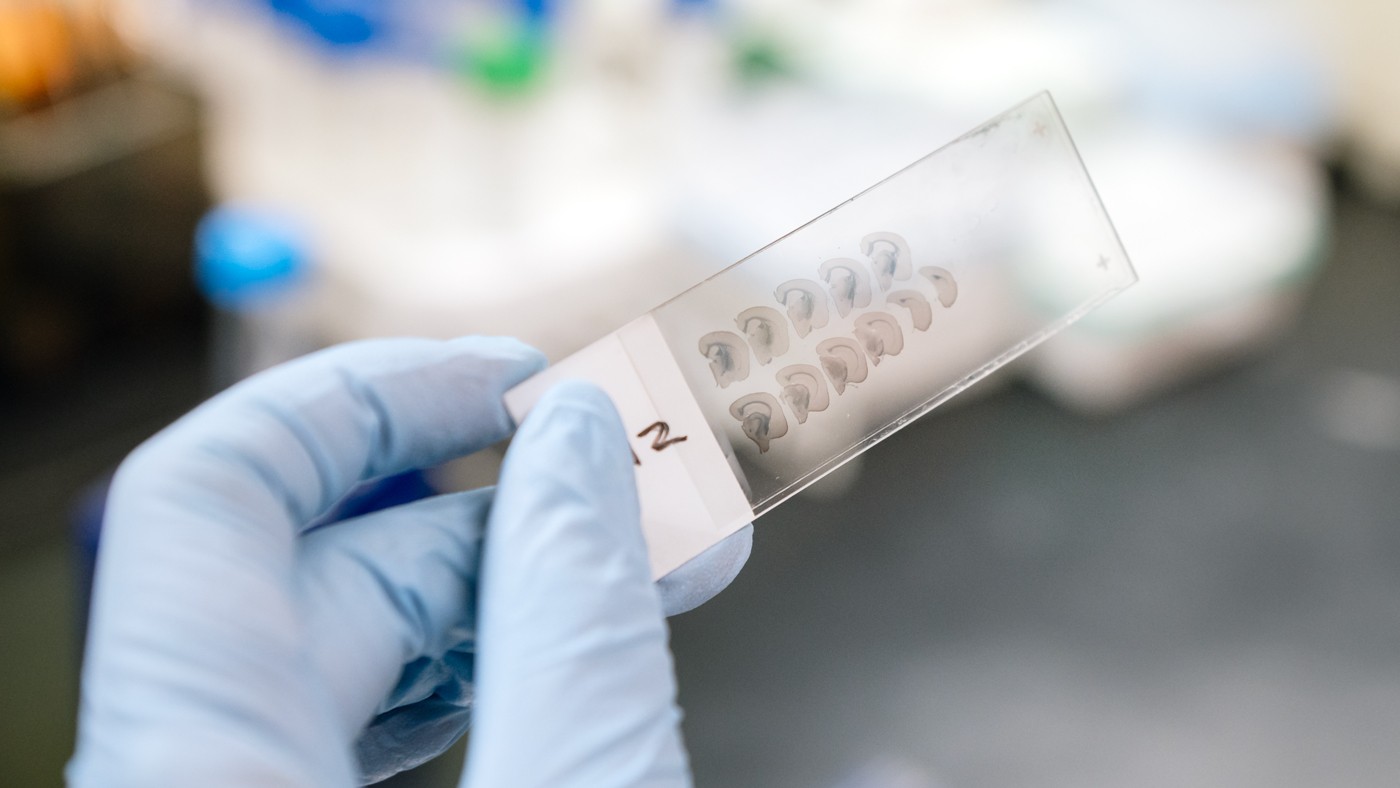
Yadong Huang, MD, PhD, along with collaborators from Gladstone and UC San Francisco, identified two cancer drugs that may slow or even reverse Alzheimer’s symptoms. In a study published in Cell, the researchers analyzed how Alzheimer’s alters gene expression and looked for drugs that would cause opposite changes in the brain. By analyzing millions of electronic medical records, anonymized health data, and a gene expression drug database, they narrowed 1,300 potential drugs to five FDA-approved candidates; a combination of the top two reduced brain degeneration and restored memory in mice. Read more about this study.
Pregnancy, Lactation Shape Immune Response to COVID-19 Vaccine and Infection
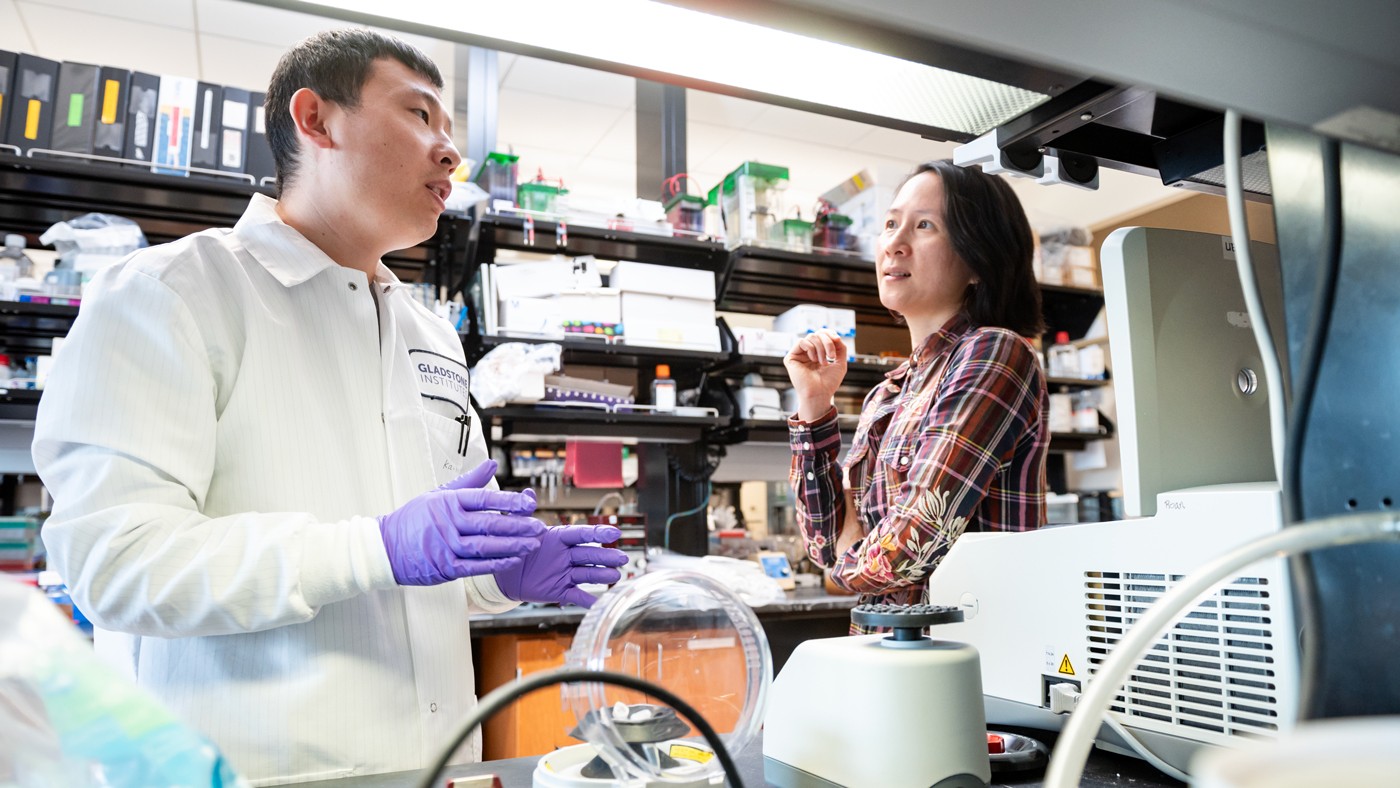
In a study published in JCI Insight, scientists at Gladstone and UCSF explain how pregnancy and breastfeeding shape the immune response to COVID-19 vaccination and infection. The researchers, led by Nadia Roan, PhD, found that women who were vaccinated during pregnancy produced more “stem-like” T cells, which are specialized types of immune cells. This suggests that vaccine-elicited T cells may offer more durable protection over time in pregnant women. The study also showed a decrease in specific types of T cells, which could explain the increased risk of severe COVID-19 in pregnancy. Read more about this study.
Blood Vessels and Immune Cells Drive Risk for Alzheimer’s and Stroke
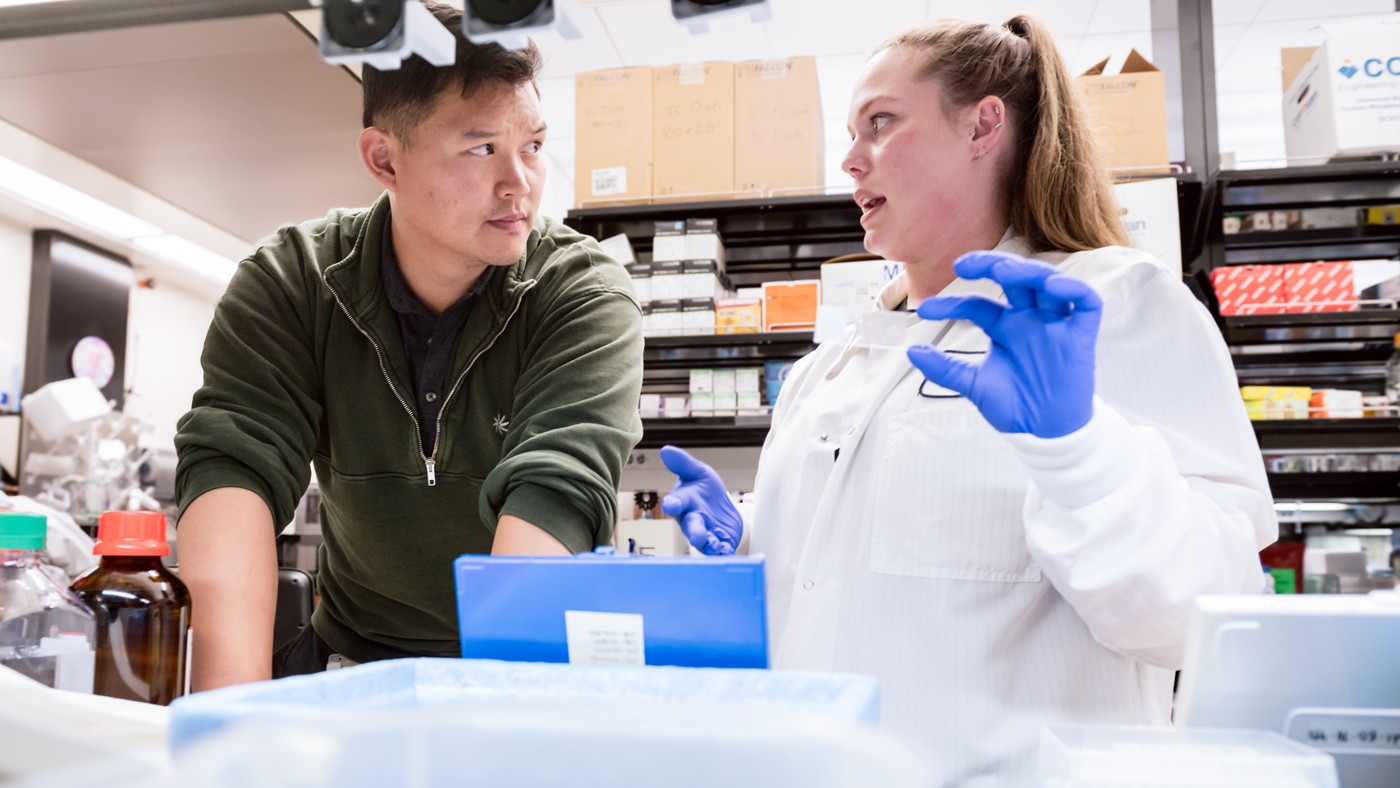
The blood-brain barrier is the brain’s frontline defense. It’s a complex network of blood vessels and immune cells that controls what enters the brain and cleans up waste. In a study published in Neuron, Andrew Yang, PhD and his team—which included fellow Gladstone scientists Ryan Corces, PhD and Katie Pollard, PhD—showed that certain genetic risk factors for Alzheimer’s and other neurological diseases act within the blood-brain barrier, suggesting that vulnerabilities in the brain’s defense system may be a key trigger for disease and revealing new targets for therapies. Read more about this study.
Scientists Pinpoint a Key Gene Behind Heart Defects in Down Syndrome
Deepak Srivastava, MD, and Katie Pollard, PhD, discovered a specific gene responsible for the congenital heart defects seen in nearly half of all babies born with Down syndrome. Using stem cell technology and artificial intelligence, they found that increased levels of the gene HMGN1 interferes with heart formation. In a mouse model of Down syndrome, reducing levels of the gene prevented heart defects. The findings, published in Nature, may one day lead to therapies that prevent heart problems in Down syndrome, and serve as a blueprint for investigating other disorders caused by altered numbers of chromosomes. Read more about this study.
Rewriting Cellular Instructions to Make Better Tumor-Fighting Immunotherapies
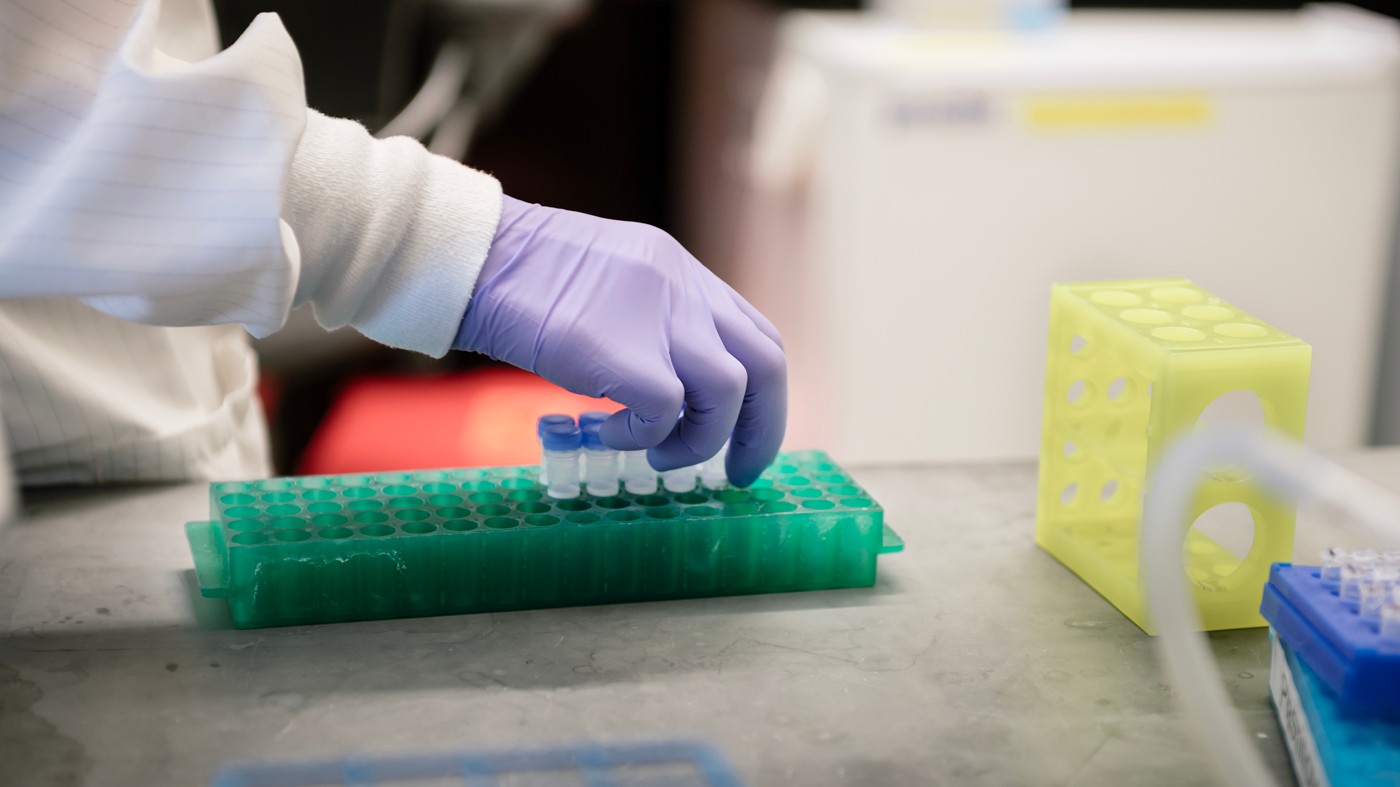
Alex Marson, MD, PhD, and his lab, along with collaborators at Arc Institute and UCSF, developed a powerful new way to engineer T cells. This discovery may lead to more effective cancer immunotherapies, especially for hard-to-treat solid tumors. Instead of permanently altering DNA, the scientists used a technology to switch specific genes off or on. Through this, they enhanced the tumor-killing power of CAR-T cells while reducing risks associated with traditional gene editing. The findings, published in Nature Biotechnology, highlight a versatile platform that could also be applied to autoimmune and other immune-related diseases. Read more about this study.
Evidence Builds for Disrupted Mitochondria as Cause of Parkinson’s
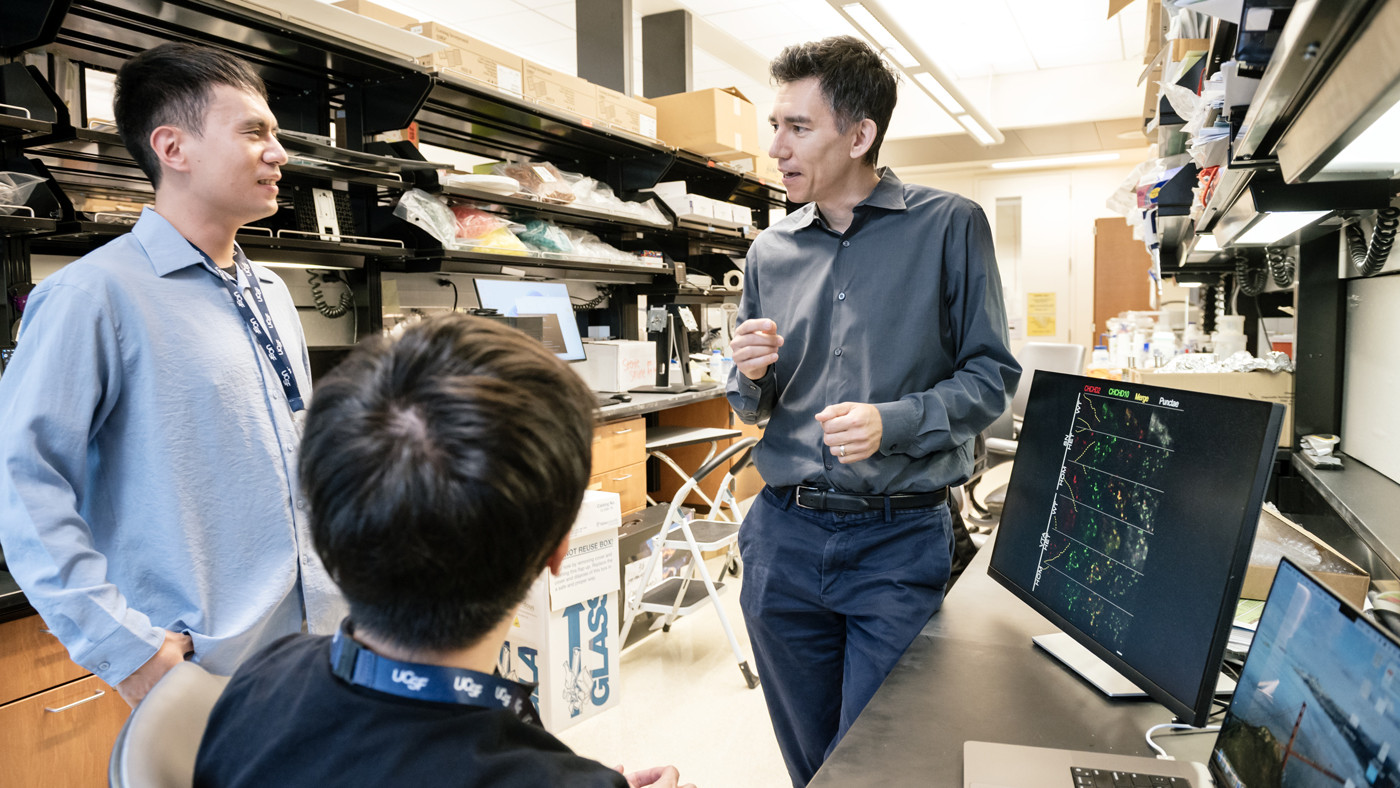
A study led by Ken Nakamura, MD, PhD, offers strong evidence that mitochondrial dysfunction is a cause of Parkinson’s disease, rather than a side effect. Using a specially engineered mouse model with a mutation in the CHCHD2 mitochondrial protein, the researchers traced a chain of events that leads to aggregation of alpha-synuclein, a hallmark of Parkinson’s. The researchers also found similar patterns in human brain tissue from Parkinson’s patients, suggesting that their findings may apply broadly. Their work, published in Science Advances, could illuminate new strategies for stopping or slowing disease progression. Read more about this study.
The Genome Editing Playbook Is Different in Neurons
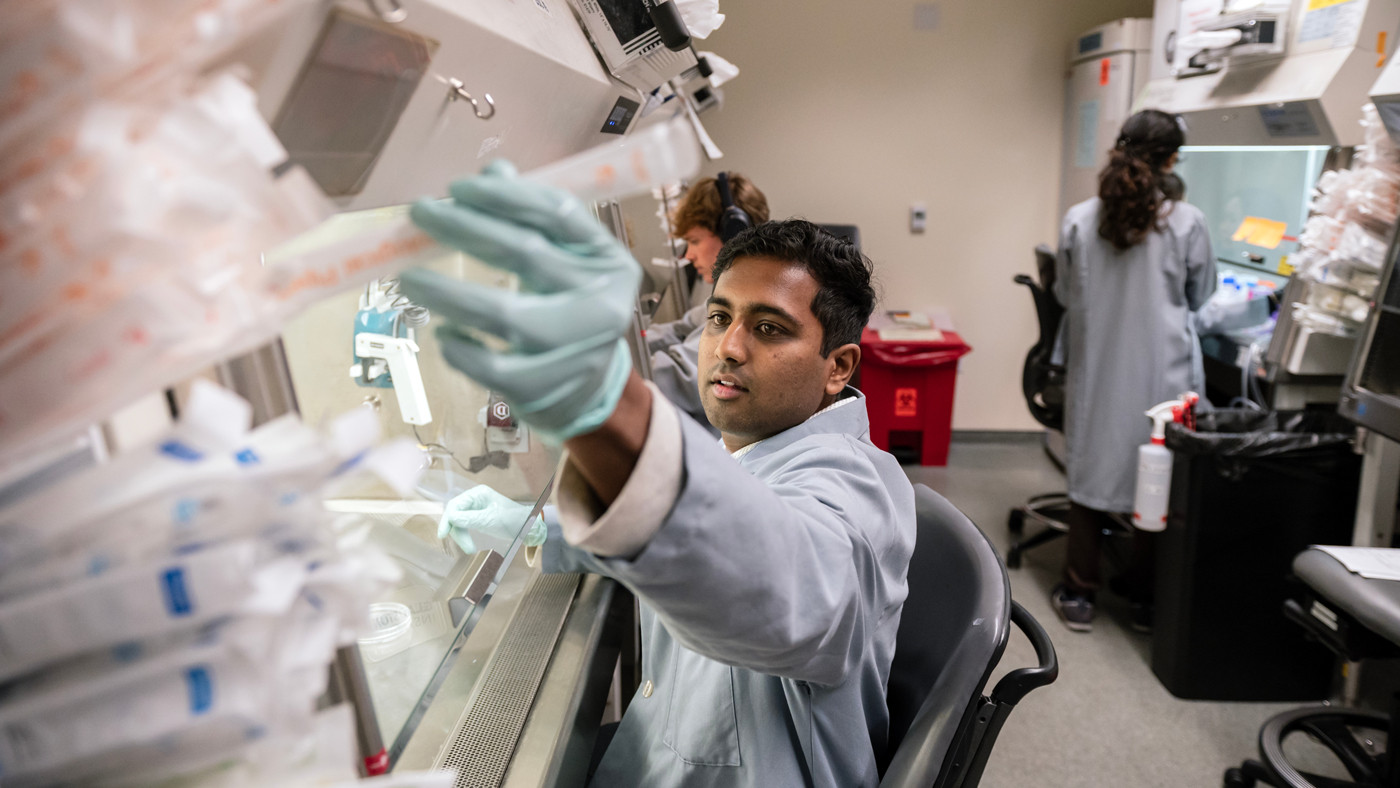
CRISPR-Cas9 is revolutionizing treatments for genetic diseases, but using it for brain disorders has been difficult. Scientists, including Bruce Conklin, MD, and Jennifer Doudna, PhD, discovered that neurons and other nondividing cells respond differently to CRISPR-Cas9 than dividing cells. Their study in Nature Communications reveals how to deliver CRISPR-Cas9 into neurons and control how DNA is repaired after a cut. These findings could shape the future of gene therapies. Read more about this study.
Featured Experts




Gladstone NOW: The Campaign
Join Us On The Journey
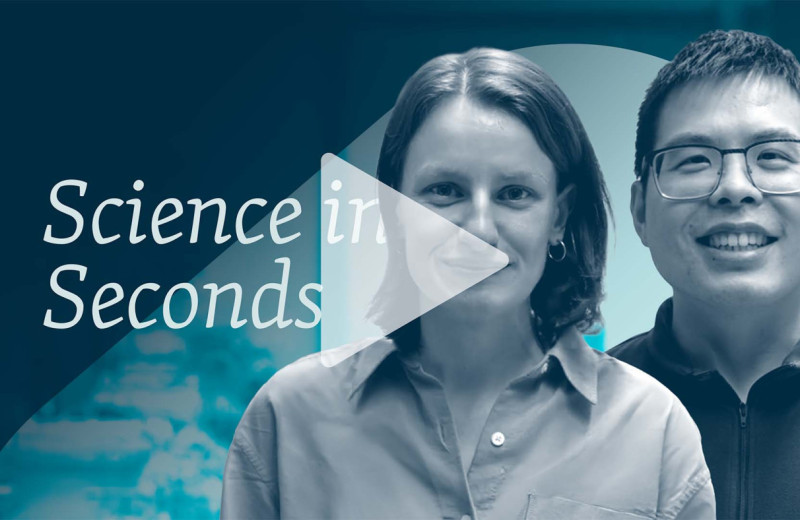
Science in Seconds | An Unprecedented Map of Human Immune Cells
Video
August 28, 2026
Science in Seconds | An Unprecedented Map of Human Immune Cells
In this video, Gladstone scientists Emma Dann and Ronghui Zhu explain how their new study offers a powerful framework for designing cancer immunotherapies and treating autoimmune conditions.
Turning the Tide on Tau: Q&A With Gladstone’s Lennart Mucke
Article
July 1, 2026
Turning the Tide on Tau: Q&A With Gladstone’s Lennart Mucke
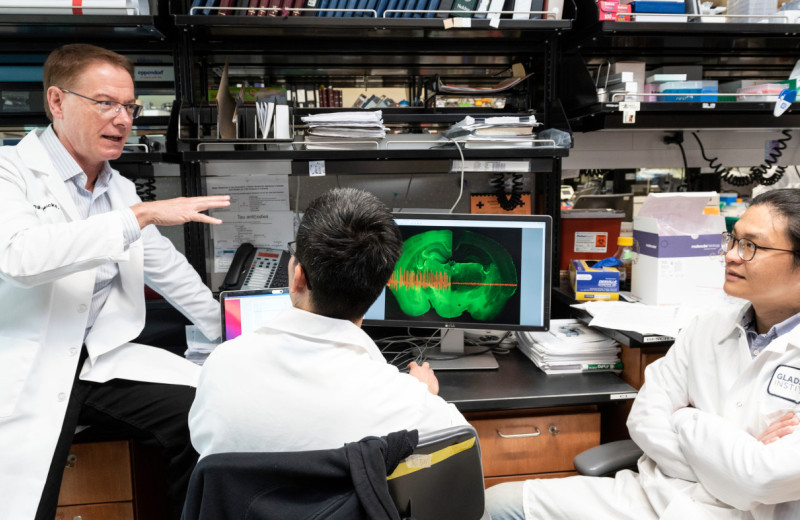
Nearly 20 years after his landmark study uncovered novel roles of tau in Alzheimer’s disease, Gladstone's Lennart Mucke shares his perspective on new clinical data that could transform the future of brain health.
Mucke Lab Alzheimer’s Disease Gladstone Experts Neurological Disease News ReleaseThis Is AI Decoding the Genetic Cause of Disease
Video
March 23, 2026
This Is AI Decoding the Genetic Cause of Disease
In this video, Katie Pollard and Deepak Srivastava explain how Gladstone scientists are combining AI models with novel tools in the lab to finally decode the entire human genome.
Gladstone Experts Pollard Lab Srivastava Lab AI