Seeing the Unseen: New Method Reveals ’Hyperaccessible’ Window in Freshly Replicated DNA
Listen:
DNA replication is happening continuously throughout the body, as many as trillions of times per day. Whenever a cell divides—whether to repair damaged tissue, replace old cells, or simply to help the body grow—DNA is copied to ensure the new cells carry the same genetic instructions.
But this fundamental aspect of human biology has been poorly understood, chiefly because scientists lack the ability to closely observe the intricate process of replication. Attempts to do so have relied on chemicals that damage the DNA structure or strategies that capture only short stretches of DNA, preventing a comprehensive picture.
In a new study published in Cell, scientists from Gladstone made a major leap in resolving this problem with a new method that combines long-read DNA sequencing with a predictive artificial intelligence model. Through this, they shed new light on what happens in the minutes and hours after new DNA is formed through replication.
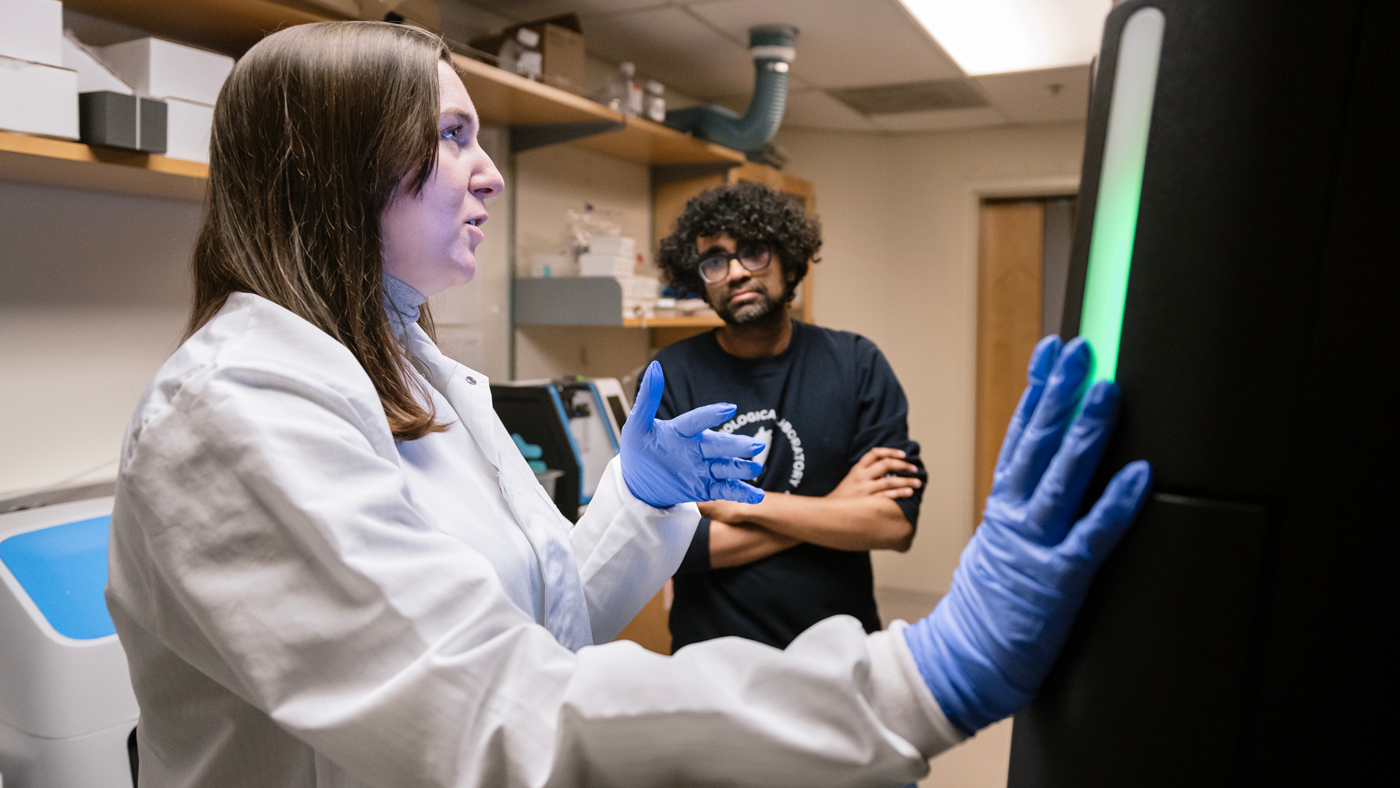
“This has been a longstanding biochemical question because the machinery responsible for replication actually destroys all the DNA structure that exists, and that structure must be faithfully reestablished in new cells,” says Gladstone Investigator Vijay Ramani, PhD, who led the study. “To understand how that’s possible, we needed to create a new method for mapping the DNA structure before and after replication.”
More Vulnerable Than We Knew
Ramani is at the forefront of a technological wave called single-cell genomics, which seeks to probe genome function at the level of individual cells and molecules. He and his team have developed many new methods for doing so, with the goal of understanding the molecular steps that regulate health or lead to disease.
In the new study, the team presents a method called RASAM, short for “replication-aware single-molecule accessibility mapping.” And with this tool, they make a surprising discovery: Large sections of newly formed DNA are “hyperaccessible” for many hours—meaning the DNA can be easily accessed by other proteins, including those involved in gene regulation.
“We would have thought this level of access would cause genomic haywire, but that’s not what happens,” Ramani says.
Unlike mature DNA that’s packaged securely in units called nucleosomes, the team found that nascent DNA is partially unwrapped and remains “loose” for many hours after replication.
“The fact that we see this is completely novel,” Ramani says. “It holds important implications for our basic understanding of biology, but also for the development of new medicines for many diseases.”
For example, in cancer—marked by rapidly dividing cells—a medicine could potentially kill the cells by accessing them during the transient state after replication, Ramani explains. Or, scientists could leverage the period of accessibility to influence gene expression in ways that prevent disease.

Now You See It
Through their experiments, Ramani and his team—including first authors Megan Ostrowski, a research associate in the Ramani Lab, and Marty Yang, PhD, a bioinformatics fellow—also showed evidence that the increased accessibility is regulated at specific locations on DNA strands where the process of gene expression begins.
Yet, many questions remain unanswered and new questions emerged during the study, including how newly formed cells are protected. These represent new avenues of research for Ramani.
“What I love about this work is that it’s all about the methods that enable discovery,” Ramani says. “As biologists, we’re at the mercy of what we can observe. Our ability to treat disease and make actionable decisions depends on how accurate our measurements are. That’s why these new tools and methods are so important. We’re now able to visualize regions of the genome that were previously unseen.”
Up Next
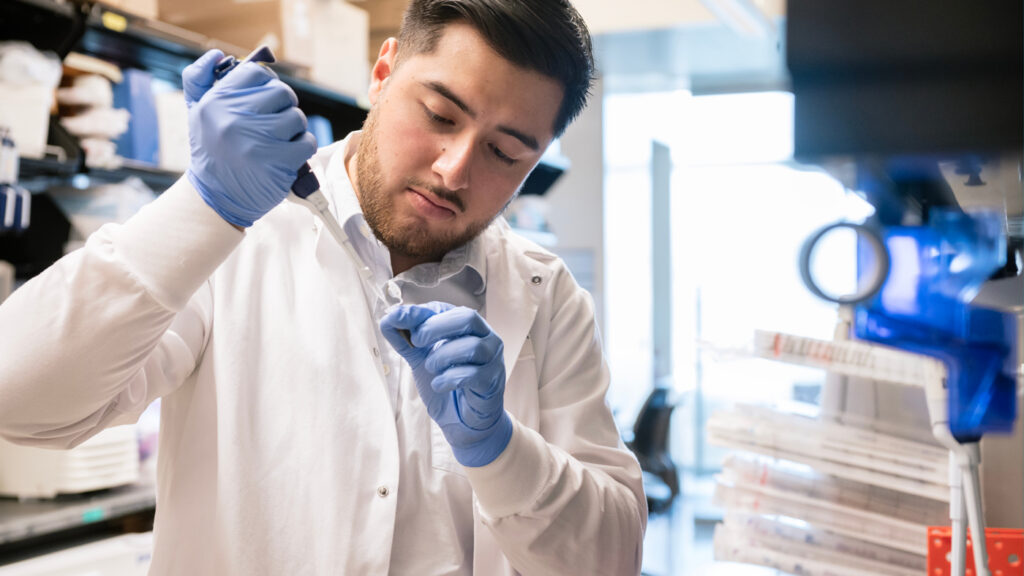
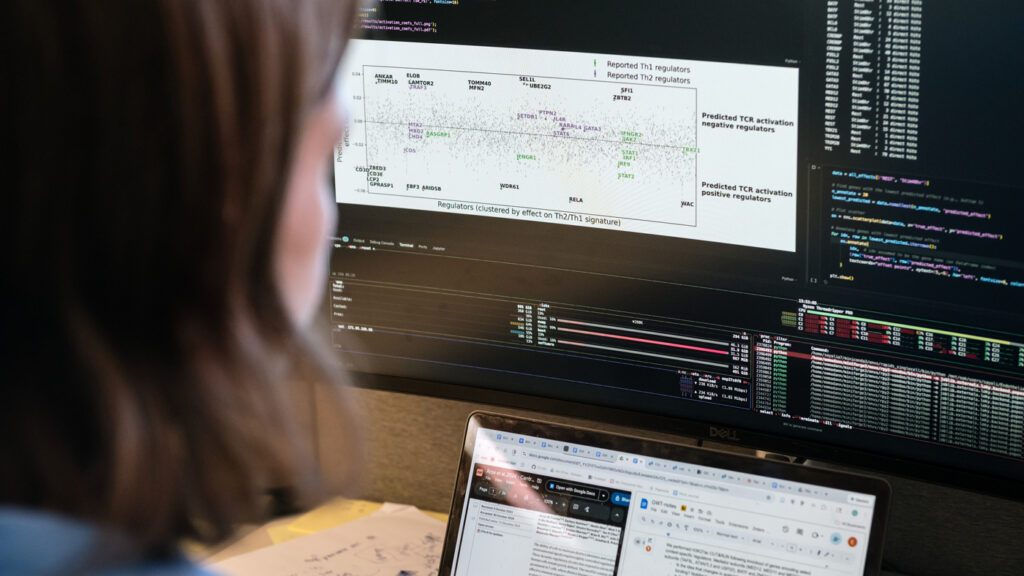
Scientists Decode Gene Circuits of Human Immunity, Fueling New Era of Disease Research
An unprecedented map of 22 million immune cells provides the functional rulebook for virtual biology and next-generation immunotherapies.
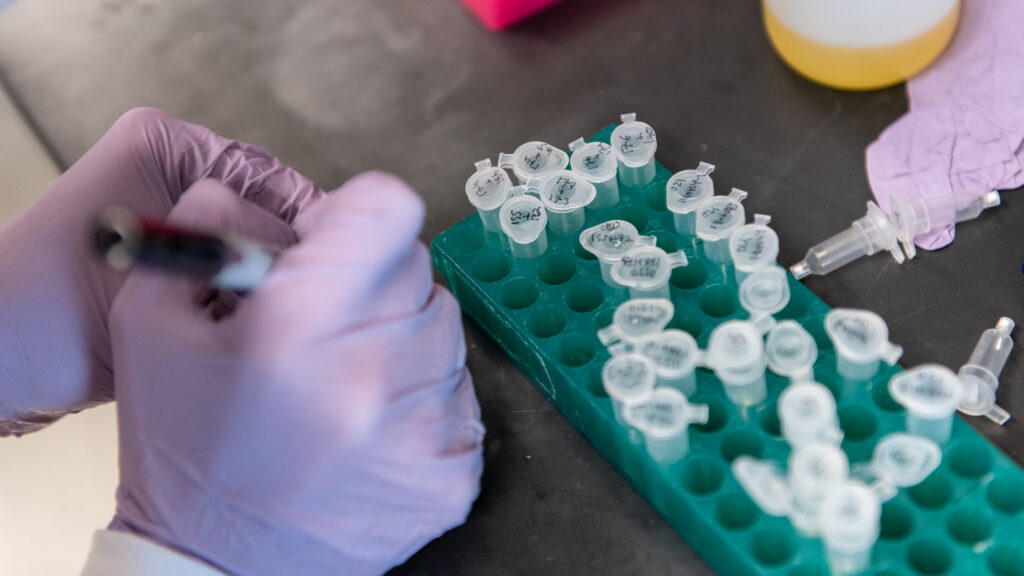
New Toolkit Turns Macrophages Into Better Cancer Fighters
Gladstone and UCSF scientists developed a method to genetically edit myeloid cells, immune cells that act as the body’s first responders.
New CRISPR Screening Platform Boosts Power of Immunotherapy Against Solid Tumors
A new screening platform uncovers gene edits that enhance CAR-T cells’ ability to infiltrate and eliminate solid tumors.
New CRISPR Technique Selectively Shreds Cancer Cells, Including Those of ‘Undruggable’ Cancers
An innovative chromatin-shredding technique shown to destroy cancer cells carrying a prevalent mutation while keeping healthy cells intact.

Get Involved
Join the Team
Our people are our most important asset. We offer a wide array of career opportunities both in our administrative offices and in our labs.
Open PositionsPartner With Us
Discoveries don’t stay in our labs. Gladstone facilitates spinout companies to advance promising therapies, shortening the path between scientific discovery and helping real patients.
Learn MoreGive
Your gift to Gladstone will allow our researchers to pursue high-quality science, focus on disease, and train the next generation of scientific thought leaders.
Donate Now