Gladstone NOW: The Campaign Join Us on the Journey✕



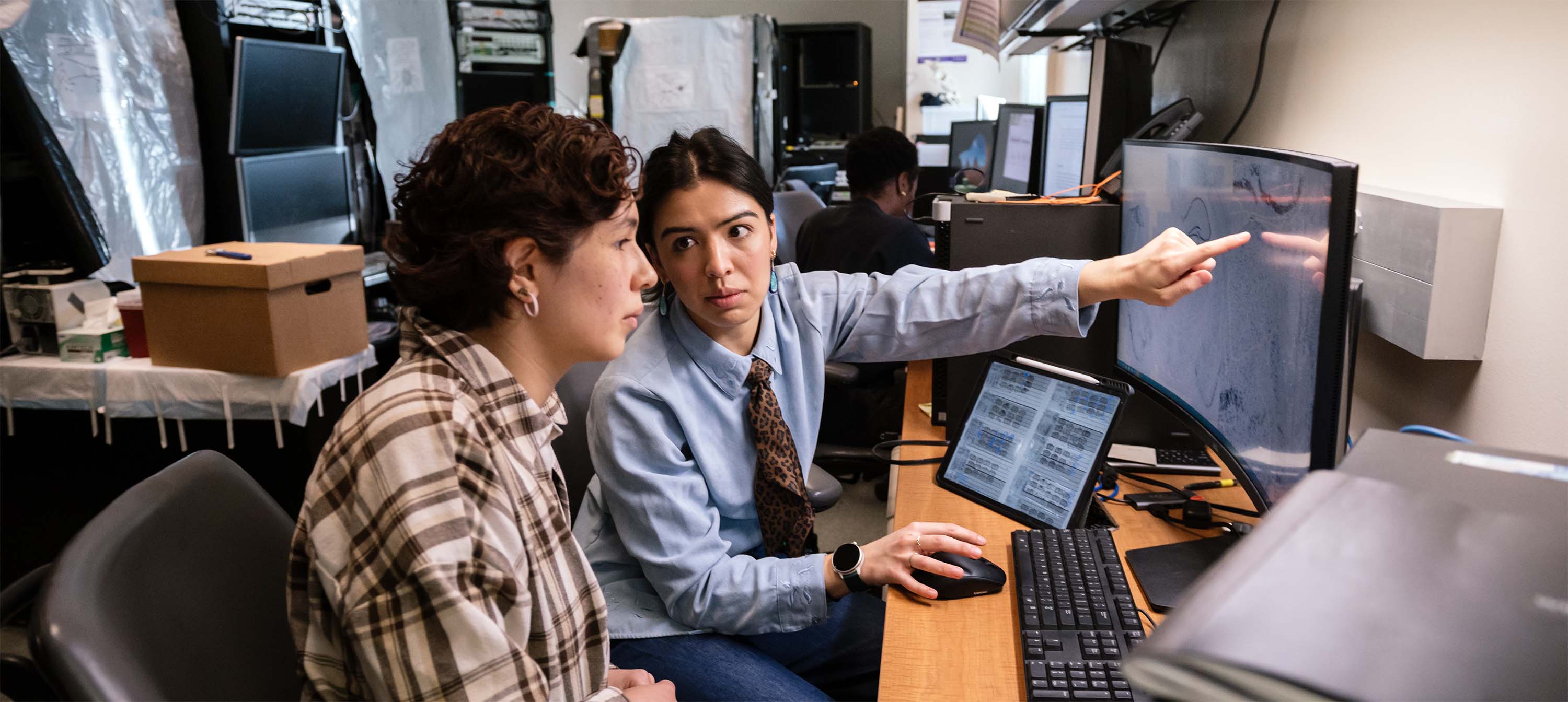
Recipients of Gladstone’s Outstanding Mentoring Award share their personal approaches to mentorship and reflect how this passion has shaped their own growth as leaders.
Mentorship plays a defining role in shaping scientific careers, and is a core part of Gladstone’s mission, guiding how we train scientists, build community, and advance discovery. In their own words, recipients of Gladstone’s Outstanding Mentoring Award share their personal approaches to mentoring and reflect on how guiding others has shaped their own growth as scientists and leaders.
These awardees highlight the power of mentorship to foster curiosity, confidence, and belonging—while inspiring young scientists and early-career professionals who will go on to make their own marks in the field.
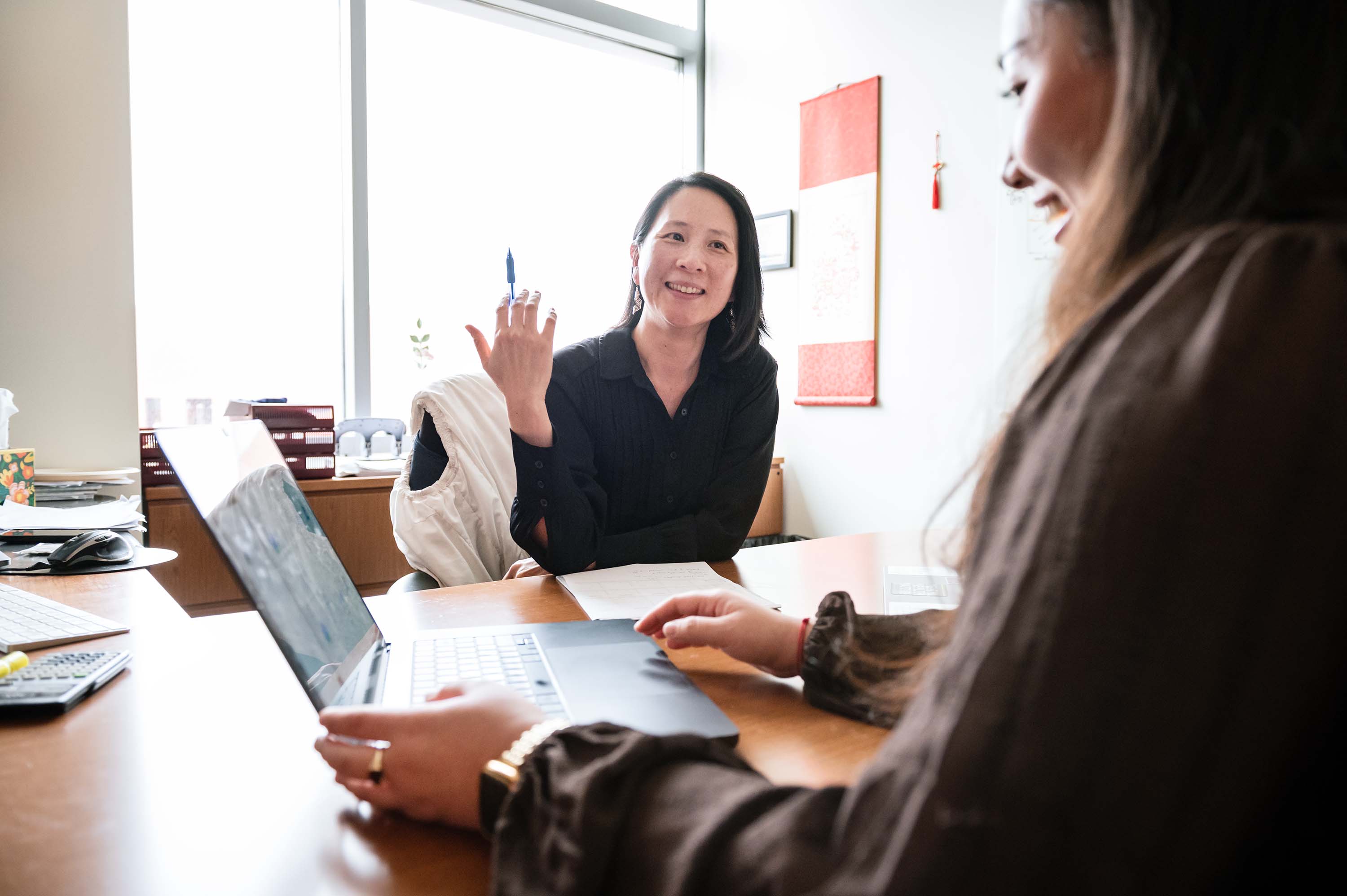
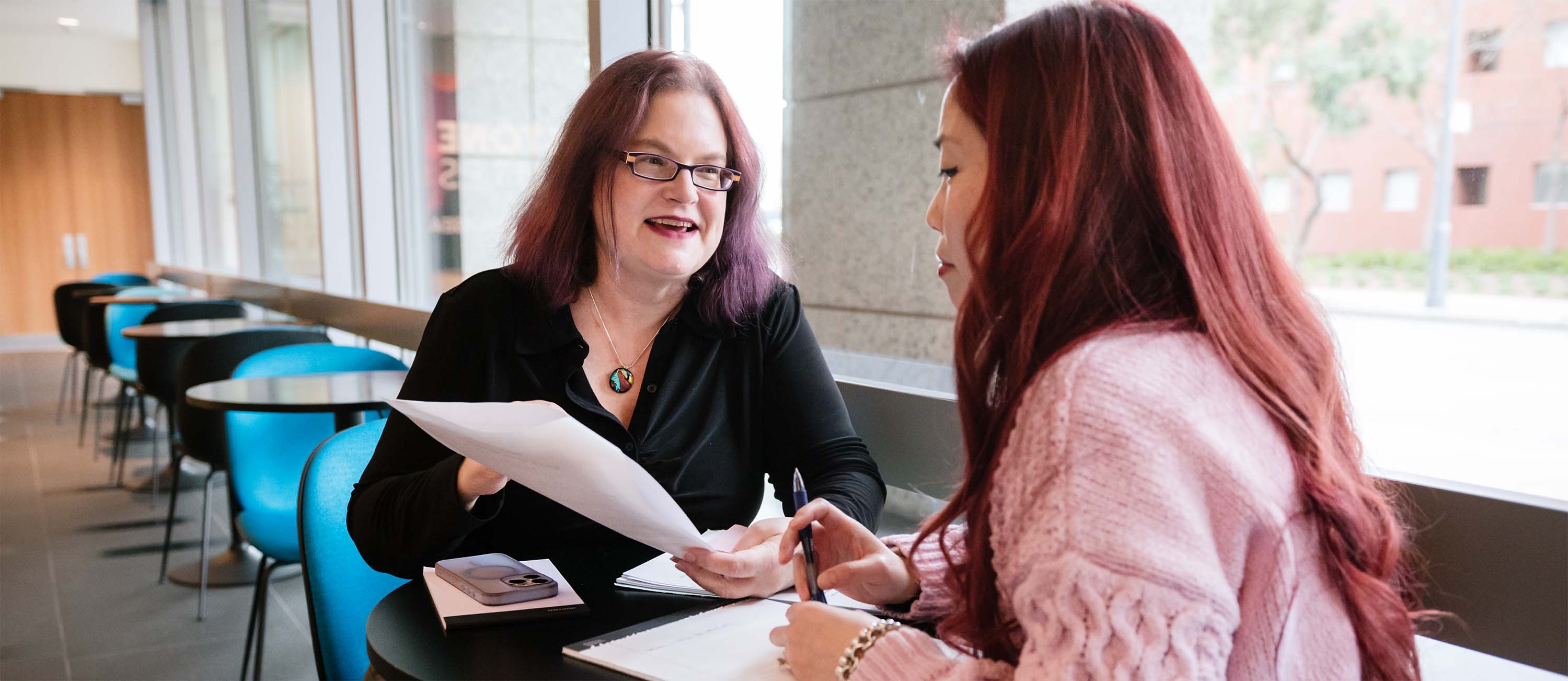
Nadia Roan, PhD
Senior Investigator
“
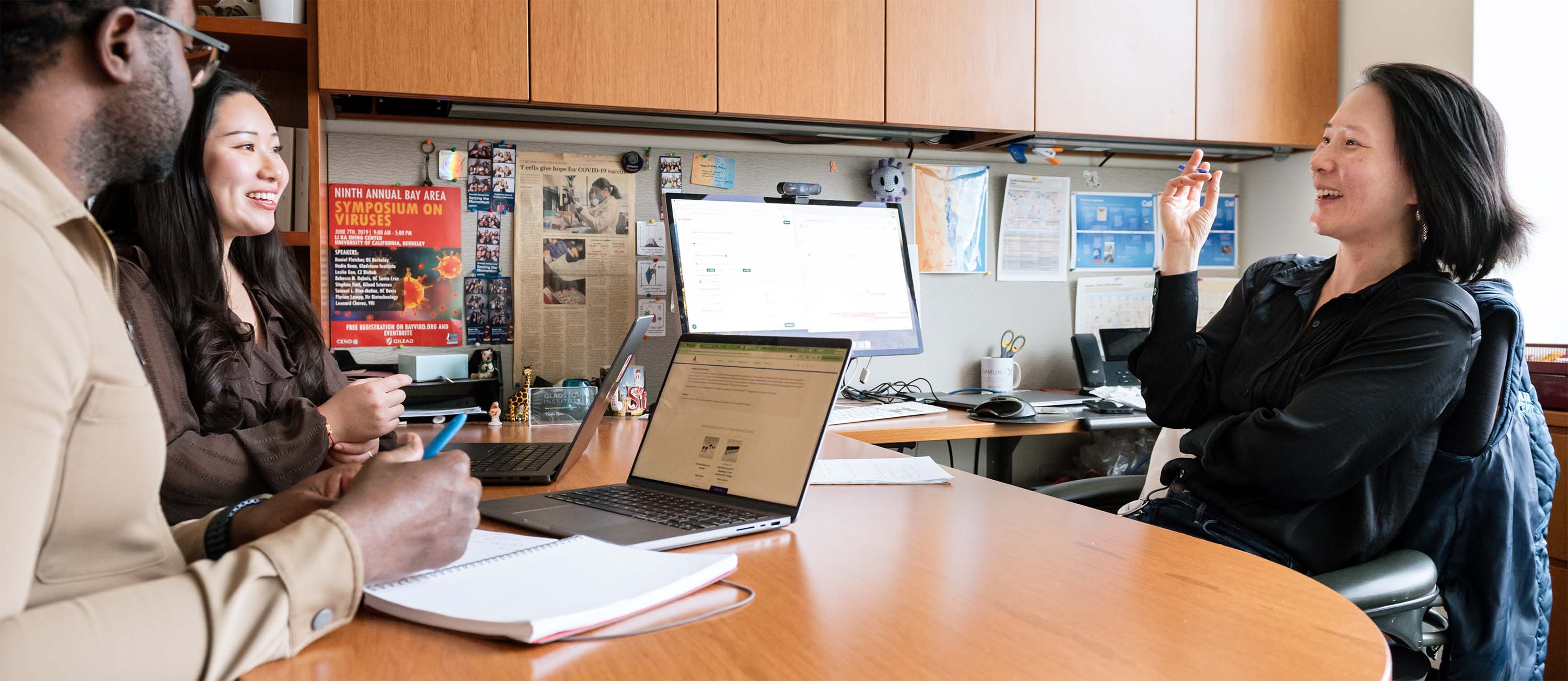
My biggest inspiration has been the amazing mentors I had over the course of my academic career. I absolutely would not be where I am today without their selfless guidance. I had mentors who went out of their way to provide me with pivotal mentoring advice even at times when I did not actively seek it, and it really impacted the research and career directions I ended up taking. I am thankful to now be able to give back as a mentor. Also, I view mentorship as a key part of my role as an investigator at Gladstone.
A key aspect of being an investigator is to prioritize mentorship.
How to prioritize mentoring? While there are other important items like keeping the lab well-funded so that we can push forward with the science, in the absence of a healthy lab environment (which is supported by active engagement and mentoring), the science will eventually fall apart. Keeping organized and constantly having a clear perspective on what my priority items are, helps me with this balance.
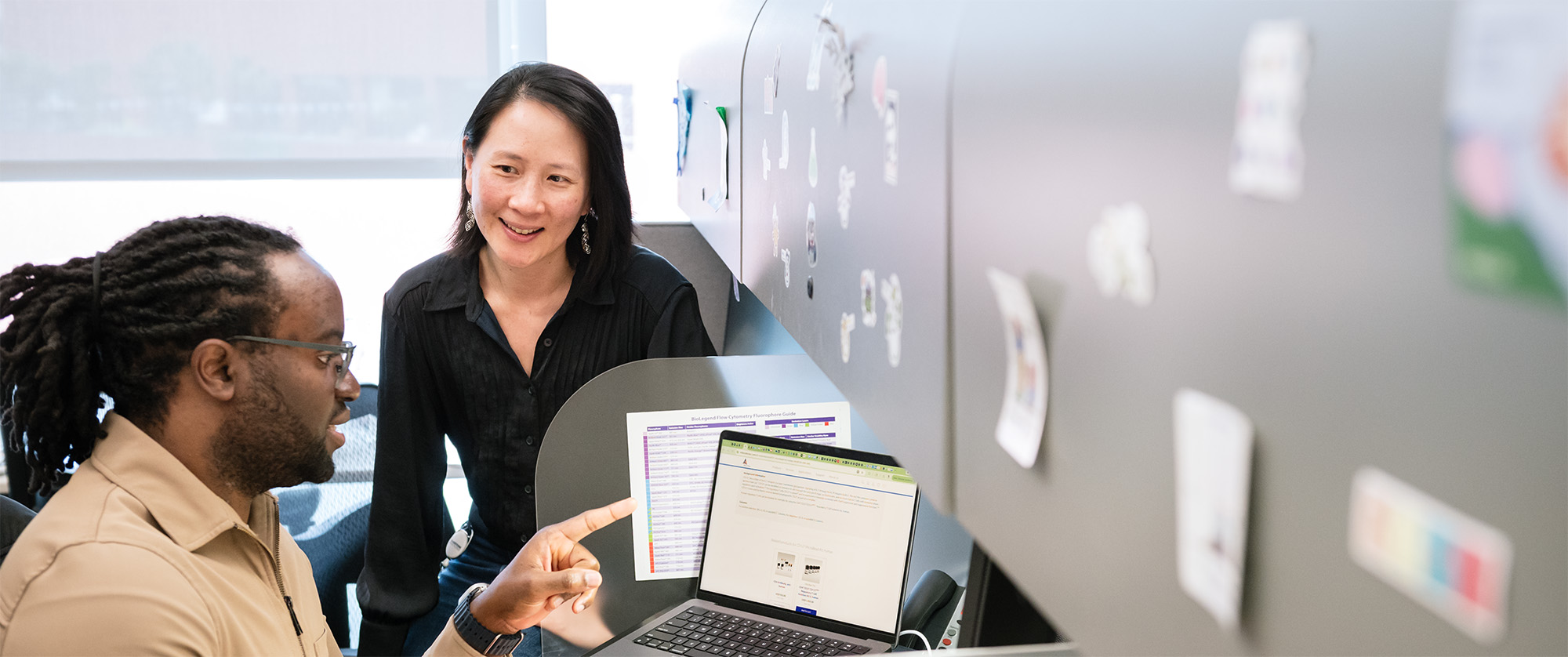
One piece of advice I would provide for those starting off as mentors: it’s important to remember that one size does not fit all. Every individual is different, has different needs, and responds differently. Guidance should be given in a way that is helpful for the mentee, and guidance that works well for one person may not be effective for another. Also, listening—truly listening, and not just hearing—is crucial. Some mentees may communicate in a way that’s indirect, and it’s important to listen closely and give sufficient thought to what is being communicated.
Mentorship is a two-way exchange, and I learn a lot from my mentees.
Mentorship is a two-way exchange, and I learn a lot from my mentees. As I mentor more and more individuals over the years, I constantly learn about the complexities of people, how their strengths and weaknesses manifest, and how I can most effectively help them develop as scientists. And along the way, I learn more about myself as a person as well.
Bethany Taylor
Chief of Staff, Gladstone Institutes
“
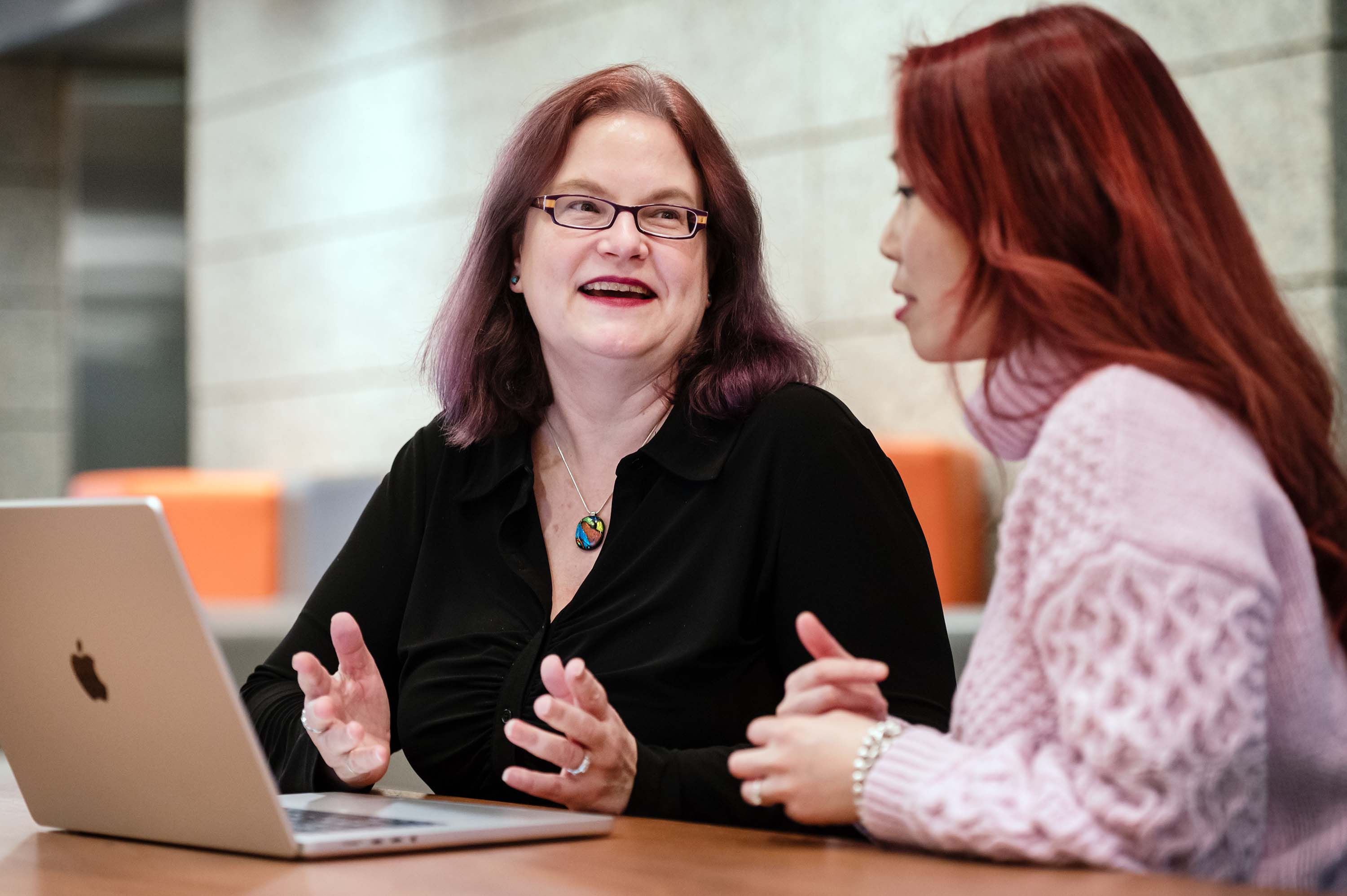
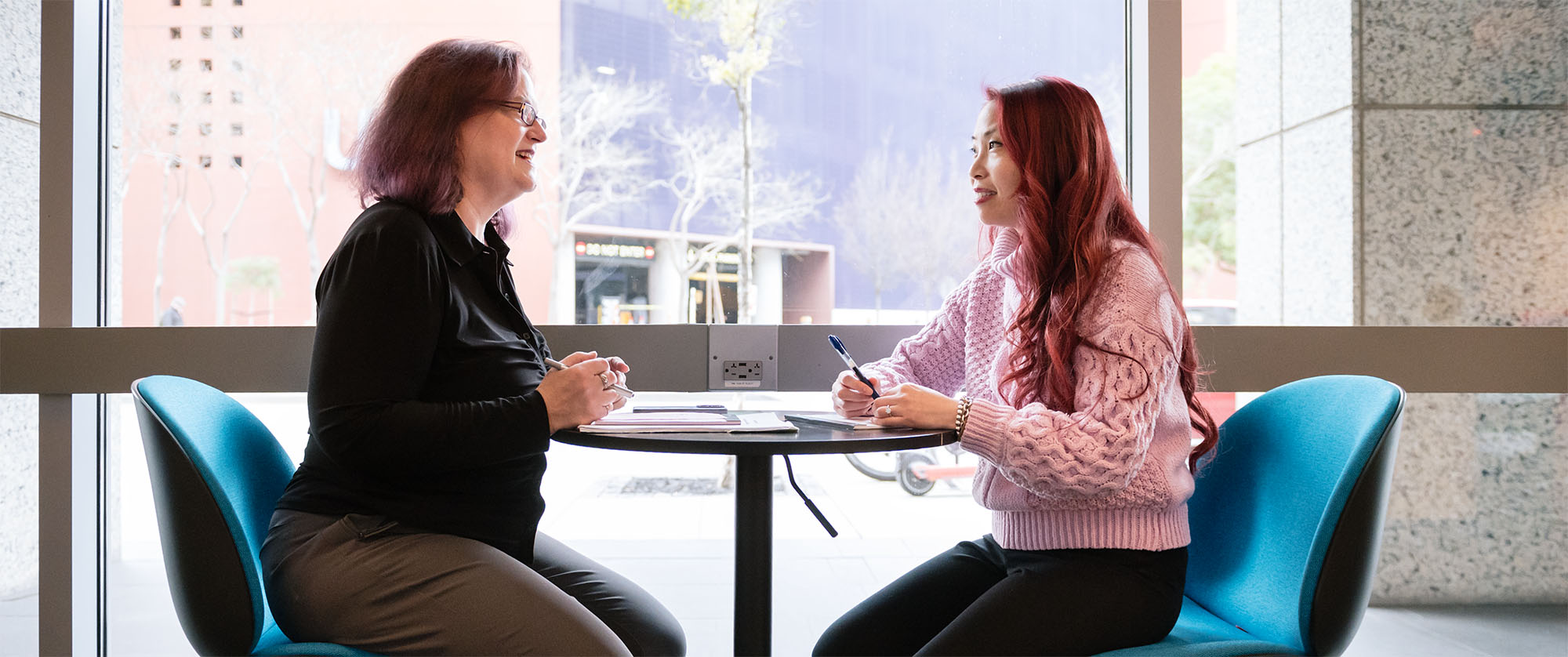
What I find most rewarding about mentoring is seeing the people I work with succeed. But really, it’s the relationships that I’ve developed. Mentorship is about building trust over time. Celebrating success is the easy, fun part.
Mentorship is about building trust over time.
Often, being a good mentor means having hard conversations; for instance, letting your mentee know they mishandled a situation and giving them tips on how to approach similar situations in the future. It can be awkward for both parties. But sometimes, they will let you know later that they really took it to heart. Or, they may not say so in so many words, but they’ll come back and ask for your advice again. That’s the part I find really rewarding, because it means you’ve earned their trust and have made a real connection.
I’m fortunate to have had two dedicated and caring mentors from the first days in my career at Gladstone: Susan Dan and Sylvia Richmond, who both worked with Robert Mahley, Gladstone’s founding president. When I started as an admin assistant in 1999, they trained me in various aspects of my job, and they have both continued to be sounding boards for me as I’ve advanced through my career.
Having strong relationships with your colleagues helps you accomplish a mountain of work that at first looks overwhelming.
Susan was always such a warm, gracious, and welcoming presence in the president’s office. I learned a lot about event planning by helping Susan with the Gladstone retreat. She taught me about being prepared, paying attention to small details that make your guests feel special, and remaining poised and calm when unexpected problems upset your careful planning.
Sylvia taught me the nuts and bolts of my job, from how to format a manuscript or grant to planning a successful Scientific Advisory Board meeting. More than that, though, she modeled how having strong relationships with your colleagues helps you accomplish a mountain of work that at first looks overwhelming. Sylvia has so much institutional knowledge, and would always know exactly who I should talk to about any issue that arose. She also gives the best hugs!
Audrey Magsig
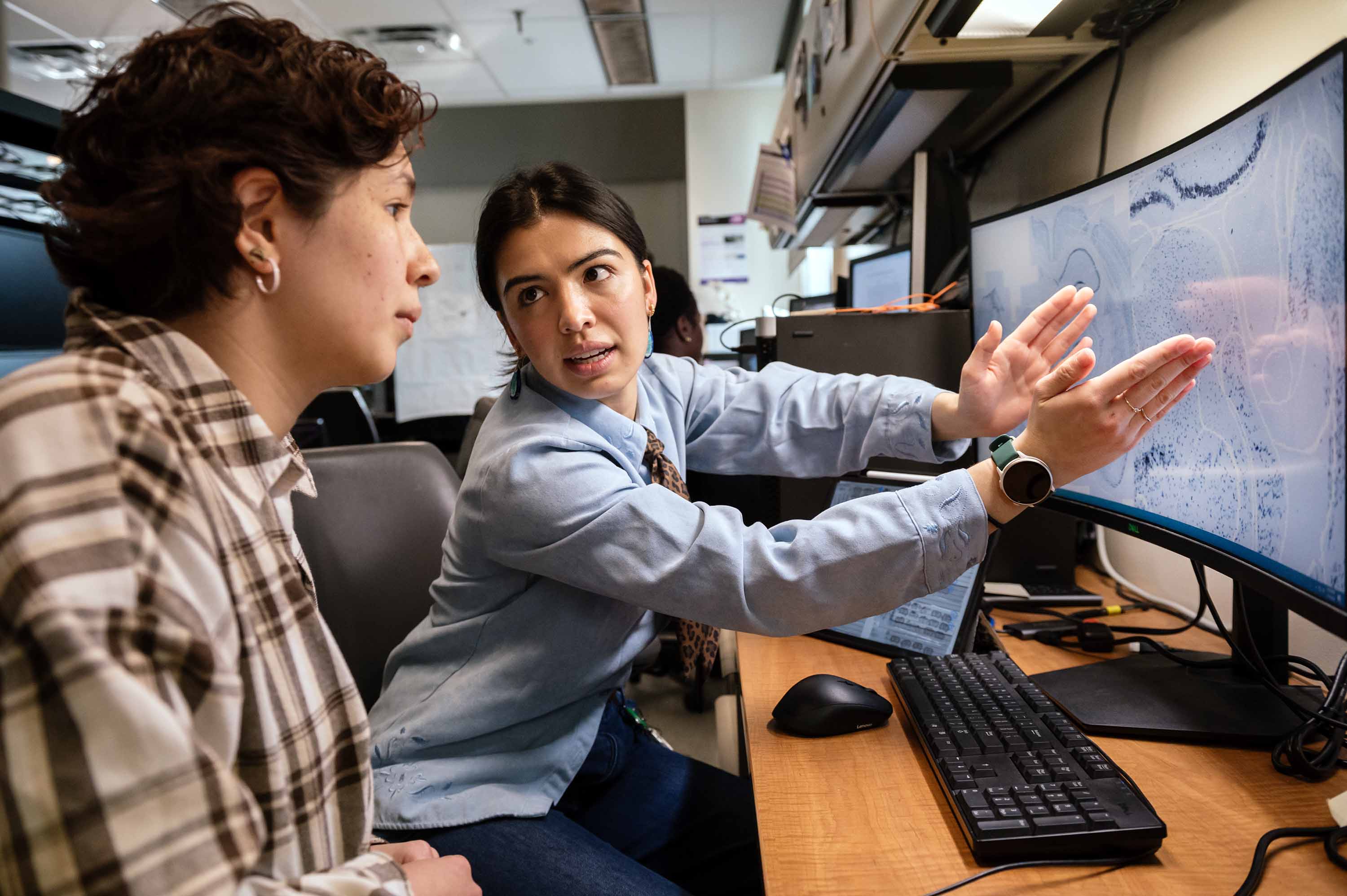
Graduate Student, Paz Lab
“
Mentoring has helped shape my growth as a scientist by keeping me connected to one of the main reasons I do science—helping others. Working with students has taught me a lot about leadership, responsibility, and how to balance guidance with independence, since everyone learns and grows at their own pace. It’s also made me reflect more thoughtfully on my own relationships with my mentors.
Mentoring younger trainees constantly reminds me why I fell in love with science in the first place.
At the same time, mentoring younger trainees constantly reminds me why I fell in love with science in the first place—their excitement over simple lab techniques is infectious. Seeing science through their eyes brings back the joy, curiosity, and fun of discovery and reminds me of the very best parts of doing research.
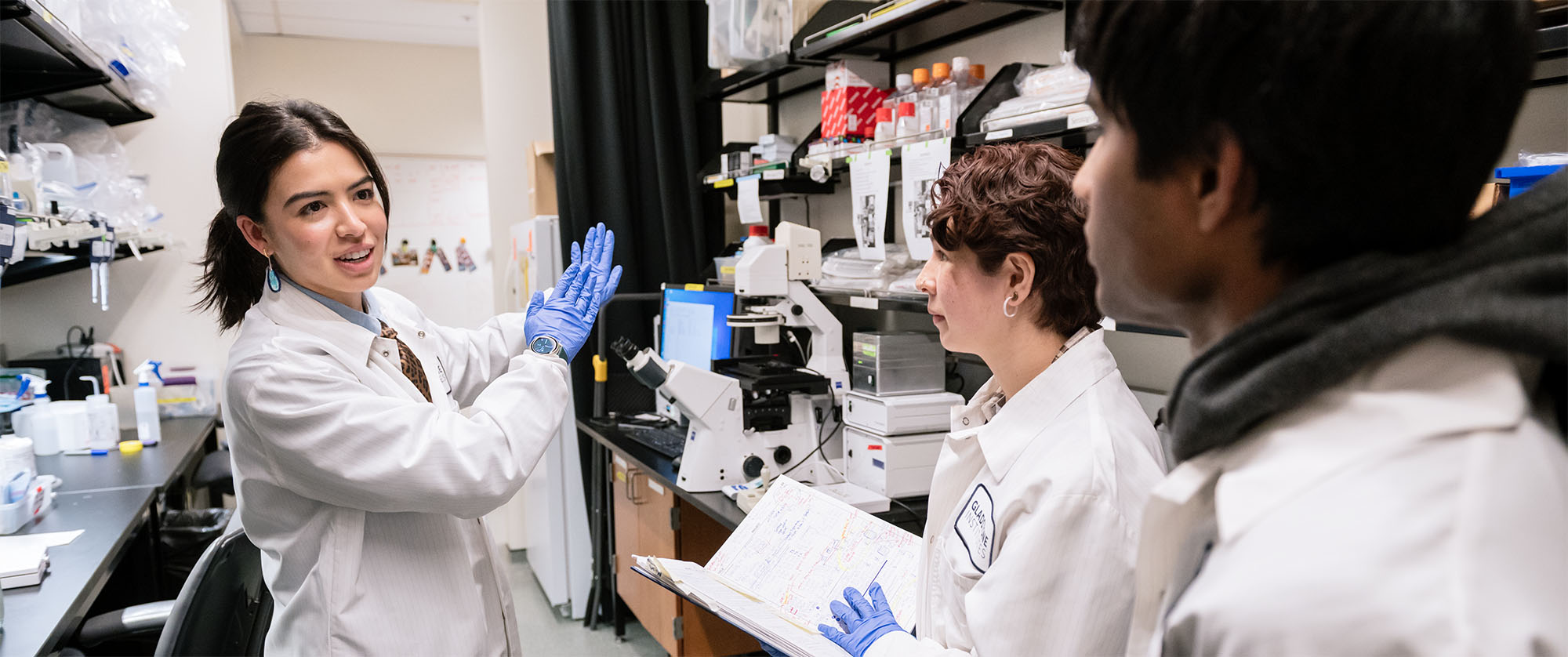
I was inspired to prioritize mentoring because of the incredible public school teachers I had growing up, especially in Oklahoma. Despite being underpaid and overworked, they put so much heart into teaching and went above and beyond for their students. They saw potential in me early on, encouraged my love of learning, and invested extra time and care that helped me succeed academically and pursue opportunities like going out of state for college. Their dedication showed me how powerful it is to feel supported and believed in, and that experience shaped my desire to give back through mentoring.
Helping students discover their interests and direction is my favorite part of mentoring.
For me, the most rewarding part of mentoring is helping people figure out where they want to go and giving them the information and experiences they need to make those decisions. I work with students at many different stages, and some are just exploring whether science is even right for them. I love being able to support that process—watching them learn, grow, and decide what they enjoy or what path feels right. Helping students discover their interests and direction is my favorite part of mentoring.
Want to Join the Team?
Our people are our most important asset. We offer a wide array of career opportunities both in our administrative offices and in our labs.
Explore CareersAn Ancient Genetic Twist and Its Modern Impact on Brain Disease
Article
July 14, 2026
An Ancient Genetic Twist and Its Modern Impact on Brain Disease
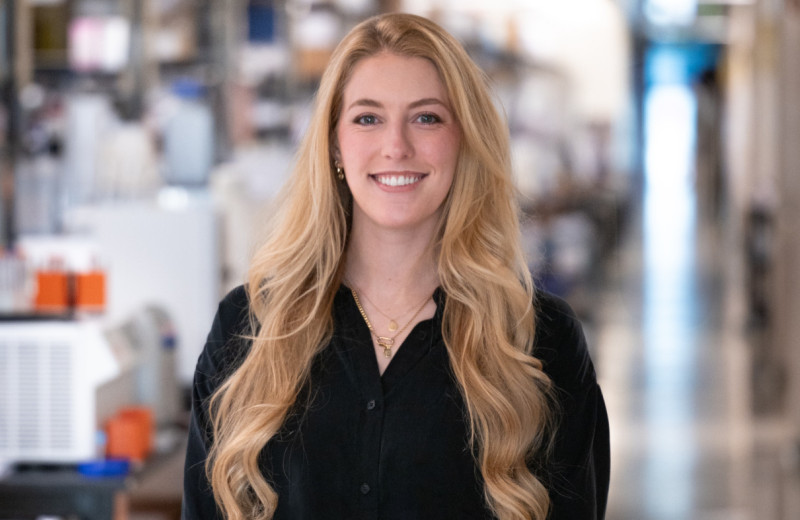
NOMIS–Gladstone Fellow Cathrine Sant is studying an enigmatic region of the human genome linked to neurodegenerative disease risk.
Neurological Disease NOMIS Graduate Students and Postdocs ProfileMeet Gladstone: Kevin Pastores
Article
June 23, 2026
Meet Gladstone: Kevin Pastores
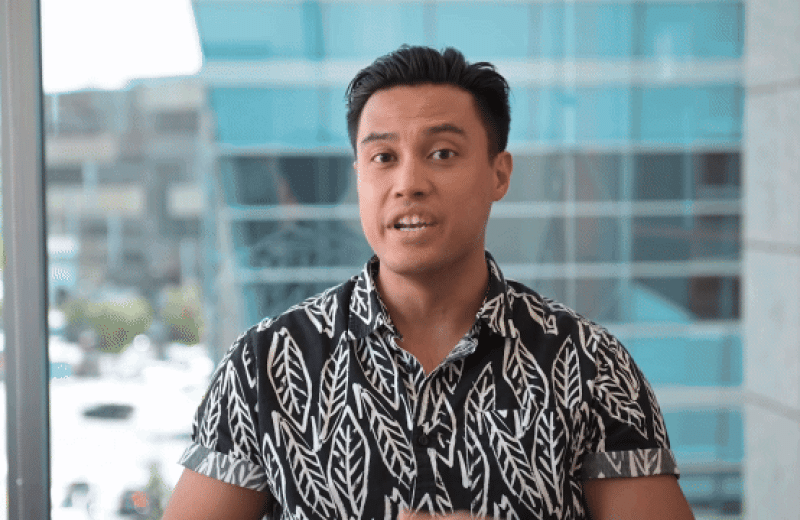
Kevin Pastores, assistant core director of Gladstone’s Flow Cytometry Core, helps researchers across disciplines design experiments, analyze complex cellular data, and harness emerging technologies like AI to accelerate discovery.
Profile Flow Cytometry CoreMeet Gladstone: Shu Zhang
Article
April 22, 2026
Meet Gladstone: Shu Zhang
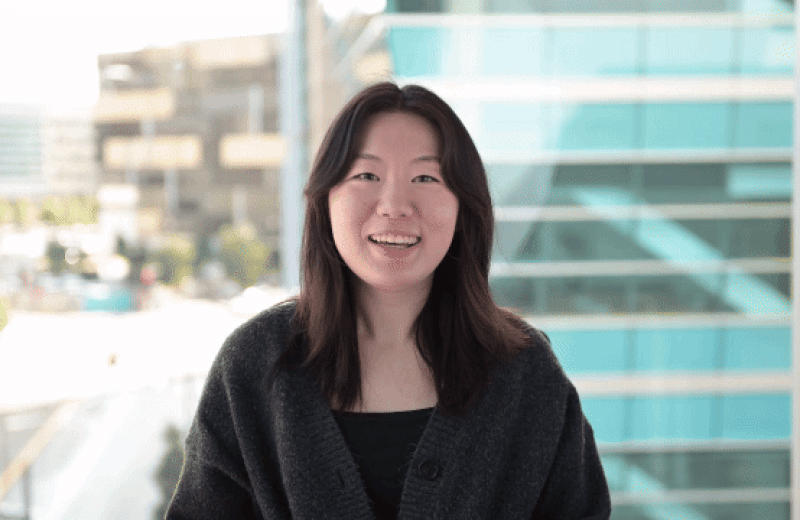
Graduate student Shu Zhang uses machine learning to reveal how DNA variation shapes genome structure and drives disease.
Postdoctoral and Graduate Student Education and Research Development Affairs Graduate Students and Postdocs Profile