Gladstone NOW: The Campaign Join Us on the Journey✕




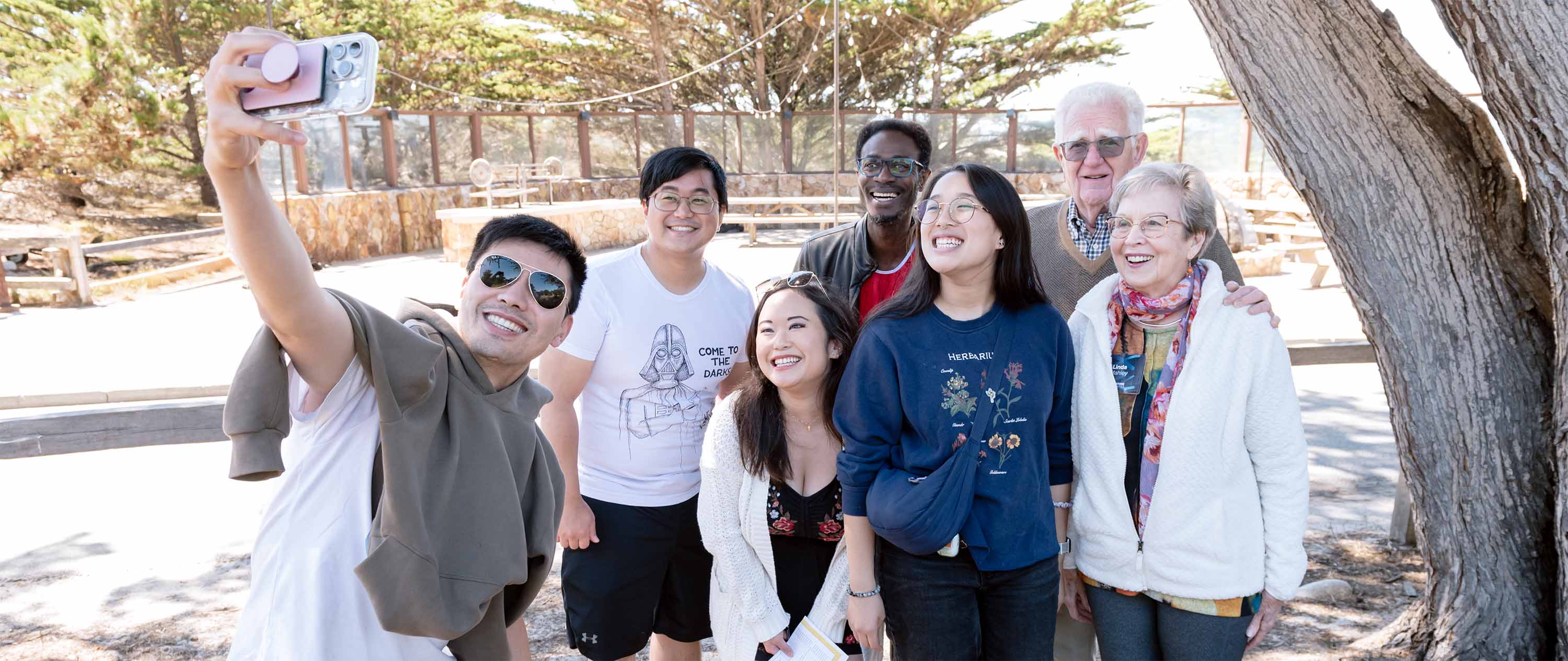
Robert and Linda Mahley’s commitment to trainee development continues through Gladstone’s annual Career Advancement Awards.
Listen to this article
Yadong Huang, MD, PhD, had only $50 when he left Beijing in 1991 for a fellowship in Germany.
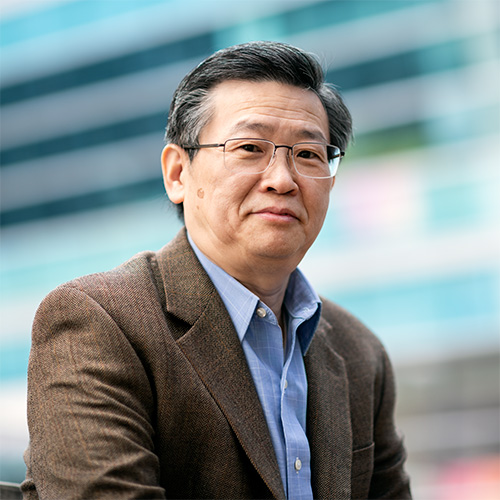
Yadong Huang, MD, PhD
“The only way I was able to go to Germany at that time was because I received a fellowship,” says Huang, now a senior investigator at Gladstone Institutes. The funding from the fellowship allowed Huang to receive training outside China for the first time in his career.
A few years later in 1995, Huang joined the lab of Robert Mahley, MD, PhD, at Gladstone in San Francisco—a move that undoubtedly changed the course of his life. Thirty years later, Huang is still at Gladstone, now running his own successful neuroscience lab, and has begun to pay forward the support he received early in his career to help the next generation of scientists.
Huang is one of the funders for the Robert and Linda Mahley Career Advancement Awards—a scientific award at Gladstone that provides support for postdoctoral scholars and graduate students to attend scientific conferences around the world. The award was launched in 2019 and is named in honor of Gladstone founder, Robert Mahley, and his wife Linda.
The Career Advancement Award is granted annually to nine trainees at Gladstone.
The Career Advancement Award is granted annually to nine trainees at Gladstone. To date, around 50 postdocs and graduate students have received the award and traveled to various conferences in places like Honolulu, Boston, and even Vienna, Austria.
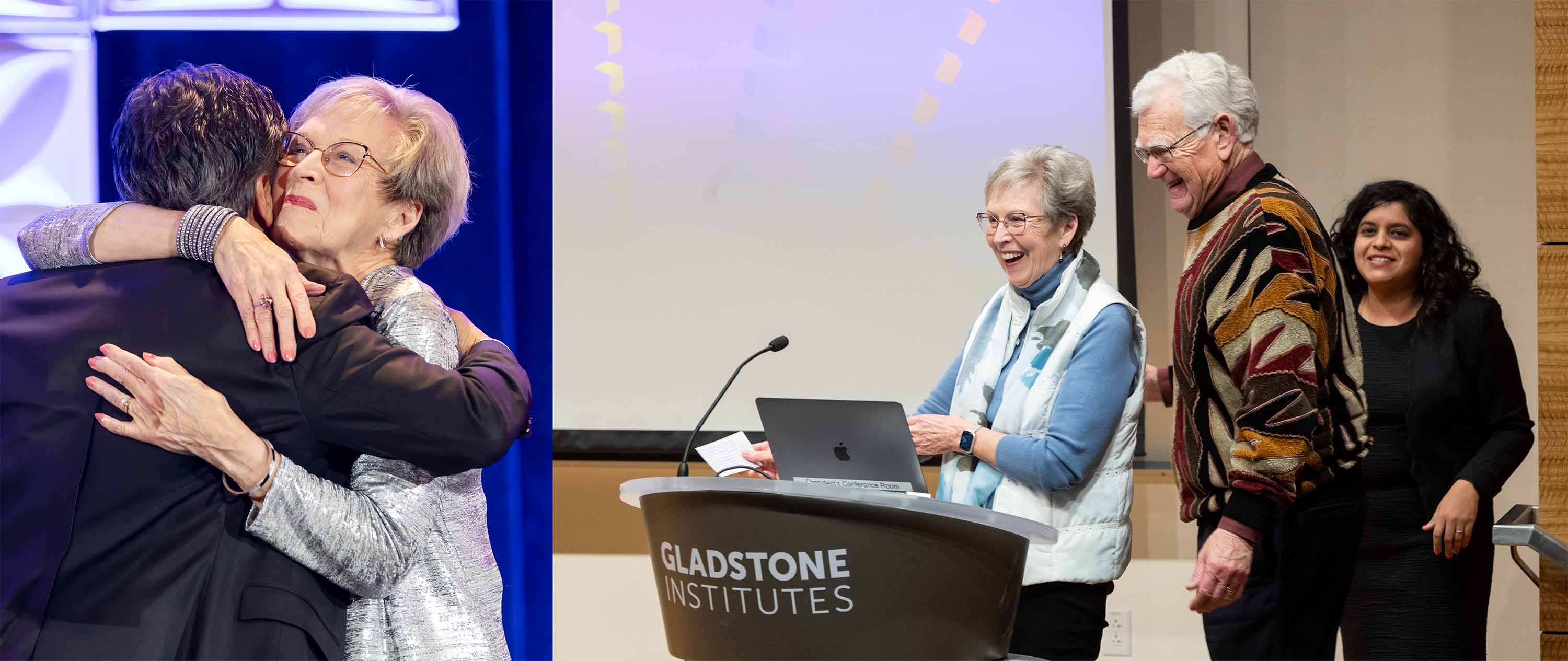
The award was named in honor of Robert and Linda at Gladstone’s 2019 holiday party, coinciding with the organization's 40th anniversary.
“Attending scientific meetings is a vital part of a trainee’s growth, providing opportunities to share research, build networks, and learn from leaders in the field,” says Sudha Krishnamurthy, BDS, PhD, director of Postdoctoral and Graduate Student Education and Research Development Affairs, who manages the distribution of the award along with her team. “The Robert and Linda Mahley Career Advancement Awards make this possible by easing the financial burden of travel. They honor the Mahleys’ long-standing dedication to supporting our trainees’ career development, and we’re proud to continue that legacy.”
A Legacy of Generosity
The naming of the award in honor of Robert and Linda was announced during Gladstone’s holiday party in 2019—the year that also celebrated Gladstone’s 40th anniversary. After this recognition, the Mahleys decided to personally assume the cost of the annual award.
“It was quite a surprise, and such an honor to have the award named after us,” Robert Mahley says. “It reflects our commitment to fostering the talent at Gladstone, which is one of the major missions of the organization. We feel a deep sense of pride in supporting this award, and we’re committed not only to continuing it but also to expanding its impact in the years ahead.”
Robert and Linda Mahley have been key figures in cultivating the success of many researchers at Gladstone. Their drive stems from their own experiences early in their professional lives.
Robert and Linda Mahley have been key figures in cultivating the success of many researchers at Gladstone. Their drive stems from their own experiences early in their professional lives.
“When Bob was beginning medical school, we barely had two dimes to rub together,” says Linda Mahley. “The support we received—from people who believed in us and in Bob’s potential—was absolutely essential. Fellowships and gifts made it possible for us to continue, and we know firsthand that we wouldn’t be where we are today without that help. Being able to travel, meet people, and exchange ideas expanded our knowledge and friendships in ways that shaped our lives. That’s why it feels so natural for us to continue supporting others in the same way.”
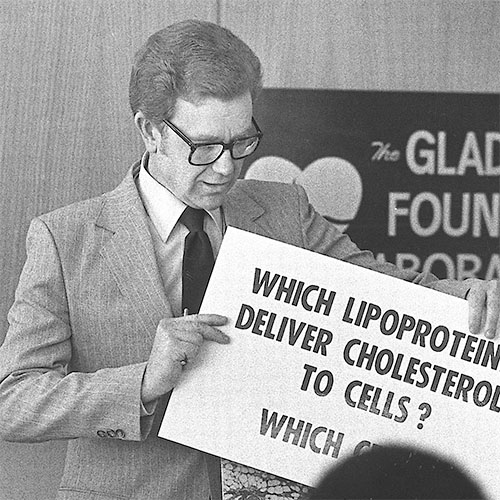
Robert Mahley, MD, PhD, left his position at NIH to launch Gladstone Institutes in 1979.
Robert Mahley’s own career was fundamentally shaped thanks to a scientific conference he attended while still in graduate school.
“The opportunity to attend national and international meetings and present my research was invaluable,” says Mahley. “While I was still completing my degree, I presented at the American Heart Association, where I met Donald Frederickson, who was the head of the NIH Heart Institute at the time.”
After Mahley completed his MD-PhD program, he reached out to Frederickson about continuing his research.
“On Christmas Eve of 1970, he called to tell me he had found the perfect position for me,” Mahley says. “Soon after, I flew to Washington D.C., met the lab director, and it turned out to be a perfect match. That opportunity shaped the course of my career.”
From his position at NIH, Mahley was then recruited to establish and lead Gladstone Institutes in 1979.
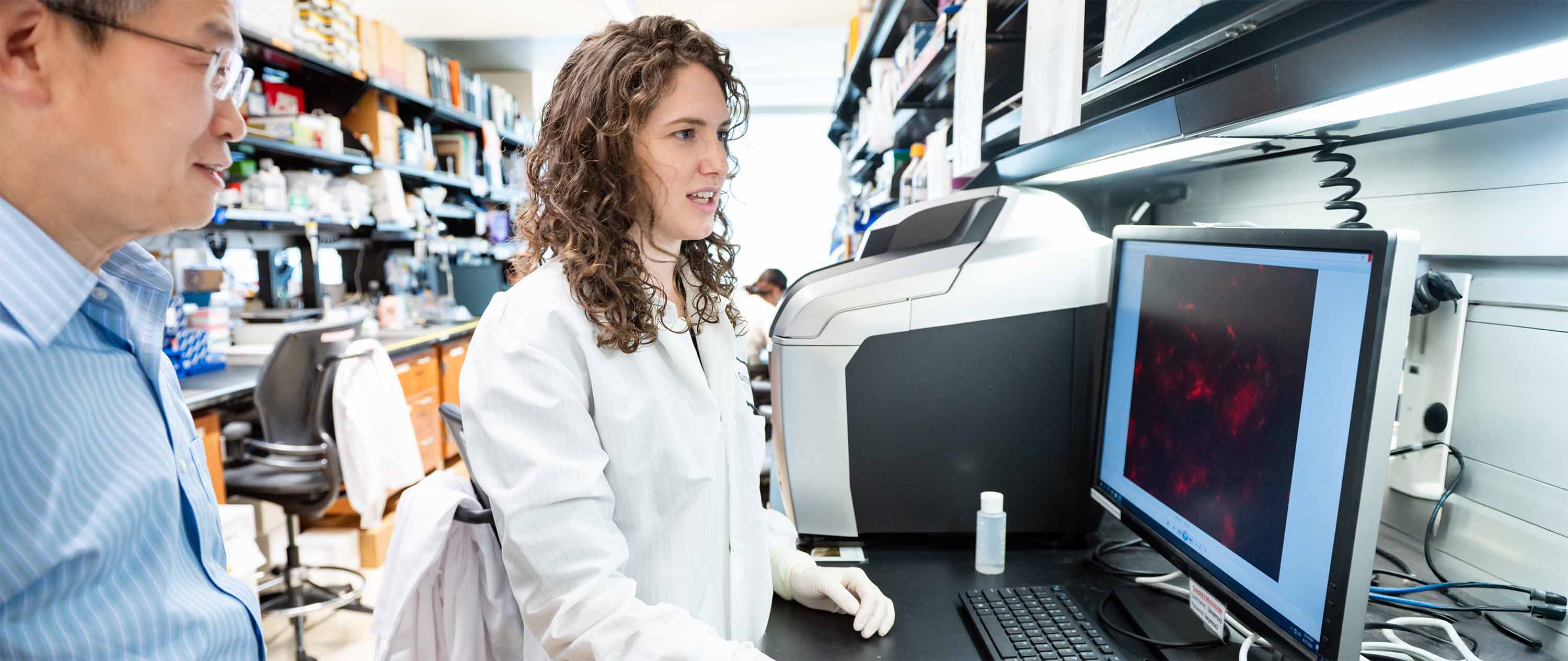
To date, around 50 postdocs and graduate students have received the award and traveled to various conferences around the world. Seen here is Maxine Nelson, PhD (right), who worked in Huang's lab (left).
Networks That Shape Careers
For Maxine Nelson, PhD, a former graduate student in Huang’s lab, attending the Cold Spring Harbor Laboratory Conference on Neurodegenerative Diseases in 2022 provided her the opportunity to connect with key experts in her field of neuroscience, and even led to an interview for a job opportunity after she completed her graduate degree.
“It’s so important for everyone, especially trainees, to attend conferences,” says Nelson, who received the award in 2021. “You learn how to speak about your science organically, have conversations with others in the field that spark new ideas, and meet your potential future colleagues. Someone you meet can have an impact at a later date, whether it’s a key idea or a professional opportunity.”
Pawel Przytycki, PhD, similarly made professional connections that helped him as he was transitioning from his postdoc position at Gladstone to founding his own lab at Boston University.
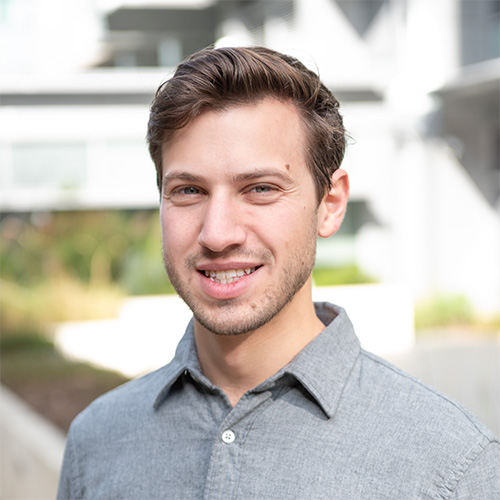
Pawel Przytycki, PhD
“At the conference I attended, I had the chance to connect with a few new faculty who had just started their own computational labs,” says Przytycki, who worked in the lab of Katie Pollard, PhD. “They shared the steps they went through to set up their labs—from applying for grants and securing funding, to publishing their first papers. One of them even exchanged follow-up emails with me about how they approached teaching their first class.”
Now that Przytycki is running a lab of his own at Boston University, he really sees the impact that outside funding can have for early-career scientists.
“Every student and postdoc can benefit enormously from opportunities to showcase their research, connect with peers, and gain the visibility that helps them move to the next stage of their career,” Przytycki says. “It’s really meaningful that Gladstone provides funding for conferences. Now that I’m on the other side and see how difficult funding can be, I truly appreciate how valuable that support is—especially at a time when resources are becoming harder to secure.”
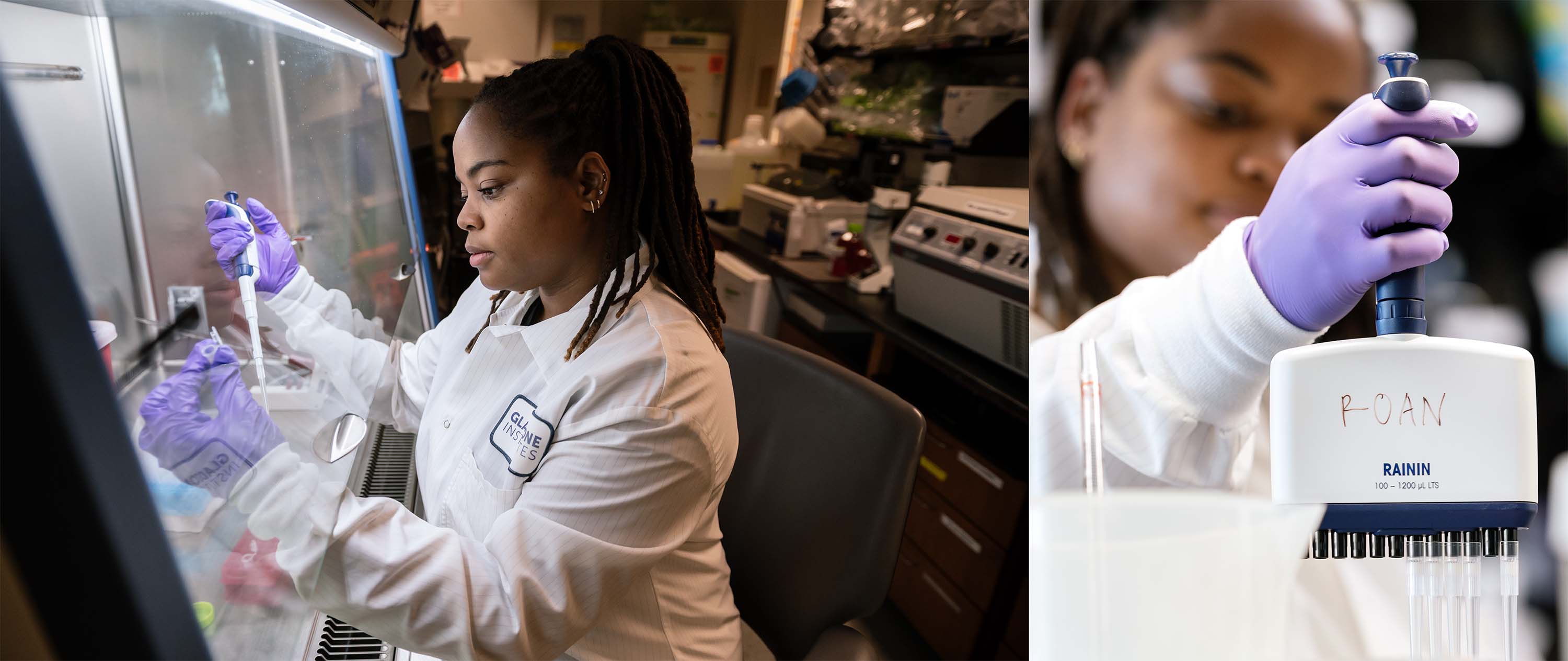
Alicer Andrew, PhD, studies HIV in the lab of Nadia Roan. With support from the award, she attended the American Association of Immunologists Annual Conference.
Rewarding Passion
Beyond the networking and collaborative experiences, the award also provides validation for the young scientists.
“This was an award that I had to apply for myself,” says Alicer Andrew, PhD, a postdoc in the lab of Nadia Roan, PhD. “My application went through a review process with investigators and other leaders at Gladstone. To have them decide I was a deserving candidate—it really makes you feel good. It shows that people within the organization want to support you and ensure you have what you need to succeed.”
The selection committee is made up of the Mahleys, as well as rotating members that consist of a senior scientist and member from Gladstone’s administrative team.
“One of the most important qualities the selection committee is looking for is passion—genuine passion for the work and the belief that it can make a real difference in people’s lives,” says Robert Mahley. “That’s what we’re all about at Gladstone—making a difference. When we review applications, we’re looking for that passion, paired with excellence.”
Those broader meetings can be expensive, but they’re incredibly valuable—they expand your network, spark new ideas, and give you a sense of what’s happening across the field
Andrew attended the American Association of Immunologists Annual Conference in 2025. The award allowed her to attend a conference that was broader than the scope of her research on HIV.
“It means a lot to have the opportunity to attend conferences outside my immediate scope of work,” Andrew says. “Those broader meetings can be expensive, but they’re incredibly valuable—they expand your network, spark new ideas, and give you a sense of what’s happening across the field. Within the lab and across the organization, we have certain meetings we’re expected to attend, which are great, but having support to go to additional, non‑niche conferences provides real freedom for professional growth.”
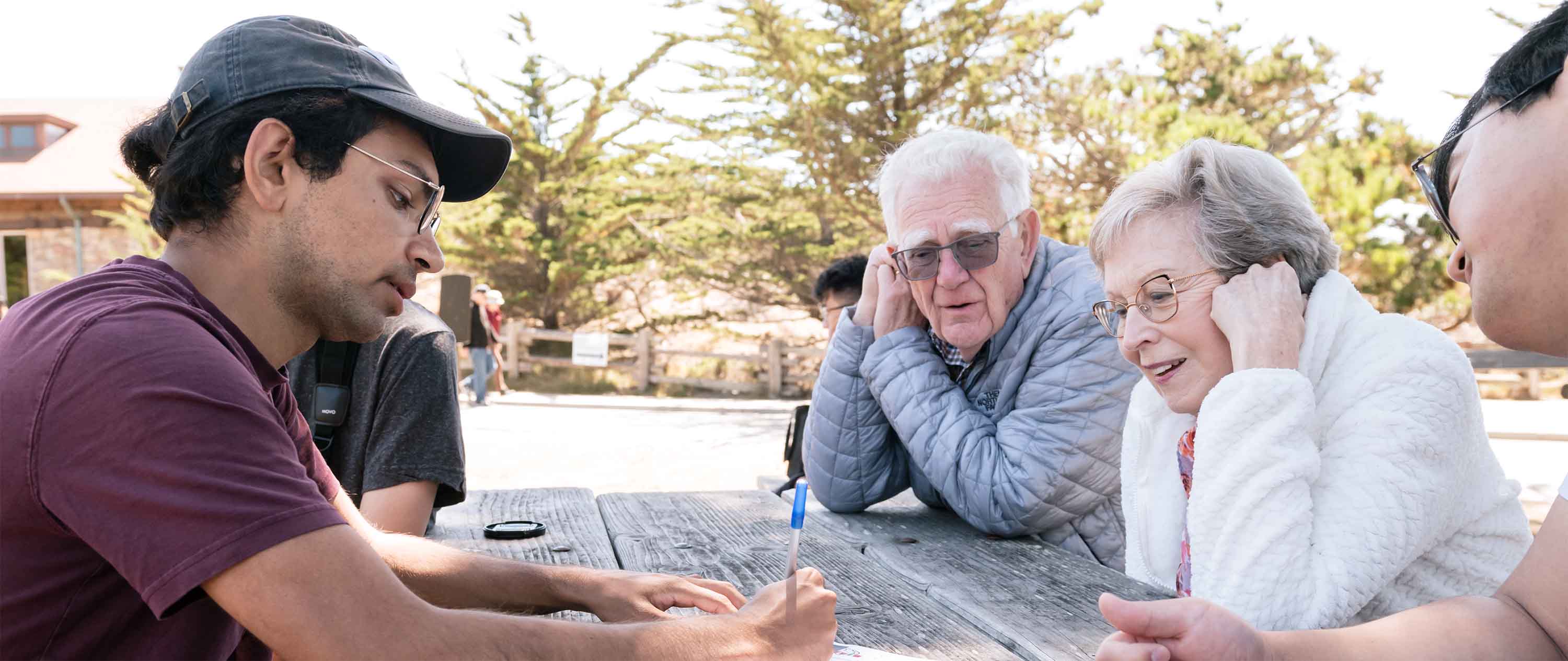
The Mahleys have been lifelong mentors to many scientists at Gladstone. They hope to expand the impact of the award.
Paying It Forward
Over the years, as Huang and his wife, Yinghui Miao, both started to establish themselves professionally, they were looking for ways to give back to their scientific community. When they learned about the Robert and Linda Mahley Career Advancement Awards, things clicked in place for them.
"Both Bob and Linda have helped me tremendously in my personal and professional development,” says Huang.
While Robert Mahley guided Huang scientifically, it was Linda who helped Huang and his wife adjust culturally to their new lives in the U.S. For over 30 years, Linda Mahley has taught English as a second language courses to international researchers at Gladstone. Huang and Miao were among her first students.
“My wife and I experienced quite a bit of culture shock moving from China to Germany, and then again to the U.S.,” Huang says. “Linda’s classes not only taught us about English as a language, but also linked the language to the culture.”
By helping to fund the Career Advancement Awards, Huang hopes to honor the profound influence of his mentor, Robert Mahley.
By helping to fund the Career Advancement Awards, Huang hopes to honor the profound influence of his mentor, Robert Mahley.
“I consider Bob a lifelong mentor. He’s taught me not just about science, but about how to be a good mentor,” Huang says. “It’s deeply meaningful to be able to pay tribute to him through this award and to continue his legacy of supporting the next generation of scientists.”
Want to Join the Team?
Our people are our most important asset. We offer a wide array of career opportunities both in our administrative offices and in our labs.
Explore CareersAn Ancient Genetic Twist and Its Modern Impact on Brain Disease
Article
July 14, 2026
An Ancient Genetic Twist and Its Modern Impact on Brain Disease
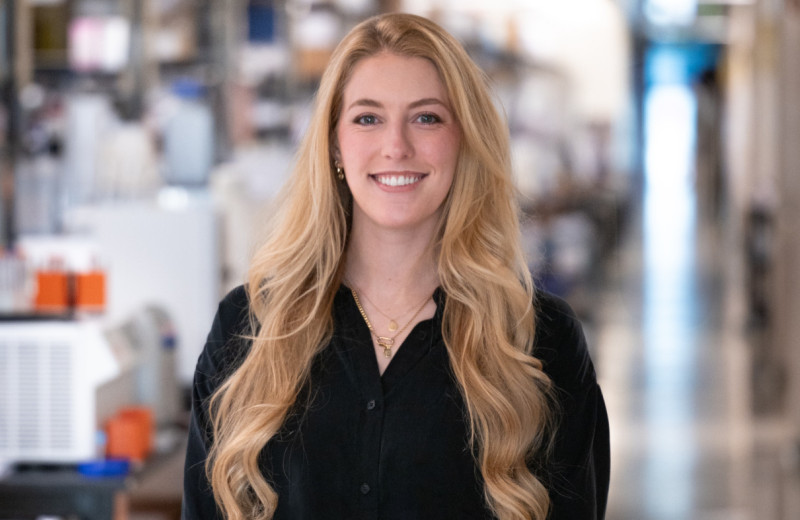
NOMIS–Gladstone Fellow Cathrine Sant is studying an enigmatic region of the human genome linked to neurodegenerative disease risk.
Neurological Disease NOMIS Graduate Students and Postdocs ProfileGladstone Institutes Receives National Recognition for Excellence in Postdoc Programs
Article
July 6, 2026
Gladstone Institutes Receives National Recognition for Excellence in Postdoc Programs
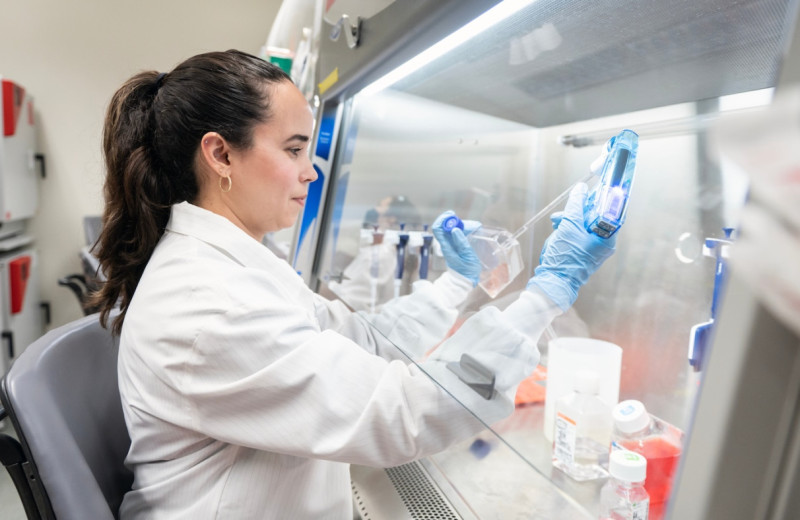
Gladstone is one of only 12 institutions nationwide to receive the award for its postdoctoral programs.
News Release Postdoctoral and Graduate Student Education and Research Development Affairs Graduate Students and Postdocs Postdoc Advisory Committee AwardsMeet Gladstone: Shu Zhang
Article
April 22, 2026
Meet Gladstone: Shu Zhang
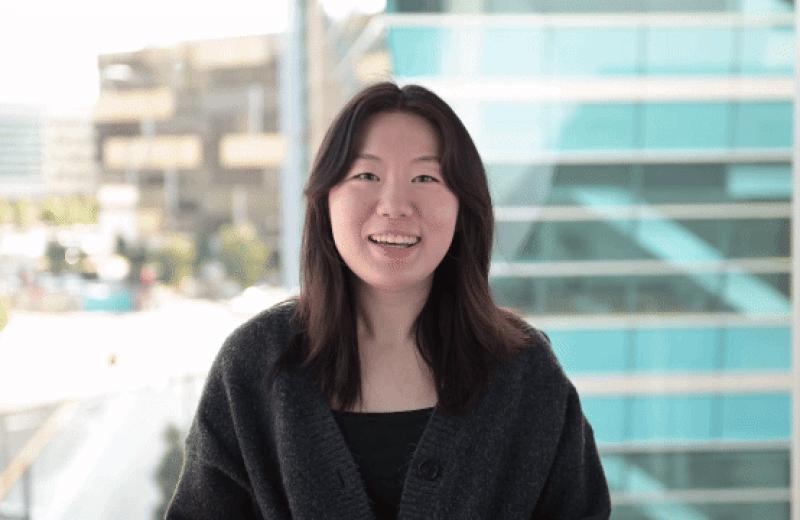
Graduate student Shu Zhang uses machine learning to reveal how DNA variation shapes genome structure and drives disease.
Postdoctoral and Graduate Student Education and Research Development Affairs Graduate Students and Postdocs Profile