Fueling Discovery at the Frontiers of Neuroscience: The NOMIS-Gladstone Fellowship Program
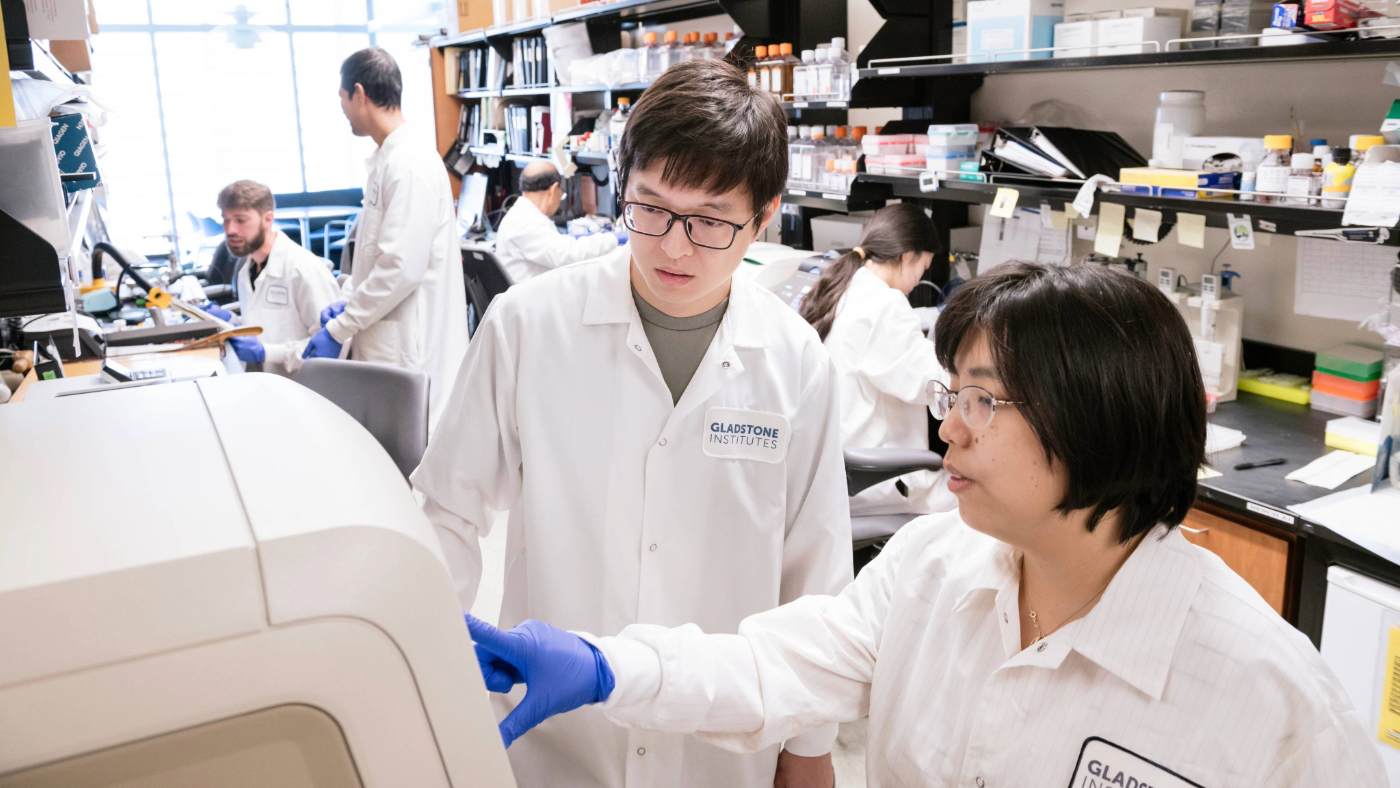
The human brain continues to be one of the most awe-inspiring frontiers in science—billions of neurons and trillions of synapses firing in intricate patterns that spark consciousness, behavior, and sensory experience. Scientists are only beginning to illuminate these elusive dynamics.
Unlocking these mysteries is essential to understanding brain health and disease, and the stakes for doing so are high. When the brain falters—whether through genetic changes, trauma, or age-related disease—the consequences are profound. It’s no exaggeration to say that disorders of the brain and central nervous system remain among the most complex and devastating challenges facing humanity. Yet, within these challenges lie hidden clues—nature’s unintended experiments offering rare insights into the brain’s inner workings. Decoding them demands bold, creative minds willing to defy dogma, and support to match.
That’s the vision behind the NOMIS-Gladstone Fellowship Program, launched in 2024 by the NOMIS Foundation and the Gladstone Institutes in San Francisco. Designed to empower fearless early-career scientists with a deep passion for fundamental discovery in neuroscience, the program catalyzes bold explorations of key mechanisms governing brain functions and dysfunctions—where disciplines converge and discoveries abound.
Venturing Beyond the Known
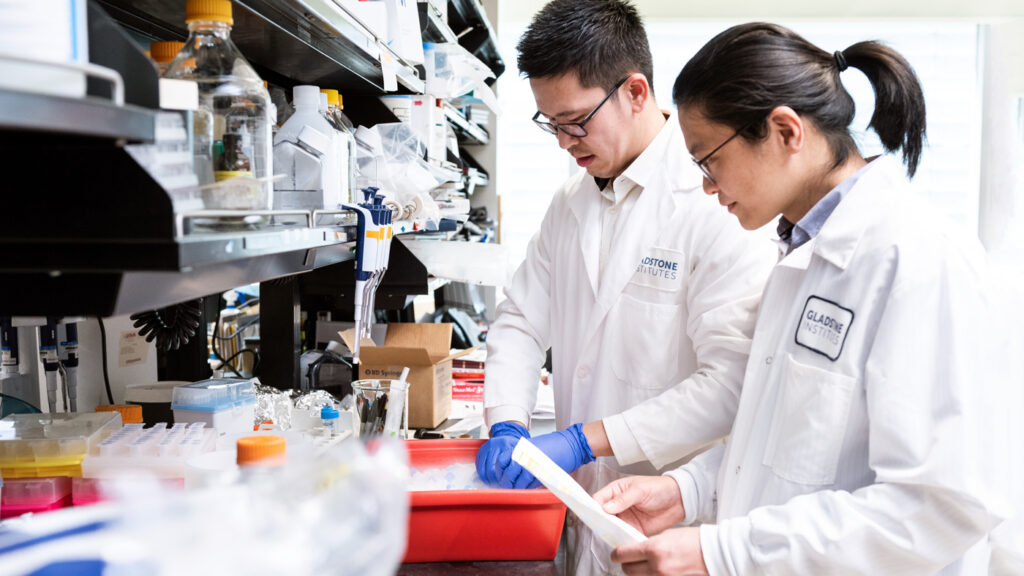
Fellows join more than a lab; they’re immersed in a vibrant neuroscience hub at Gladstone Institutes and the affiliated UC San Francisco (UCSF), offering a world-class setting for research and education. Fellows are appointed as scientists in the Gladstone Institute of Neurological Disease and also gain an affiliation with UCSF’s Department of Neurology.
Equipped with cutting-edge tools, such as gene editing, optogenetics, AI-powered data analysis, and single-cell “omics,” fellows are challenged to venture beyond familiar ground in pursuit of the brain’s deepest secrets.
But tools aren’t the only asset.
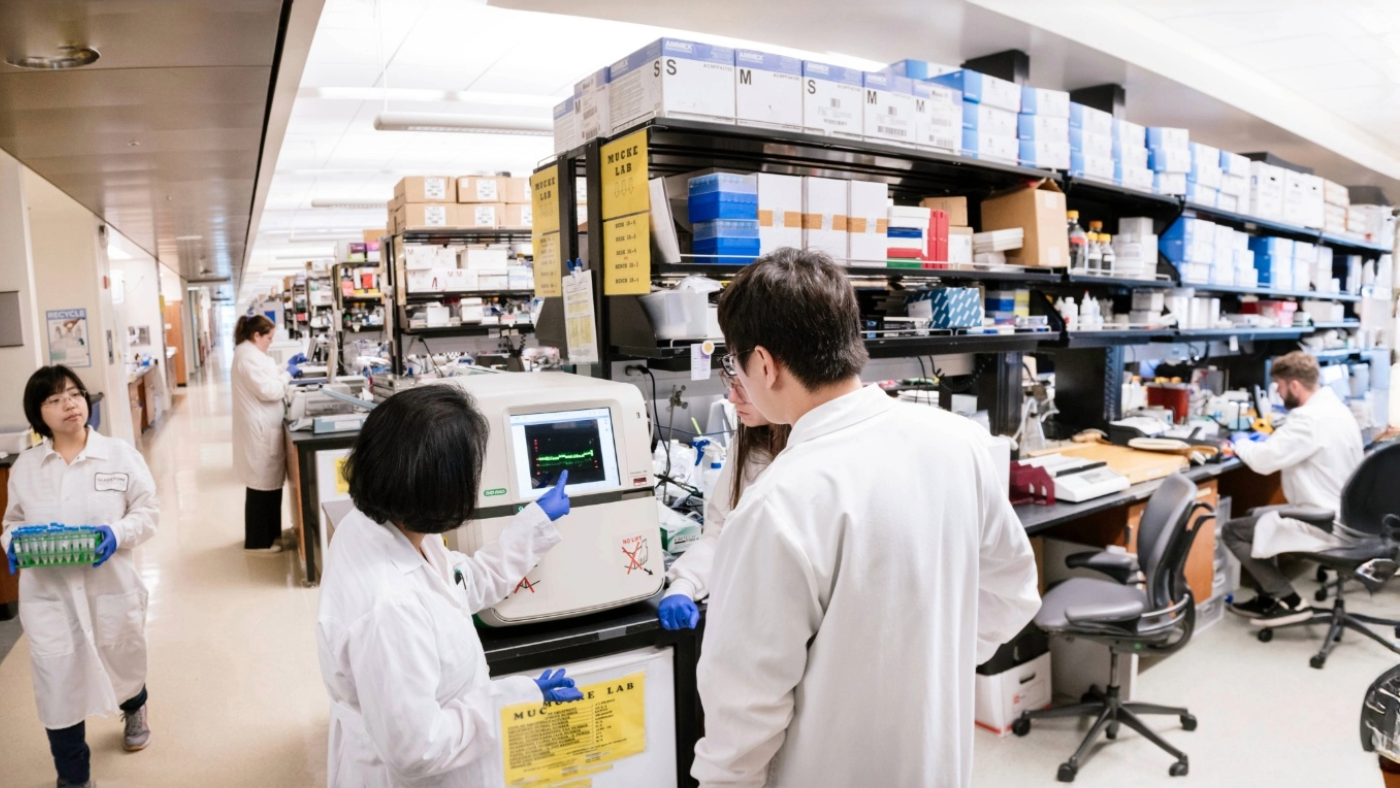
The program’s unique dual-mentorship model pairs fellows with two co-mentors from among eight of Gladstone’s distinguished neuroscience investigators, offering immersive training across molecular, cellular, and systems neuroscience, alongside neuroimmunology, epigenetics, and metabolism.
The result? A catalytic environment for high-impact, cross-disciplinary research that ventures into uncharted frontiers of the brain—the hallmark of the NOMIS-Gladstone Fellowship experience.
“The program serves as a springboard for original thinking and scientific independence,” says Lennart Mucke, MD, director of the Gladstone Institute of Neurological Disease and distinguished professor of neuroscience at UCSF. “Rather than being limited to ongoing projects, fellows are encouraged to pursue original questions and to cultivate the intellectual tools to become independent scientific leaders.”
A Culture of Curiosity and Courage
The program offers two tracks tailored to different early-career stages, designed to attract and support promising scientists at pivotal moments in their careers.
Track one offers a two-year fellowship to mid-stage postdoctoral researchers with a strong publication record and a research focus on foundational neuroscience—scholars ready to hone their ideas. The program’s first fellow, Yuliya Voskobiynyk, PhD, had already made key contributions to neurodegenerative disease research and now aims to identify electrophysiological properties of microglia—innate immune cells that shape brain activity in health and disease.
Track two opens the door to exceptional, newly minted PhD graduates, offering an initial two-year NOMIS-funded appointment with the potential for two additional years of training supported by other sources. These emerging scholars are selected not just for past achievements, but for their potential to lead the next wave of neuroscience discovery. Myung Jin Yang, PhD, the program’s second fellow, recently completed his graduate studies, where he uncovered fascinating insights into the brain’s lymphatic system. He’s now investigating how the brain clears misfolded proteins and other waste products under normal and pathological conditions.
A minimum of four additional fellows are expected to benefit from this program in the coming years.
Alongside rigorous research training, fellows are able to sharpen skills in grant writing, manuscript preparation, leadership, and teaching—tools essential for academic independence. They engage in seminars, scientific retreats, and peer exchange within the Bay Area’s dynamic research ecosystem, spanning Gladstone Institutes, UCSF, UC Berkeley, and Stanford. This collaborative web fuels the culture of open inquiry and fearless exploration central to the program’s identity.
Toward a Career of Discovery
The NOMIS-Gladstone Fellowship Program is a launchpad for transformative neuroscience careers, building on Gladstone’s legacy of postdoctoral successes. Gladstone alumni now lead labs and overarching research programs at institutions such as the Allen Institute, Baylor, Stanford, UCLA, UCSD, UCSF, and Weill Cornell.
Fellows also become part of the global NOMIS network—united by a shared drive to explore the unknown. In an environment where ideas flourish, questions evolve, and knowledge is advanced—across labs and disciplines—NOMIS fellows at Gladstone and around the world are committed to uncovering insights through curiosity-driven, integrative research.
At its core, the NOMIS-Gladstone Fellowship isn’t just about finding answers, but about empowering bold, early-career scientists to pursue their most daring ideas. With exceptional mentorship, interdisciplinary training, and the intellectual freedom to explore, the program sets the foundation for breakthroughs in brain health—not just for today, but for generations to come.
Meet the Fellows
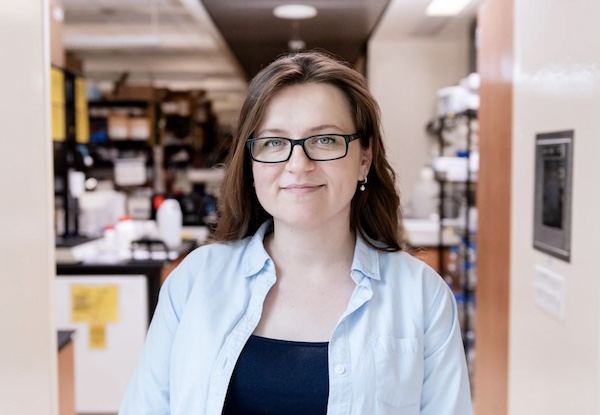 Yuliya Voskobiynyk, PhD
“When I mention I study how brain immune cells talk to neurons, the response is usually a polite nod or a surprised “Wait, aren’t those just for fighting infection?” That’s the twist. In the brain, these cells don’t just fight. They listen. They whisper. They respond. And sometimes, they ignite chaos. Their conversations with neurons could help us understand the brain and its diseases, including epilepsy and Alzheimer’s.”
Myung Jin Yang, PhD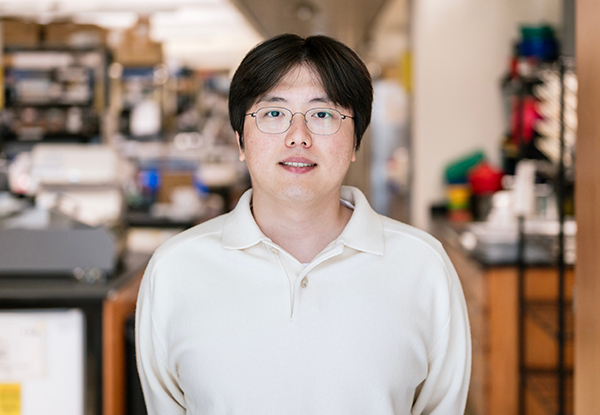
“When I first learned about the circulatory system, it was compared to a road traffic system. The analogy stayed with me—blood, serving as the courier, connects every part of our body to sustain life. Blood vessels are the roads, with large highways like arteries and veins narrowing into capillaries that reach every corner of the body.”
Up Next
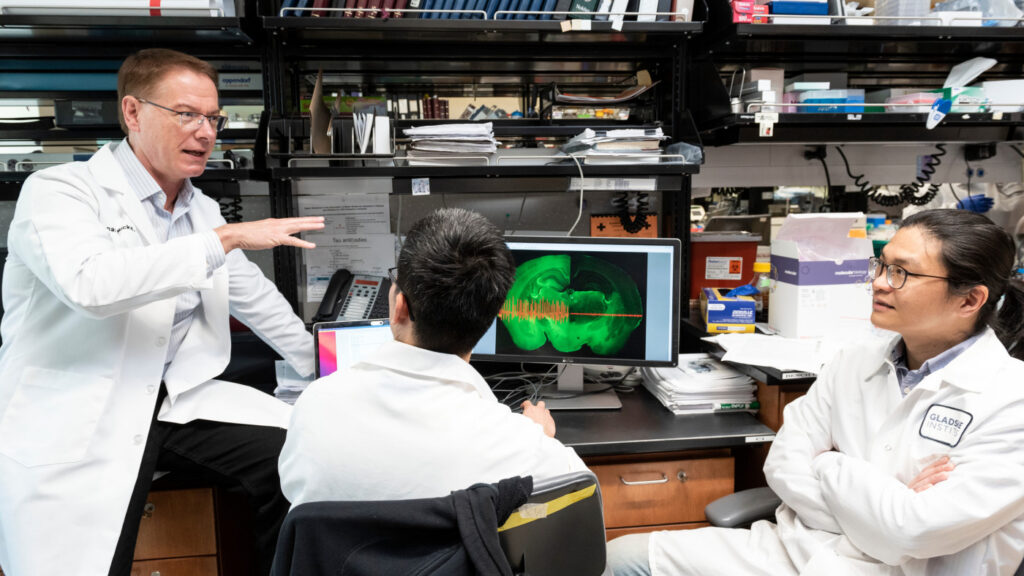
Turning the Tide on Tau: Q&A With Gladstone’s Lennart Mucke
Nearly 20 years after his landmark study uncovered novel roles of tau in Alzheimer’s disease, Gladstone's Lennart Mucke shares his perspective on new clinical data that could transform the future of brain health.
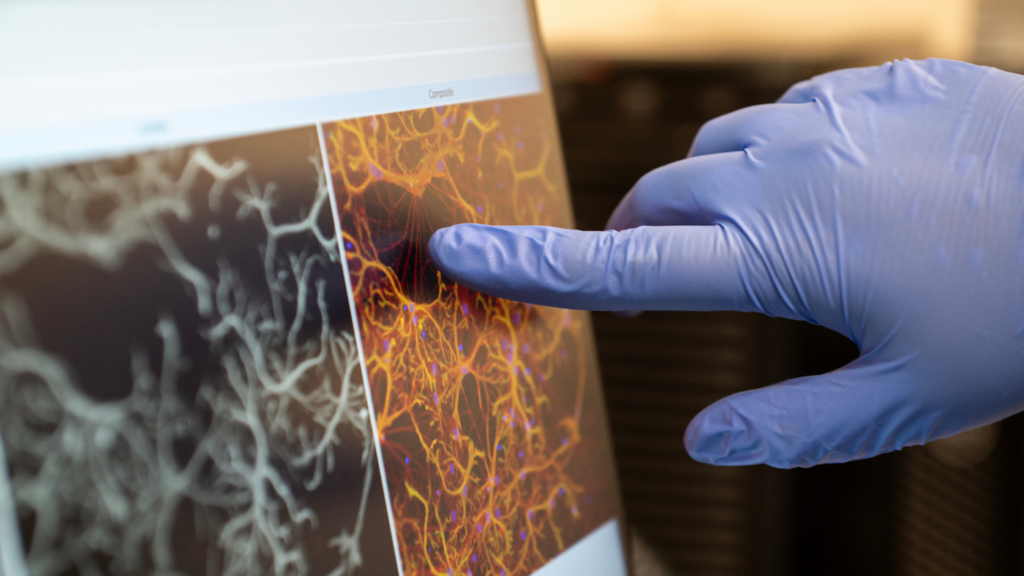
Inside the Brain: Tackling Neurological Disease at Its Roots
For World Brain Day, discover some of Gladstone’s latest breakthroughs in neurological research.
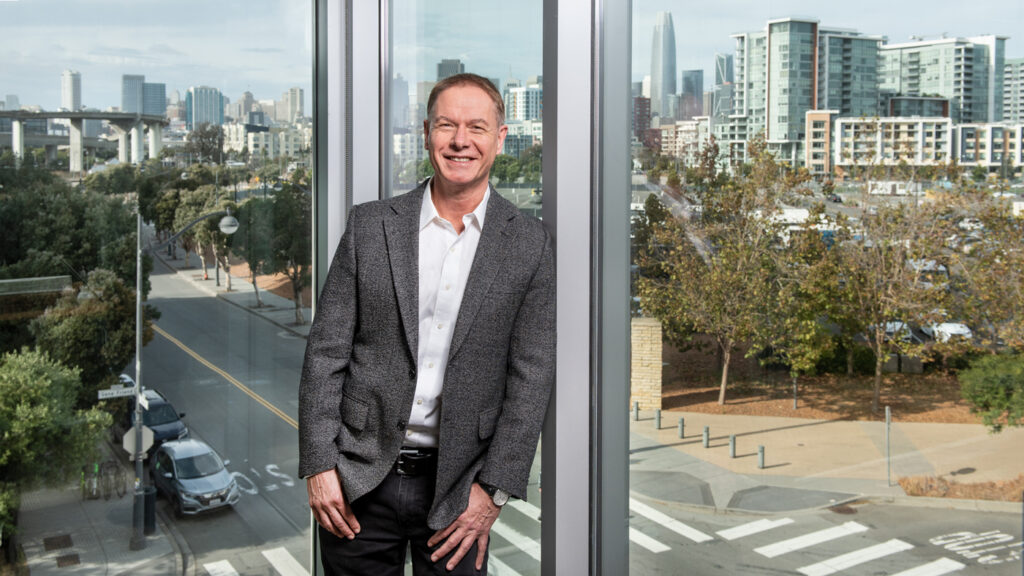
Hope for Alzheimer’s: A Conversation with Gladstone’s Lennart Mucke
Mucke, director of the Gladstone Institute of Neurological Disease, discusses what's next for Alzheimer’s research, the role of nonprofit research in developing new therapies, and why he's more hopeful than ever for a future where neurodegenerative diseases are fully treatable—and even preventable.
Zeroing in on a New Treatment for Autism and Epilepsy
Gladstone scientists show that reducing levels of the protein tau soon after birth can prevent these conditions in an experimental model

Get Involved
Join the Team
Our people are our most important asset. We offer a wide array of career opportunities both in our administrative offices and in our labs.
Open PositionsPartner With Us
Discoveries don’t stay in our labs. Gladstone facilitates spinout companies to advance promising therapies, shortening the path between scientific discovery and helping real patients.
Learn MoreGive
Your gift to Gladstone will allow our researchers to pursue high-quality science, focus on disease, and train the next generation of scientific thought leaders.
Donate Now