Combination of Two Cancer Drugs May Work Against Alzheimer’s
A new study has identified FDA-approved cancer drugs that reverse the gene expression signatures associated with Alzheimer’s.
There is no cure, but major scientific developments in recent years are changing the treatment outlook, with new approaches to slow disease progression and detect the disease earlier.
Today, Gladstone’s world-class scientists are combining deep expertise in disease biology, experimental modeling, AI, genetic editing, regenerative medicine, chemistry, and mathematics as they continue to march toward their goal of overcoming Alzheimer’s.
Alzheimer’s disease is a progressive brain disorder that gradually damages memory, thinking, and reasoning—interfering with daily life and independence. Although symptoms most often appear after age 60, the underlying changes are believed to begin decades earlier.
Though many risk factors exist, genetics in combination with aging seem to be the most important causal drivers. Rare mutations in genes involved in producing and clearing amyloid proteins can cause early-onset Alzheimer’s, while the E4 variant of the APOE gene increases risk for the most common form of late-onset Alzheimer’s disease.
In a departure from the field’s dominant focus on targeting amyloid plaques, Lennart Mucke, director of the Gladstone Institute of Neurological Disease, discovered that reducing levels of a brain protein tau could prevent memory deficits, network dysfunction and synaptic deficits in mouse models of Alzheimer’s disease. Decades later, this breakthrough transitioned into a tangible clinical benefit for patients when the pharmaceutical company Biogen advanced a tau-lowering drug called diranersen to clinical trials.
Alzheimer’s disease has no cure. But major scientific developments such as this are changing the treatment outlook, with new approaches helping slow disease progression and detect the disease earlier.
Lennart Mucke, director of the Gladstone Institute for Neurological Disease, shares his ultimate goal for Alzheimer’s research and the groundbreaking efforts being made to find a cure.
Recognizing that most cases of Alzheimer’s can’t be traced to a single cause, Gladstone set itself apart early on with its multi-pronged approach to studying the disease. For nearly two decades, our scientists have been at the forefront of this research field, investigating the complex and often surprising mechanisms underlying Alzheimer’s.
In the 1990s, Gladstone researchers were among the first to investigate the roles of APOE4 in Alzheimer’s. They also fundamentally shifted how the global scientific community understands Alzheimer’s by developing widely adopted disease models simulating the changes in the brain that trigger and and fuel the progression of cognitive decline.
Current research programs build on these foundations, targeting genetic risk factors, disease-causing proteins, blood-brain-barrier damage, neuronal network dysfunctions, and chronic inflammation.
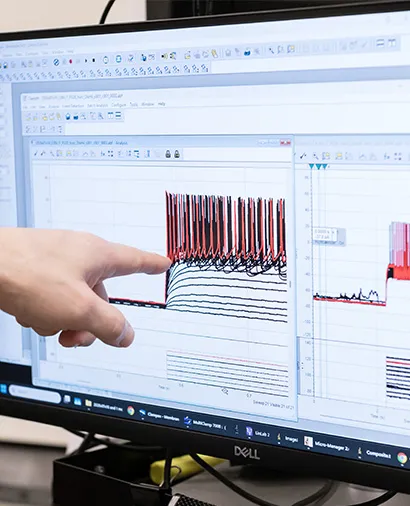
Yadong Huang and his collaborators are working to identify existing FDA-approved drugs that can block the effects of APOE4. They are also using “in silico” techniques to mine electronic health records for overlooked opportunities in Alzheimer’s treatment. Already, they identified one drug, bumetanide, that may prevent the disease in humans and is now in clinical testing for early Alzheimer’s. In addition, they found that a combination of two cancer drugs also shows promise against the disease.
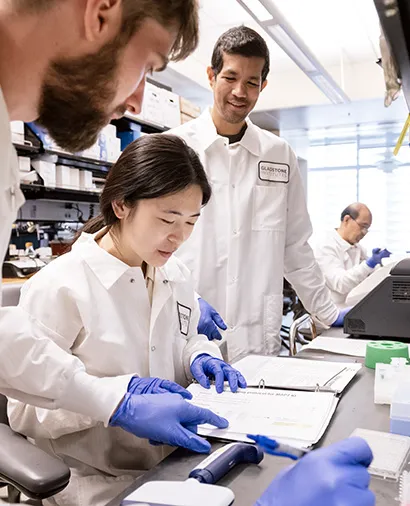
Pioneering insights from Lennart Mucke’s lab have opened entirely new pathways for protecting brain function long before symptoms advance. Today, their novel translational models and strategies are actively accelerating the pipeline from laboratory discovery to therapeutic development, offering new hope for millions affected by Alzheimer’s disease or other devastating neurological disorders worldwide.
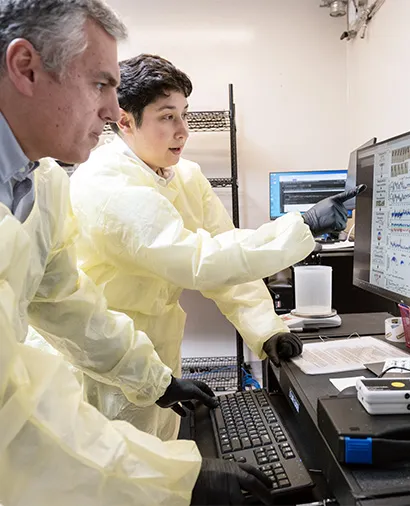
In the lab of Jorge Palop, scientists pioneered an AI-based machine-learning tool to pinpoint otherwise-undetectable signs of early disease behavior in mice that were engineered to mimic key aspects of Alzheimer’s.
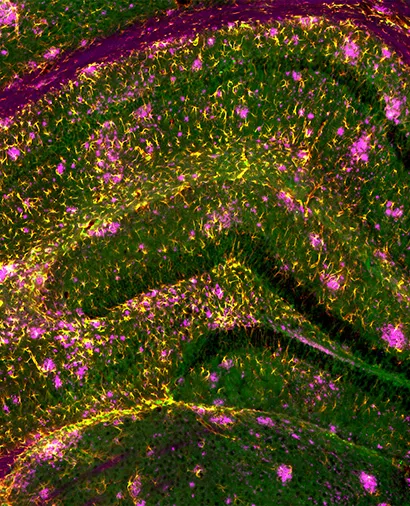
Lennart Mucke and his colleagues at Gladstone and UCSF demonstrated that hard-to-detect, non-convulsive epileptic activity is a key feature of Alzheimer’s disease and may promote cognitive decline. They’ve demonstrated that tau-lowering drugs and certain anti-epileptic medicines can suppress brain network hyperexcitability in models of Alzheimer’s, epilepsy, and autism, leading to cognitive and behavioral benefits.
The interface between brain and blood, known as the blood-brain barrier, is more nuanced than its name suggests. It’s a boundary teeming with activity as proteins and immune cells pass to and from the brain. Andrew Yang, and his lab develop technologies to study these dynamic processes at the molecular level. By decoding how signals pass between the brain and periphery, their research is revealing key mechanisms that could promote neurodegenerative diseases such as Alzheimer’s and inform new drug delivery strategies.
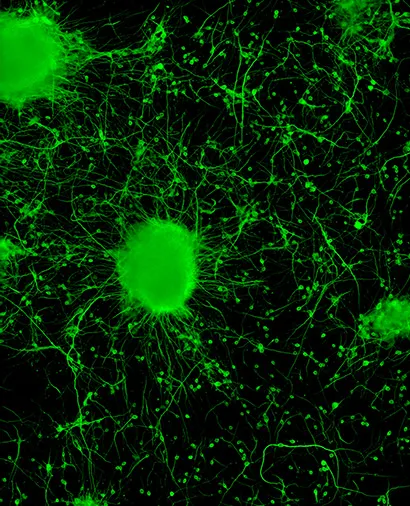
Steven Finkbeiner’s team investigates how brain cells learn and remember, and what causes them to malfunction or die in disease—including Alzheimer’s, Parkinson’s, ALS, Huntington’s, autism, and schizophrenia.
The group also invented the “thinking microscope,” which designs and performs its own experiments faster and more affordably than traditional methods. The first of its kind, the AI-powered microscope has attracted collaborations with Google’s DeepMind, Microsoft Research, OpenAI, and more.
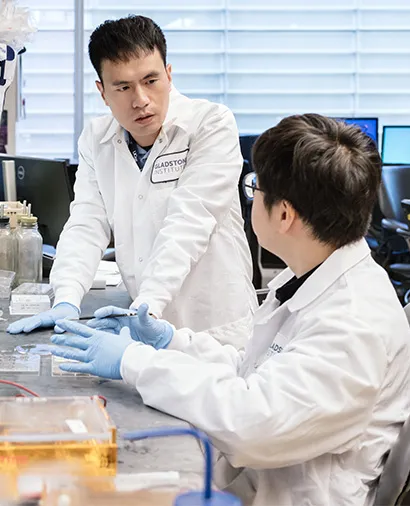
Ken Nakamura studies how dysfunction of mitochondria, which provide cells with the energy they need to function and survive, contributes to neurodegeneration, including Alzheimer’s disease. His work has shown that energy failure at nerve terminals can directly impair neuronal function and survival.
He also discovered that proper mitochondrial division is essential to maintain energy supply in neurons. By understanding how brain cells lose their energy balance, his research aims to identify therapies to restore mitochondrial function and protect neurons from degeneration, offering a fundamentally different strategy for slowing and preventing disease progression.
Ryan Corces studies the genomes of individuals with Alzheimer’s to identify which genes are contributing to the disease. By mixing genomics, computational biology, and artificial intelligence, his team is sifting through millions of genetic changes to predict which are most likely contributing to disease. Using iPSC-derived models, his lab is testing how these mutations affect cell functions in order to nominate genes that could serve as prime targets for future therapies.
Jeanne Paz conducts fundamental neuroscience research to investigate how the thalamocortical system—the brain’s central hub for regulating sensory processing, attention, cognition, and sleep—misfires in Alzheimer’s and related dementias. Using optogenetics and brain-wide mapping of electrical activity, her lab identifies critical “hot spots” where abnormal neural oscillations originate and disrupt communication between subcortical structures and the cortex. Her team focuses on how the immune system hijacks the thalamocortical sleep generator circuit to cause epileptic-like discharges and disrupt sleep.
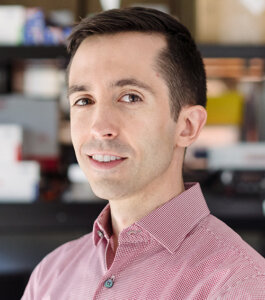
Ryan Corces, PhD
Assistant Investigator
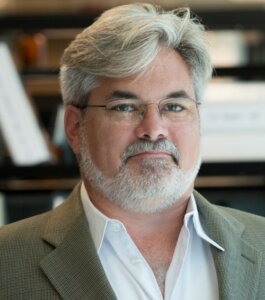
Steve Finkbeiner, MD, PhD
Senior Investigator and Director, Gladstone Center for Systems and Therapeutics

Yadong Huang, MD, PhD
Senior Investigator and Associate Director, Gladstone Institute of Neurological Disease
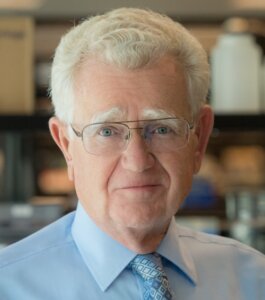
Robert Mahley, MD, PhD
President Emeritus and Senior Investigator
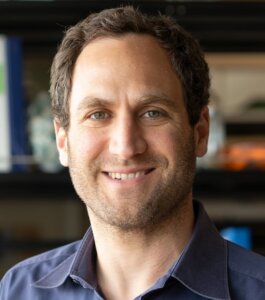
Alex Marson, MD, PhD
Senior Investigator and Director, Gladstone-UCSF Institute of Genomic Immunology
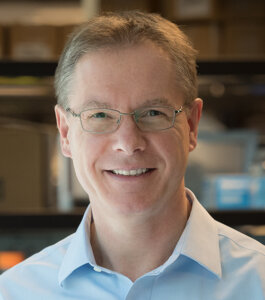
Lennart Mucke, MD
Senior Investigator and Director, Gladstone Institute of Neurological Disease

Ken Nakamura, MD, PhD
Senior Investigator
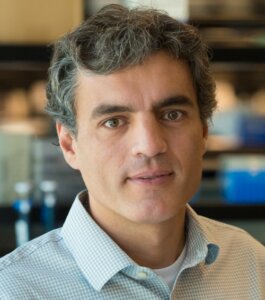
Jorge Palop, PhD
Associate Investigator
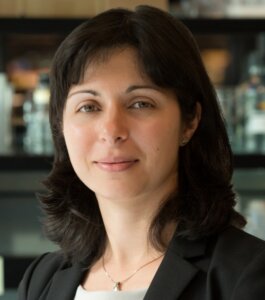
Jeanne Paz, PhD
Senior Investigator
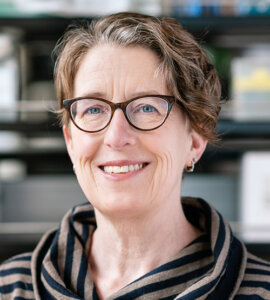
Katie Pollard, PhD
Senior Investigator and Director, Gladstone Institute of Data Science and Biotechnology

Andrew Yang, PhD
Assistant Investigator
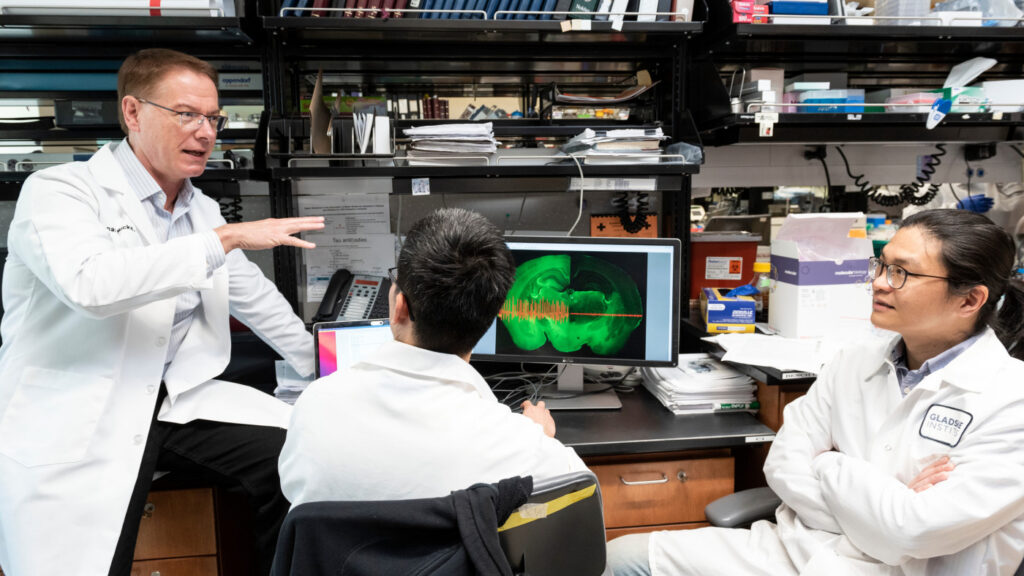
Nearly 20 years after his landmark study uncovered novel roles of tau in Alzheimer’s disease, Gladstone's Lennart Mucke shares his perspective on new clinical data that could transform the future of brain health.
Gladstone scientists have developed a thinking microscope that can conduct its own experiments, with the ultimate goal of treating neurodegenerative diseases.
The prize honors scientists whose breakthroughs in brain research have high potential for patient impact.
Gladstone scientists developed a new tool to trace how the brain clears “waste,” uncovering surprising new biology about how it keeps itself healthy.

Our people are our most important asset. We offer a wide array of career opportunities both in our administrative offices and in our labs.
Open PositionsDiscoveries don’t stay in our labs. Gladstone facilitates spinout companies to advance promising therapies, shortening the path between scientific discovery and helping real patients.
Learn MoreYour gift to Gladstone will allow our researchers to pursue high-quality science, focus on disease, and train the next generation of scientific thought leaders.
Donate Now