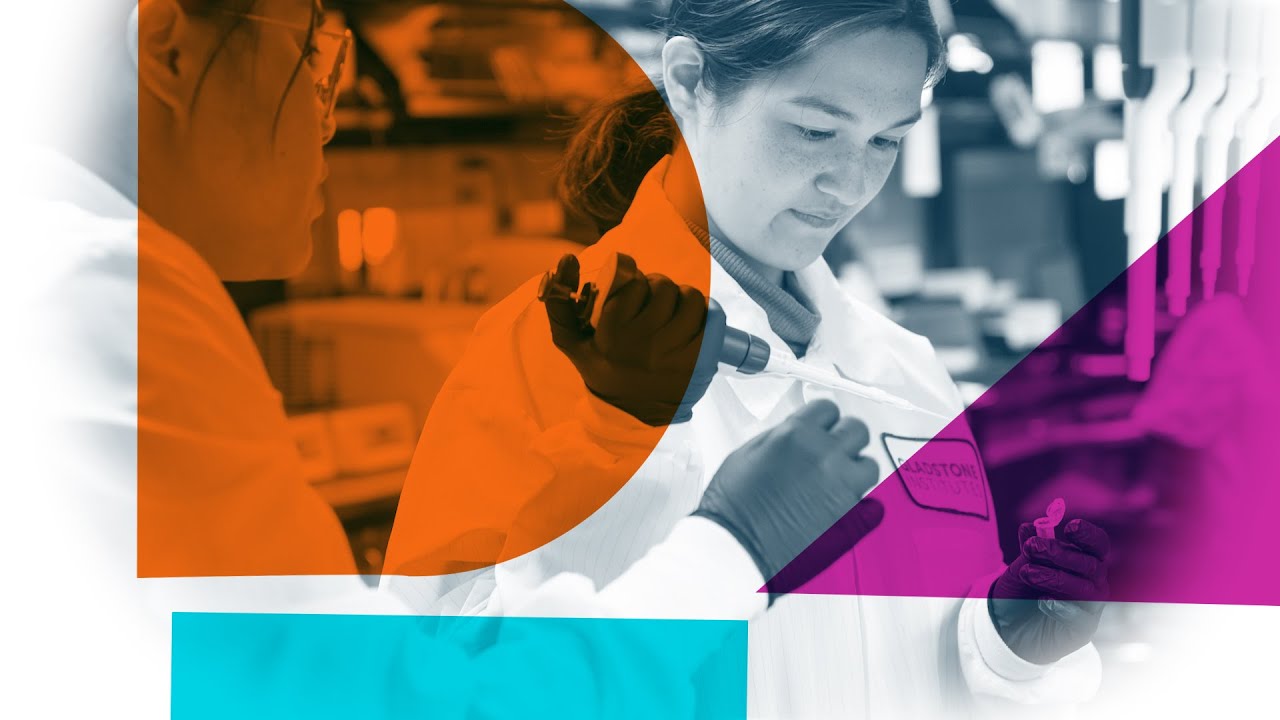

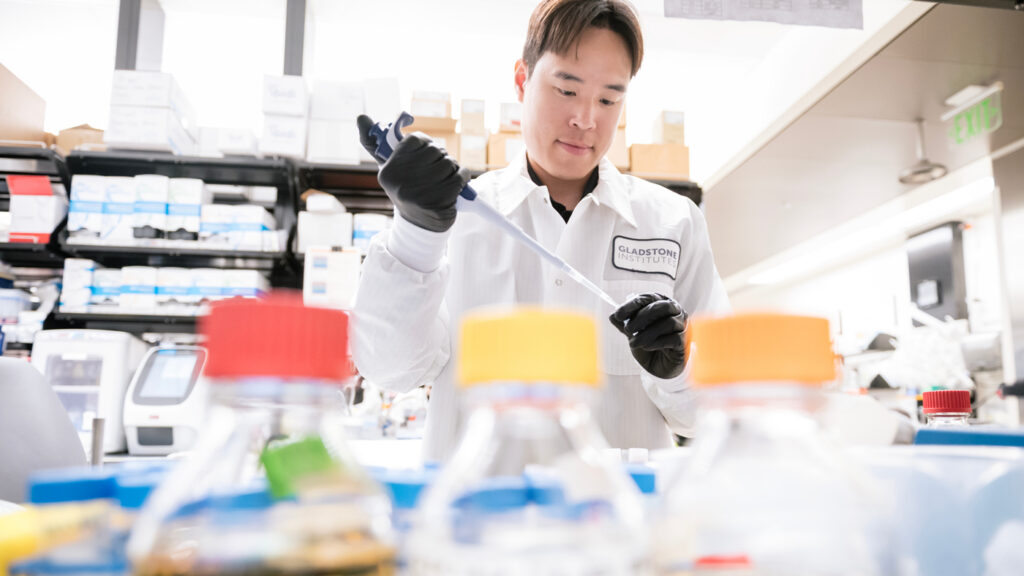
Novel Biosensor Uses DNA ‘Barcodes’ to Uncover Disease Signals in Cells
Inspired by bacterial biology, the Gladstone-developed “Detectron” opens up new possibilities for disease research and potentially treatments.
The PUMAS program, established in 2014, is funded by the National Heart, Lung, and Blood Institute of the National Institutes of Health. The principal investigators of the grant are Melanie Ott, MD, PhD, Senior Investigator and Director of the Gladstone Infectious Disease Institute, and Sudha Krishnamurthy, BDS, PhD, Senior Director, Research Training and Professional Development.

To be eligible, you must:
In-state candidates are preferred and prior PUMAS interns are encouraged to apply.
PUMAS Summer Internship Program application is now closed.
of alumni are pursuing or working in STEM or health fields
increase in STEM contacts
Interns reported a stronger scientist identity, greater confidence, and improved career readiness
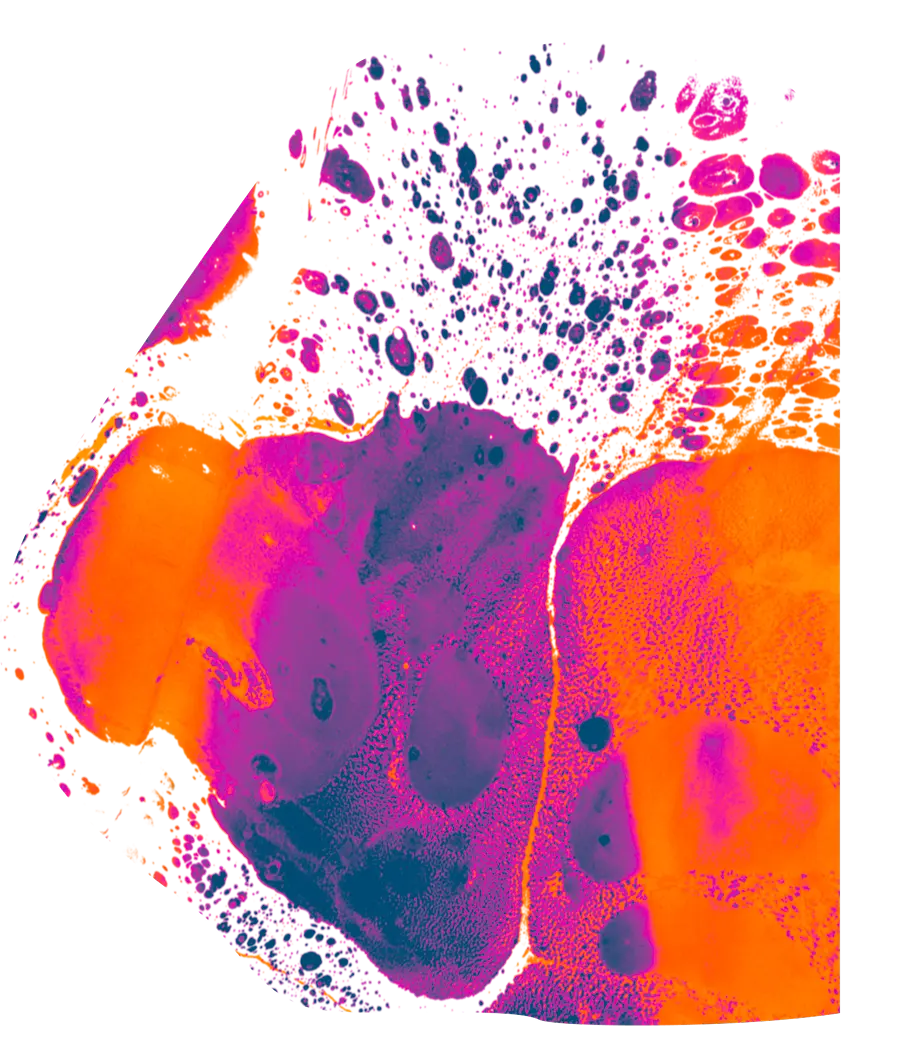

Ayush Midha, a graduate student in the Jain Lab, studies how the body's metabolism adapts to low oxygen—work that's uncovered backup energy pathways, potential fertility treatments, and a link between oxygen levels and tumor growth.
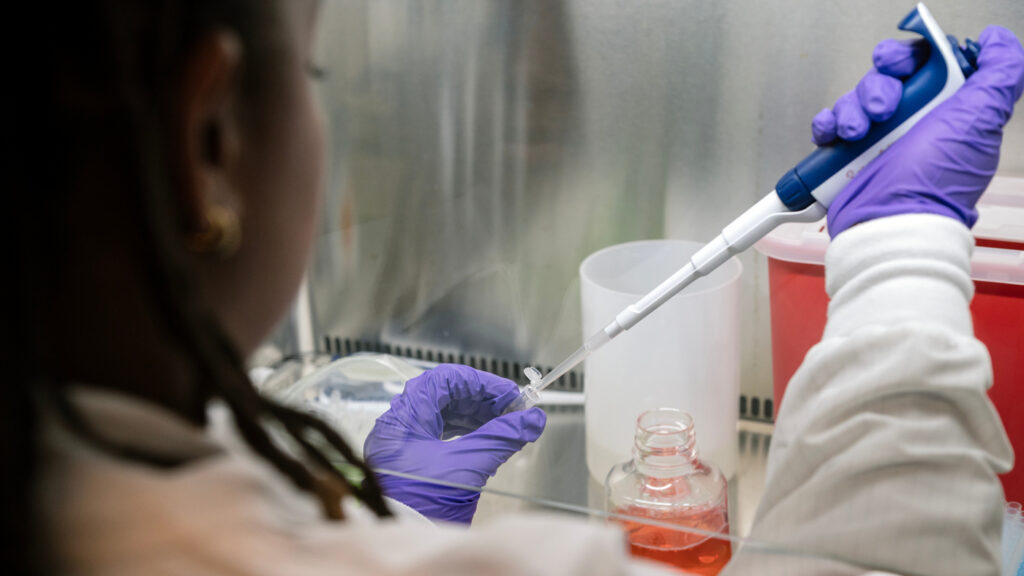
A new discovery reveals how a SARS-CoV-2 protein reprograms immune cells to accelerate viral spread—and points to a new strategy for therapeutic intervention.
The fellowship provides three years of funding for graduate students pursuing groundbreaking immunology research.

Takahashi is recognized for his pioneering work translating iPS cell technology into a clinically approved therapy for Parkinson’s disease.