
In Alzheimer’s Disease, the Brain’s Pacemaker Cells Lose Their Beat
Research in mice reveals how critical brain cells misfire in Alzheimer’s and identifies a targeted strategy to restore healthy brain rhythms.
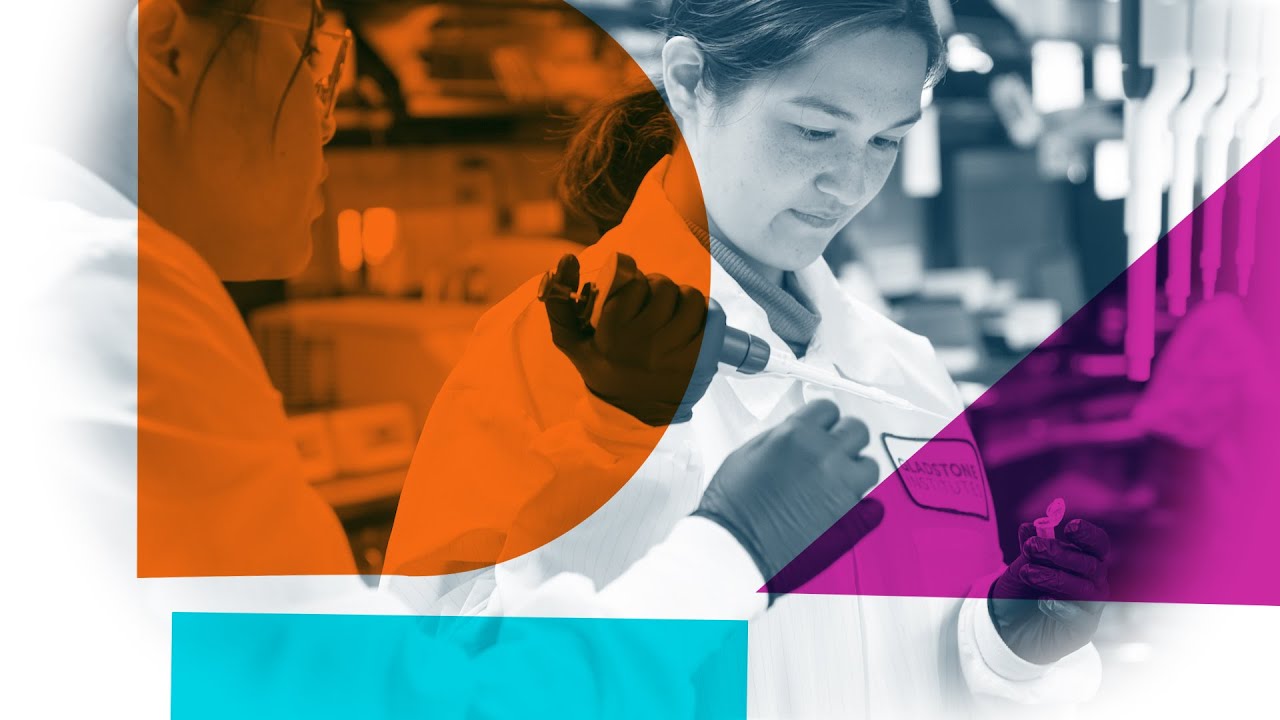
The PUMAS program, established in 2014, is funded by the National Heart, Lung, and Blood Institute of the National Institutes of Health. The principal investigators of the grant are Melanie Ott, MD, PhD, Senior Investigator and Director of the Gladstone Infectious Disease Institute, and Sudha Krishnamurthy, BDS, PhD, Senior Director, Research Training and Professional Development.

To be eligible, you must:
In-state candidates are preferred and prior PUMAS interns are encouraged to apply.
PUMAS Summer Internship Program application is now closed.
of alumni are pursuing or working in STEM or health fields
increase in STEM contacts
Interns reported a stronger scientist identity, greater confidence, and improved career readiness
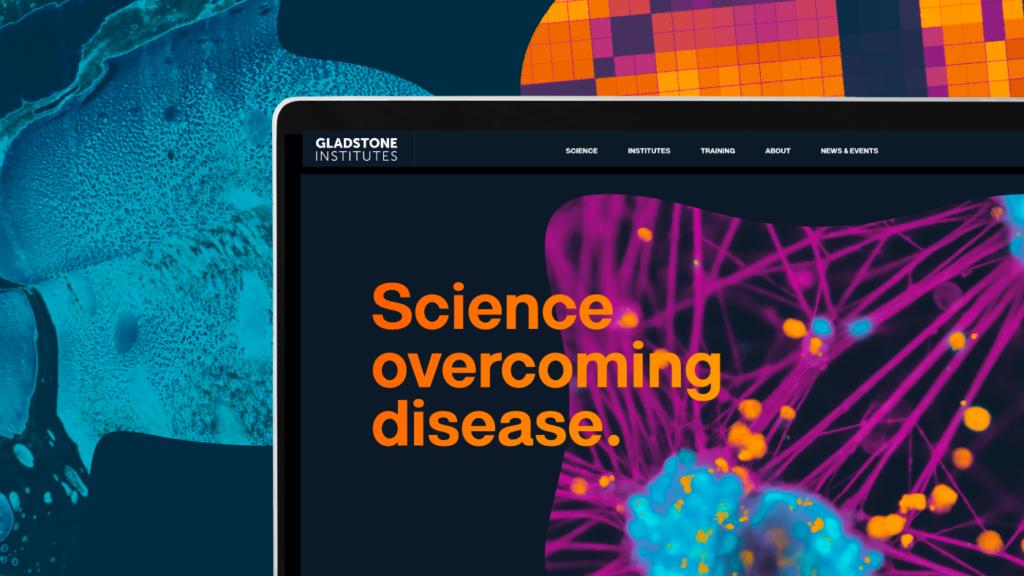
Discover disease research, explore the latest scientific news, and connect with experts through Gladstone’s enriched digital platform.
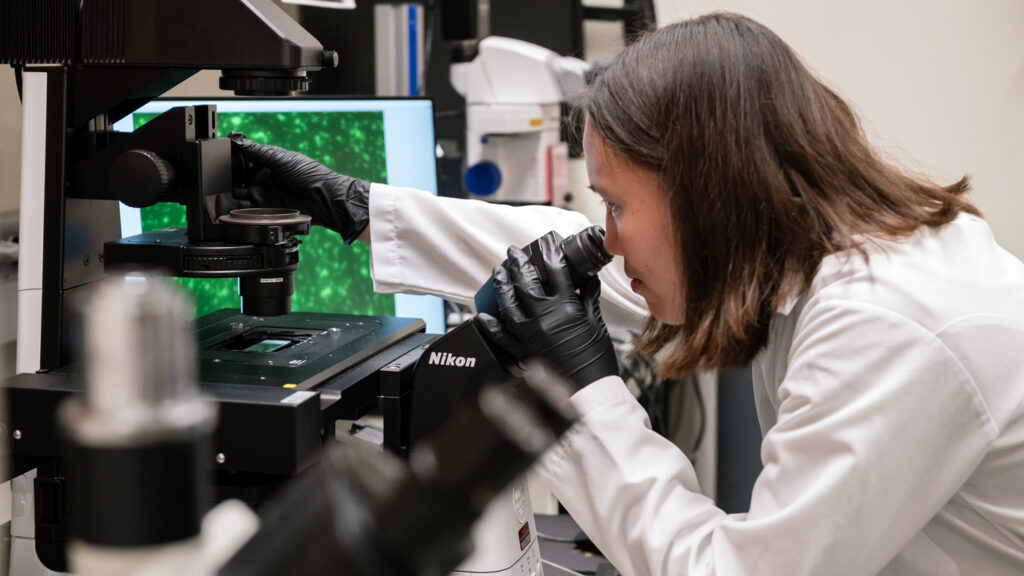
The complex Rube Goldberg-like molecular machinery could inspire novel technology to study and treat disease.
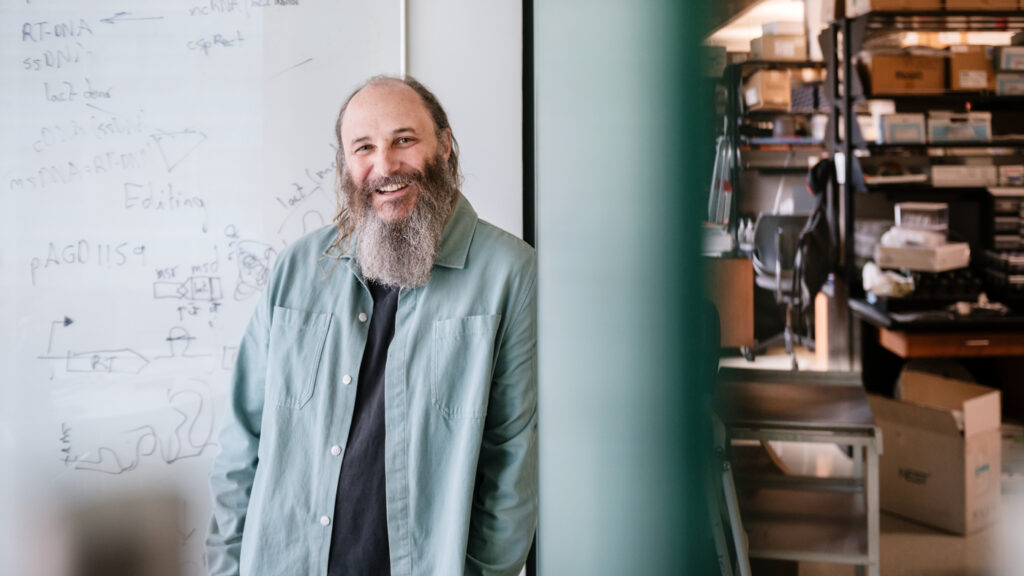
Shipman is recognized for pioneering molecular technologies that record cellular activity, expand genome editing, and target antibiotic-resistant superbugs.
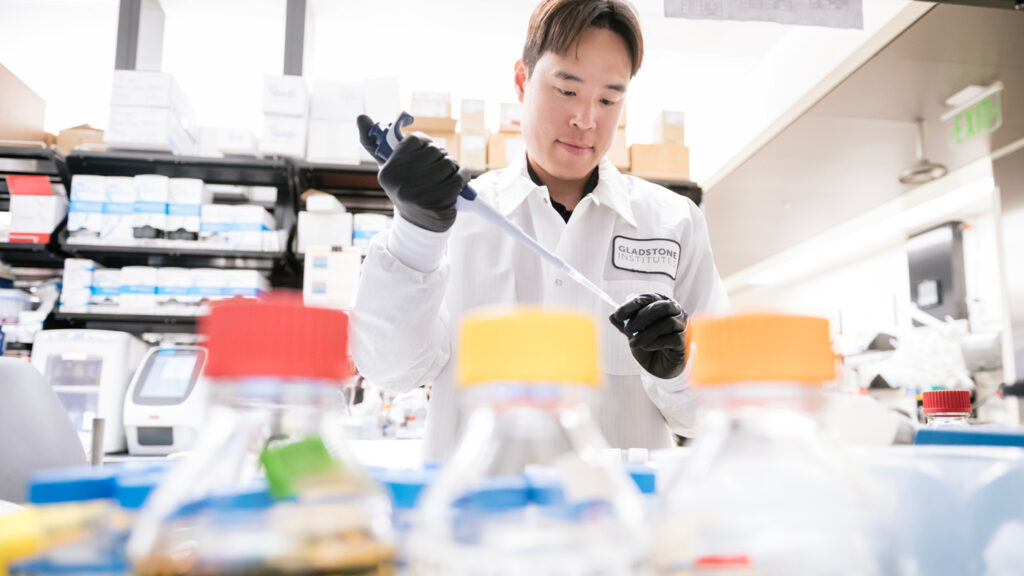
Inspired by bacterial biology, the Gladstone-developed “Detectron” opens up new possibilities for disease research and potentially treatments.
