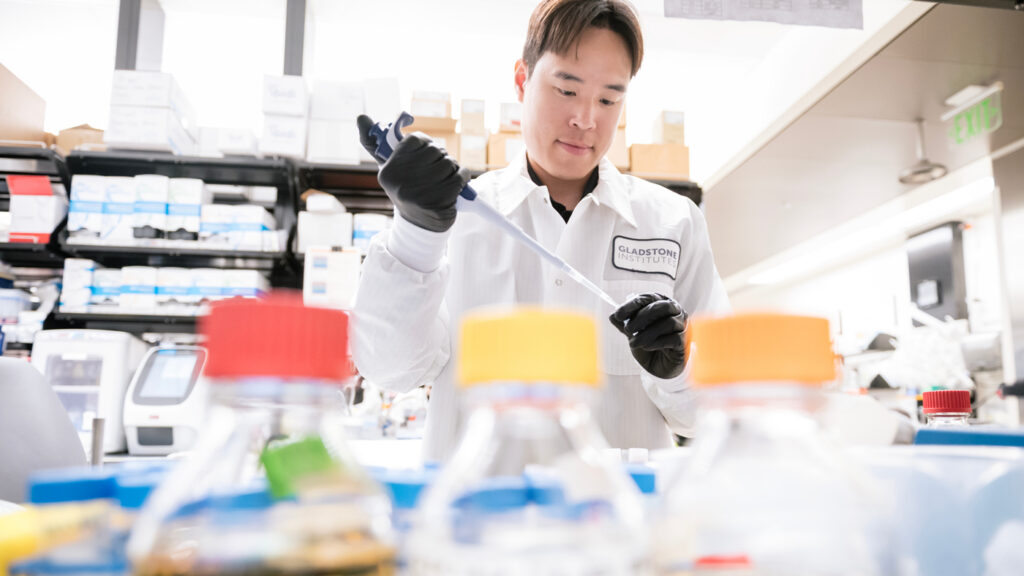
Novel Biosensor Uses DNA ‘Barcodes’ to Uncover Disease Signals in Cells
Inspired by bacterial biology, the Gladstone-developed “Detectron” opens up new possibilities for disease research and potentially treatments.
Together with colleagues in clinical programs, we are investigating the relation between impairments in patients with brain disorders and in rodent models simulating these conditions. These studies aim to promote the development of suitable tests and novel treatment strategies to improve cognition and other neural functions in patients suffering from devastating diseases of the nervous system.
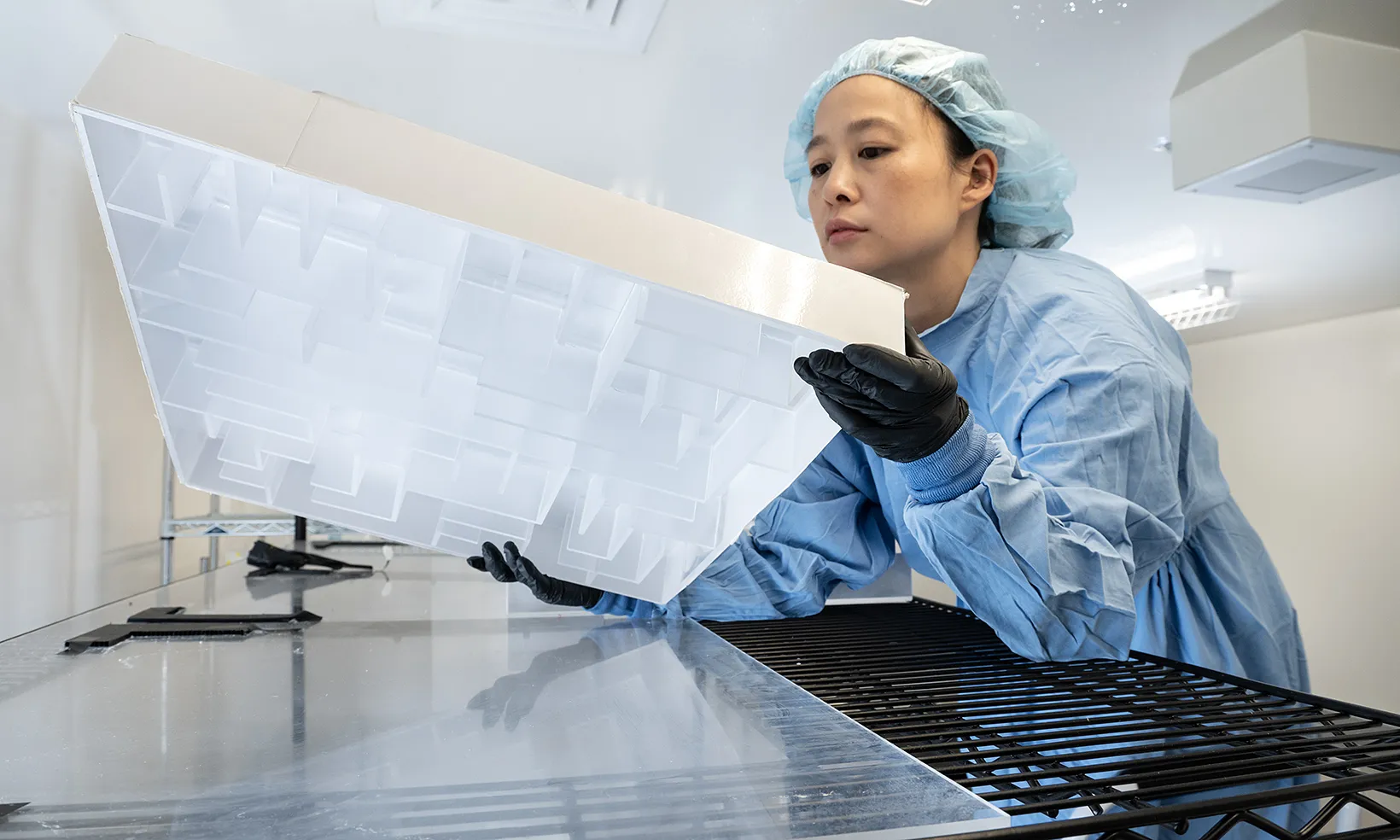
As a part of Gladstone, an independent nonprofit entity, the Behavioral Core offers prices that are lower than market and compare favorably with other service providers in the Bay Area. Recharge rates are based on the cost of services rendered.
For more information, contact Jeff Simms.
Projects are scheduled through iLab. Contact Jeff Simms to register for iLab.
Once a project is submitted, the core management team will schedule the desired assessments.
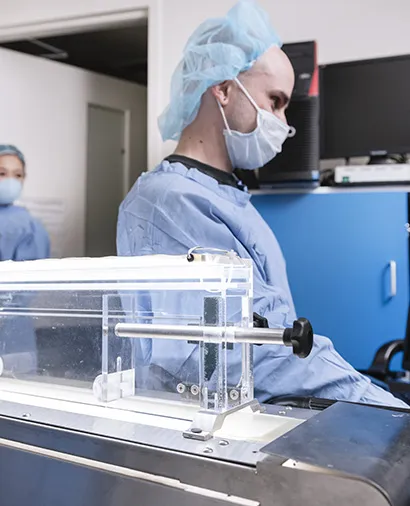
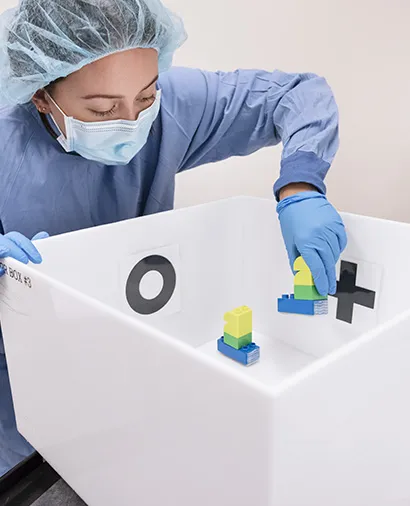
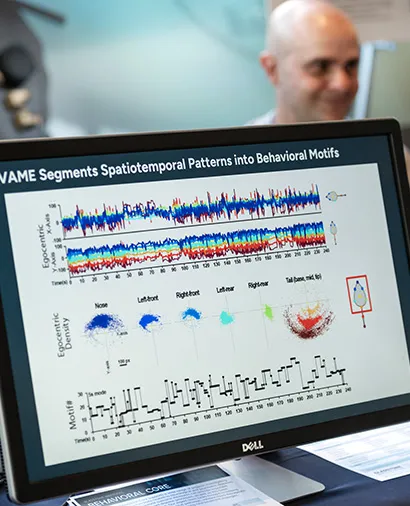
We offer nearly 70 different assessments covering diverse behavioral domains, including sensorimotor functions, emotional and social behaviors, and cognitive functions such as learning and memory.
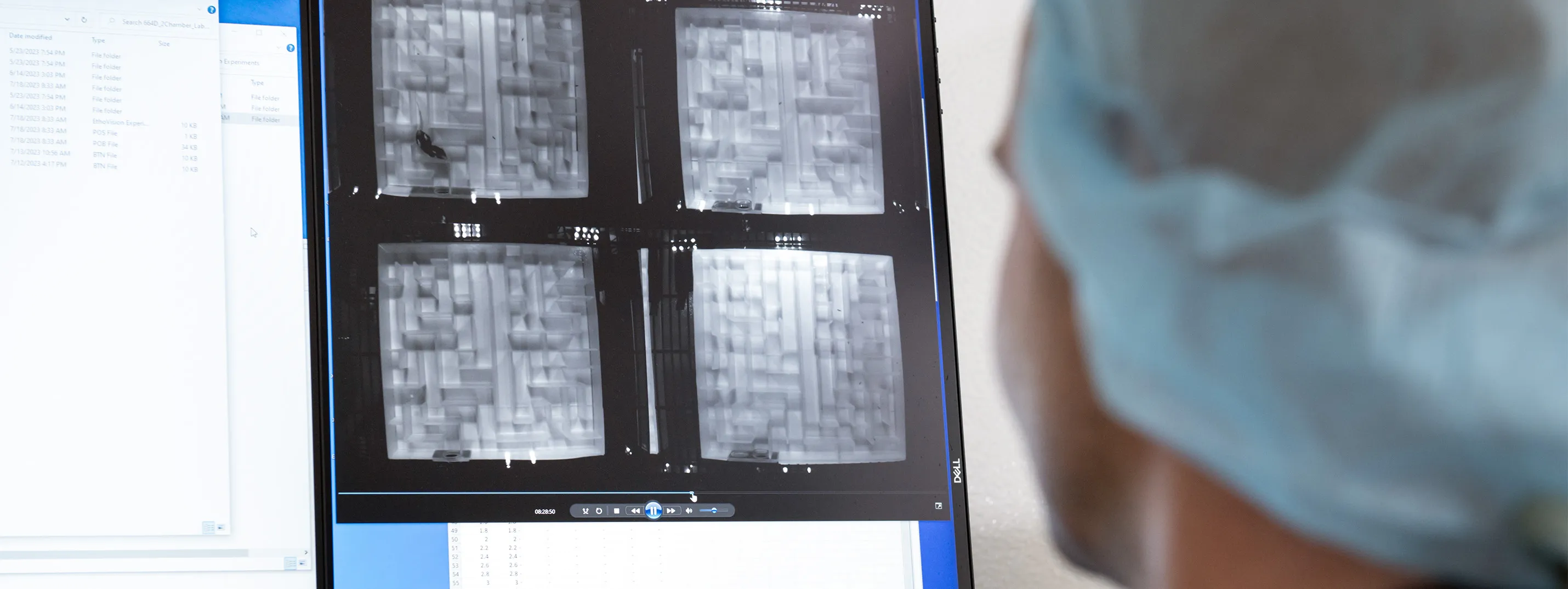
Yes. The earlier we can meet with our users, the better. We find that when we’re involved in the early planning stages, we can help design studies that produce more robust and reproducible outcomes.
Projects can be initiated through iLab. Contact Jeff Simms to register for iLab and receive detailed instruction on project submission.
The core provides a complete service package, including data compilation and analysis. The data package is designed to be ready for publication and we provide support throughout the publication process.
We often work with researchers to adapt existing protocols or create novel paradigms to best answer individual research questions. These are often the most exciting and interesting projects for our team.
Li H, Guglielmetti C, Sei YJ, et al. (2023) Cell Reports. Apr 6;42(4):112335. doi: 10.1016/j.celrep.2023.112335.
Cho FS, Vainchtein ID, Voskobiynyk Y, et al. (2022) Sci Transl Med. Jul 6;14(652):eabj4310. doi: 10.1126/scitranslmed.abj4310.
Lin King YH, Chen C, Lin King JV, et al. (2022) PNAS. May 31;119(22):e2118240119. doi: 10.1073/pnas.2118240119.
Nguyen MK, McAvoy K, Liao SC, et al. (2022) Hum Mol Genet. May 4;31(9):1500-1518. doi: 10.1093/hmg/ddab329.
Shao E, Chang CW, Li Z et al. (2022) Sci Transl Med. Apr 27, 14(642) doi: 10.1126/scitranslmed.abm5527
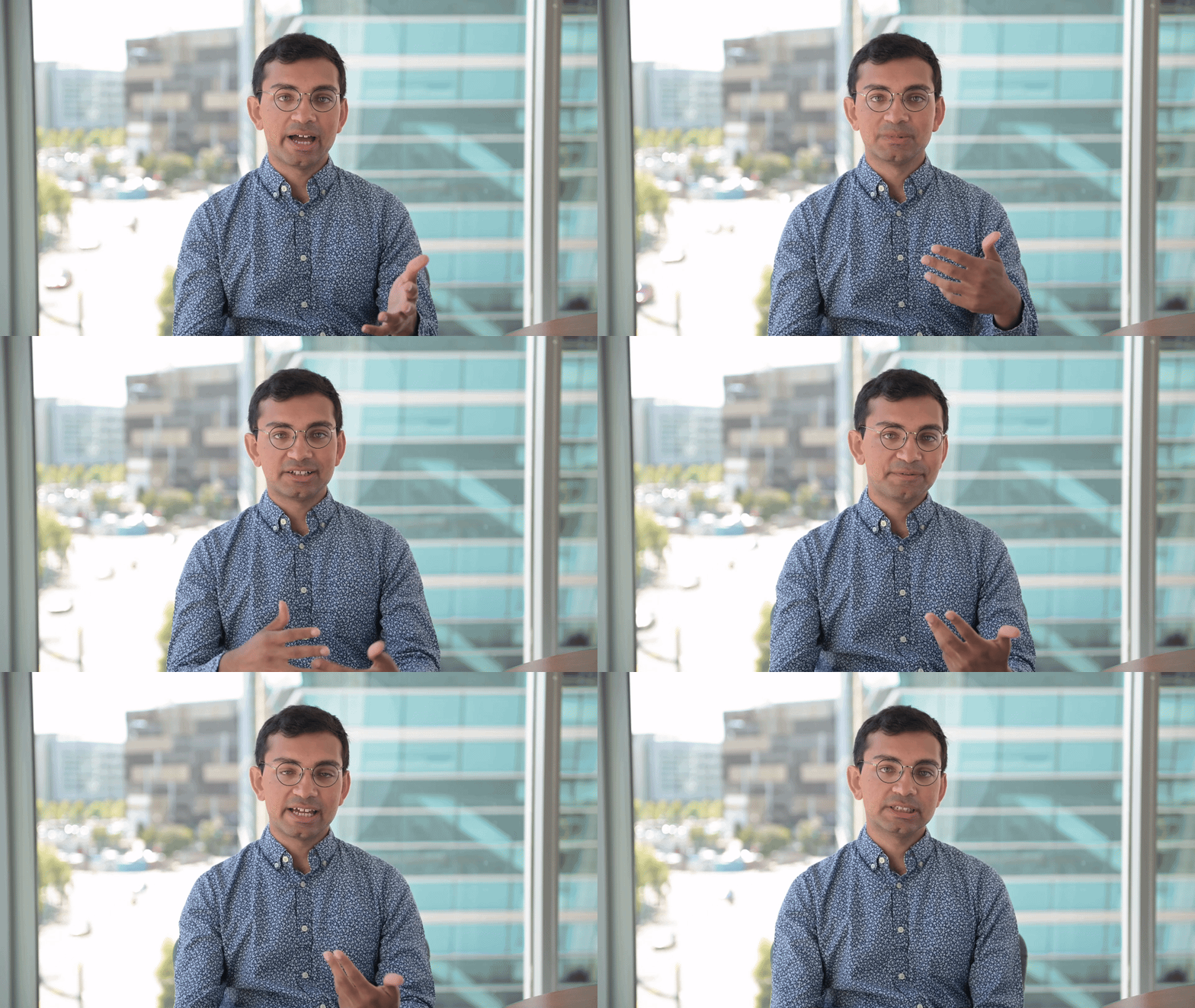
Ayush Midha, a graduate student in the Jain Lab, studies how the body's metabolism adapts to low oxygen—work that's uncovered backup energy pathways, potential fertility treatments, and a link between oxygen levels and tumor growth.
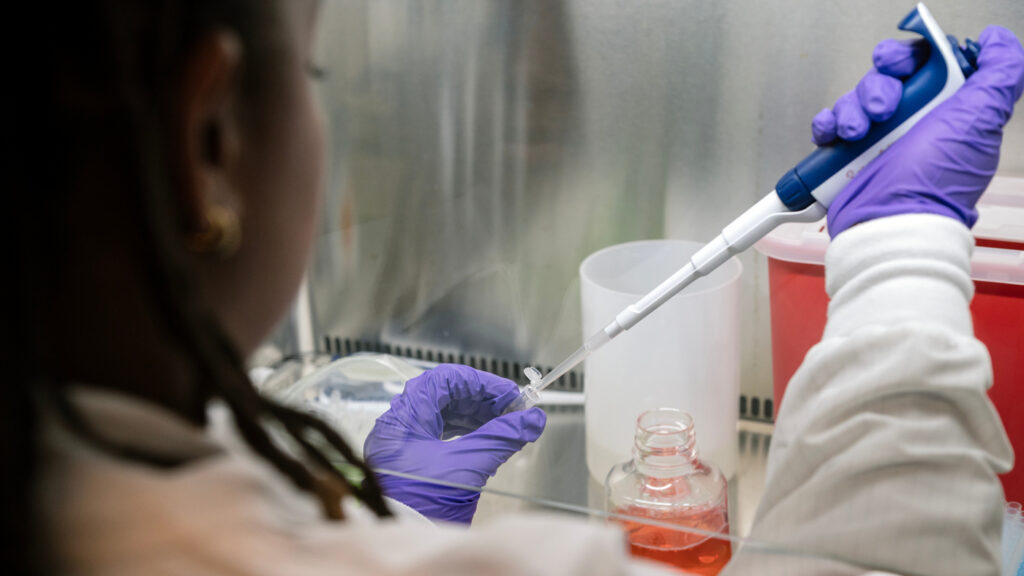
A new discovery reveals how a SARS-CoV-2 protein reprograms immune cells to accelerate viral spread—and points to a new strategy for therapeutic intervention.
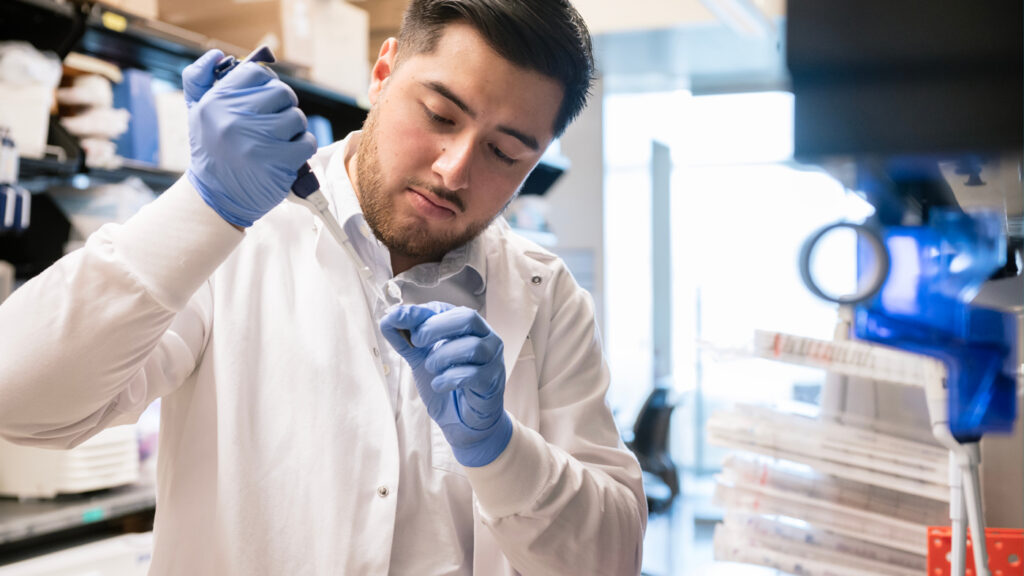
The fellowship provides three years of funding for graduate students pursuing groundbreaking immunology research.
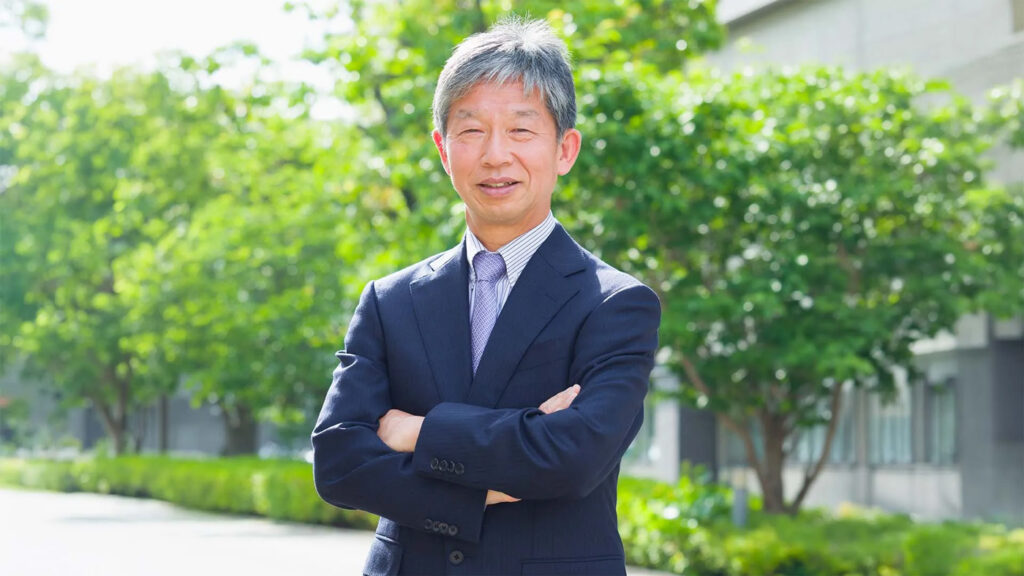
Takahashi is recognized for his pioneering work translating iPS cell technology into a clinically approved therapy for Parkinson’s disease.
Our people are our most important asset. We offer a wide array of career opportunities both in our administrative offices and in our labs.
Open PositionsDiscoveries don’t stay in our labs. Gladstone facilitates spinout companies to advance promising therapies, shortening the path between scientific discovery and helping real patients.
Learn MoreYour gift to Gladstone will allow our researchers to pursue high-quality science, focus on disease, and train the next generation of scientific thought leaders.
Donate Now