How AI Is Accelerating Life-Saving Discovery
Gladstone scientists are developing new AI tools that promise to revolutionize how science is done and lead to new treatments for the most devastating diseases.
Artificial intelligence (AI) gives scientists powerful new ways to make sense of this complexity. By recognizing patterns, making predictions, and helping researchers decide which experiments to pursue, AI is dramatically accelerating the pace of discovery—revealing hidden causes of disease and pointing to new ways to prevent, diagnose, and treat some of the world’s most devastating diseases.
At Gladstone, a leader in this fast-moving field, our scientists aren’t simply using artificial intelligence in their work—they’re creating some of the world’s most advanced AI models in biomedical research. Their platforms promise to revolutionize how science is done.
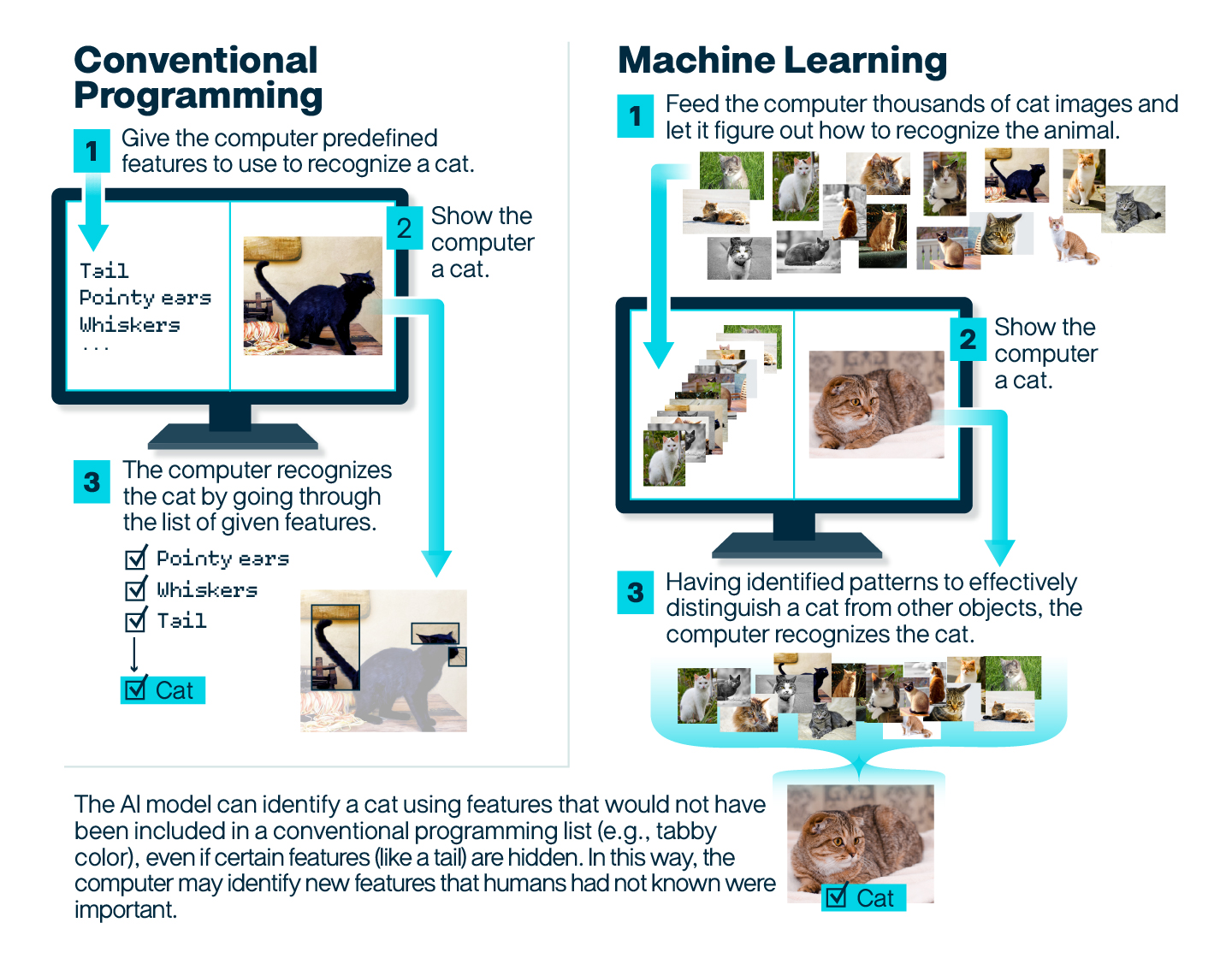
AI is essentially any effort to have a machine mimic human intelligence. The most common form of AI used by Gladstone scientists falls within a category called machine learning, in which computers learn from data, without being programmed with a set of predetermined rules.
For instance, to teach a machine to recognize cats in photos, the conventional approach might involve giving it a detailed list of cat features (pointy ears, whiskers, tail), whereas with machine learning, you would show it thousands of photos of cats. The machine learning model would then learn to recognize the animal on its own from patterns in the examples, by homing in on the minimal number of features required to distinguish a cat from other objects.
At Gladstone, scientists use and develop many forms of AI, including models that learn the language of DNA or gene activity, and others that interpret images or complex datasets containing information from millions of cells. They are creating AI systems that can predict the outcome of experiments before they happen—and even systems that can design and conduct experiments themselves. These models are built purposefully for biology, often trained on specialized experimental data generated by Gladstone scientists themselves.
At Gladstone, AI has become integrated into the scientific process itself. While some researchers are using it in their work across disease areas, others are developing new AI tools when existing approaches can’t answer their biological questions.
Computational scientists who develop AI models are working closely with researchers who conduct experiments on living cells. By creating a cycle in which AI makes predictions, they are validated in the lab, and the resulting data is used to make the models better, the researchers are allowing both the experiments and the AI to advance faster.
Of the millions of genetic differences between people, only a small fraction contribute to disease—but identifying the important ones is extraordinarily difficult. Katie Pollard’s team is developing AI models that predict which DNA changes are most likely to alter cell function. She collaborates with the labs of Seth Shipman, who can make thousands of DNA edits simultaneously, and Vijay Ramani, whose technologies measure the effects of the edits. Together, they are creating an iterative system designed to eventually help scientists interpret a person’s genome and identify opportunities for prevention or treatment.
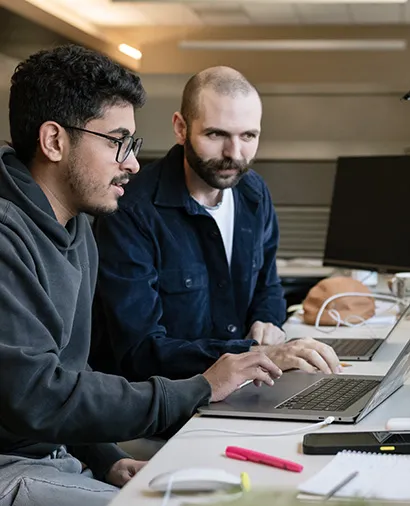
Christina Theodoris develops foundation models that learn how genes work together across millions of individual cells. Her first model, Geneformer, can predict how changing the activity of a gene will affect a cell and has already revealed potential drug targets for heart disease. Her lab is also developing models such as MaxToki to study how cells change throughout aging. Rather than testing an astronomical number of gene combinations in the laboratory, these models allow scientists to perform experiments virtually, prioritize the most promising ideas, and uncover biological relationships they may not otherwise have considered.
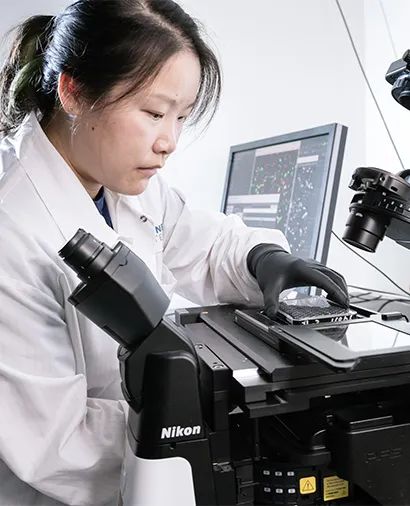
Steve Finkbeiner’s lab has invented a thinking microscope that combines robotics with reinforcement learning. Given a goal—such as making a diseased neuron behave more like a healthy one—the microscope can design experiments, manipulate individual cells, observe what happens, learn from the results, and choose what experiment to perform next. Thousands of experiments can happen simultaneously. The team aims to use this autonomous system to better understand the cause of neurodegenerative diseases like Alzheimer’s disease, Parkinson’s disease, and ALS.
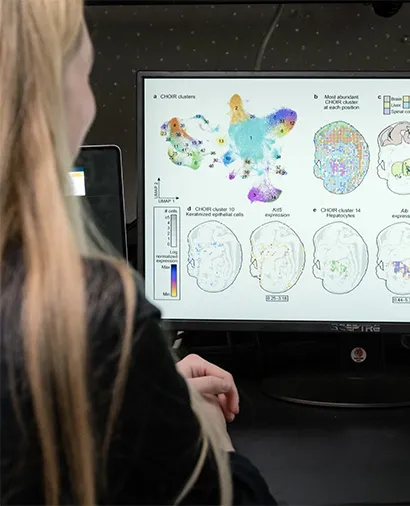
Many families experience Alzheimer’s disease across generations without knowing what genetic changes are driving their risk. Ryan Corces and his team are using AI to search across millions of possible genetic changes and narrow them to a manageable set that scientists can test experimentally. The goal is to uncover previously unknown causes of Alzheimer’s and other neurodegenerative diseases, help identify new therapeutic targets, and eventually provide families with clearer information about the biology underlying their disease.
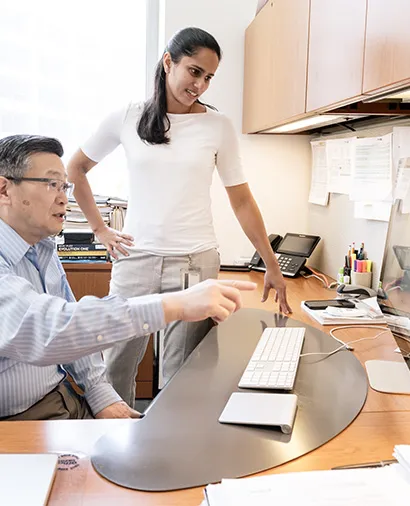
Yadong Huang’s lab is adapting Geneformer to build AI models specifically focused on Alzheimer’s disease. By training models on large collections of human and mouse single-cell data, the team aims to identify the relatively small number of gene changes that actually drive disease progression. Huang’s group is also developing what he calls “virtual pharmacology:” an AI model trained on experimental data showing how thousands of compounds affect human brain cells. Their goal is to identify existing drugs that could reverse disease-related changes and accelerate the path toward promising treatments for Alzheimer’s.
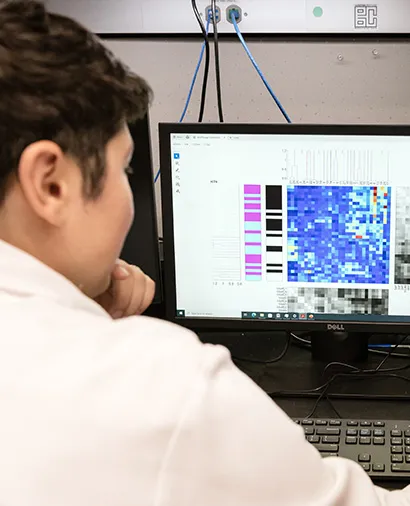
The earliest effects of Alzheimer’s can begin long before obvious memory problems appear. Jorge Palop’s team used a deep-learning tool to analyze videos of mice and identify subtle patterns of spontaneous behavior that conventional tests could miss. The model detected increasingly disorganized behavior as disease progressed, providing researchers with a more sensitive way to measure early brain dysfunction. Similar approaches could eventually help researchers analyze behavior in people using ordinary video, potentially offering new ways to detect neurological disease earlier and measure whether treatments are working.
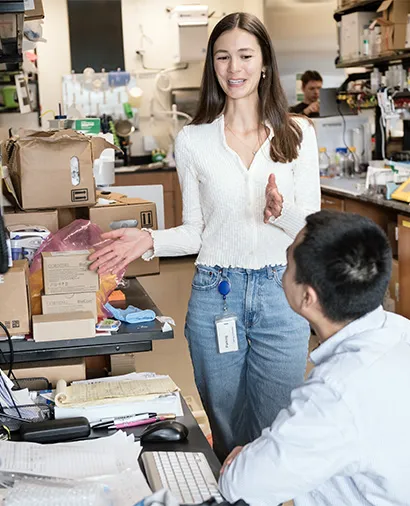
Alex Marson’s lab uses CRISPR to make thousands of different genetic changes in immune cells and test whether those changes make the cells better at fighting cancer. In collaboration with Barbara Engelhardt, the team is developing computer-vision tools that extract far more information from videos of these experiments. Rather than simply counting how many cancer cells remain, AI can track individual immune cells and characterize behaviors such as how they move, interact, and kill. These insights could help scientists engineer safer, more effective cancer immunotherapies, particularly for tumors that do not respond to existing treatments.
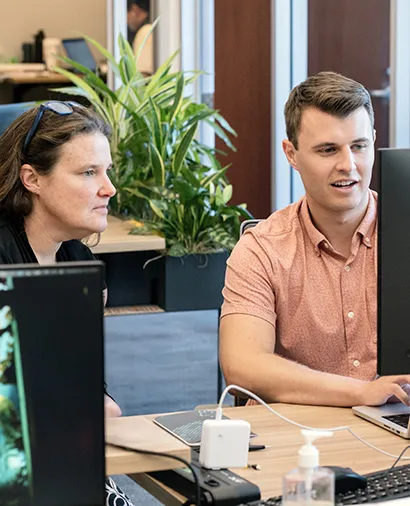
Wearable devices can continuously measure heart rate, temperature, sleep, activity, and other signals, creating an unprecedented opportunity to study how the body changes throughout the menstrual cycle. But these data are noisy, incomplete, and difficult to interpret. Barbara Engelhardt’s lab develops AI and statistical methods specifically designed to make sense of these complex measurements. By combining wearable data with information about hormones, symptoms, reproductive conditions, and other factors, her team aims to uncover patterns that have been missed by traditional studies and ultimately give people more personalized information about their health.
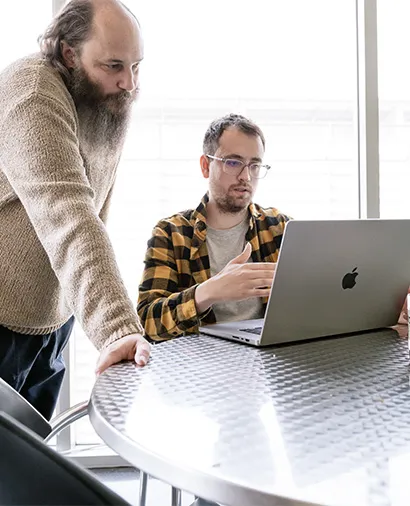
As antibiotics increasingly fail to treat bacterial infections, phages (viruses that naturally kill bacteria) provide an exciting alternative. Through Gladstone’s Center for PhAIge Therapy, Seth Shipman, Katie Pollard, Melanie Ott, and Sukrit Silas are combining high-throughput experiments with AI to learn the rules governing interactions between phage and bacteria. Their goal is to predict which phage will kill a patient’s particular infection—and eventually design effective phages when the right one does not already exist—making phage therapy faster, more reliable, and more widely available.
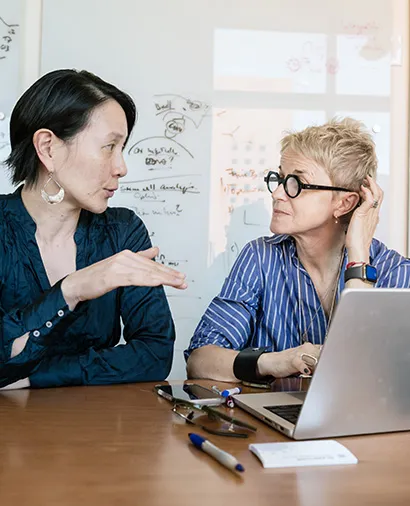
Nadia Roan and Melanie Ott are helping lead an international effort to create a comprehensive atlas of how HIV affects the immune system. The researchers will use AI to integrate complex, single-cell datasets and compare cells from people with HIV with existing data from people never exposed to the virus. The resulting open-access atlas is intended to reveal how HIV reshapes immunity and characterize cells where the virus hides. These insights could guide better therapies, address long-term health complications, and advance efforts toward an HIV cure.
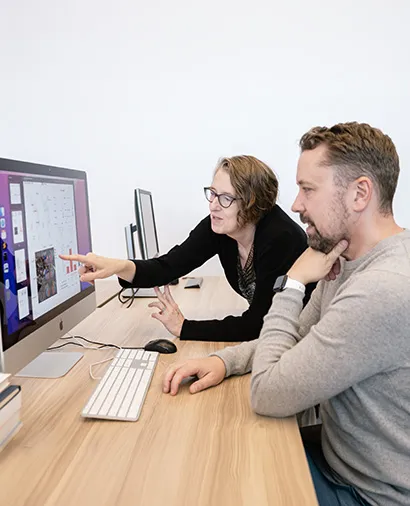
Modern experiments can profile thousands or millions of individual cells, but different studies may label and categorize those cells in different ways, making comparisons difficult. Katie Pollard’s team developed CellWalker2, a computational tool that recognizes relationships between cell types and connects data across experiments, tissues, and even species. By understanding that some cell types are closely related while others are fundamentally different, the tool can organize previously disconnected datasets and reveal biological relationships that researchers might otherwise miss—helping scientists extract more knowledge from the enormous volume of single-cell data now being generated.
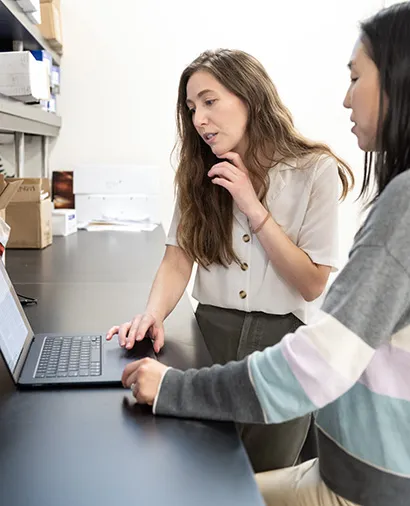
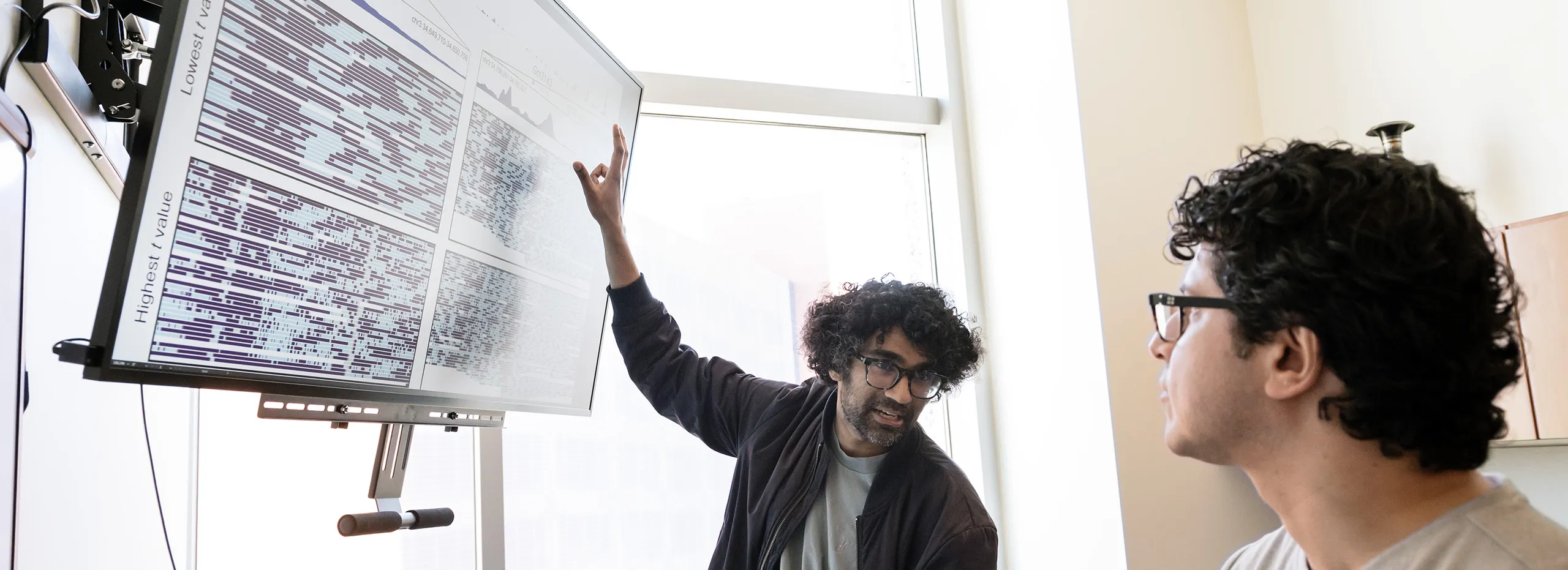
Scientists long thought DNA wrapped around structures called nucleosomes was essentially inaccessible until it became unwrapped. Vijay Ramani and his collaborators used an AI-powered computational method to analyze detailed DNA sequencing data and discovered a much more dynamic picture. The model detected subtle structural differences showing that DNA can remain partially accessible even while wrapped around nucleosomes. This finding reveals a previously unrecognized layer of gene regulation and could help explain how small changes in DNA organization contribute to cancer, aging, and other complex diseases.

Andrew Yang’s lab uses AI to understand the blood-brain barrier—and turn it from an obstacle into a therapeutic opportunity. By combining experimental data with AI models that predict protein structures and interactions, his team is identifying new routes for delivering medicines into the brain. Yang also collaborates with Christina Theodoris to apply AI to molecular data spanning the human lifespan, pinpointing potential targets that could slow or reverse aspects of brain aging and ultimately help prevent age-related neurological disease.
Ryan Corces, PhD
Assistant Investigator

Barbara Engelhardt, PhD
Senior Investigator

Steve Finkbeiner, MD, PhD
Senior Investigator and Director, Gladstone Center for Systems and Therapeutics
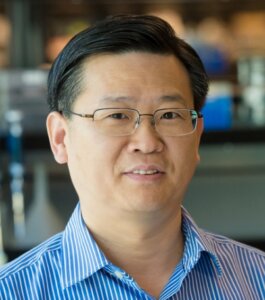
Yadong Huang, MD, PhD
Senior Investigator and Associate Director, Gladstone Institute of Neurological Disease
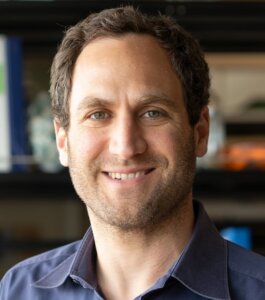
Alex Marson, MD, PhD
Senior Investigator and Director, Gladstone-UCSF Institute of Genomic Immunology

Melanie Ott, MD, PhD
Senior Investigator and Director, Gladstone Infectious Disease Institute
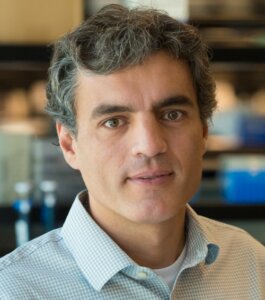
Jorge Palop, PhD
Associate Investigator
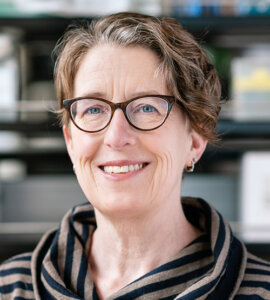
Katie Pollard, PhD
Senior Investigator and Director, Gladstone Institute of Data Science and Biotechnology

Vijay Ramani, PhD
Associate Investigator
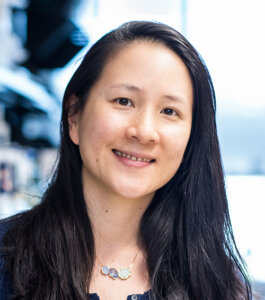
Nadia Roan, PhD
Senior Investigator
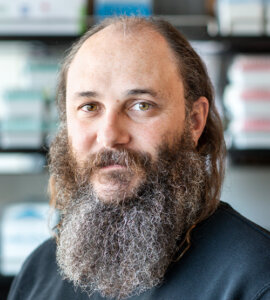
Seth Shipman, PhD
Associate Investigator
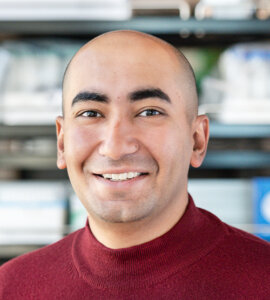
Sukrit Silas, PhD
Assistant Investigator
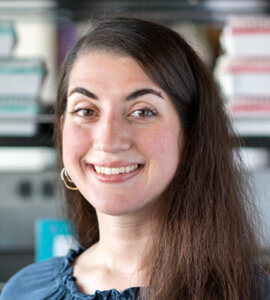
Christina Theodoris, MD, PhD
Assistant Investigator
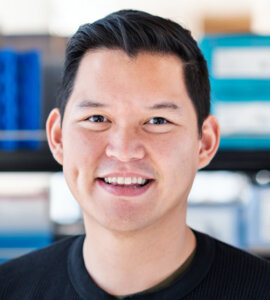
Andrew Yang, PhD
Assistant Investigator
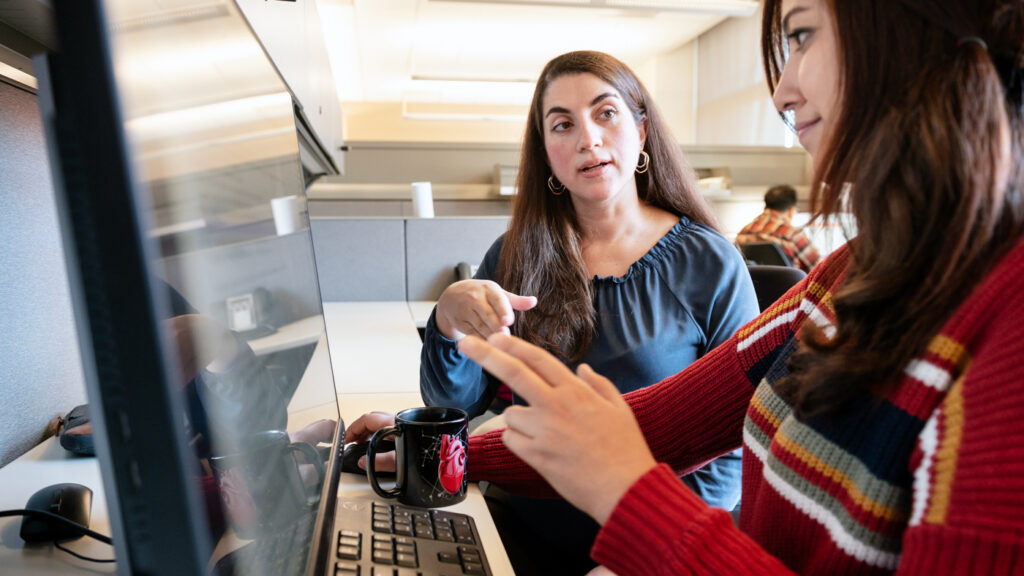
Scientific American recognizes Theodoris for her pioneering work developing artificial intelligence models to find treatments for an array of diseases.
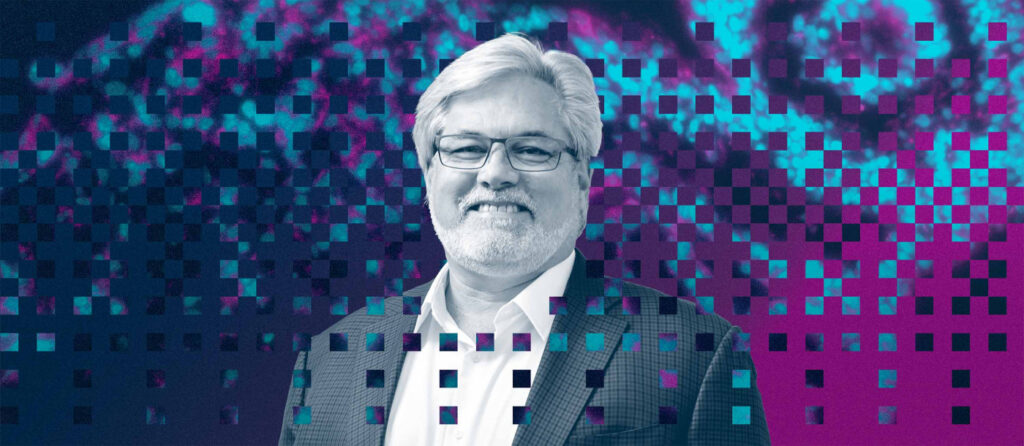
Gladstone scientists have developed a thinking microscope that can conduct its own experiments, with the ultimate goal of treating neurodegenerative diseases.
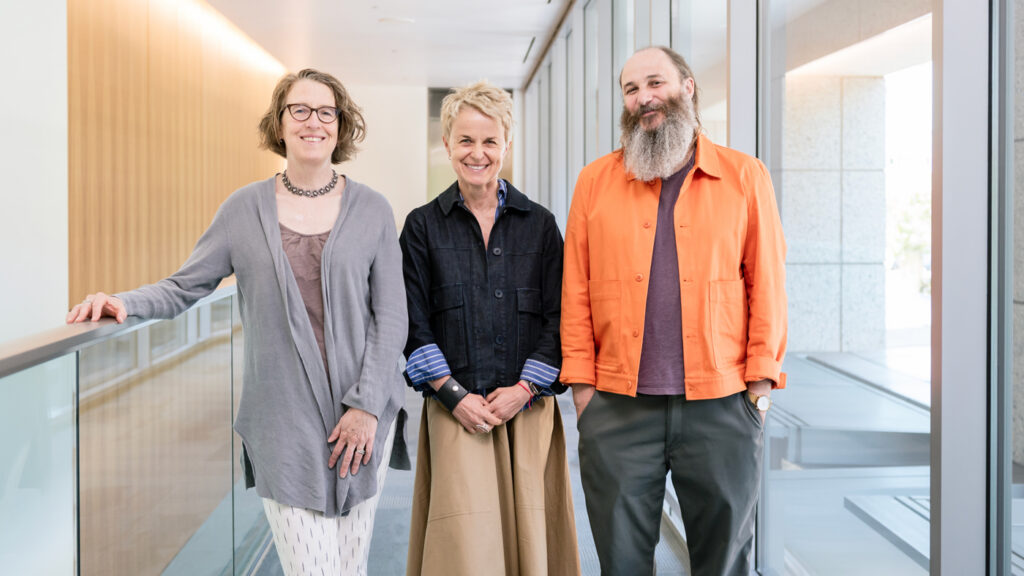
The center, funded by an NIH grant, will become one of three national centers dedicated to accelerating the development of phage therapy.
A new study upends long-held view about how DNA is stored, explaining how subtle shifts in gene activity contribute to cancer, aging, and other complex diseases.

Our people are our most important asset. We offer a wide array of career opportunities both in our administrative offices and in our labs.
Open PositionsDiscoveries don’t stay in our labs. Gladstone facilitates spinout companies to advance promising therapies, shortening the path between scientific discovery and helping real patients.
Learn MoreYour gift to Gladstone will allow our researchers to pursue high-quality science, focus on disease, and train the next generation of scientific thought leaders.
Donate Now