Ask a Scientist: Can We Turn Off the Molecular Switches That Cause Heart Failure?
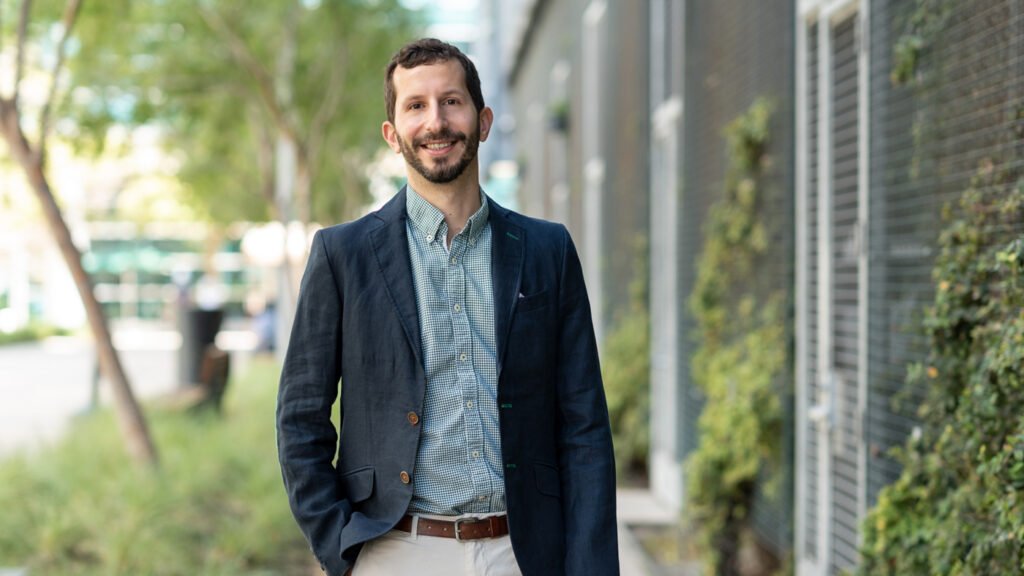
Michael Alexanian is studying two promising genetic avenues for addressing heart failure, a massive global health burden in need of innovative treatments.
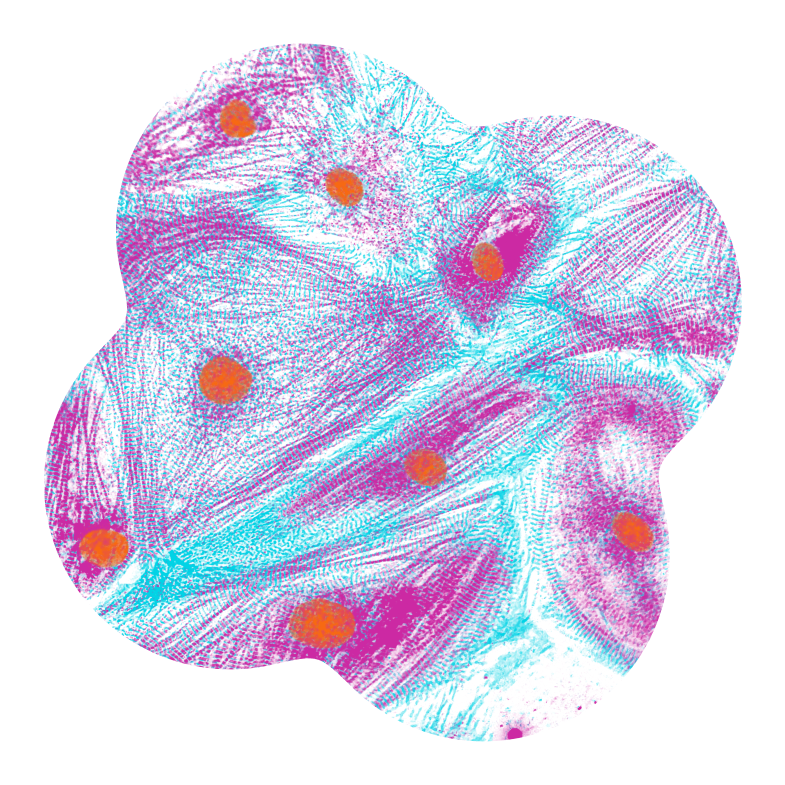
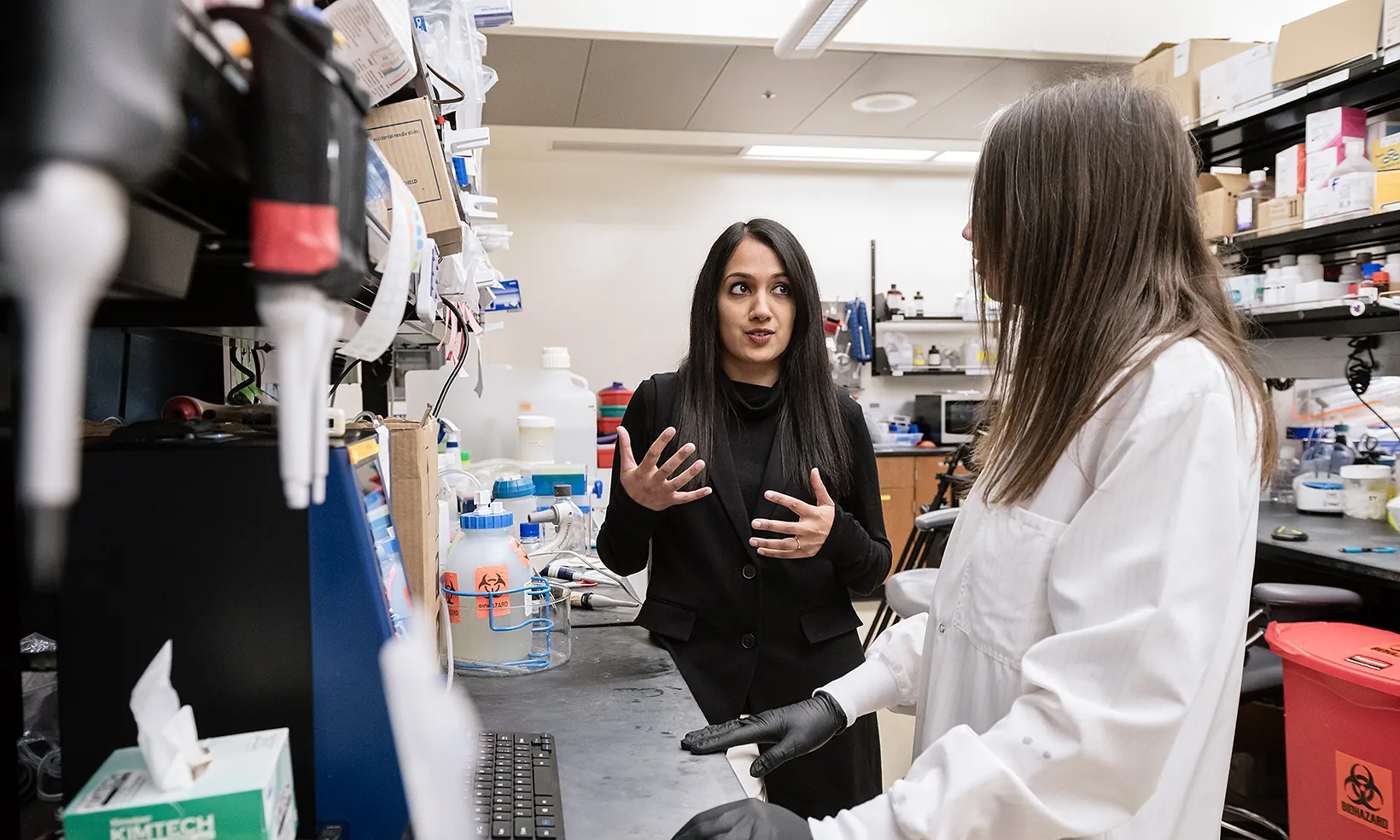
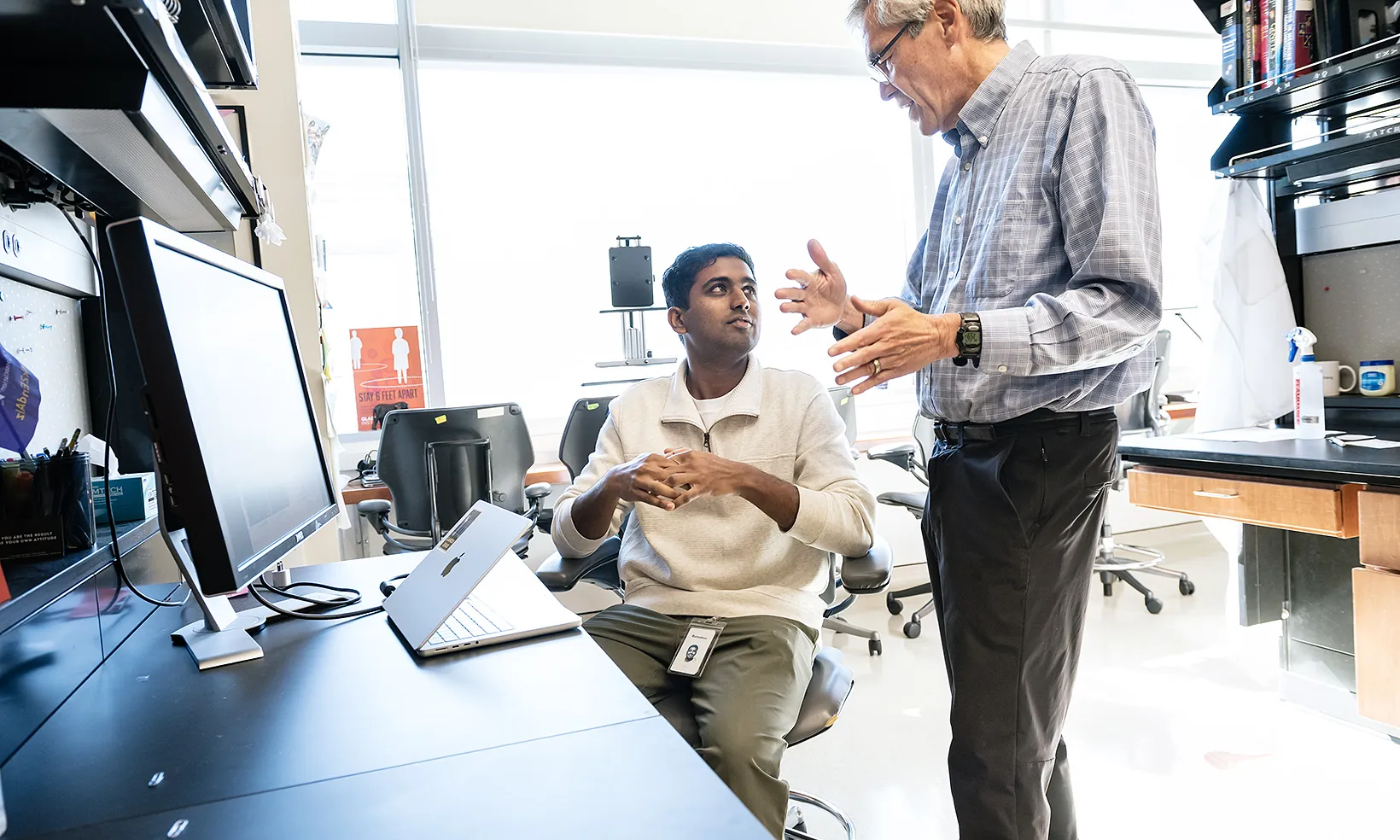
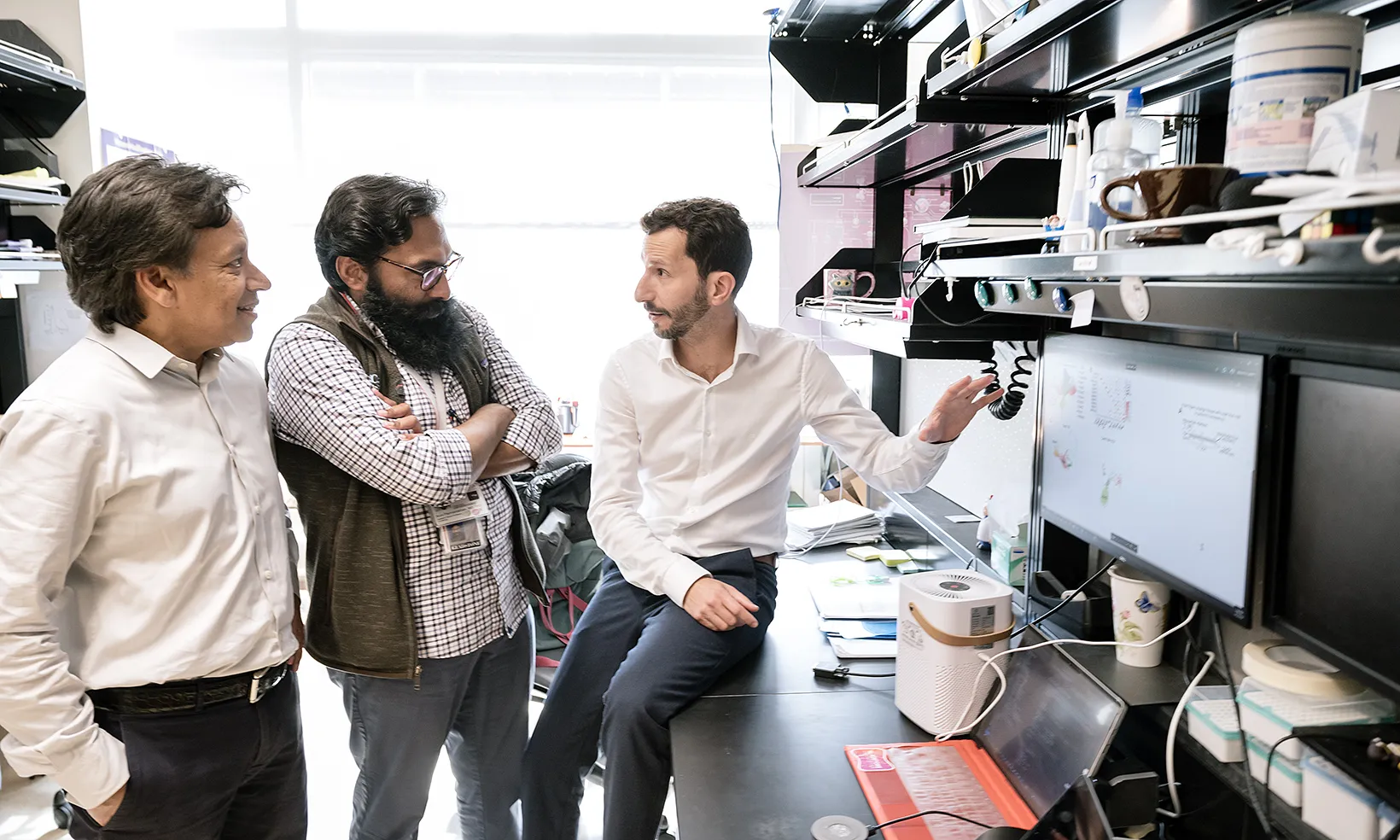
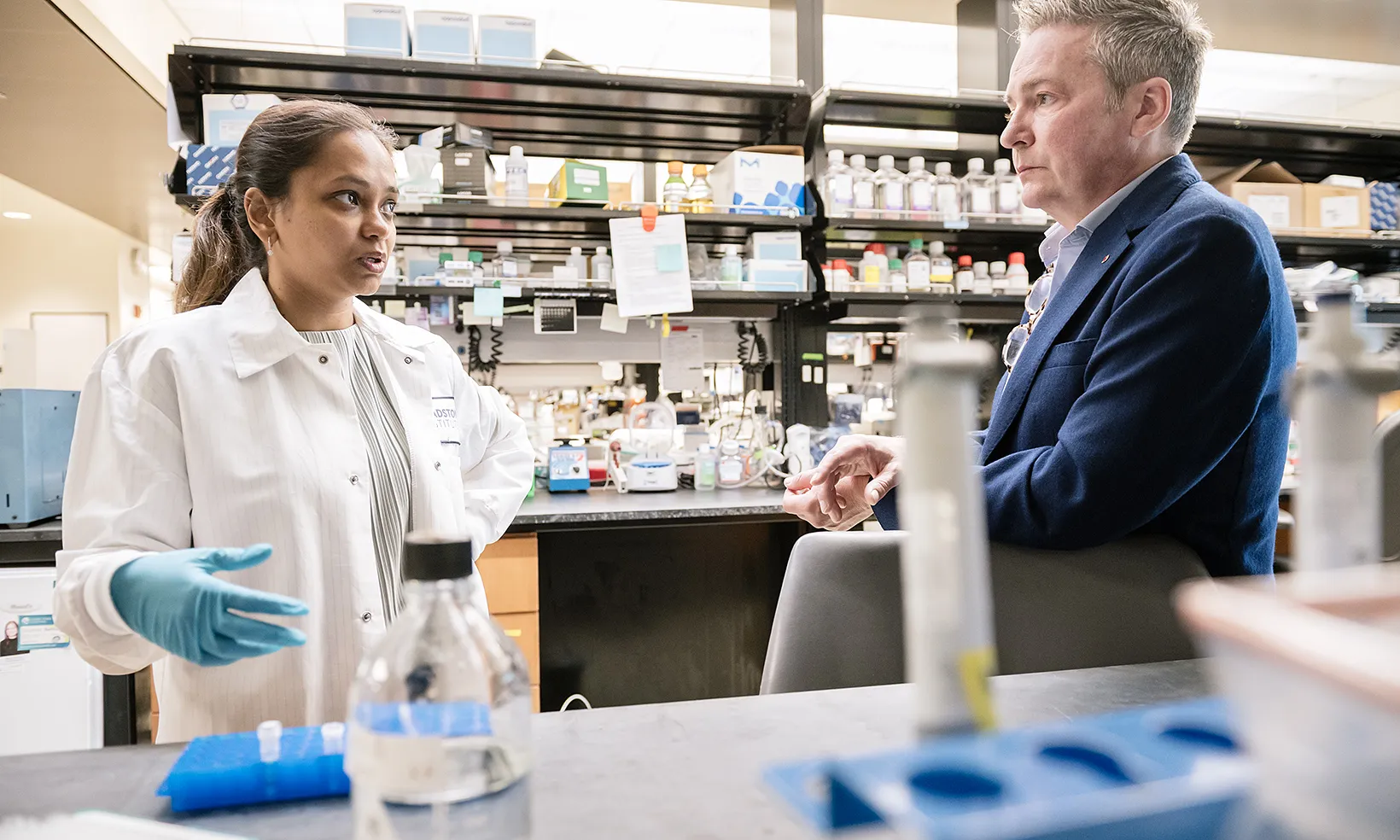
To address this critical situation, the Gladstone Institute of Cardiovascular Disease leverages important genetic, developmental, chemical, biological systems, computational, and engineering approaches to study heart disease and stem cell biology.
Recently, much of their work leverages two paradigm-shifting discoveries: induced pluripotent stem cells and CRISPR-Cas9 gene editing. The scientists who discovered these technologies, Shinya Yamanaka and Jennifer Doudna respectively, operate labs at Gladstone. Other Gladstone researchers have also uncovered new and more efficient ways to use these approaches to study cardiovascular disease and transform their findings into therapies that help repair damaged hearts.

When a heart attack occurs, blood flow is lost to a portion of the heart muscle. As a result, the heart muscle dies and cardiac fibroblasts—which make up about 50 percent of the heart—move in to form non-beating scar tissue. Gladstone investigators reprogrammed fibroblasts in a mouse heart into beating heart muscle. So, instead of forming scar tissue, the fibroblasts became beating cardiomyocytes, incorporated themselves into the heart tissue, and improved pumping of the heart. The approach of harnessing resident cells to regenerate the heart is now being developed toward clinical application within a spin-out company, Tenaya Therapeutics.
Michael Alexanian, PhD
Assistant Investigator, Gladstone Institutes
Benoit Bruneau, PhD
Director, Gladstone Institute of Cardiovascular Disease
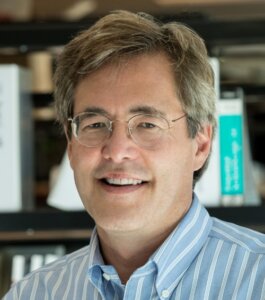
Bruce Conklin, MD
Senior Investigator, Gladstone Institutes

Isha Jain, PhD
Associate Investigator, Gladstone Institutes
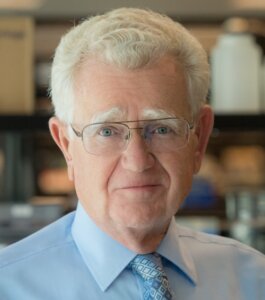
Robert Mahley, MD, PhD
President Emeritus and Senior Investigator
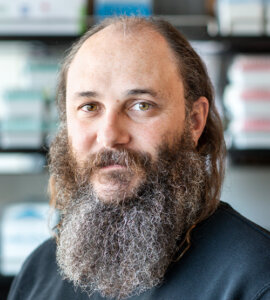
Seth Shipman, PhD
Associate Investigator, Gladstone Institutes
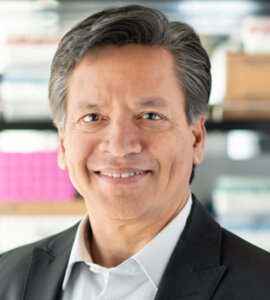
Deepak Srivastava, MD
President, Gladstone Institutes

Catherine Tcheandjieu, DVM, PhD
Assistant Investigator, Gladstone Institutes
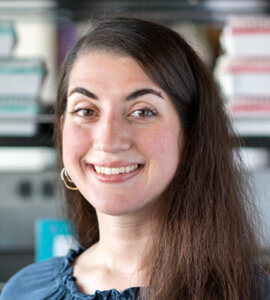
Christina Theodoris, MD, PhD
Assistant Investigator, Gladstone Institutes
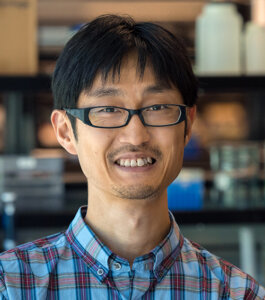
Kiichiro Tomoda, PhD
Research Investigator, Gladstone Institutes
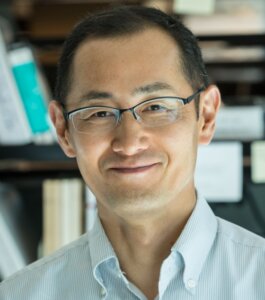
Shinya Yamanaka, MD, PhD
Senior Investigator, Gladstone Institutes

Lana Zholudeva, PhD
Research Investigator, Gladstone Institutes
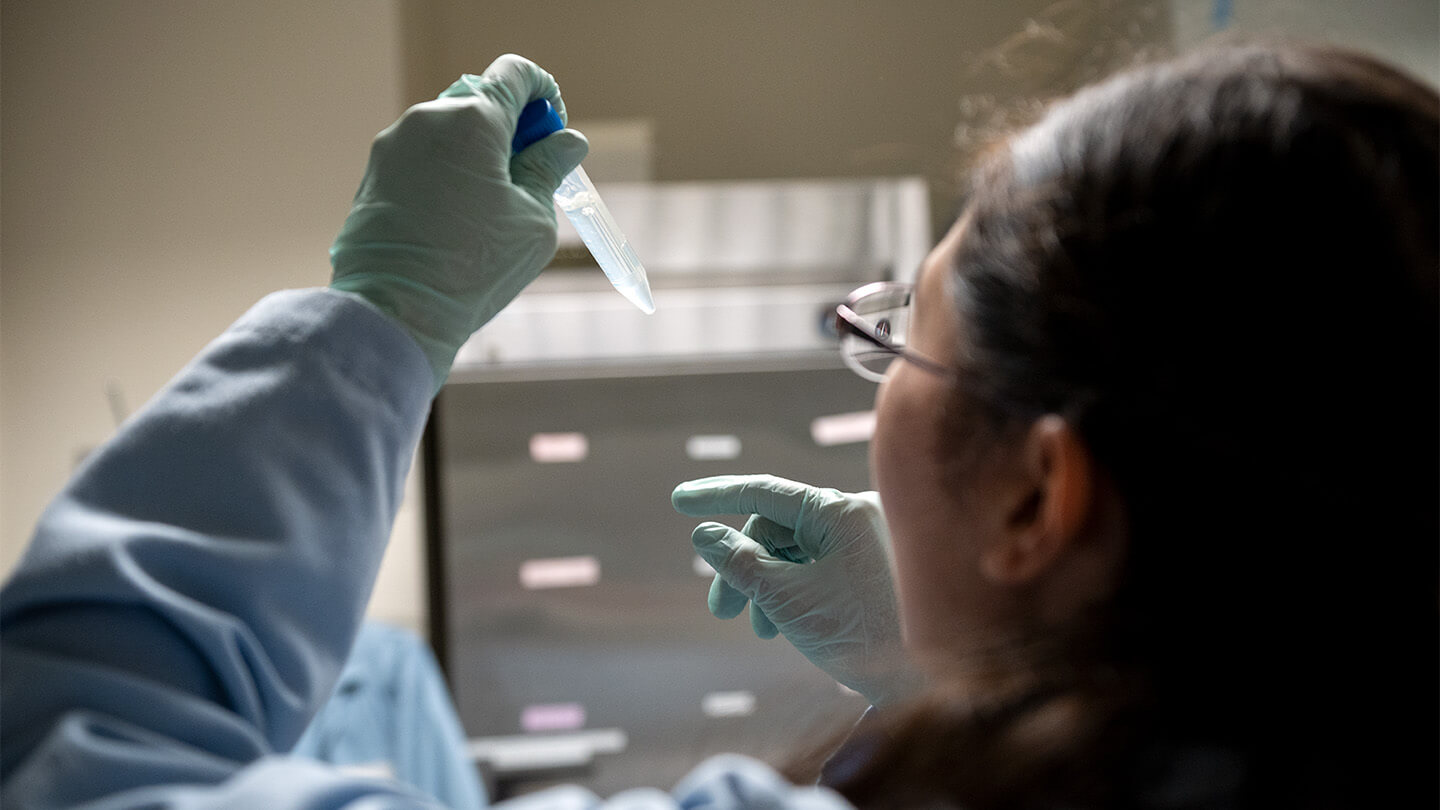
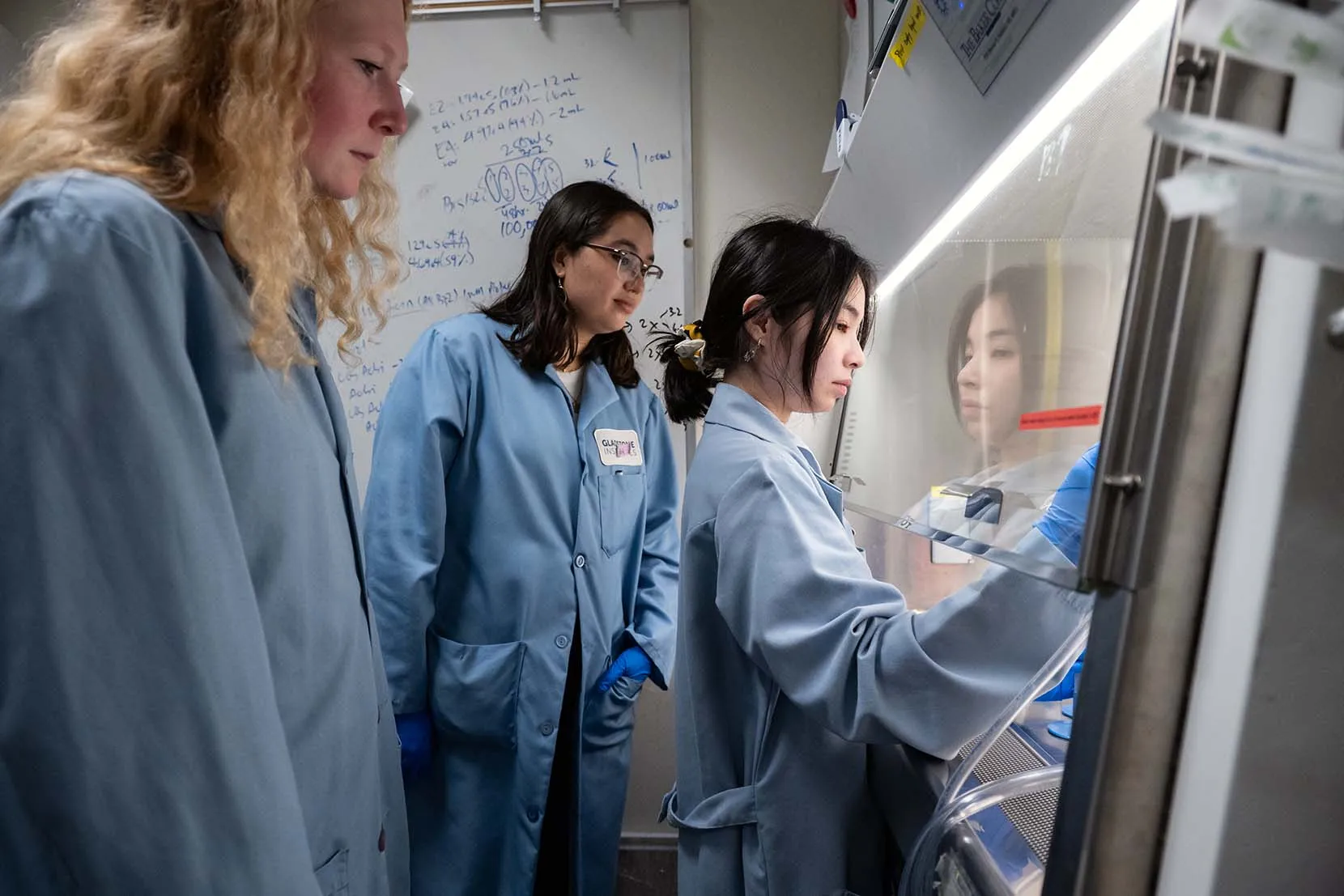
Gladstone scientists don’t just study cardiovascular disease—they teach others how to fight it too. Learn about our award-winning training programs shaping the next wave of researchers.
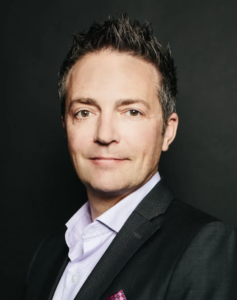
Benoit Bruneau, PhD
Director, Gladstone Institute of Cardiovascular Disease
We bring together MDs and PhDs, tissue engineers, stem cell biologists, genome engineers, and physiologists—all working toward the same goal of better understanding how the heart forms and what can go wrong in this vital organ, so that we can help people with cardiovascular disease.
We are pushing our science into areas of untapped potential.
We believe in the power of interdisciplinary research as a way to achieve something greater together than any of us could on our own. By using the newest technologies, we are pushing our science into areas of untapped potential, which will propel cardiovascular research in new and exciting directions.
FROM THE DIRECTOR
We are pushing our science into areas of untapped potential.
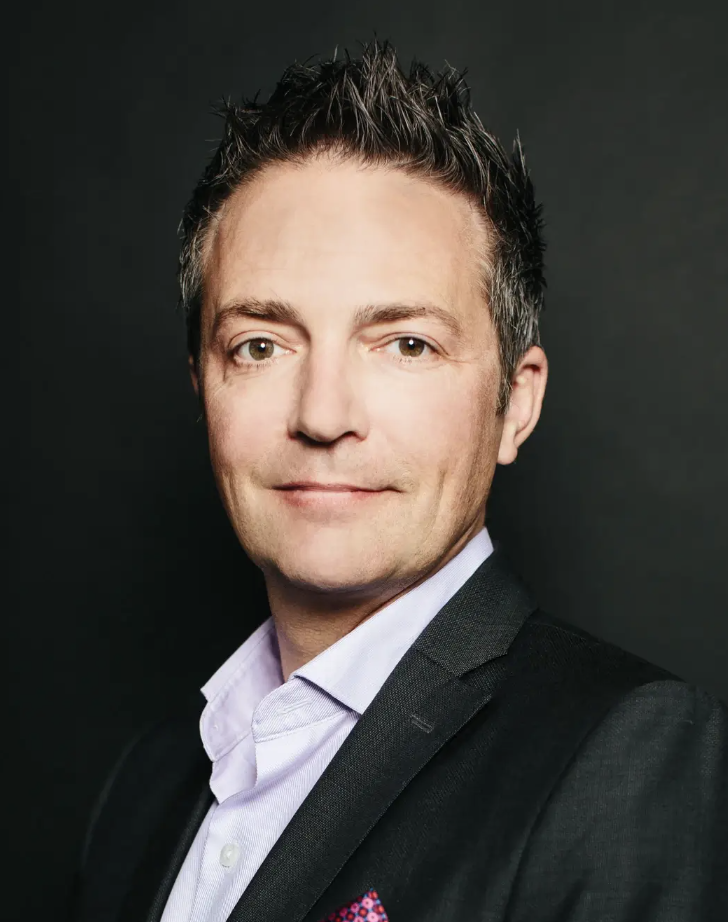
Benoit Bruneau, PhD
Director, Gladstone Institute of Cardiovascular Disease
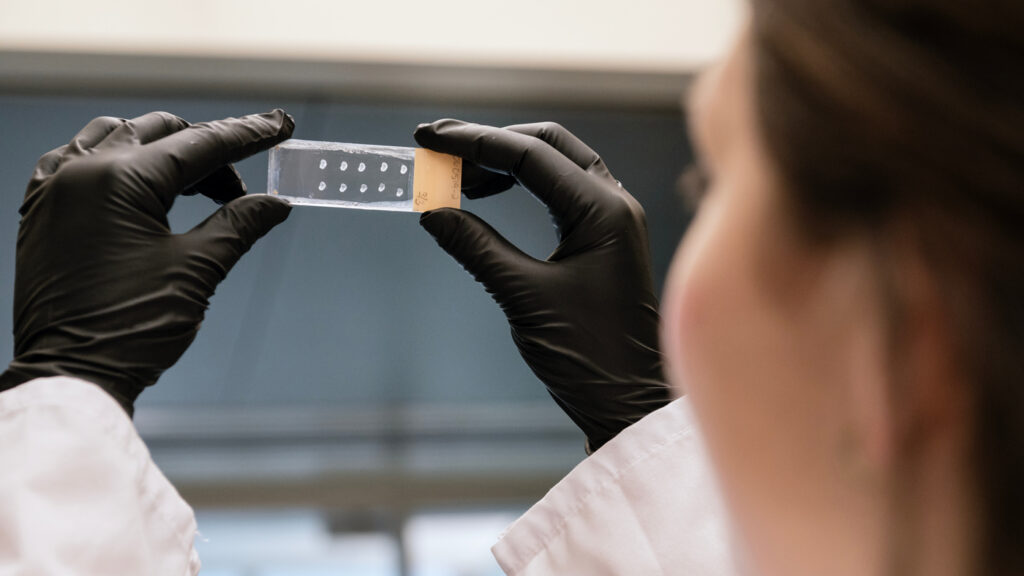
Gladstone scientists show that stem cell-derived spinal neurons can integrate into damaged neural networks in rats and improve breathing-related motor function after a traumatic spinal cord injury.

Bruneau, director of the Gladstone Institute of Cardiovascular Disease, will receive the association’s highest scientific honor in November.
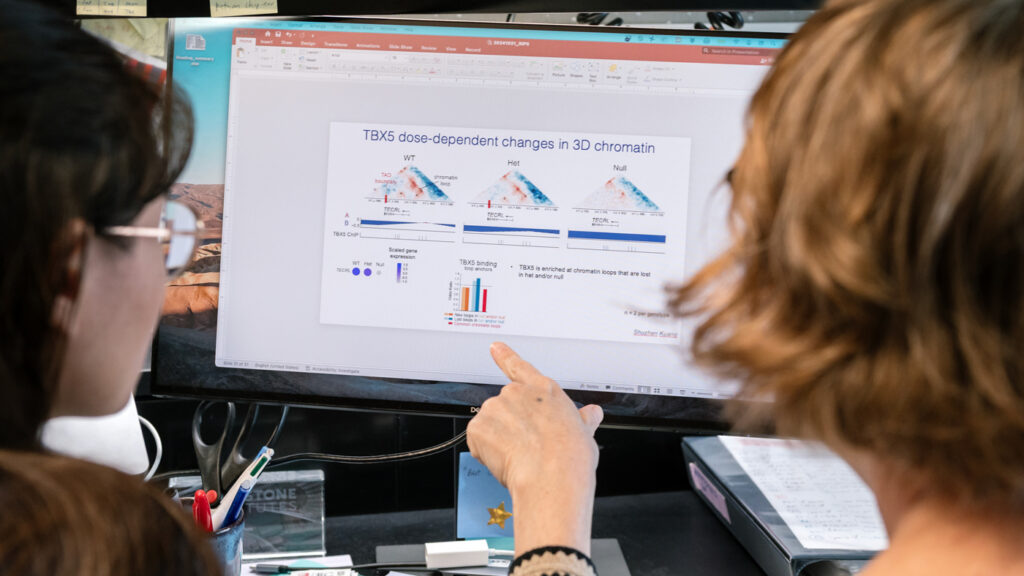
Gladstone researchers found losing just one copy a particular gene can disrupt heart development and lead to congenital heart disease.
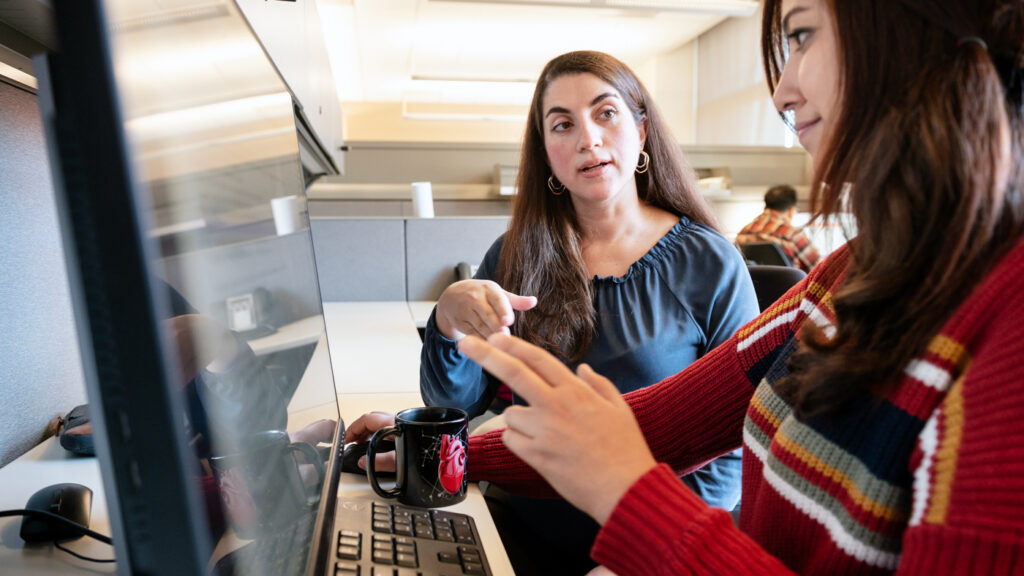
Scientific American recognizes Theodoris for her pioneering work developing artificial intelligence models to find treatments for an array of diseases.
Our people are our most important asset. We offer a wide array of career opportunities both in our administrative offices and in our labs.
Open PositionsDiscoveries don’t stay in our labs. Gladstone facilitates spinout companies to advance promising therapies, shortening the path between scientific discovery and helping real patients.
Learn MoreYour gift to Gladstone will allow our researchers to pursue high-quality science, focus on disease, and train the next generation of scientific thought leaders.
Donate Now