Leading the Way Toward Safer iPS Cell Therapies
By reducing the need to use human embryos, iPS cells have solved a major ethical problem in traditional research and made stem cell research more broadly acceptable and accessible.
Yet, because iPS cells are so versatile, the technology also raises new ethical questions. Scientists could theoretically use them to clone humans or create artificial human eggs, sperm, and embryos in a lab. They have also triggered ethical debates regarding the genetic privacy of blood and skin cell donors. And, some people are worried that future iPS-cell treatments will only be affordable for the ultra-wealthy, threatening to widen the gap in global healthcare equality.
In addition, as the technology moves toward clinical therapies, previous studies have identified safety concerns, as these engineered cells can sometimes mutate and grow into tumors or cancer when transplanted.
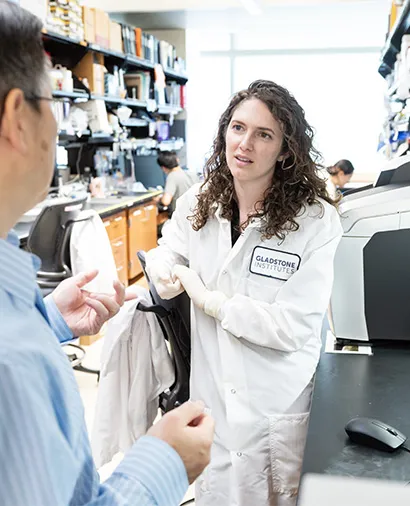
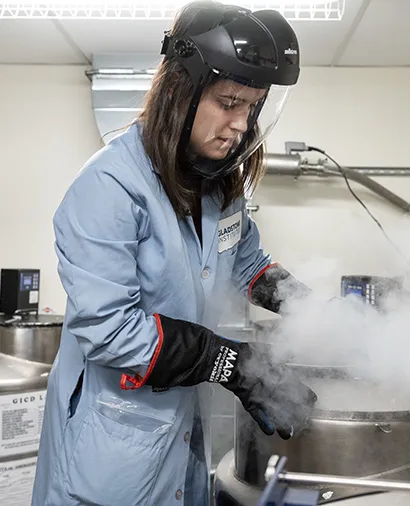
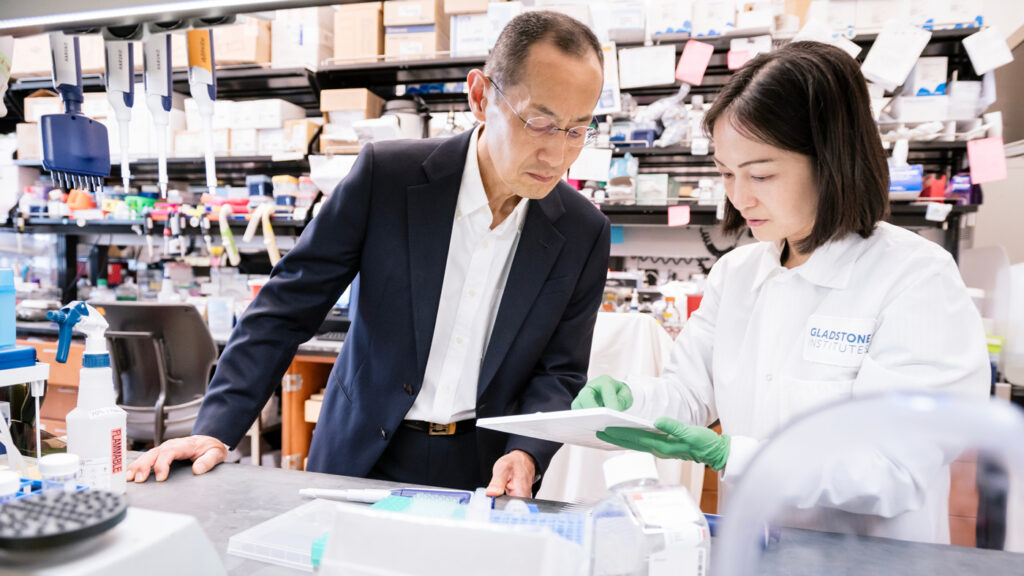
At Gladstone, we believe that oversight is critical to ensure iPS cell research develops safely and responsibly. In labs, researchers must confirm reprogrammed cells behave predictably and do not cause unintended effects in the body. In parallel, we need ethical reviews, government regulations, and international standards to fulfill the promise of this technology.
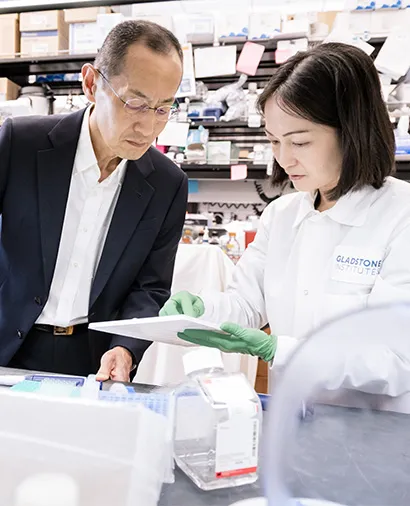
To make iPS cells safer for medical use, our scientists use CRISPR gene editing to neutralize cancer risks, modify immune traits, and strictly monitor the quality of cells. In parallel, we work closely with leading international bodies like the International Society for Stem Cell Research—where both Shinya Yamanaka and Gladstone President Deepak Srivastava have served as past presidents—to support the transparent pursuit of iPS cell research.
By balancing innovation and responsibility, we are committed to advancing discovery while keeping ethics at the center of our work.