Disrupted Boundary Between Cell Types Linked to Common Heart Defects
Gladstone scientists identified a cellular boundary that guides heart development and revealed how disrupting it can lead to holes in the heart’s wall.
Congenital heart disease is one of the most common birth defects, affecting about 40,000 babies in the United States each year—roughly 1 percent of all births. About one in four affected infants has a critical form of the disease that requires treatment during the first year of life. Studying congenital heart disease helps scientists better understand how the heart develops and could lead to improved diagnostics, therapies, and long-term outcomes for patients of all ages.
There are many types of congenital heart defects, ranging from simple and relatively benign to complex and critical. A common type is a hole that fails to close between the heart’s two upper chambers and allows blood to flow between them. The lower chambers of a baby’s heart may also have a similar hole which can force the heart and lungs to work harder to pump blood. Congenital heart defects may also constrict blood flow through valves, or provide incorrect flow in major blood vessels.
What causes these defects is not known, but the risk of congenital heart disease may be affected by:
Jon Muncie-Vasic, a scientist in the Bruneau Lab, explains why, despite major advances in surgery, it’s crucial to discover what causes congenital heart defects. Understanding early heart development is key to preventing congenital heart defects and reducing their lifelong impact.
Researchers at Gladstone are working to uncover the genetic and developmental causes of congenital heart disease, with the goal of improving diagnosis and developing future therapies. Over the years, Gladstone scientists have helped identify key genes and molecular pathways required for normal heart formation and revealed how disruptions in these processes can lead to congenital heart defects. Using stem cell biology, genetics, and animal models, researchers are mapping the critical steps involved in heart development and studying how those processes go wrong in disease.
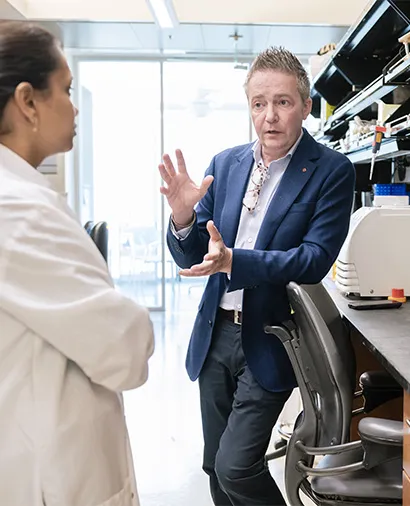
Scientists in the Srivastava, Bruneau, and Pollard Labs are studying the genes that guide heart development and investigating how genetic mutations disrupt this process in children with congenital heart disease. During embryonic development, cells must activate and silence specific genes with precise timing to correctly form the heart’s chambers, valves, and blood vessels. By identifying the mutations that interfere with this development, researchers hope to provide genetic counseling prior to conception, improve early diagnosis, and uncover new ways to better understand and eventually treat congenital heart disease.
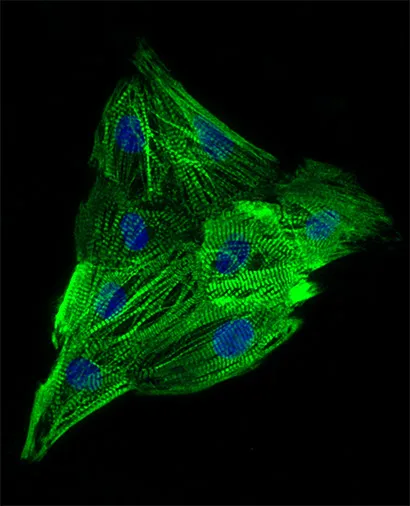
Gladstone researchers use iPS cell technology to study how congenital heart disease unfolds in human cells. Scientists can take skin cells from patients with congenital heart disease and reprogram them into stem cells that can become heart cells in the lab. Researchers then compare how these patient-derived cells develop and function relative to cells from people without disease-causing mutations. This approach allows scientists to directly study how genetic mutations alter the formation and behavior of heart cells during development.
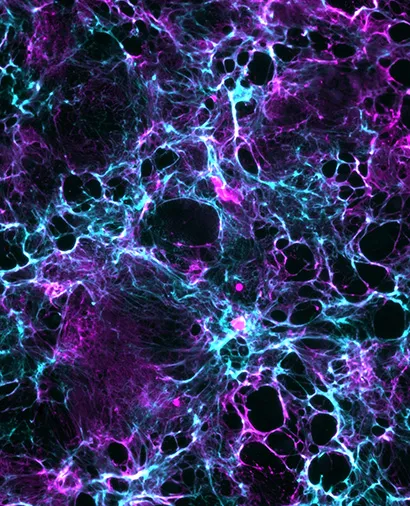
In addition to stem cell studies, Gladstone scientists create mouse models carrying the very mutations found in patients with congenital heart disease. These models allow researchers to examine how specific genetic changes affect heart formation during development and identify where those processes begin to fail. This work has helped define many of the critical steps required for the heart to form normally and provided important insights into how congenital heart defects arise.
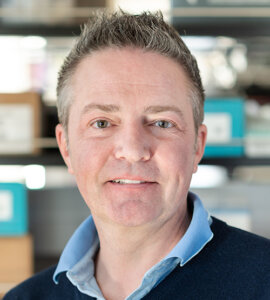
Benoit Bruneau, PhD
Senior Investigator and Director, Gladstone Institute of Cardiovascular Disease

Katie Pollard, PhD
Senior Investigator and Director, Gladstone Institute of Data Science and Biotechnology

Deepak Srivastava, MD
President and Senior Investigator

Christina Theodoris, MD, PhD
Assistant Investigator
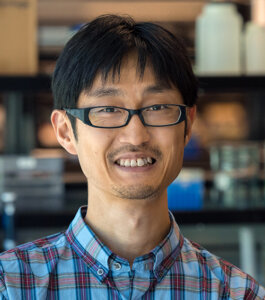
Kiichiro Tomoda, PhD
Research Investigator

Bruneau, director of the Gladstone Institute of Cardiovascular Disease, will receive the association’s highest scientific honor in November.

Gladstone researchers found losing just one copy a particular gene can disrupt heart development and lead to congenital heart disease.
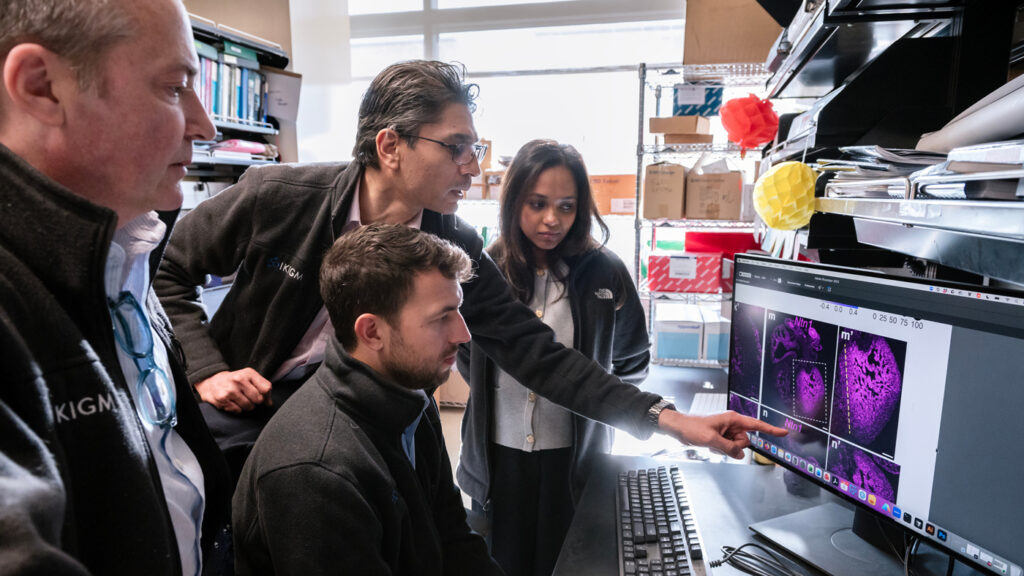
Gladstone scientists identified a cellular boundary that guides heart development and revealed how disrupting it can lead to holes in the heart’s wall.
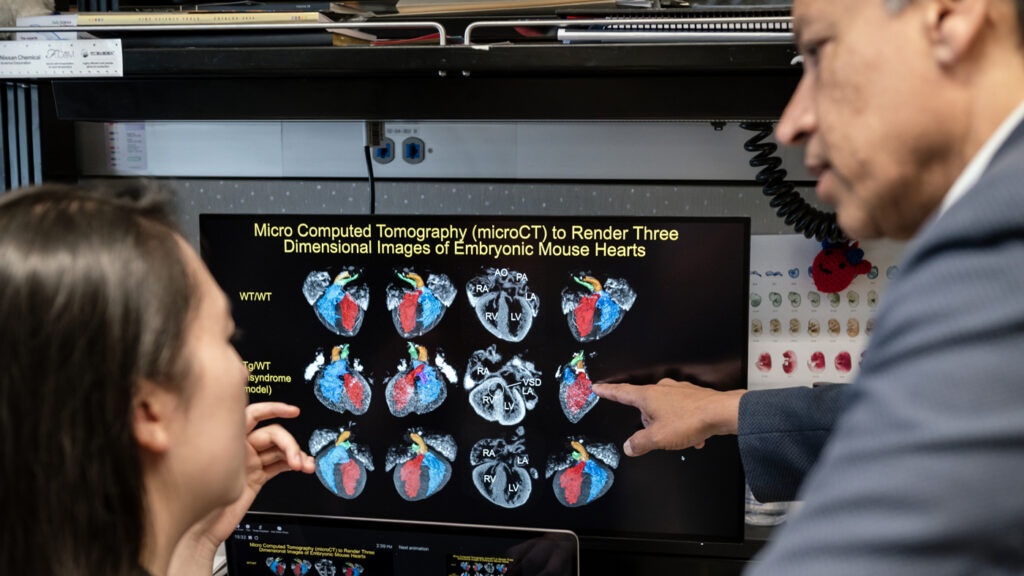
After decades of mystery, Gladstone researchers identify a gene that can derail heart formation—and show that fixing it prevents the problem in mice.

Our people are our most important asset. We offer a wide array of career opportunities both in our administrative offices and in our labs.
Open PositionsDiscoveries don’t stay in our labs. Gladstone facilitates spinout companies to advance promising therapies, shortening the path between scientific discovery and helping real patients.
Learn MoreYour gift to Gladstone will allow our researchers to pursue high-quality science, focus on disease, and train the next generation of scientific thought leaders.
Donate Now