Scientists Decode Gene Circuits of Human Immunity, Fueling New Era of Disease Research
An unprecedented map of 22 million immune cells provides the functional rulebook for virtual biology and next-generation immunotherapies.
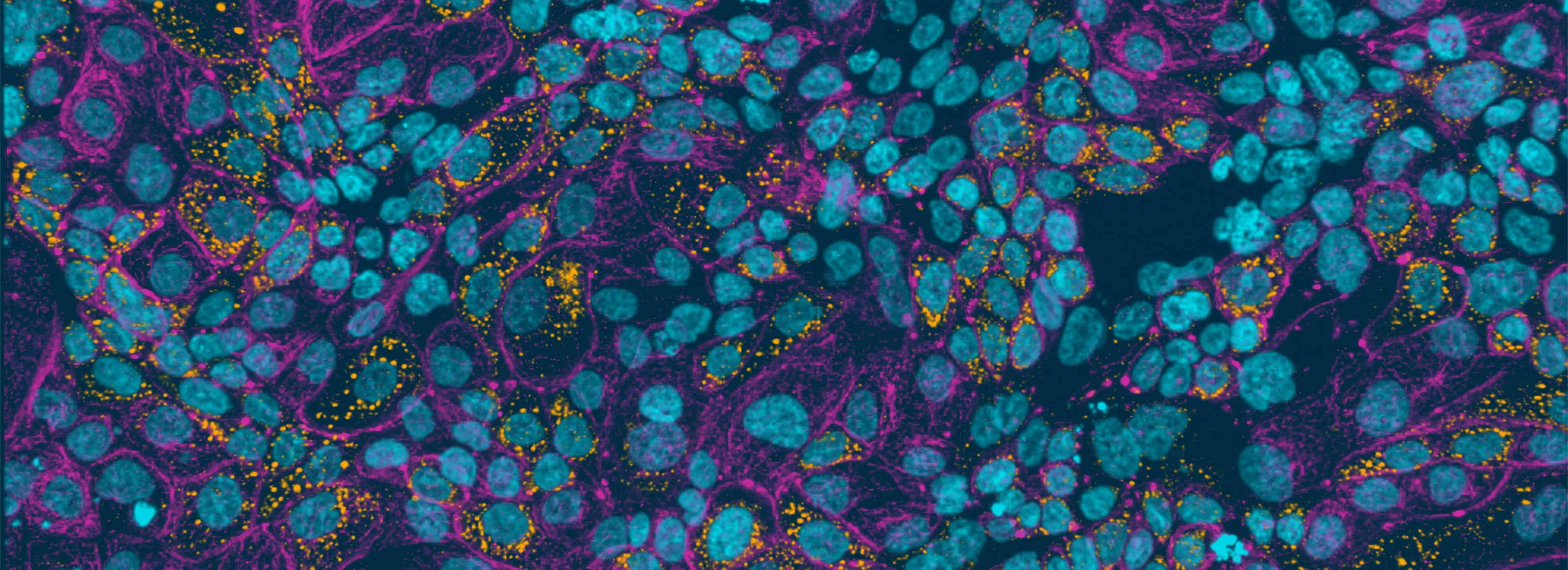
Many of our scientists are working to understand what controls the behavior of cells in the immune system, so they can program them to do what we want—fight cancer more effectively. This work could lead to immunotherapies to treat cancers that are currently incurable.
According to the American Cancer Society, approximately 2.1 million new cancer cases will be
diagnosed in the United States in 2026, and more than 626,000 people will die from the disease.
Cancer is difficult to treat because tumors don’t just grow randomly—they actively reshape their environment to survive. They redirect oxygen and nutrients toward themselves and can even manipulate the immune system so it supports tumor growth instead of attacking it. This creates a hostile environment that weakens both natural T cells (which serve a vital role in the immune system) and engineered therapies like CAR-T cells, causing them to become suppressed or exhausted before they can eliminate the cancer.
In addition, unlike blood cancers, most solid tumors form complex, organ-like structures with physical barriers and supporting cells that block immune cells from reaching them. So, while immunotherapy—a treatment that uses the body’s own immune system to target and destroy cancer cells—has vastly improved treatment outcomes for patients with certain cancers, it hasn’t yet been very successful in solid tumors. That’s because immune cells struggle to enter, survive, and function long enough to mount a complete attack.
Alisa Dietl explains why bringing together experts from different scientific disciplines is essential for accelerating breakthroughs in cancer research.
Gladstone scientists are leveraging cutting-edge technologies to understand how tumors develop and how immune cells can be strengthened to fight them, with the goal of creating more precise and effective treatments.
Gladstone is also one of three institutes to launch the CRISPR Cures for Cancer initiative, which is using genomics to accelerate the design and development of cell therapies for cancer. We are also home to the Parker Institute for Cancer Immunotherapy (PICI) at Gladstone Institutes working to design next-generation immunotherapy approaches for clinical testing.
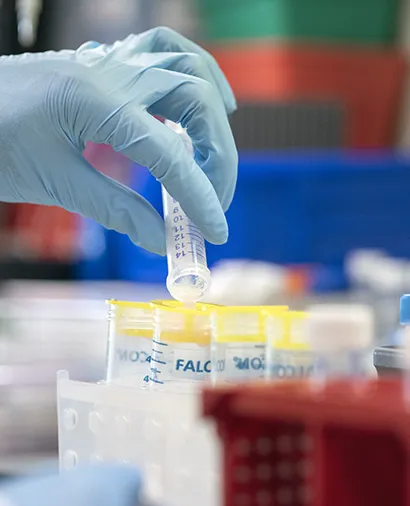
Gladstone scientists are using CRISPR genome editing technology to better understand how immune cells can be trained to fight cancer. Alex Marson’s group is testing thousands of genes in human T cells to find the ones that make these cells stronger and more effective at killing tumor cells.
By studying how immune cells behave at a single-cell level, the scientists can see how they change inside tumors and during immunotherapy. These insights are then used to design new genetic programs that can rewire immune cells and improve cancer-fighting treatments, helping guide the development of future therapies.
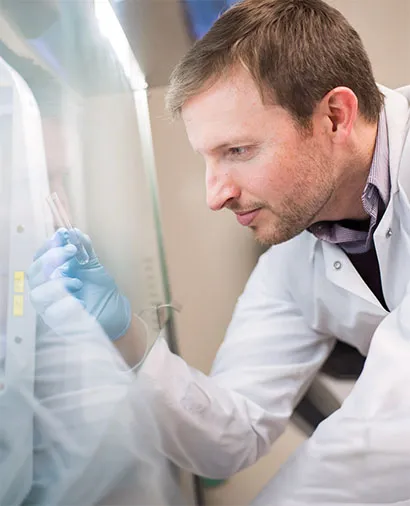
Gladstone scientists are uncovering ways to turn cancer’s own biology against itself. Kole Roybal and his team are studying how tumors survive, spread, and evade the immune system, then using those insights to design therapies that selectively target cancer cells while sparing healthy tissue.
By combining expertise in genomics, immunology, and synthetic biology, the scientists are developing innovative treatment strategies that make tumors more vulnerable to attacks by the immune system and improve the effectiveness of existing therapies. Their work aims to create more precise, durable cancer treatments that can adapt to the complexity of different tumor types and ultimately improve outcomes for patients.
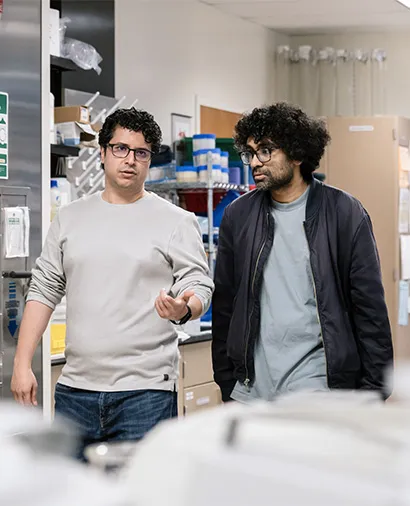
Vijay Ramani and his group are pushing DNA sequencing and genome-mapping technologies to the next level to reveal cancer biology with unprecedented precision. They are developing advanced single-molecule sequencing approaches to detect rare genetic changes and structural differences in DNA that traditional methods can miss.
More recently, the scientists combined their technology with artificial intelligence, showing that newly copied DNA briefly enters a highly “open” state, giving scientists a new window into how genes are regulated. By generating more accurate and comprehensive genetic information, their work could improve early cancer detection, guide treatment decisions, and help scientists identify new therapeutic opportunities.
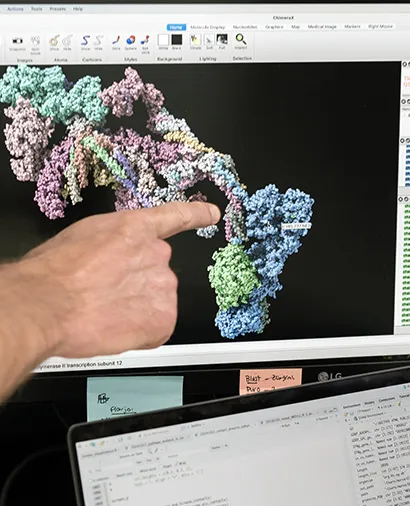
A team led by Alex Marson is uncovering how immune cells carefully balance inactive and activated states—a process that is critical for fighting cancer effectively. The scientists identified intricate molecular networks that regulate when immune cells remain at rest, when they launch immune responses, and how key immune genes are turned on or off.
These discoveries provide important insight into how the immune system can be strengthened to recognize and destroy tumors while avoiding harmful overactivation. By mapping the control systems behind immune activity, the researchers hope to identify new therapeutic targets and improve immunotherapies that leverage the body’s natural defenses against cancer.
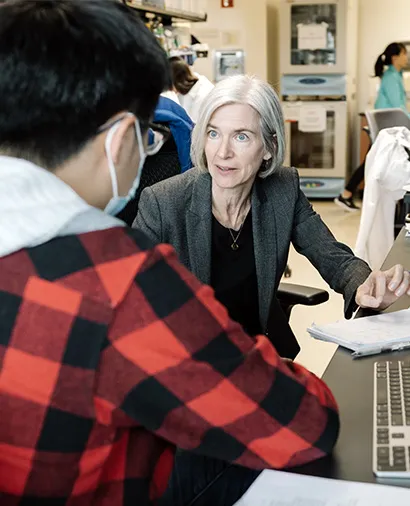
A group of scientists including Justin Eyquem and Jennifer Doudna are developing new ways to engineer immune cells directly in patients so they can better find and destroy cancer. They engineered novel tools to deliver CRISPR gene editors and synthetic biology tools to generate potent CAR T cell therapies with a single injection. These upgraded immune cells are designed to more accurately target tumors, last longer in the body, and work more safely.
By creating cancer-fighting immune cells directly inside the body—rather than having to extract patient cells, reprogram them in a dish, and infuse them back into the patient— these live-saving therapies are now faster and easier to deliver to patients. The researchers are testing and refining these treatments using lab-grown tumor models with the goal of moving the most effective ones toward clinical use.
In an effort led by Katie Pollard in the Biswas Center for Transformative Computational Cancer Biology, Gladstone researchers are using artificial intelligence and computational biology to better understand and tackle cancer.
They are developing new ways to analyze large and complex biological datasets in order to uncover patterns in how cancer develops and responds to treatment. Their goal is to identify new vulnerabilities in tumors and improve the ability to predict which therapies will be most effective for patients. This work is helping lay the foundation for more data-driven and precise approaches to cancer research and treatment.
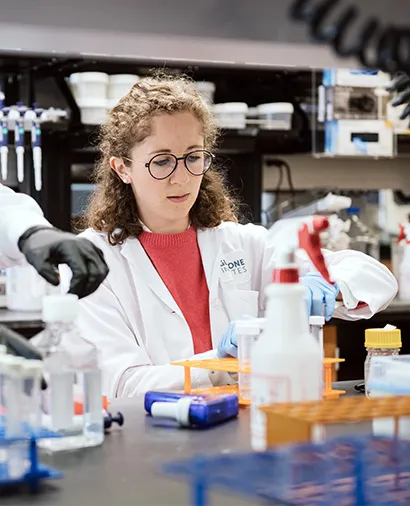
Karin Pelka and her team are investigating why immunotherapy works remarkably well for some cancers, but has limited success against many common solid tumors. They are combining next-generation technologies—including organoids, spatial profiling, and artificial intelligence—to understand what tumors actually look like, study how cancer cells interact with other cells in tumors, and figure out how tumors evade detection by the immune system.
The scientists are developing strategies to make immunotherapy more broadly effective, in order to extend the treatment’s benefits beyond a small group of patients and improve treatment options for cancers that are currently difficult to treat.
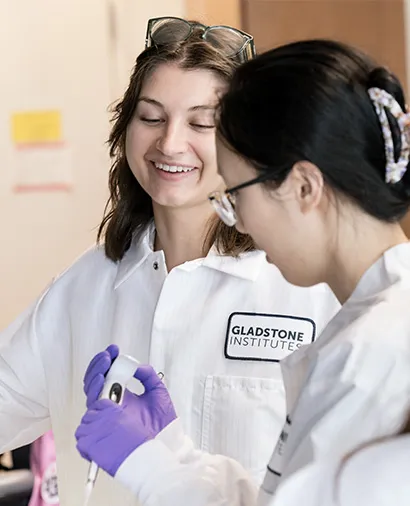
In the lab of Magnus Hoffmann, scientists are exploring innovative vaccine technologies that train the immune system to recognize and attack cancer cells. Building on advances in virology, immunology, and mRNA-based approaches, they are designing vaccines that stimulate strong and lasting anti-tumor immune responses.
These therapies aim to help the immune system identify unique markers found on cancer cells while sparing healthy tissue. The researchers are also studying how cancer vaccines can work together with other immunotherapies to improve treatment effectiveness. Their goal is to develop safer, more personalized vaccines that prevent cancer recurrence and enhance long-term protection.
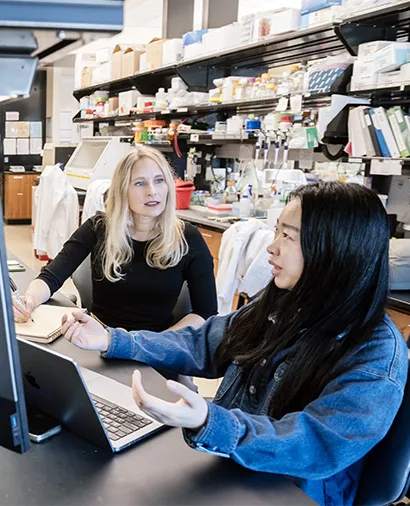
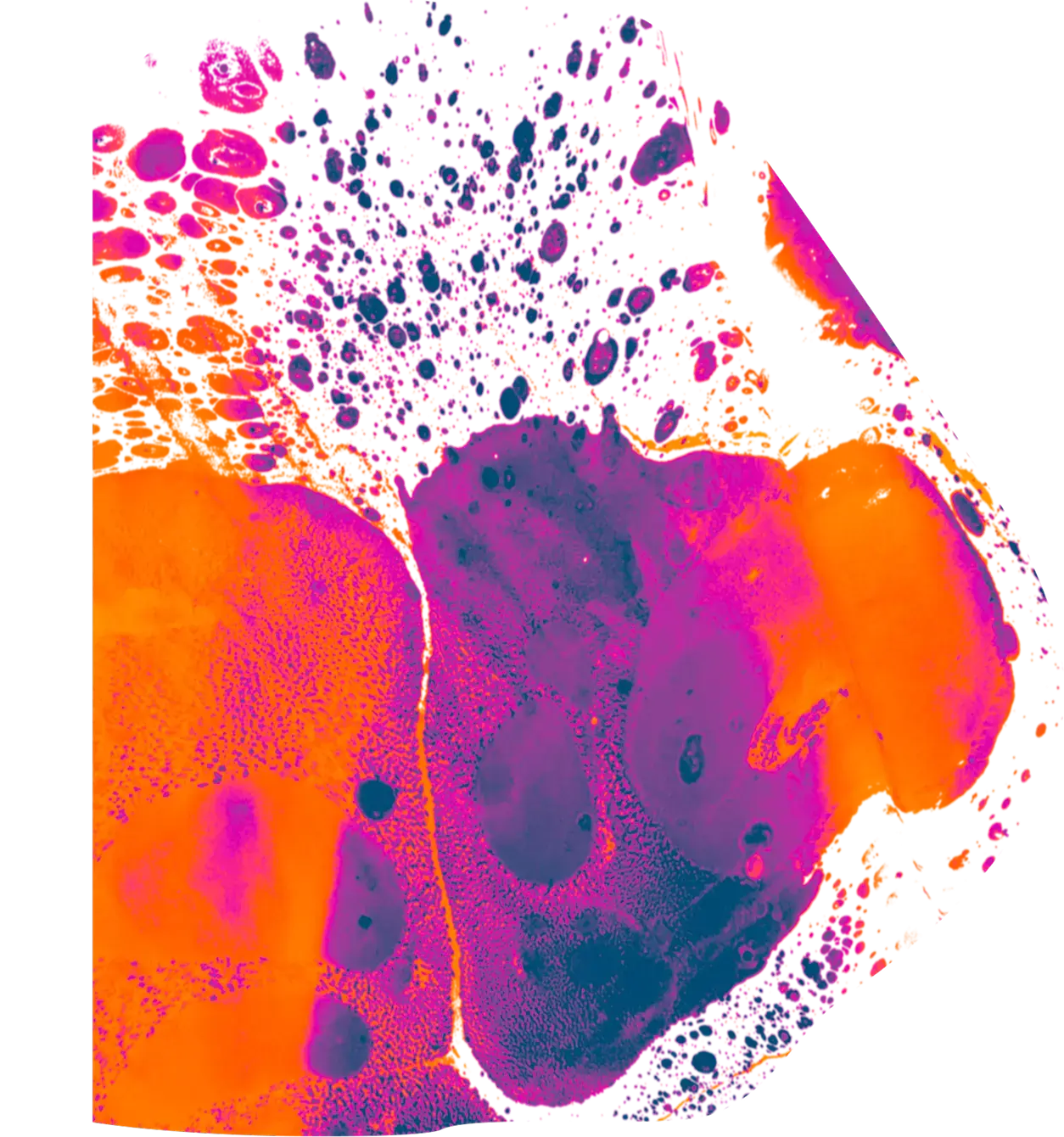
Julia Carnevale and Alex Marson are developing new ways to make CAR-T cell therapy more effective against solid tumors, where cancer cells can suppress and block immune responses. Using a genome-wide CRISPR screen in human T cells inside living tumors, the team identified genetic edits to GNAS and P2RY8 that help T cells remain active and better infiltrate tumors. In mouse models, CAR-T cells carrying both edits dramatically improved tumor control, opening new possibilities for next-generation cell therapies for cancers that have been difficult to treat with immunotherapy.
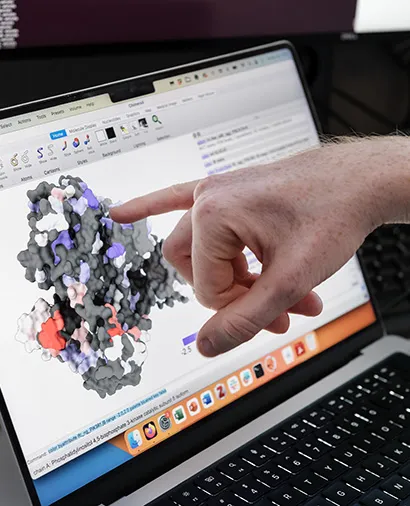
In Matthew Spitzer’s lab, scientists are investigating the complex interactions between cancer and the immune system. They study how cancer alters immune cells throughout the body using advanced single-cell technologies, genomics, and computational tools. By understanding how tumors influence immune responses, their work is helping identify new strategies to improve cancer immunotherapies.
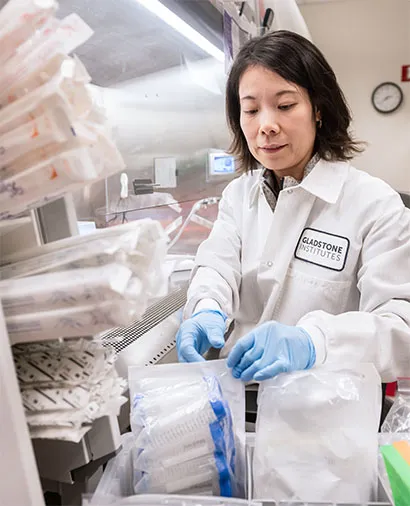
Omar Khan and his team develop innovative approaches to reprogram immune cells using genome editing, epigenetic engineering, and synthetic biology. The researchers are investigating the molecular circuits that control immune cell behavior and designing new tools to precisely direct immune responses. By enhancing the potency, durability, and specificity of engineered immune cells, they aim to advance the next generation of cancer immunotherapies.

Julia Carnevale, MD
Affiliate Investigator

Jennifer Doudna, PhD
Senior Investigator
Justin Eyquem, PhD
Affiliate Investigator

Magnus Hoffmann, PhD
Assistant Investigator
Omar Khan, MD, PhD
Affiliate Genomic Immunology Fellow
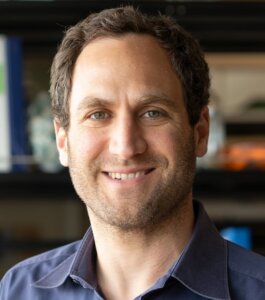
Alex Marson, MD, PhD
Senior Investigator and Director, Gladstone-UCSF Institute of Genomic Immunology

Karin Pelka, PhD
Assistant Investigator

Katie Pollard, PhD
Senior Investigator and Director, Gladstone Institute of Data Science and Biotechnology

Vijay Ramani, PhD
Associate Investigator
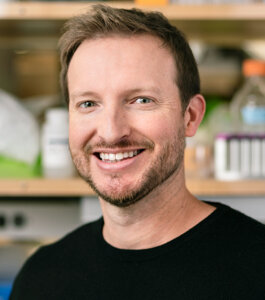
Kole Roybal, PhD
Affiliate Investigator

Brian Shy, MD, PhD
Visiting Investigator

Matthew Spitzer, PhD
Affiliate Investigator

Andrew Yang, PhD
Assistant Investigator
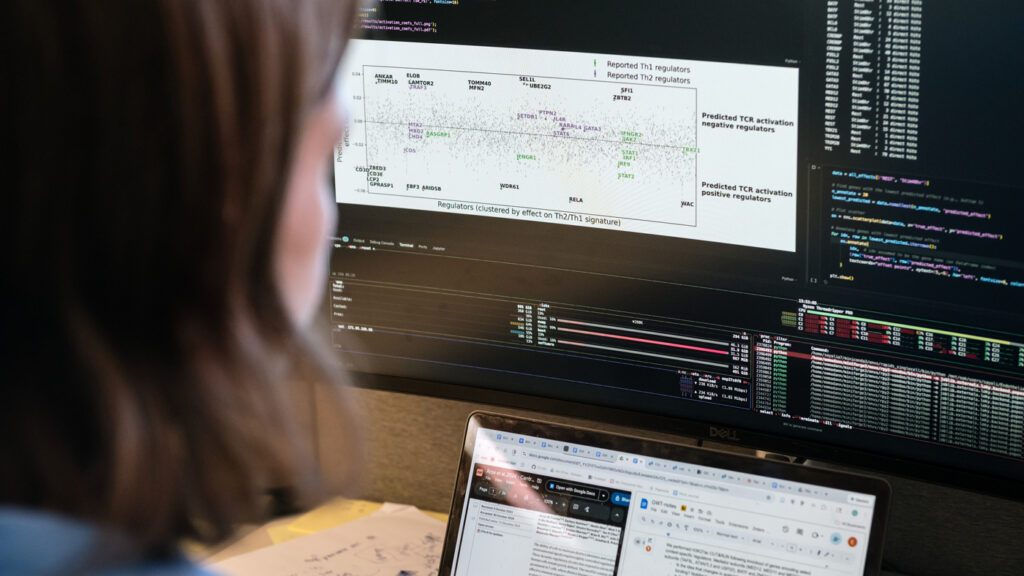
An unprecedented map of 22 million immune cells provides the functional rulebook for virtual biology and next-generation immunotherapies.
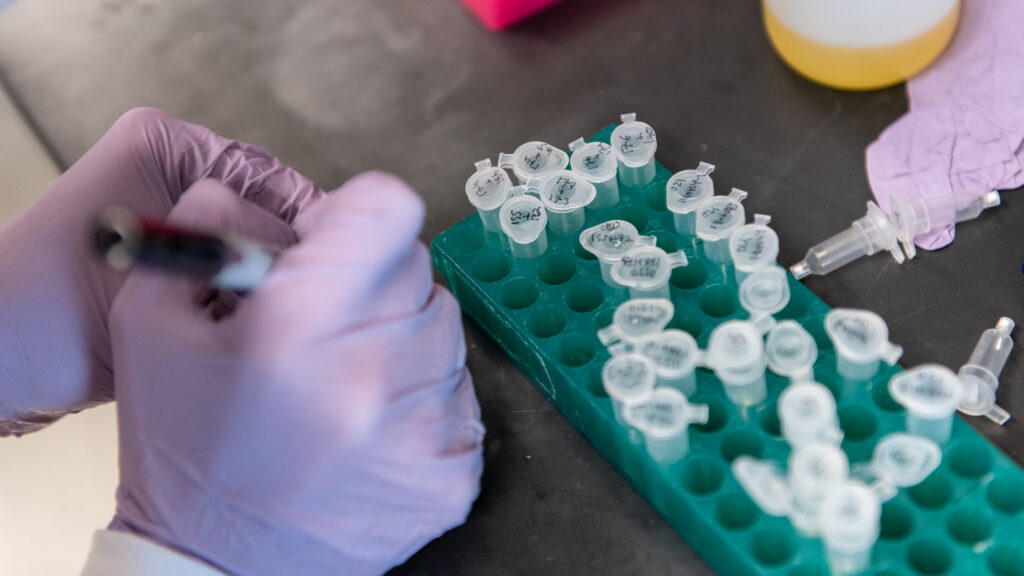
Gladstone and UCSF scientists developed a method to genetically edit myeloid cells, immune cells that act as the body’s first responders.
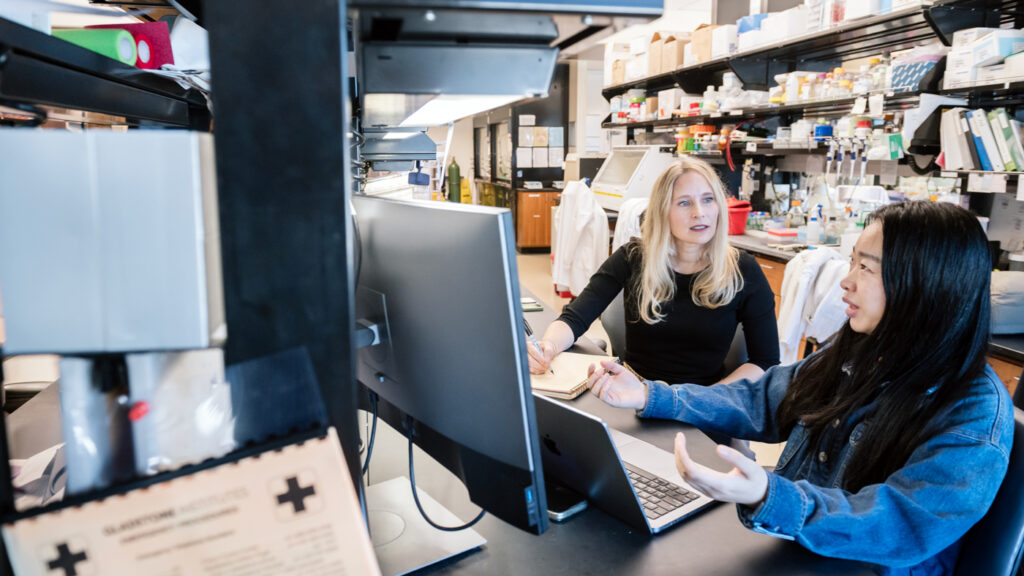
A new screening platform uncovers gene edits that enhance CAR-T cells’ ability to infiltrate and eliminate solid tumors.
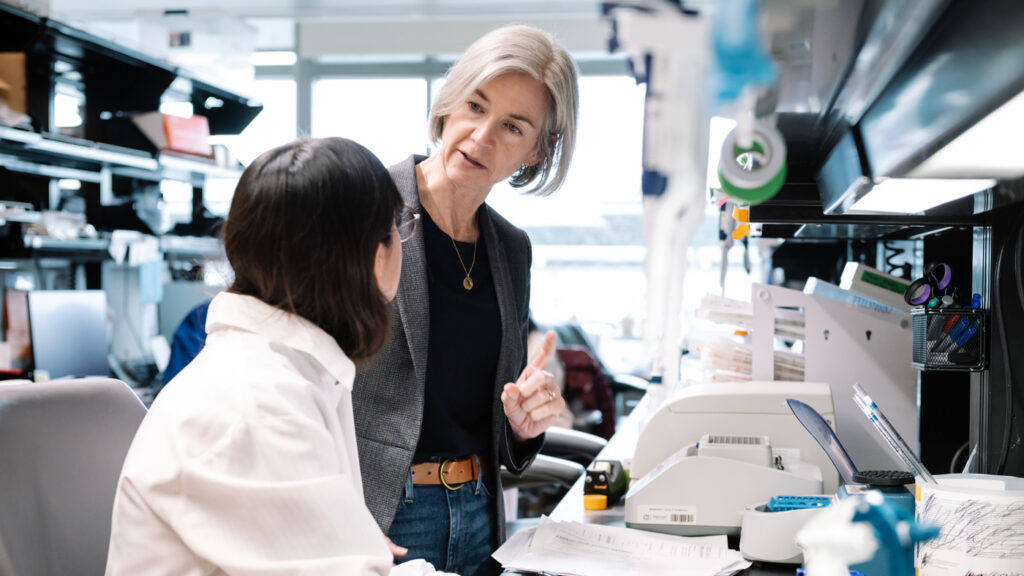
An innovative chromatin-shredding technique shown to destroy cancer cells carrying a prevalent mutation while keeping healthy cells intact.

Our people are our most important asset. We offer a wide array of career opportunities both in our administrative offices and in our labs.
Open PositionsDiscoveries don’t stay in our labs. Gladstone facilitates spinout companies to advance promising therapies, shortening the path between scientific discovery and helping real patients.
Learn MoreYour gift to Gladstone will allow our researchers to pursue high-quality science, focus on disease, and train the next generation of scientific thought leaders.
Donate Now