Disease
Heart Failure

Heart Failure

Disease Banner Image

Cardiovascular disease is the leading cause of death worldwide—just as it was in 1979, when Gladstone was founded with the express purpose to study the heart.

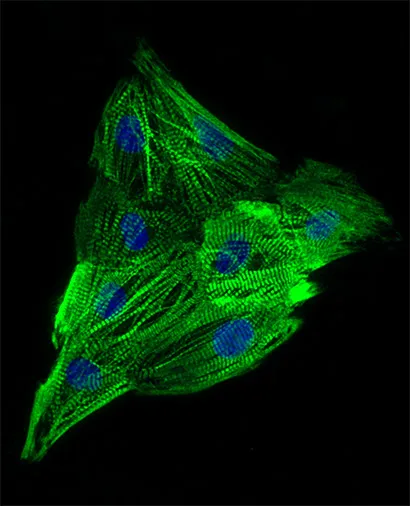
Early on, our scientists made key discoveries that led to statin therapies for high cholesterol. Today, Gladstone accelerates cardiovascular research by leveraging two paradigm-shifting technologies: induced pluripotent stem cells and CRISPR gene editing.

While adult heart muscle cells don’t regrow, stem cells can repair damaged hearts in ways never before possible. Gladstone also recently discovered the molecular mechanisms that explain why women with diabetes are five times more likely to give birth to a baby with a heart defect. Findings could lead to critical interventions for the most common congenital disorder.

Understanding the Causes of Heart Failure

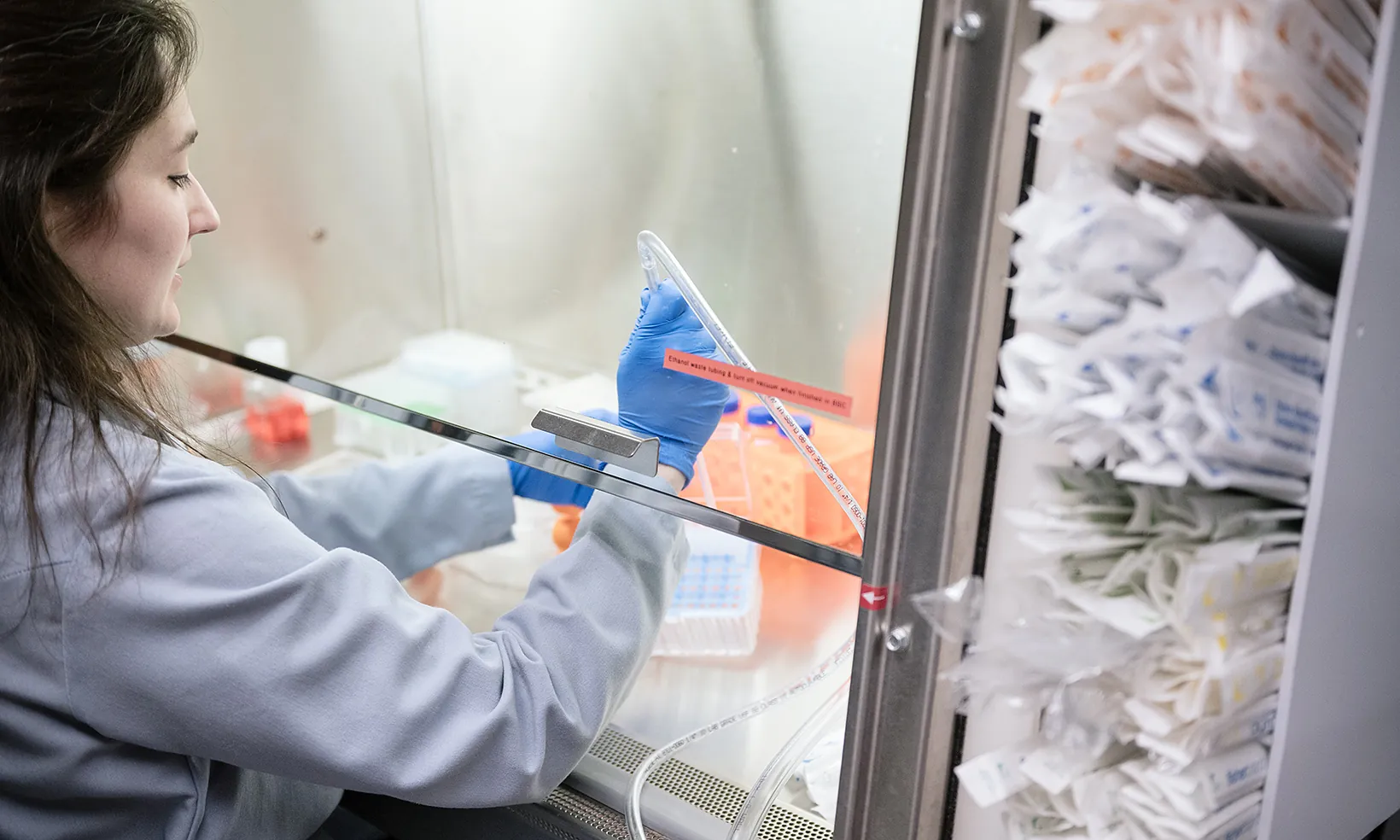
Scientist doing an experiment at a lab bench

Heart failure is a chronic condition that stems from the heart’s inability to pump enough blood through the body to sustain the function of other organs. It manifests by shortness of breath, tiredness and swollen legs.

Heart failure affects approximately 6 million people in the United States and 40 million people worldwide. The prevalence increases notably after age 65.

Heart failure affects approximately 6 million people in the United States and 40 million people worldwide.

Heart failure can develop as a consequence of a variety of conditions that impair the anatomy or efficiency of the heart. These include high blood pressure, which increases the blood vessels’ resistance to blood flow, cardiac infarct, which causes part of the heart tissue to die, or amyloidosis, the presence of abnormal protein deposits that stiffen the heart muscle. Other causes include alcohol abuse, infections or genetic mutations leading to cardiac anomalies.

How Scientists Are Using Gene Therapy to Regenerate Heart Tissue

Gladstone President Deepak Srivastava, MD, explains groundbreaking research in cardiac regenerative medicine. Scientists have discovered how to reprogram adult cells using specific master genes, potentially offering new treatments for heart failure.

How Gladstone Scientists Are Tackling Heart Failure

Scientists at Gladstone are working to better understand the underlying causes of heart failure and develop new therapies to repair damaged hearts. Over the past several decades, Gladstone researchers have made major advances in cardiovascular biology, including uncovering genetic causes of heart disease, pioneering cellular reprogramming approaches that convert scar tissue into beating heart cells, and identifying molecular pathways that drive fibrosis and inflammation in failing hearts. Today, Gladstone teams combine stem cell biology, genomics, AI, and regenerative medicine to uncover new treatment strategies for heart failure and related cardiovascular diseases.

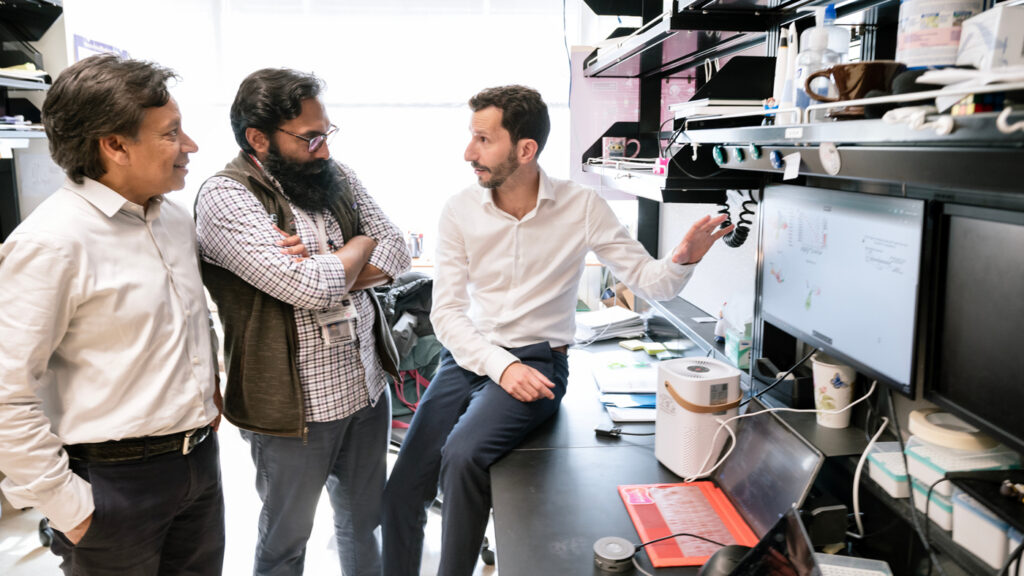
Deepak Srivastava, Michael Alexanian, and another scientist discussing something on a computer screen at a lab bench
Arresting Progressive Heart Failure
Deepak Srivastava, Michael Alexanian, and another scientist discussing something on a computer screen at a lab bench

Heart failure worsens over time as strain on the heart triggers fibrosis, or scarring, that stiffens heart tissue and reduces its ability to pump blood. Researchers in the Alexanian, Srivastava, and Pollard Labs uncovered how specialized immune cells sense stress in the heart and activate fibroblasts—the cells responsible for producing scar tissue. In a series of studies published in Nature, the team identified a key “transcriptional switch” that drives fibrosis. By blocking this switch, researchers prevented scarring in the heart, opening promising new therapeutic strategies to halt or even reverse heart failure progression. Because fibrosis also affects organs such as the lungs, liver, and kidneys, these discoveries could have broad implications beyond cardiovascular disease.
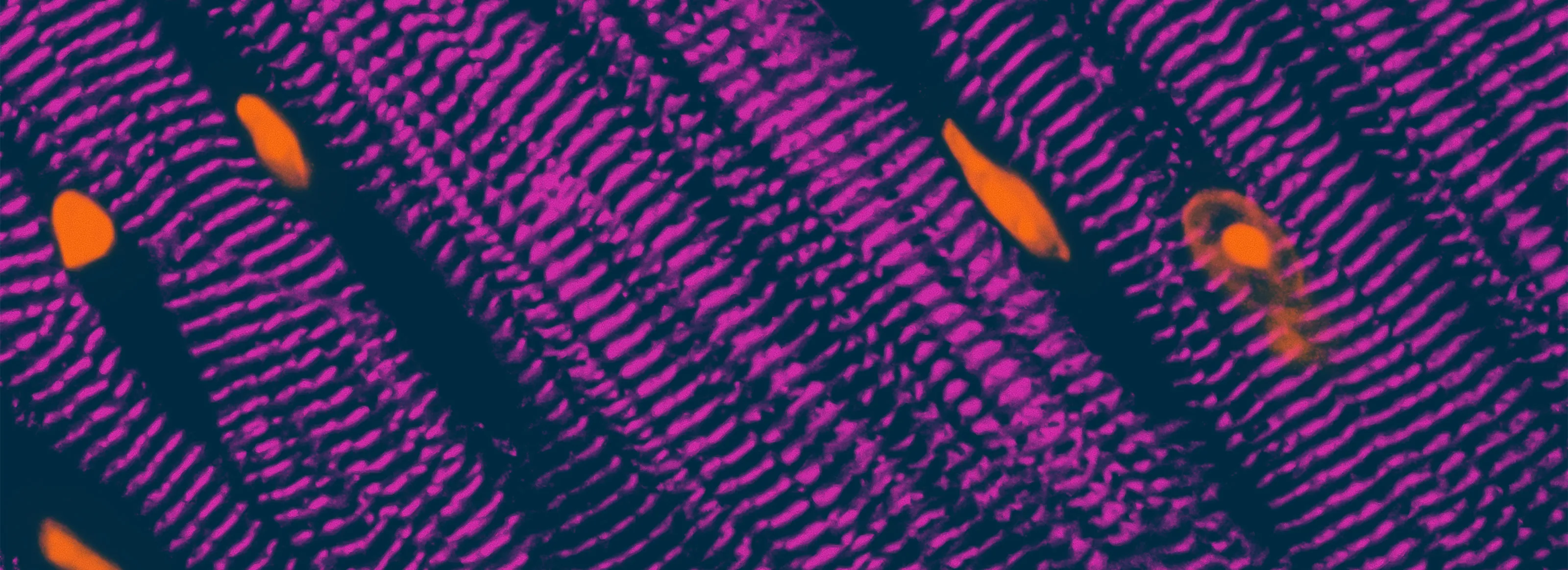
Scientific image of an Aortic Valve
Developing a First-in-Class Therapy for Aortic Valve Disease
Scientific image of an Aortic Valve

Researchers are combining AI, stem cell biology, and CRISPR gene editing to develop the first medical therapy for aortic valve stenosis—a common disease in which the heart’s aortic valve becomes calcified and narrowed over time. The condition increases strain on the heart and can ultimately lead to heart failure. Currently, the only treatment is surgical valve replacement, with more than 100,000 procedures performed each year in the United States alone. Gladstone scientists have developed advanced computational and experimental tools to identify harmful genetic variants and test potential therapies designed to stop or reverse valve calcification before surgery is needed. These findings may also help address vascular calcification, a related condition that affects blood vessels throughout the body.

Christina Theodoris sitting a desk with another scientists reviewing something on the computer together
Regenerating Damaged Heart Muscle
Christina Theodoris sitting a desk with another scientists reviewing something on the computer together

After a heart attack, damaged heart muscle has little natural ability to regenerate. Scientists in the Srivastava and Bruneau Labs are developing new strategies to help the heart repair itself using its own cells. Their work focuses on two approaches: stimulating existing heart muscle cells to divide and multiply, and reprogramming scar-forming fibroblasts into healthy beating heart cells.

In addition, the Theodoris and Srivastava Labs are discovering genetic causes of heart disease that are now ripe for therapeutic intervention. Using lipid nanoparticles and delivery technologies pioneered by Nobel Prize-winning scientist Jennifer Doudna, Gladstone teams aim to safely deliver regenerative and gene-editing therapies directly to the heart.

Our Experts

Science in Seconds | Researchers Pinpoint Key Gene Behind Heart Defects in Down Syndrome
Read
Video November 3, 2025

Science in Seconds | Researchers Pinpoint Key Gene Behind Heart Defects in Down Syndrome

In this video, Gladstone scientists share how they used stem cells, gene editing, and AI to identify a gene driving heart defects in Down syndrome—and how reducing its levels in mice restored normal heart development, offering hope for future treatments