



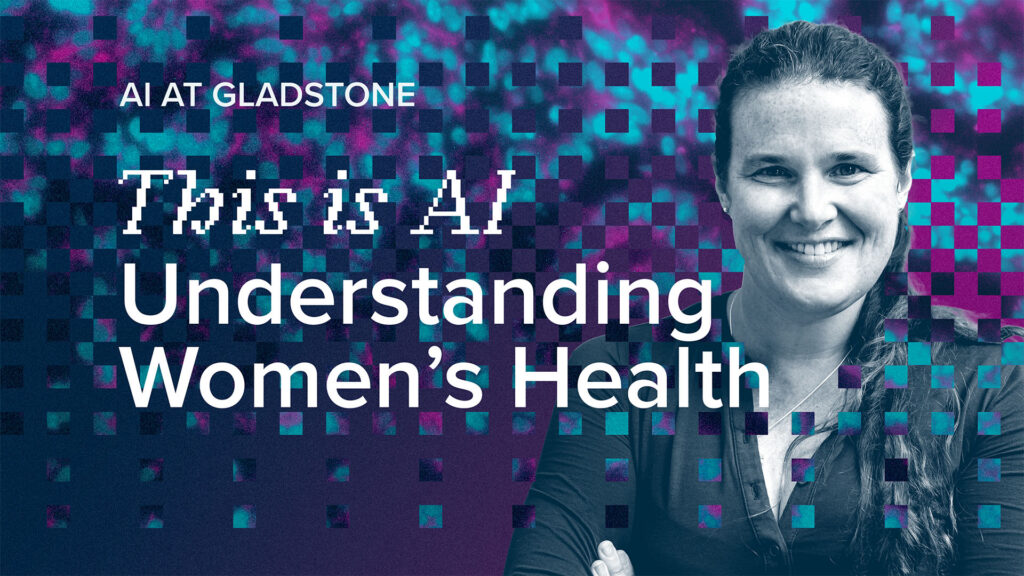
This Is AI Understanding Women’s Health
In this video, Barbara Engelhardt and Deepak Srivastava explain how AI can be used to empower women to understand how their periods reflect their health.

Papers published in 2025 in scientific journals
Most highly cited researchers in the world in 2025
Issued patents
Start-ups founded on Gladstone-licensed technology since 2015
Raised and realized by Gladstone start-ups, based on Gladstone technology
Translational research support negotiated and executed, 2020 – 2025

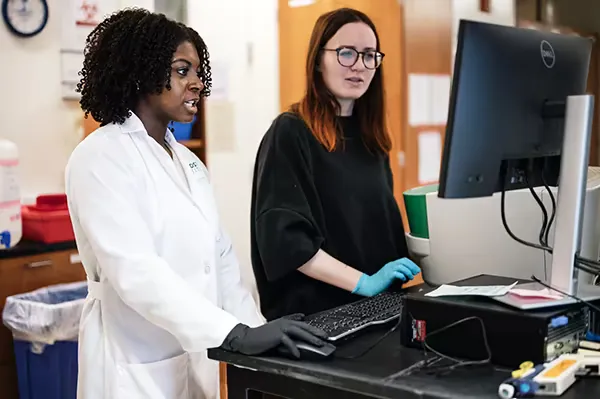
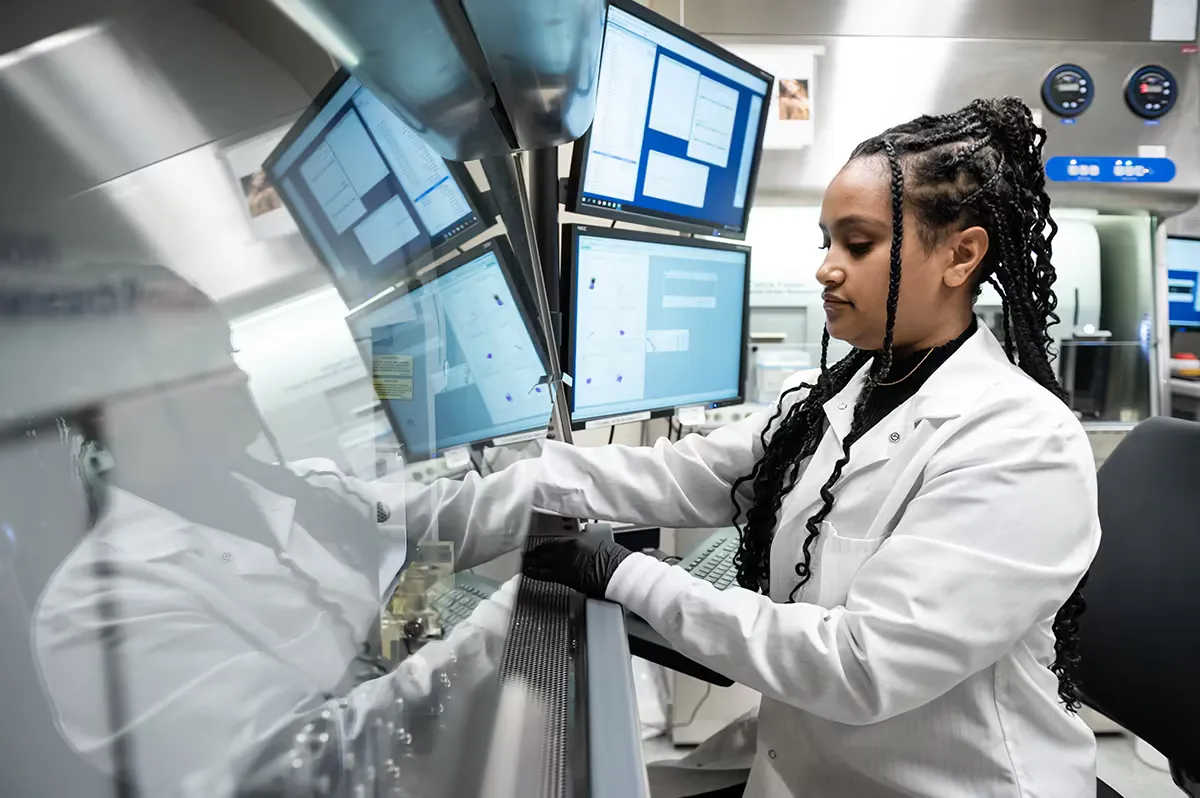
Gladstone is located in San Francisco, surrounded by three world-class universities and at the epicenter of a thriving biotech and venture capital ecosystem. Our streamlined leadership structure and unique culture allow us to pursue the boldest scientific ideas as urgently as we can, to ultimately help as many patients as possible.



Gladstonians
PhD & Postdoc Students
Scientists
Research Administration
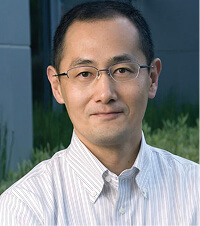
Nobel Prize Winners
Members of the National Academy of Medicine
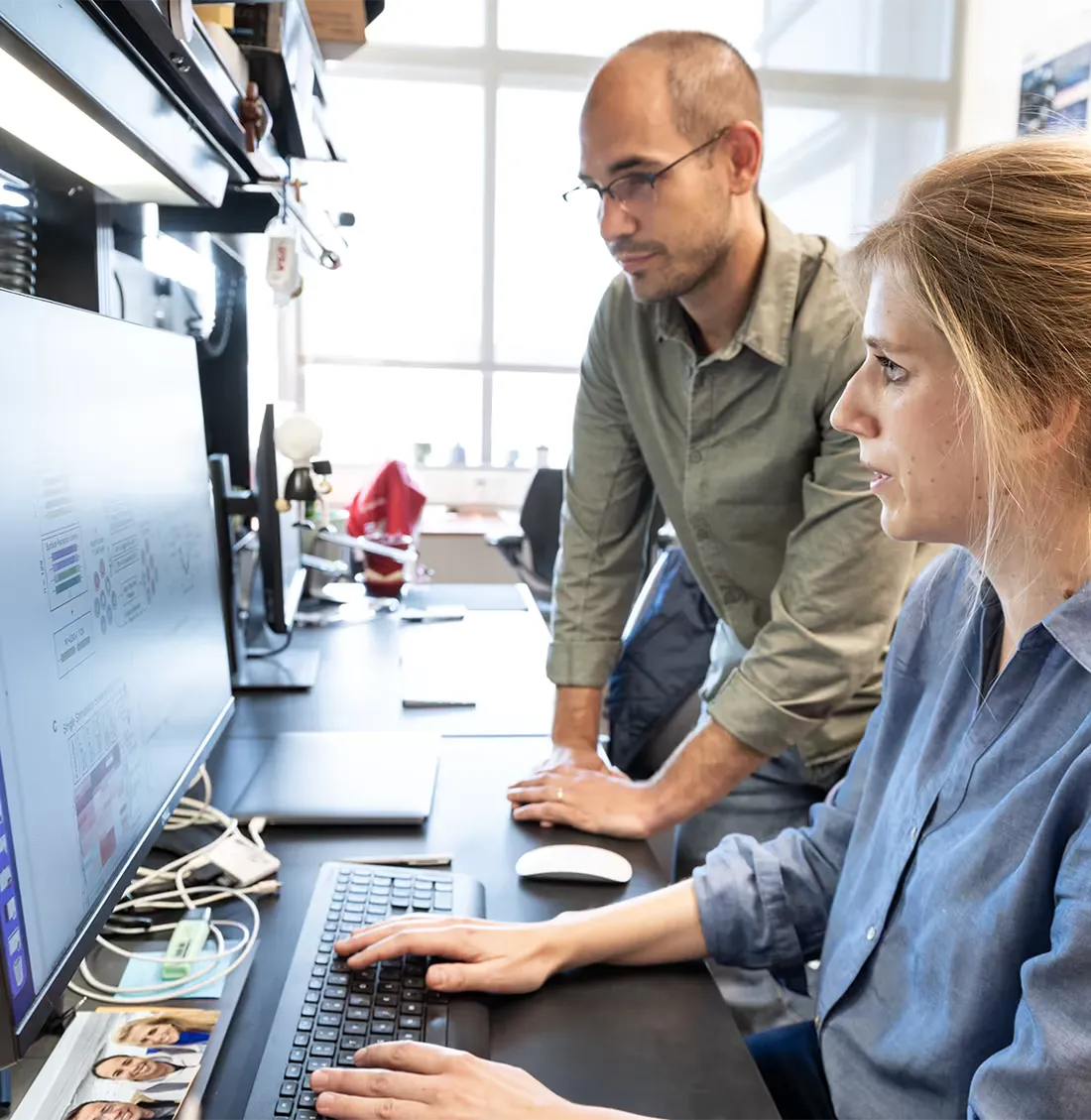





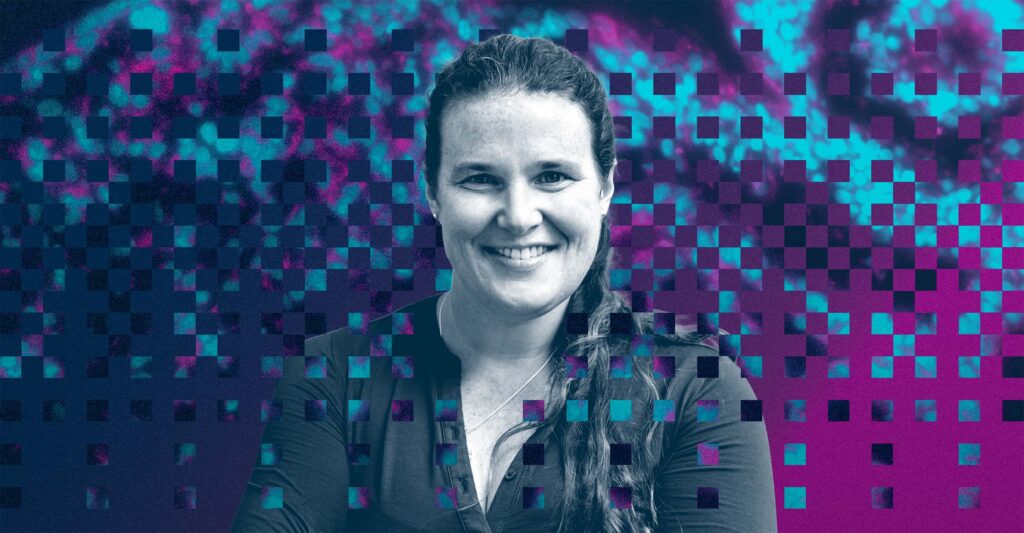
A Gladstone-led study is collecting data from thousands of women wearing Oura Rings to make sense of what’s normal—and what could signal problems—when it comes to the menstrual cycle.
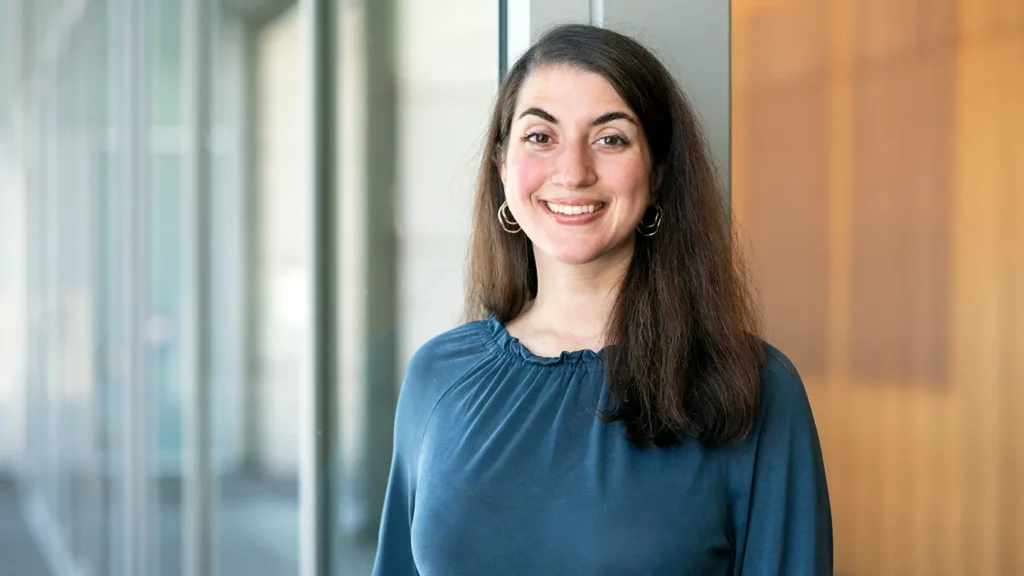
The prestigious honor is presented by the American Society for Clinical Investigation to a physician-scientist making transformative contributions to biomedical research.

Physician-scientists and directors at Gladstone Institutes, Ott and Marson are honored for their pioneering achievements in science and medicine.
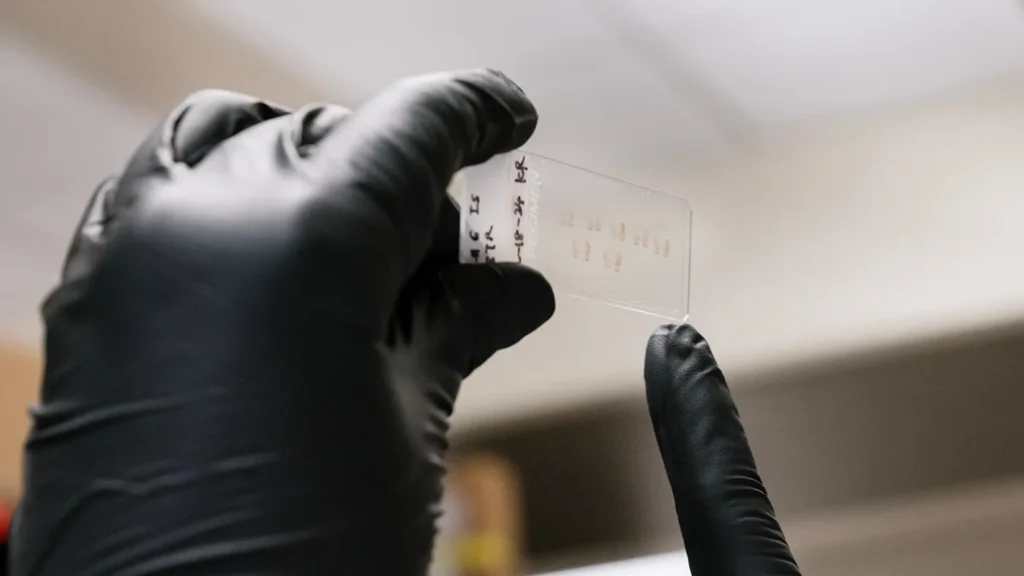
Research in mice reveals how critical brain cells misfire in Alzheimer’s and identifies a targeted strategy to restore healthy brain rhythms.
Our people are our most important asset. We offer a wide array of career opportunities both in our administrative offices and in our labs.
Open PositionsDiscoveries don’t stay in our labs. Gladstone facilitates spinout companies to advance promising therapies, shortening the path between scientific discovery and helping real patients.
Learn MoreYour gift to Gladstone will allow our researchers to pursue high-quality science, focus on disease, and train the next generation of scientific thought leaders.
Donate Now