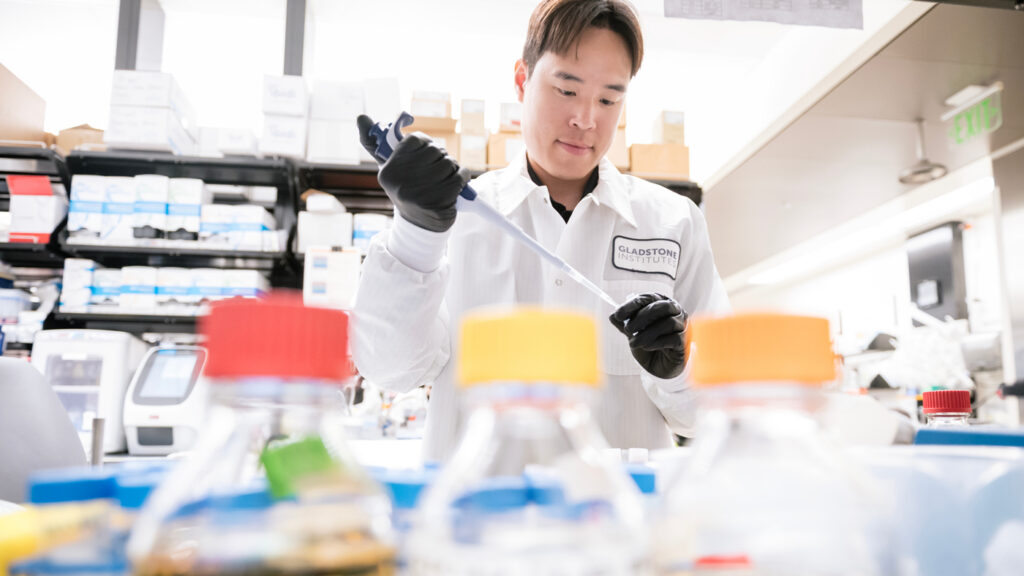
Novel Biosensor Uses DNA ‘Barcodes’ to Uncover Disease Signals in Cells
Inspired by bacterial biology, the Gladstone-developed “Detectron” opens up new possibilities for disease research and potentially treatments.
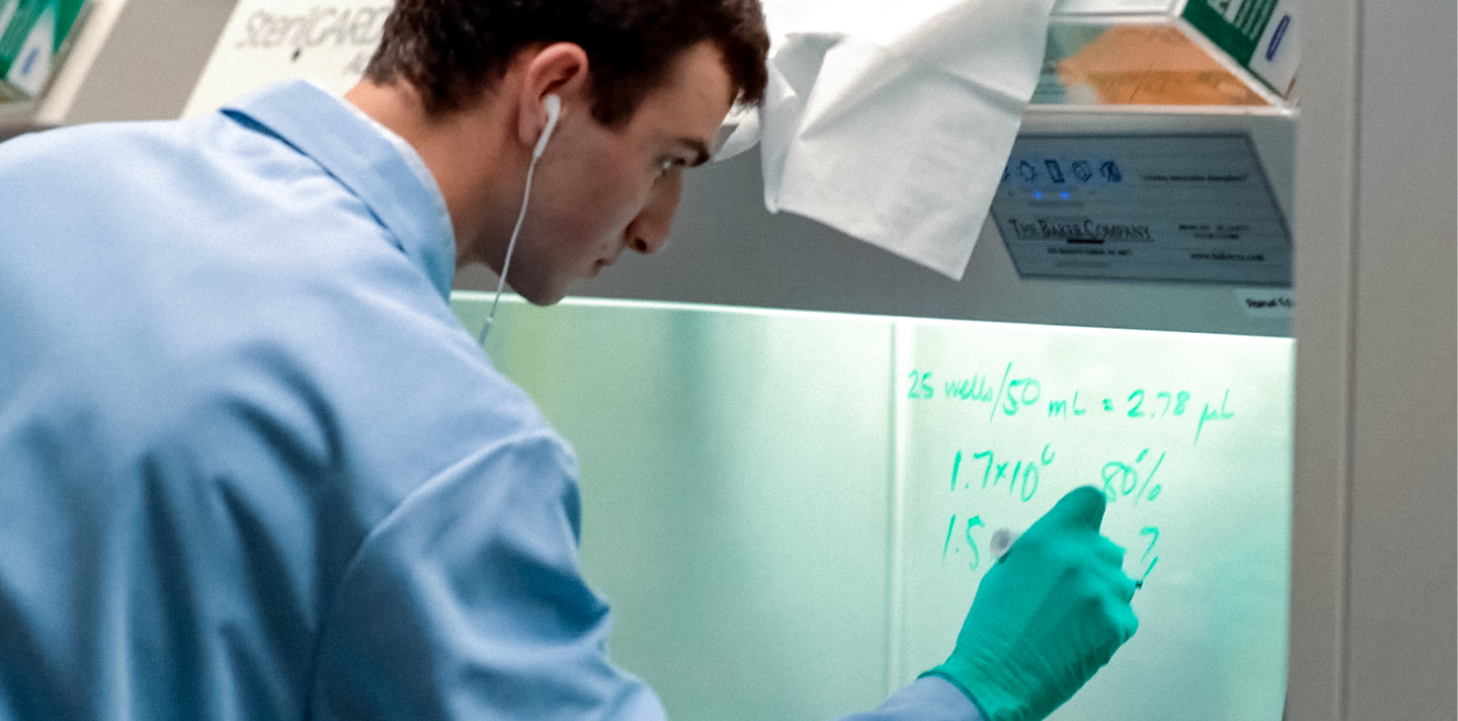
Scientists at Gladstone use iPS cells to better understand, prevent, treat, and cure some of the world’s most devastating diseases.
Gladstone strategically built a diverse community of scientific and clinical experts whose mission is to make groundbreaking scientific discoveries and bring these advances to the clinic. With expertise in stem cell biology, medicine, chemistry, and engineering, Gladstone is uniquely positioned to tackle complex problems from various angles with a highly collaborative, team-based approach.
The Roddenberry Stem Cell Center is an international powerhouse in stem cell research. Established in 2011 with a gift from the Roddenberry Foundation in honor of Eugene Roddenberry, the creator of Star Trek, the center operates with a vision of disrupting basic and translational stem cell science.
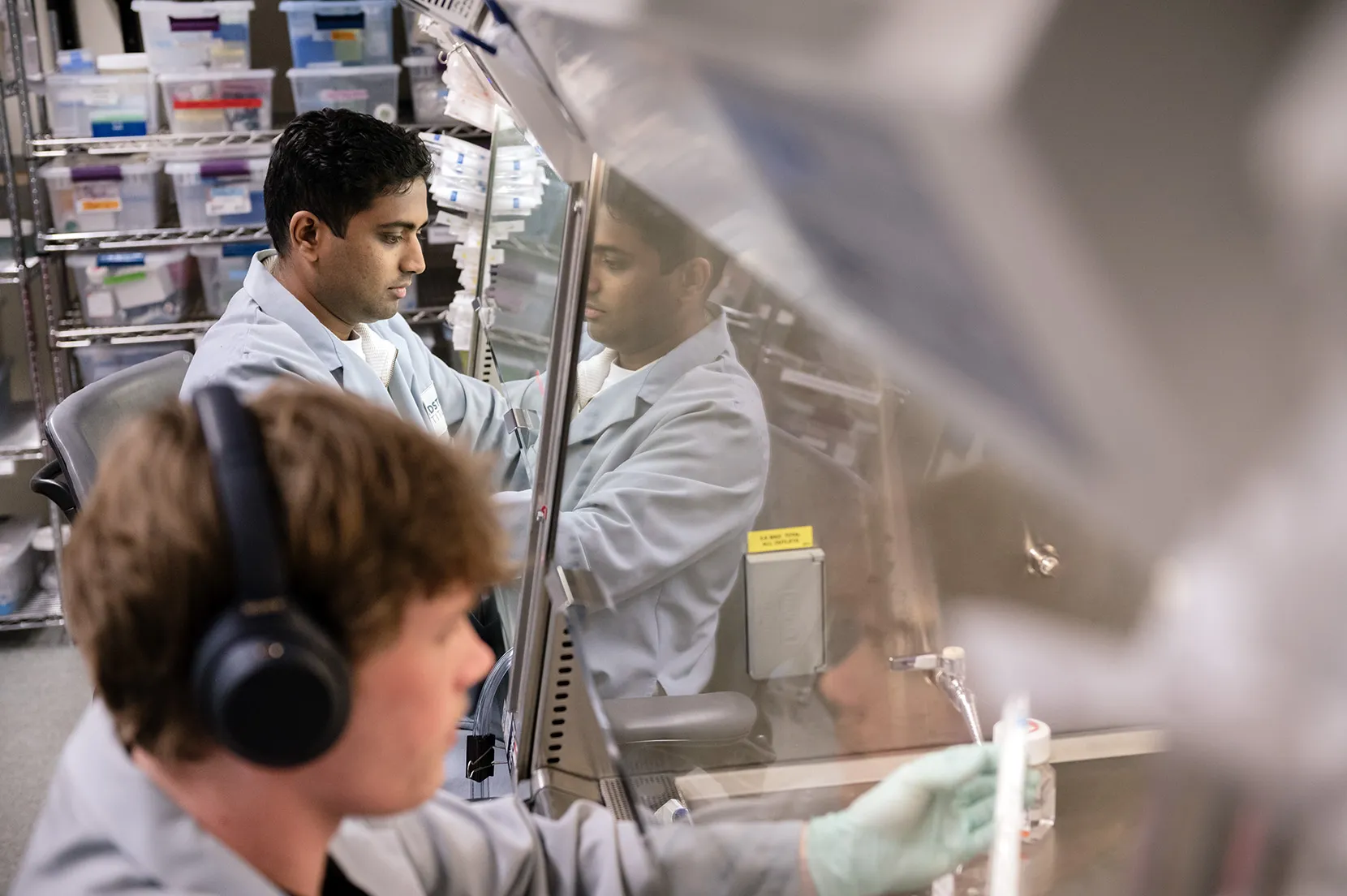
The Roddenberry Stem Cell Center provides resources for the Gladstone community to pursue new biomedical discoveries and conduct the rigorous testing needed to translate their most promising findings to the clinic. IPS cells provide unparalleled insight into genetic diseases, empower personalized medicine, and may someday be used to generate tissues and organs for transplantation. The efforts of the Roddenberry Stem Cell Center help Gladstone scientists unlock this tremendous potential of stem cells to advance human health and transform the treatment of disease.
Your gift to Gladstone will allow our researchers to pursue high-quality science, focus on disease, and train the next generation of scientific thought leaders.
DONATE NOW
Ayush Midha, a graduate student in the Jain Lab, studies how the body's metabolism adapts to low oxygen—work that's uncovered backup energy pathways, potential fertility treatments, and a link between oxygen levels and tumor growth.
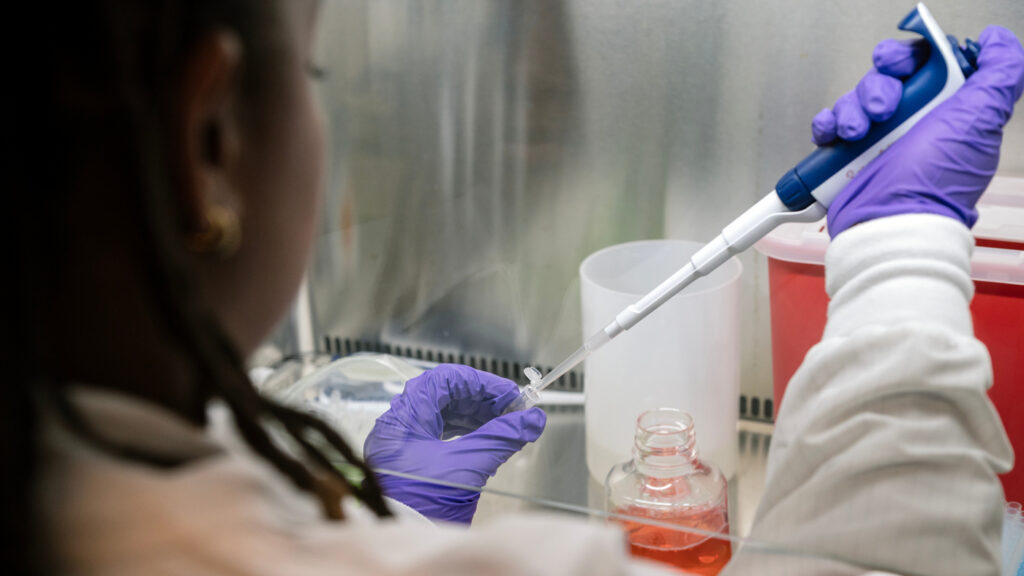
A new discovery reveals how a SARS-CoV-2 protein reprograms immune cells to accelerate viral spread—and points to a new strategy for therapeutic intervention.
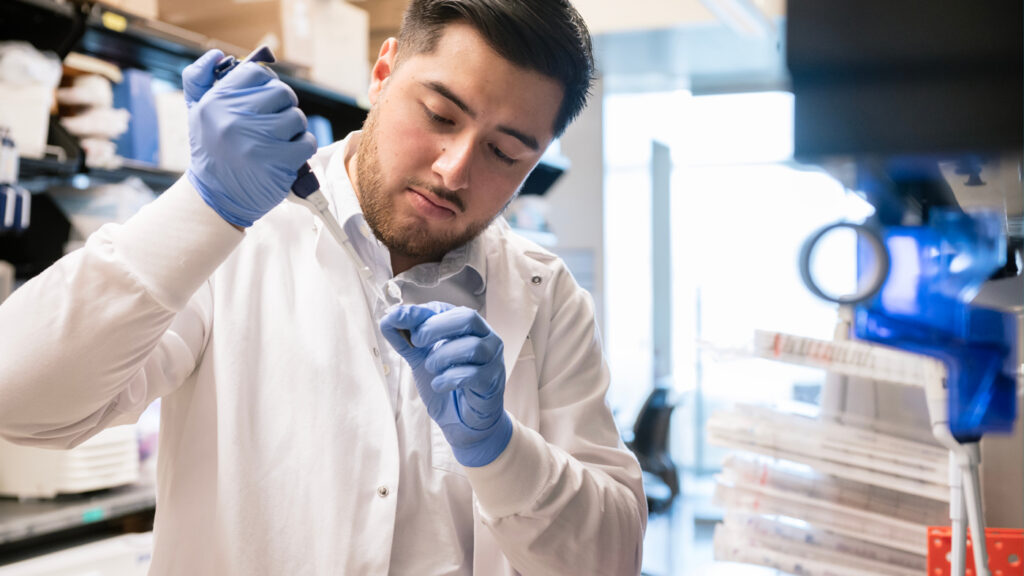
The fellowship provides three years of funding for graduate students pursuing groundbreaking immunology research.

Takahashi is recognized for his pioneering work translating iPS cell technology into a clinically approved therapy for Parkinson’s disease.
Our people are our most important asset. We offer a wide array of career opportunities both in our administrative offices and in our labs.
Open PositionsDiscoveries don’t stay in our labs. Gladstone facilitates spinout companies to advance promising therapies, shortening the path between scientific discovery and helping real patients.
Learn MoreYour gift to Gladstone will allow our researchers to pursue high-quality science, focus on disease, and train the next generation of scientific thought leaders.
Donate Now