
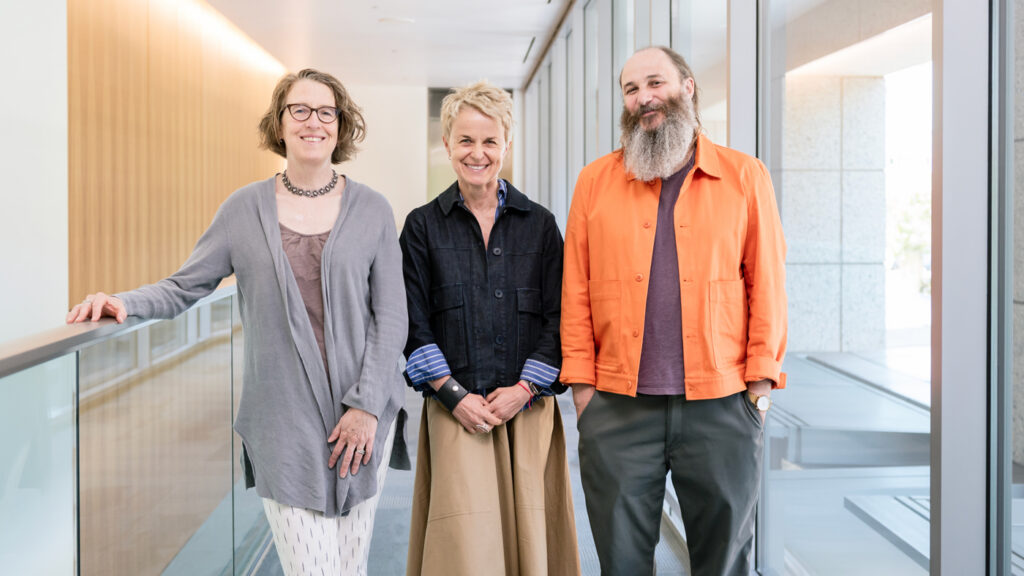
Gladstone’s Melanie Ott and Alex Marson Elected to the National Academy of Medicine
Physician-scientists and directors at Gladstone Institutes, Ott and Marson are honored for their pioneering achievements in science and medicine.
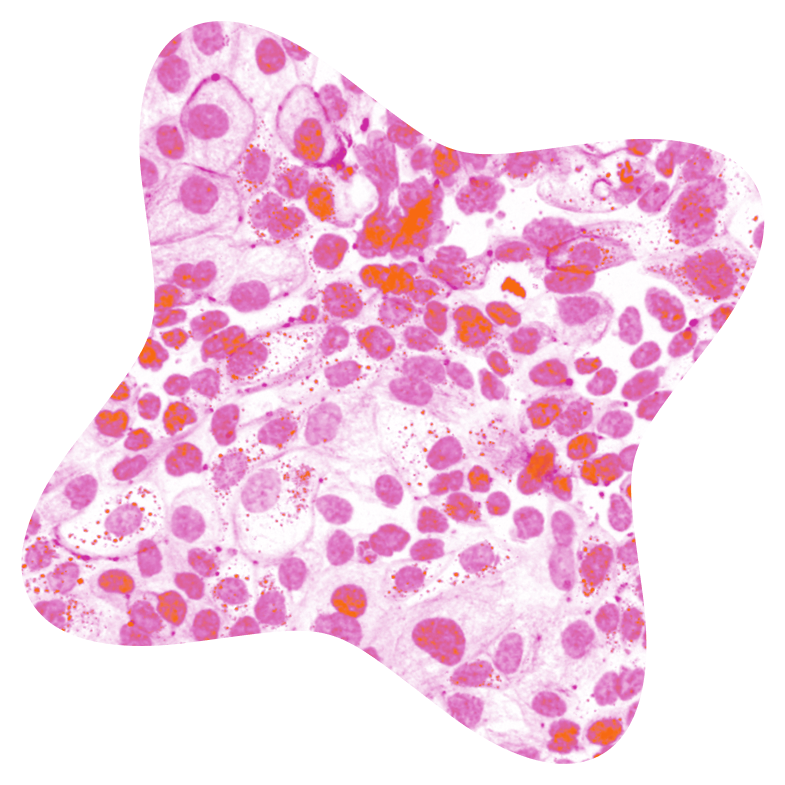
The institute integrates cutting-edge basic science with translational programs and global partnerships to accelerate new diagnostics, vaccines, and therapies. Their highly collaborative research combines virology, bacteriology, immunology, proteomics, systems biology, bioengineering, and computational approaches. The institute’s goals are to detect, prevent, and treat infectious diseases; prepare for global pandemics; and understand how exposure to microbes can cause chronic diseases.
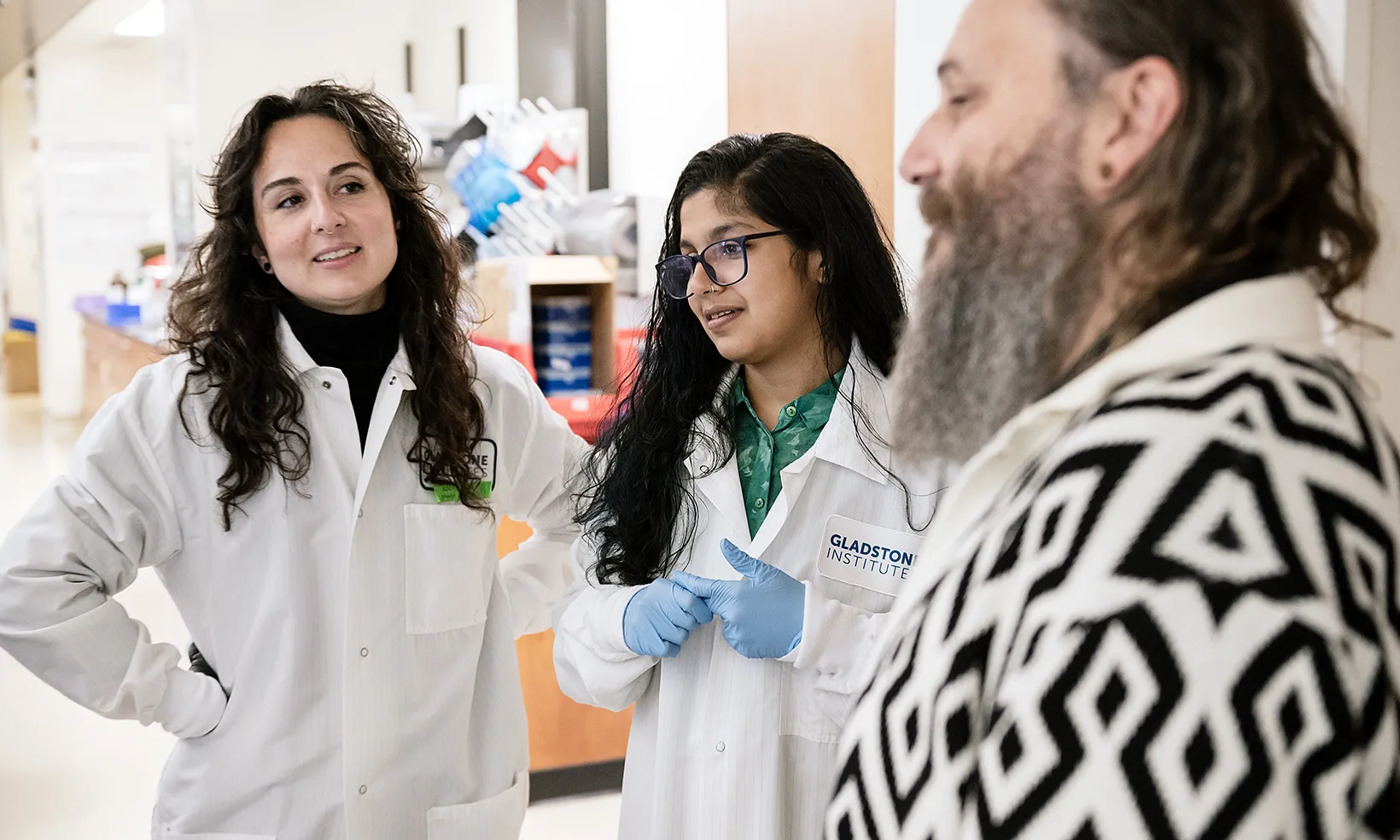
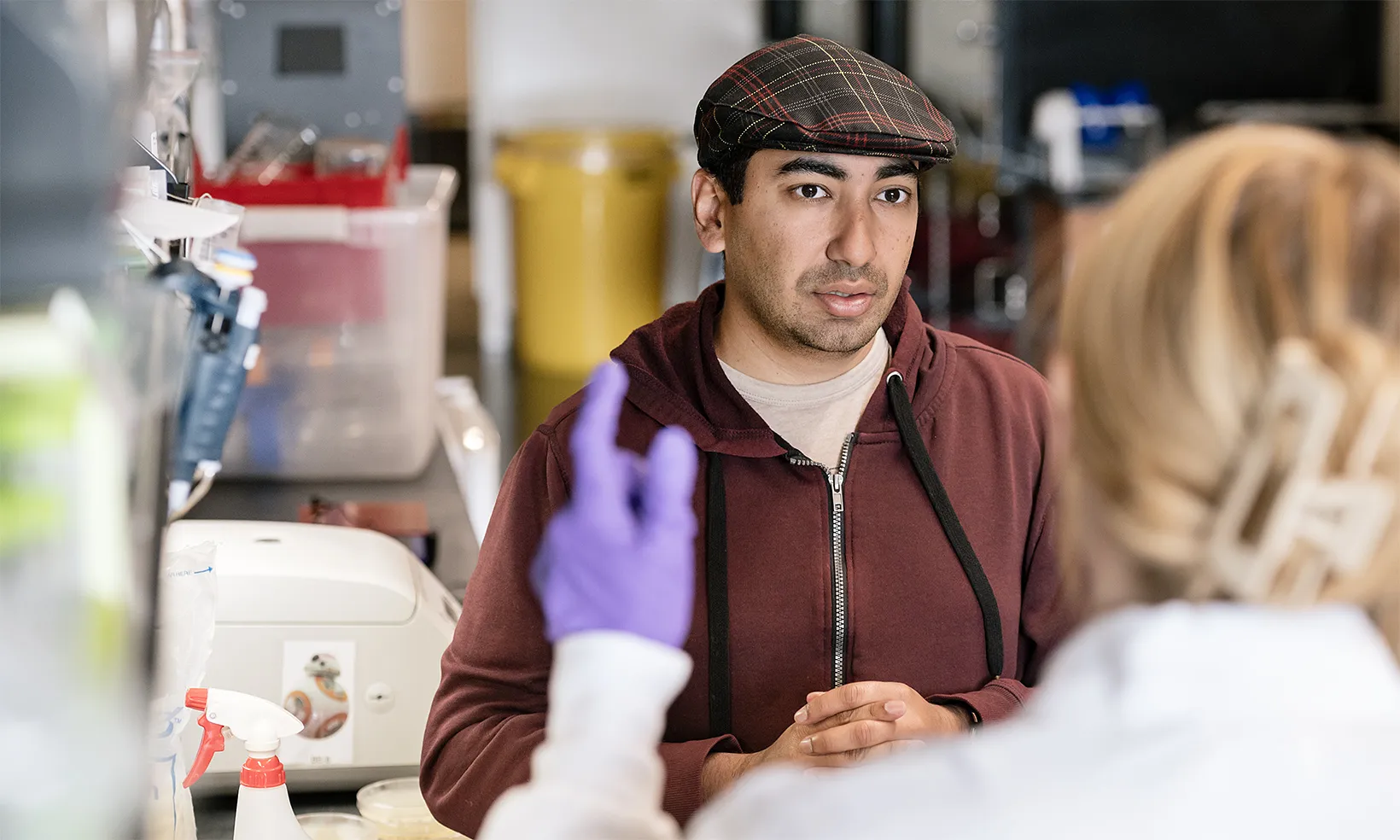

Researchers at the Gladstones Infectious Disease Institute pioneered the use of antiretroviral therapy for HIV prevention and mounted a swift response to the COVID-19 pandemic by creating novel approaches for diagnosis, prevention, and treatment. Their innovations include the first host-SARS-CoV-2 interaction map, which revealed existing FDA-approved medications that could serve as antiviral therapies. They also developed an enhanced “combination” mRNA vaccine with improved effectiveness, created rapid diagnostic tools that utilize CRISPR technology and smartphones, and produced virus-like particles that enable researchers to study emerging viral variants.




Jennifer Doudna, PhD
Senior Investigator, Gladstone Institutes

Magnus Hoffmann, PhD
Assistant Investigator, Gladstone Institutes

Nevan Krogan, PhD
Senior Investigator, Gladstone Institutes
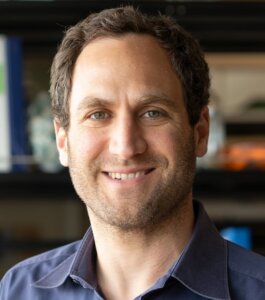
Alex Marson, MD, PhD
Connie and Bob Lurie Director, Gladstone-UCSF Institute of Genomic Immunology

Melanie Ott, MD, PhD
Director, Gladstone Infectious Disease Institute

Nadia Roan, PhD
Senior Investigator, Gladstone Institutes
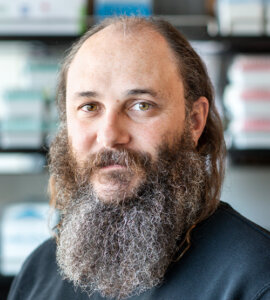
Seth Shipman, PhD
Associate Investigator, Gladstone Institutes

Sukrit Silas, PhD
Assistant Investigator, Gladstone Institutes
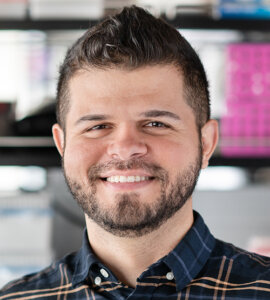
Taha Taha, PharmD, PhD
Research Investigator, Gladstone Institutes

Gladstone scientists don’t just study infectious disease—they teach others how to fight it too. Learn about our award-winning training programs shaping the next wave of researchers.
FROM THE DIRECTOR
Our goal is to discover the most impactful infectious disease mechanisms and translate basic scientific discoveries into cutting-edge vaccines, diagnostics, and treatments.

Melanie Ott, MD, PhD
Director, Gladstone Infectious Disease Institute
A new discovery reveals how a SARS-CoV-2 protein reprograms immune cells to accelerate viral spread—and points to a new strategy for therapeutic intervention.
New research links long COVID to changes in virus-specific immune cells, particularly in women.

The Gladstone scientist, an expert in vaccine development, is recognized for his pioneering approach to advancing human health and medicine.
The center, funded by an NIH grant, will become one of three national centers dedicated to accelerating the development of phage therapy.
Our people are our most important asset. We offer a wide array of career opportunities both in our administrative offices and in our labs.
Open PositionsDiscoveries don’t stay in our labs. Gladstone facilitates spinout companies to advance promising therapies, shortening the path between scientific discovery and helping real patients.
Learn MoreYour gift to Gladstone will allow our researchers to pursue high-quality science, focus on disease, and train the next generation of scientific thought leaders.
Donate Now