Inside the Brain: Tackling Neurological Disease at Its Roots
For World Brain Day, discover some of Gladstone’s latest breakthroughs in neurological research.
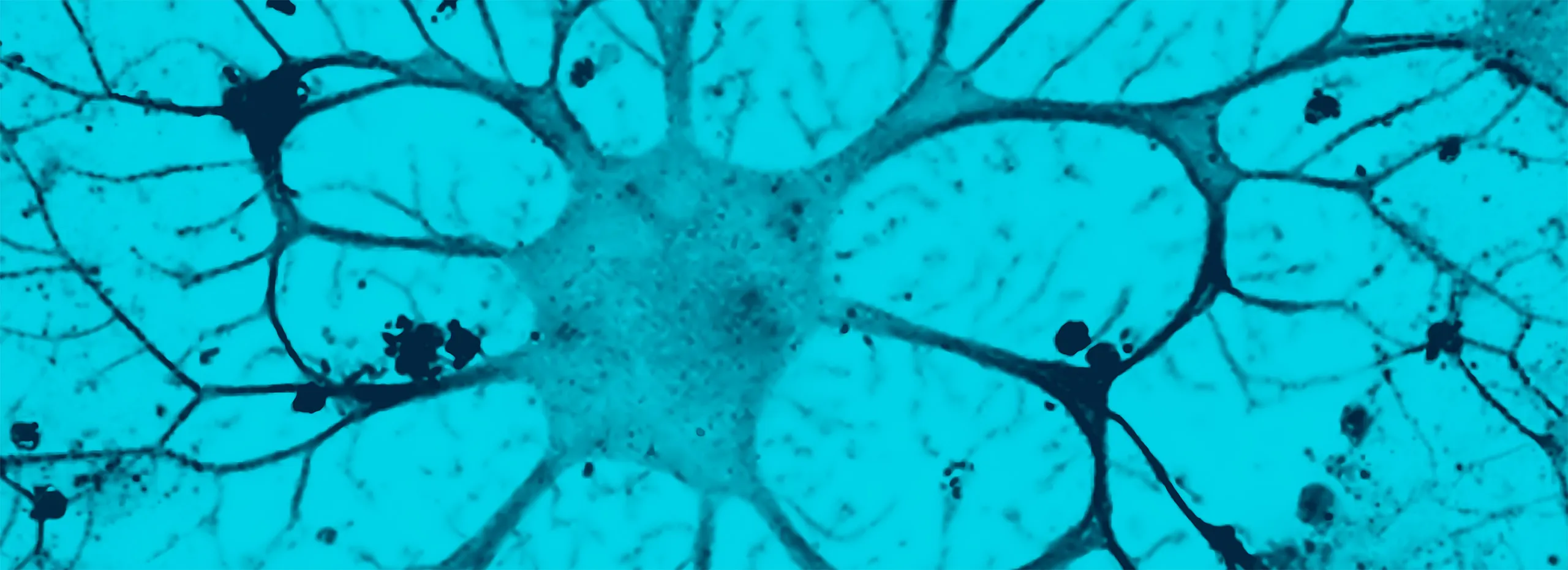
Every year, an estimated 69 million people worldwide, including 2.8 million Americans, suffer a traumatic brain injury. It’s the leading cause of mortality for those under 21 years old and an important consequence of fall-related trauma in older adults. For survivors, these injuries significantly elevate long-term risks for epilepsy, cognitive and behavioral impairments, chronic sleep disruption, Alzheimer’s disease and other dementias.
For most traumatic brain injury victims, the main therapeutic options are supportive care and physical rehabilitation. Scientists at Gladstone are working to expand these options by studying how the brain tries to repair itself after a traumatic brain injury and how it can mistakenly cause more damage in the process. Their goal is twofold: intercept the development of secondary damage before it becomes permanent, and discover ways to more effectively treat established neurological and cognitive complications after they take hold.
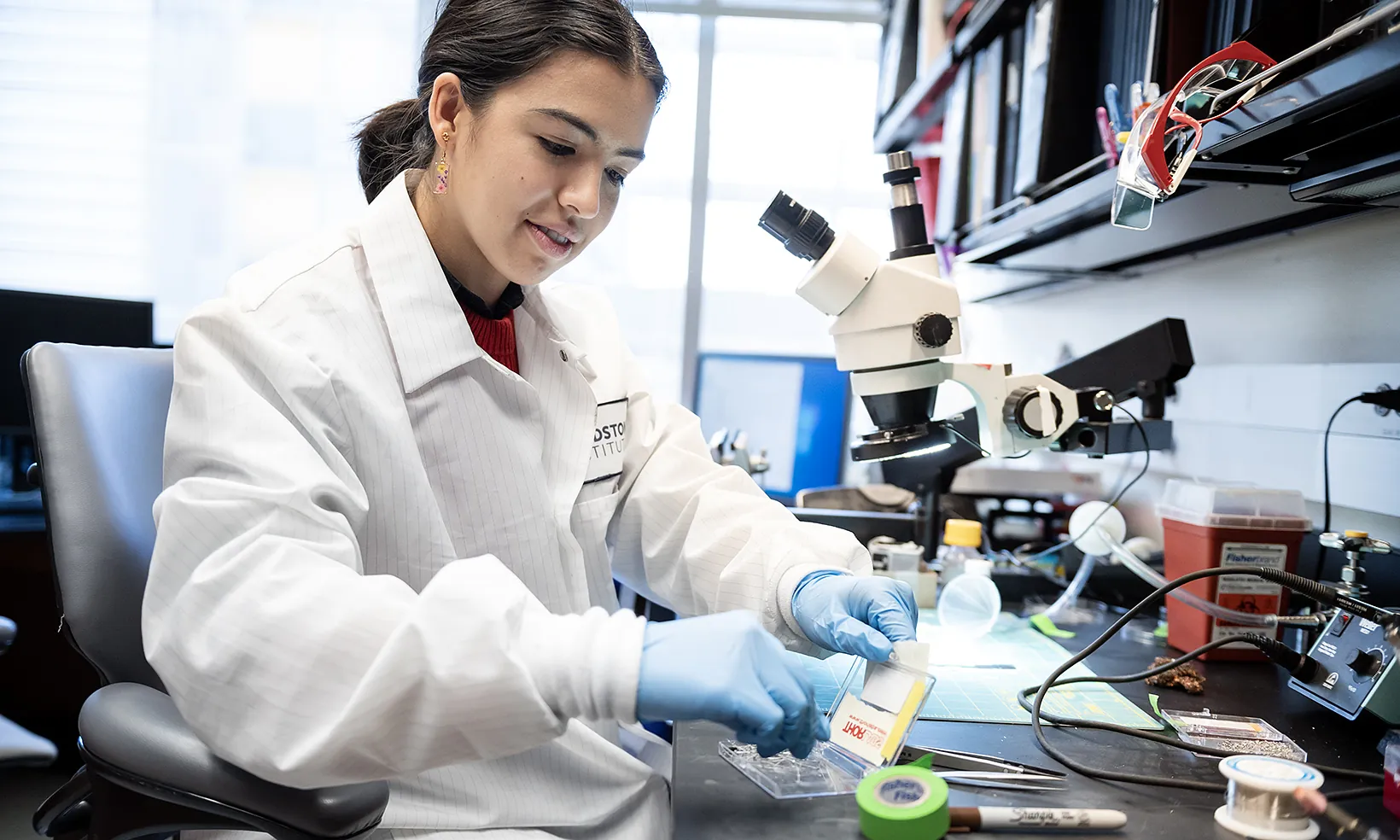
Traumatic brain injury occurs when a sudden blow, jolt, or penetrating injury disrupts the brain’s normal function. The initial impact damages brain cells, blood vessels, and protective tissues, setting off a complex cascade of biological changes throughout the brain.
While the primary injury typically affects the area of the brain that experiences the direct force—often the outermost mantle known as the cortex—the damage does not stop there. In the days, weeks, and months that follow, injured cells release inflammatory signals, blood vessels become compromised, and communication between interconnected brain regions is disrupted. As a result, deeper areas of the brain linked to the cortex through neural networks can undergo secondary damage long after the initial impact.
During this period, the brain undergoes a complex balancing act: protective repair processes try to heal damaged tissue, while harmful processes break down brain networks. However, these processes can be hard to tell apart.
These ongoing, evolving processes can contribute to lasting cognitive, emotional, and physical symptoms, making traumatic brain injury a progressive disease rather than a single event.
Disentangling which biological responses are beneficial versus destructive is essential to developing effective treatments to prevent these complications.
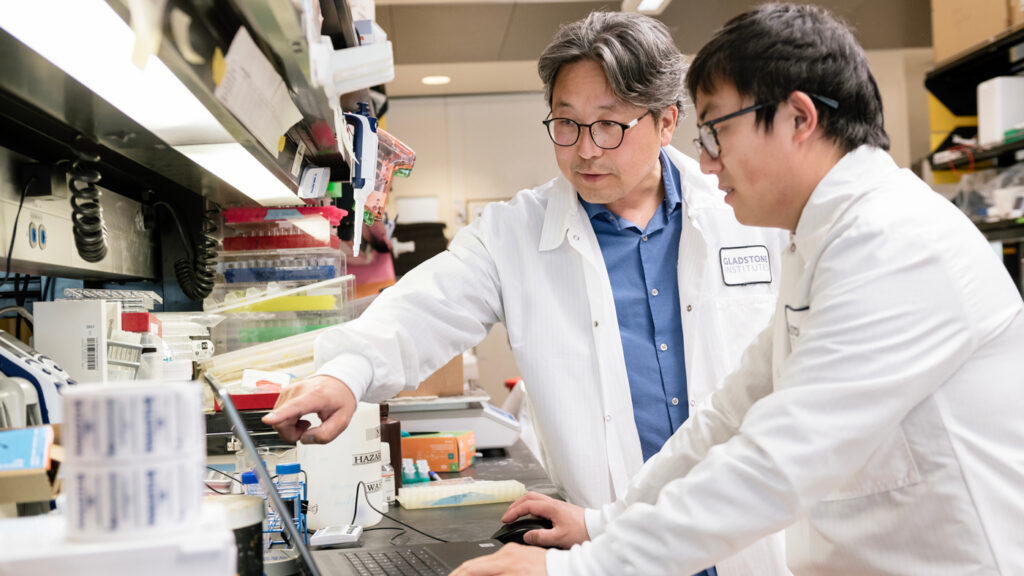
Gladstone scientists are working to decode the brain’s complex response to traumatic brain injuries; specifically, they are disentangling the biological signals that promote healing from those that cause further destruction. By answering these questions, researchers hope to identify new opportunities for therapeutic intervention.
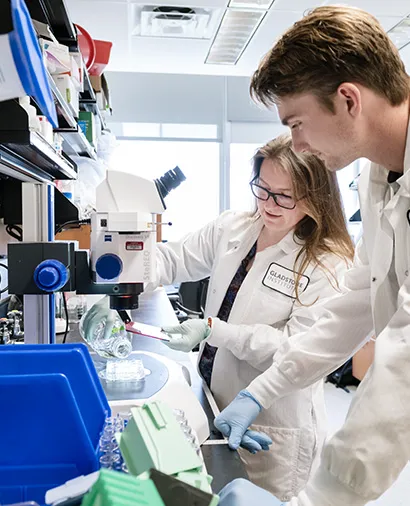
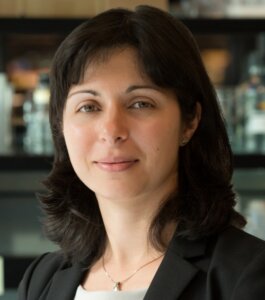
When a traumatic brain injury occurs, damage doesn’t stay in one spot—it can spread to deeper regions of the brain, leading to long-term memory loss, mood and sleep changes, and post-traumatic epilepsy. Jeanne Paz and her team are working to stop this chain reaction. Because beneficial repair processes and destructive immune responses can be hard to differentiate, her team focuses on disentangling these pathways to pinpoint precise targets for new treatments.
To stop damage from spreading after a brain injury, the Paz Lab targets several key biological processes. Her lab found that inhibiting C1q—an inflammatory protein that builds up post-trauma and can cause profound network disruption—prevents progressive damage, restores normal sleep, and prevents prevents “epileptiform discharges,” or brief, sudden bursts of abnormal electrical activity in the brain. They also uncovered three natural protectors: Interferon-gamma (IFN-γ), which acts as an emergency brake to calm overactive brain circuits and prevent fatal seizures, GABA transporter 3 (GAT3), and Semaphorin 3A (Sema3A), a biological shield that protects memory and stops brain tissue damage from expanding.
By uncovering the basic biological principles of brain repair, the Paz Lab also works to understand how traumatic brain injuries can precipitate epilepsy and augment risk for Alzheimer’s and other dementias. Her team is investigating why long-term outcomes vary by sex. Building on these fundamental discoveries, her team explores a range of therapeutic strategies, including innovative stem cell treatments and ways to deliver protective factors while blocking harmful ones, to lay the foundation for future treatments against memory loss, behavioral disorders, post-traumatic epilepsy, and neurodegeneration.
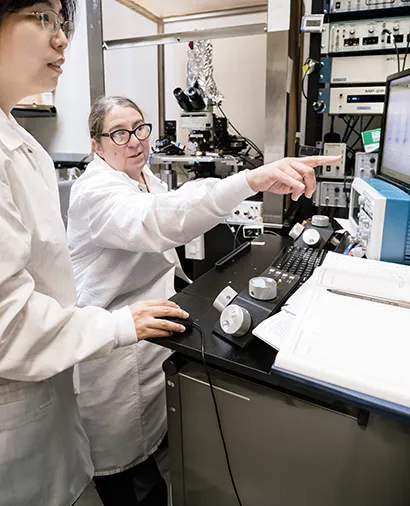
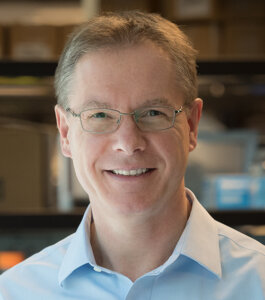
Lennart Mucke explores whether discoveries made in Alzheimer’s disease research can be applied to traumatic brain injury. Because both conditions involve progressive changes in brain function and degeneration of neural circuits, insights into the mechanisms that drive Alzheimer’s may reveal new therapeutic opportunities for traumatic brain injuries. For example, his team showed that reducing the protein tau can protect the brain against memory deficits and structural brain alterations caused by mild repetitive traumatic brain injuries.
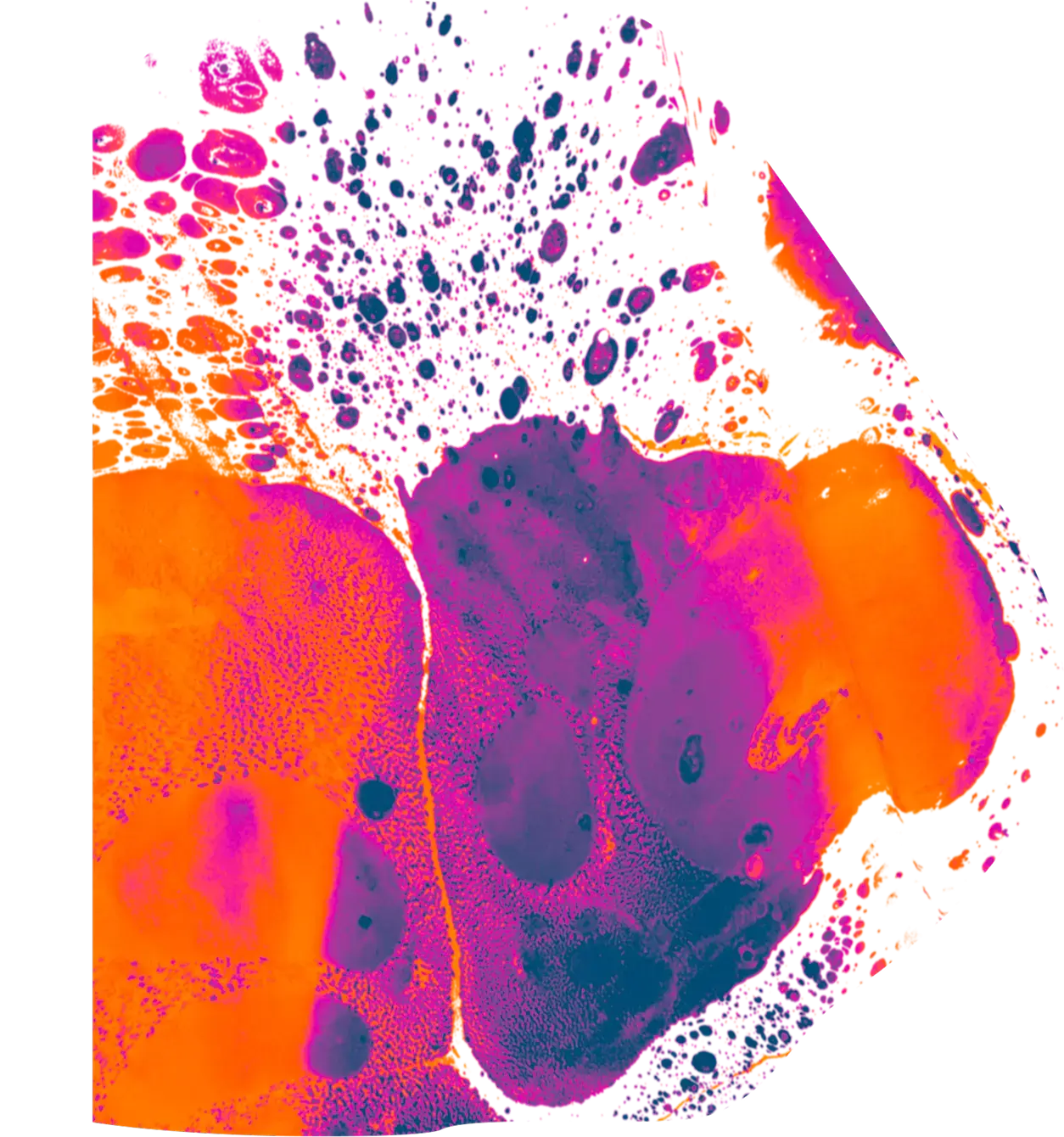
Gladstone scientists make headway toward new treatments for people with chronic long-term effects
Study suggests that targeting a protein in the thalamus could block the long-term damage that follows brain injuries

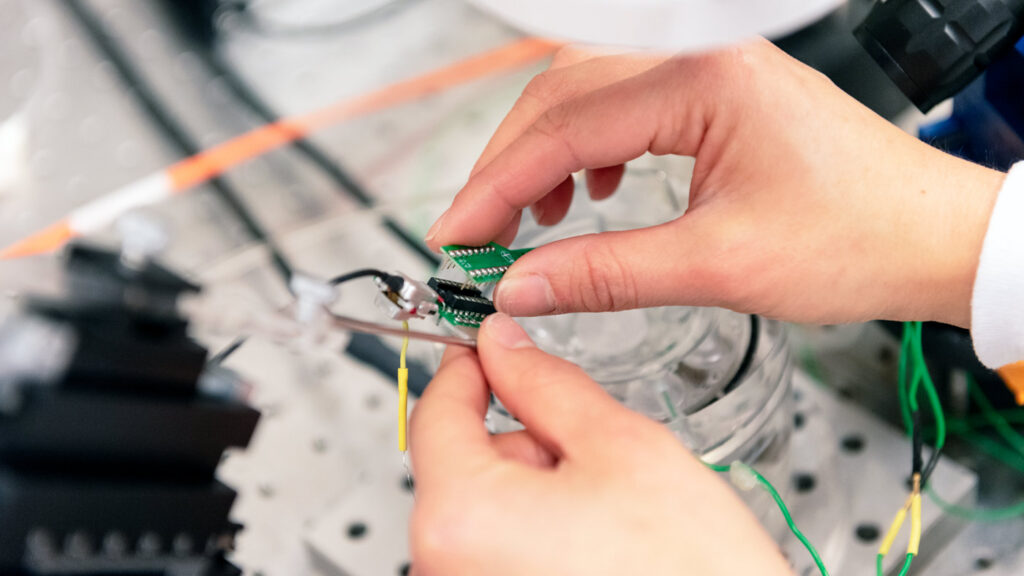
Study points to a potential new treatment that could prevent chronic complications

Our people are our most important asset. We offer a wide array of career opportunities both in our administrative offices and in our labs.
Open PositionsDiscoveries don’t stay in our labs. Gladstone facilitates spinout companies to advance promising therapies, shortening the path between scientific discovery and helping real patients.
Learn MoreYour gift to Gladstone will allow our researchers to pursue high-quality science, focus on disease, and train the next generation of scientific thought leaders.
Donate Now