Novel Biosensor Uses DNA ‘Barcodes’ to Uncover Disease Signals in Cells
Inspired by bacterial biology, the Gladstone-developed “Detectron” opens up new possibilities for disease research and potentially treatments.
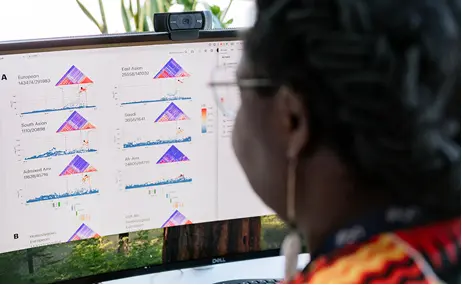
Whole-genome sequencing is now mainstream in medicine and research. But the potential of this technology to improve human health is stifled by a dearth of scientific knowledge on gene variants that cause, rather than simply being associated with, humanity’s most devastating diseases.
One reason for this knowledge gap is the lack of tools for identifying causal genetic variants beyond the relatively small share of the genome that code for proteins. The noncoding genome—which constitutes 98 percent of our DNA—is still uncharted territory, even though it controls protein expression and harbors immense disease susceptibility.
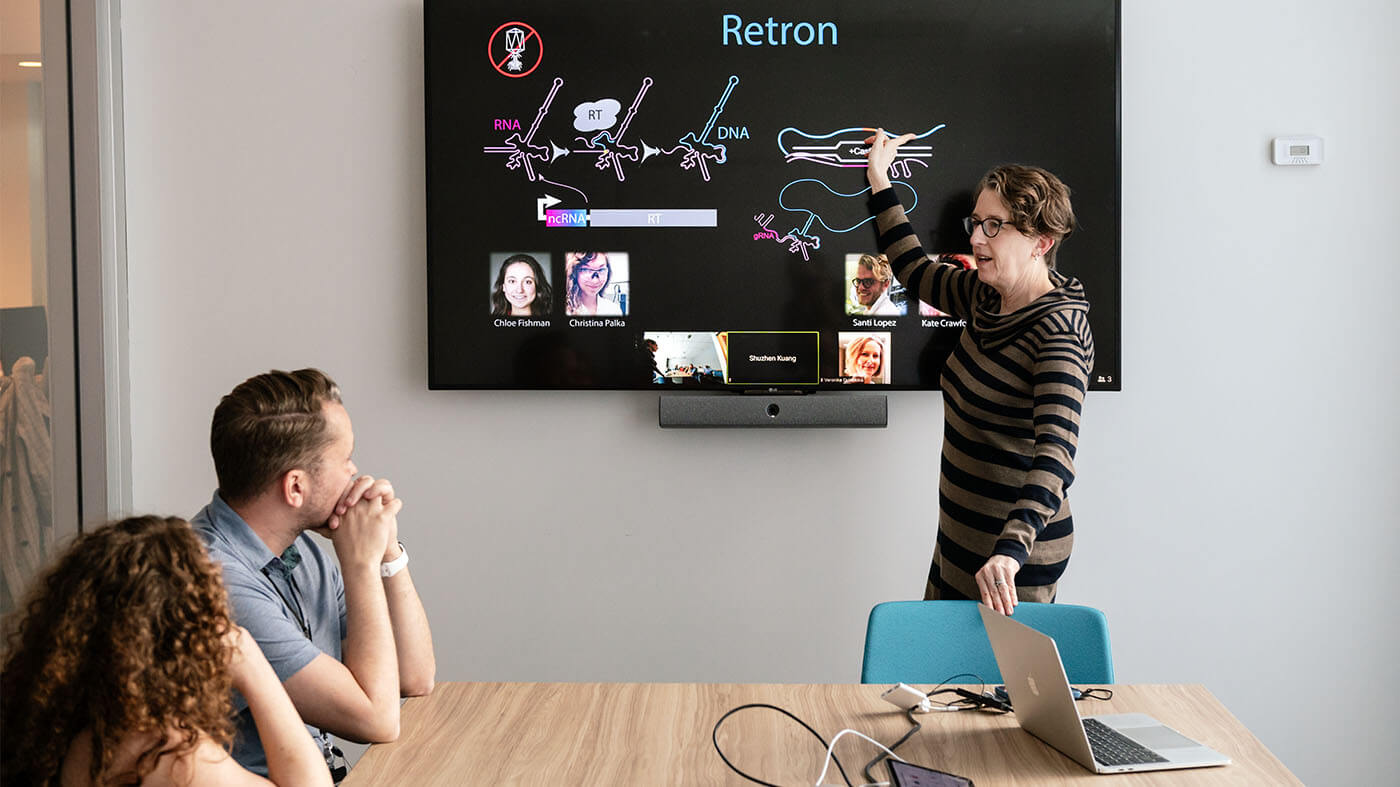
To characterize noncoding genetic variants, the Keck Center for Machine-Guided Functional Genomics is developing a closed-loop platform that combines deep learning, experimental mutagenesis using “editrons” (which leverage retron and CRISPR technologies), and “SAMOSA” long-read genomic methods to understand genome physiology.
This powerful hybrid strategy enables our team to predict and validate causal noncoding variants in a high-throughput and iterative fashion. We seek to accelerate the discovery of causal variants in parts of the genome associated with developmental disorders of the heart and brain, and will deeply interrogate rare and newly discovered variants to expand our understanding of their function.
The Keck Center for Machine-Guided Functional Genomics, supported by the W. M. Keck Foundation, will convert several early-stage technologies developed by Gladstone scientists into a robust, open-source platform that the team will share freely with others to promote discovery science and disease research. The center’s ultimate goal is to foster more effective clinical diagnostics and therapeutics for genetic disorders.
Your gift to Gladstone will allow our researchers to pursue high-quality science, focus on disease, and train the next generation of scientific thought leaders.
DONATE NOW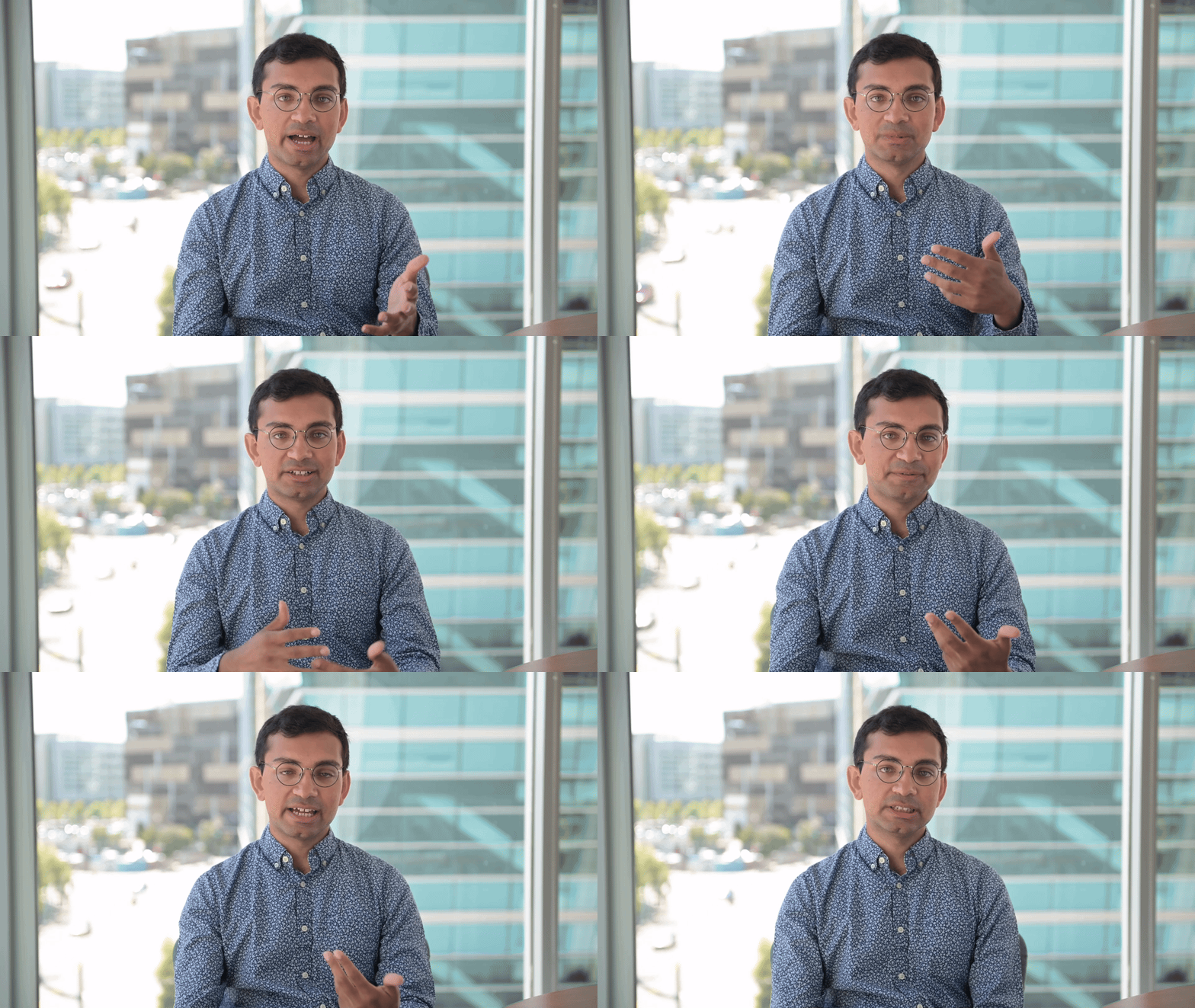
Ayush Midha, a graduate student in the Jain Lab, studies how the body's metabolism adapts to low oxygen—work that's uncovered backup energy pathways, potential fertility treatments, and a link between oxygen levels and tumor growth.
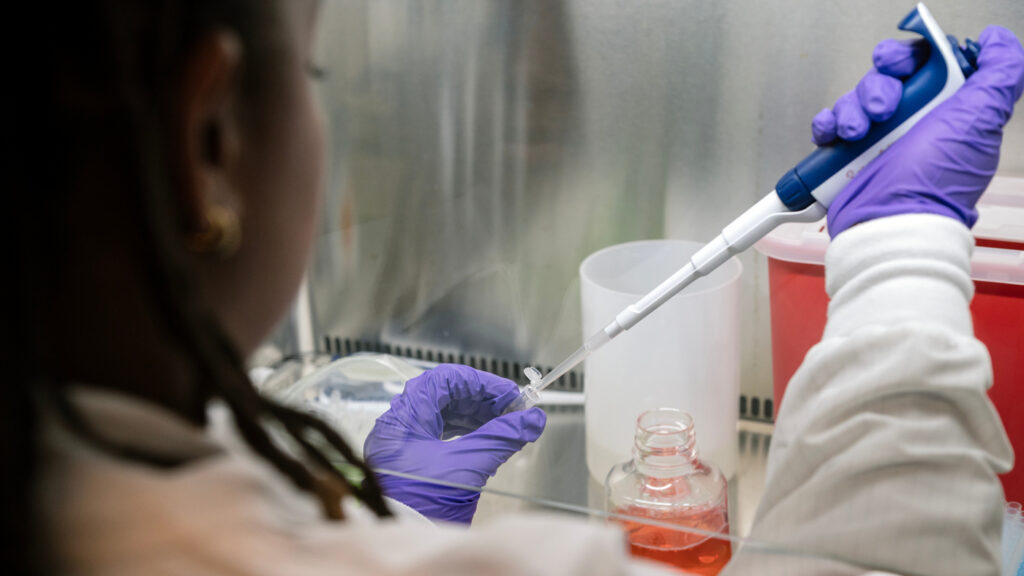
A new discovery reveals how a SARS-CoV-2 protein reprograms immune cells to accelerate viral spread—and points to a new strategy for therapeutic intervention.
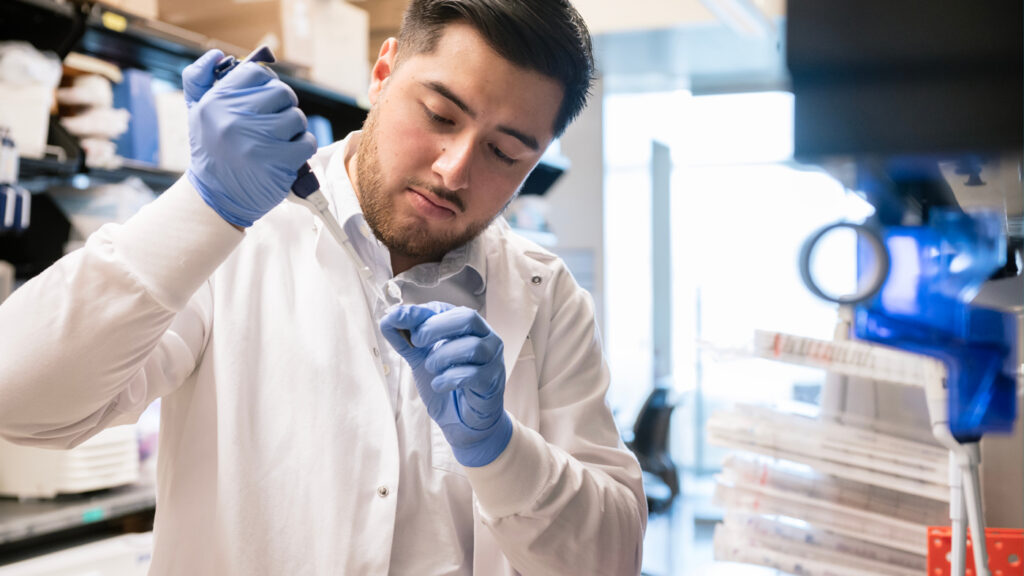
The fellowship provides three years of funding for graduate students pursuing groundbreaking immunology research.

Takahashi is recognized for his pioneering work translating iPS cell technology into a clinically approved therapy for Parkinson’s disease.
Our people are our most important asset. We offer a wide array of career opportunities both in our administrative offices and in our labs.
Open PositionsDiscoveries don’t stay in our labs. Gladstone facilitates spinout companies to advance promising therapies, shortening the path between scientific discovery and helping real patients.
Learn MoreYour gift to Gladstone will allow our researchers to pursue high-quality science, focus on disease, and train the next generation of scientific thought leaders.
Donate Now