Novel Biosensor Uses DNA ‘Barcodes’ to Uncover Disease Signals in Cells
Inspired by bacterial biology, the Gladstone-developed “Detectron” opens up new possibilities for disease research and potentially treatments.

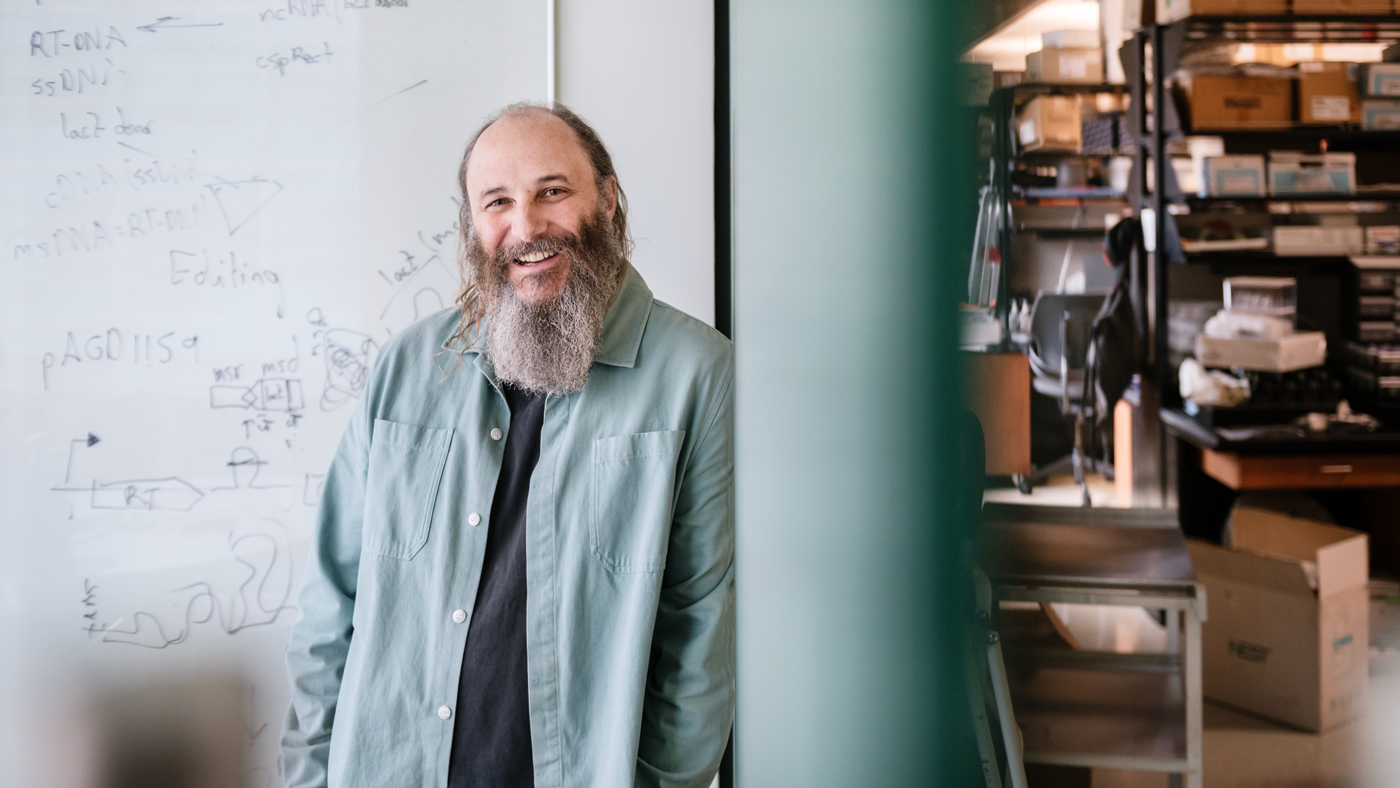
Inspired by bacterial biology, the Gladstone-developed “Detectron” opens up new possibilities for disease research and potentially treatments.

Gladstone scientists have developed a thinking microscope that can conduct its own experiments, with the ultimate goal of treating neurodegenerative diseases.

Ayush Midha, a graduate student in the Jain Lab, studies how the body's metabolism adapts to low oxygen—work that's uncovered backup energy pathways, potential fertility treatments, and a link between oxygen levels and tumor growth.
A new discovery reveals how a SARS-CoV-2 protein reprograms immune cells to accelerate viral spread—and points to a new strategy for therapeutic intervention.
The fellowship provides three years of funding for graduate students pursuing groundbreaking immunology research.
Inspired by bacterial biology, the Gladstone-developed “Detectron” opens up new possibilities for disease research and potentially treatments.
Ayush Midha, a graduate student in the Jain Lab, studies how the body's metabolism adapts to low oxygen—work that's uncovered backup energy pathways, potential fertility treatments, and a link between oxygen levels and tumor growth.
A new discovery reveals how a SARS-CoV-2 protein reprograms immune cells to accelerate viral spread—and points to a new strategy for therapeutic intervention.
The fellowship provides three years of funding for graduate students pursuing groundbreaking immunology research.

Takahashi is recognized for his pioneering work translating iPS cell technology into a clinically approved therapy for Parkinson’s disease.

An unprecedented map of 22 million immune cells provides the functional rulebook for virtual biology and next-generation immunotherapies.

Michael Alexanian is studying two promising genetic avenues for addressing heart failure, a massive global health burden in need of innovative treatments.
Meet Lexi Schneider, a PhD student using innovative technology to better understand the blood brain barrier.
Gladstone and UCSF scientists developed a method to genetically edit myeloid cells, immune cells that act as the body’s first responders.
A new screening platform uncovers gene edits that enhance CAR-T cells’ ability to infiltrate and eliminate solid tumors.
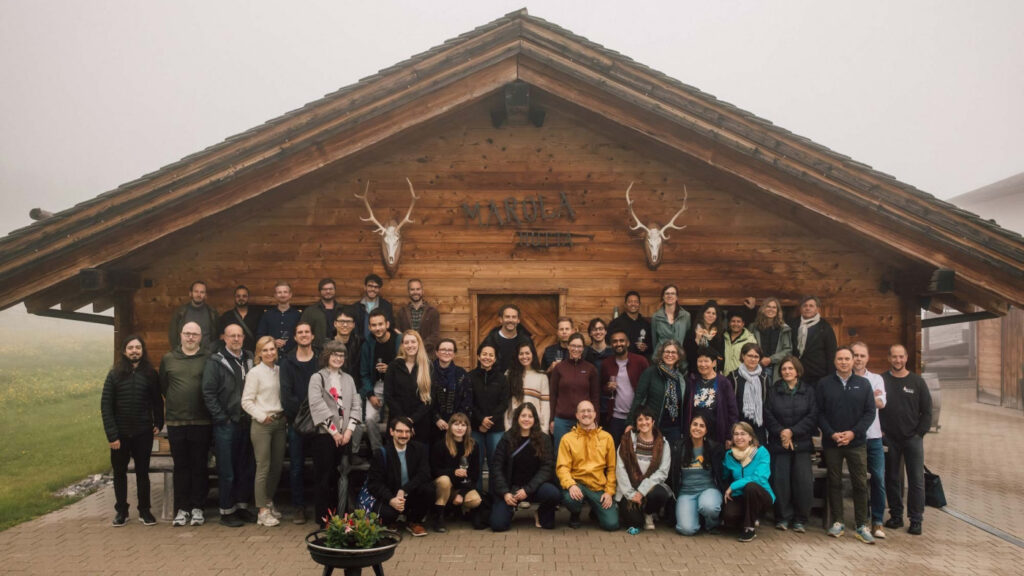
Scientists from across the NOMIS community gathered in Switzerland for the inaugural NOMIS Fellows Symposium.
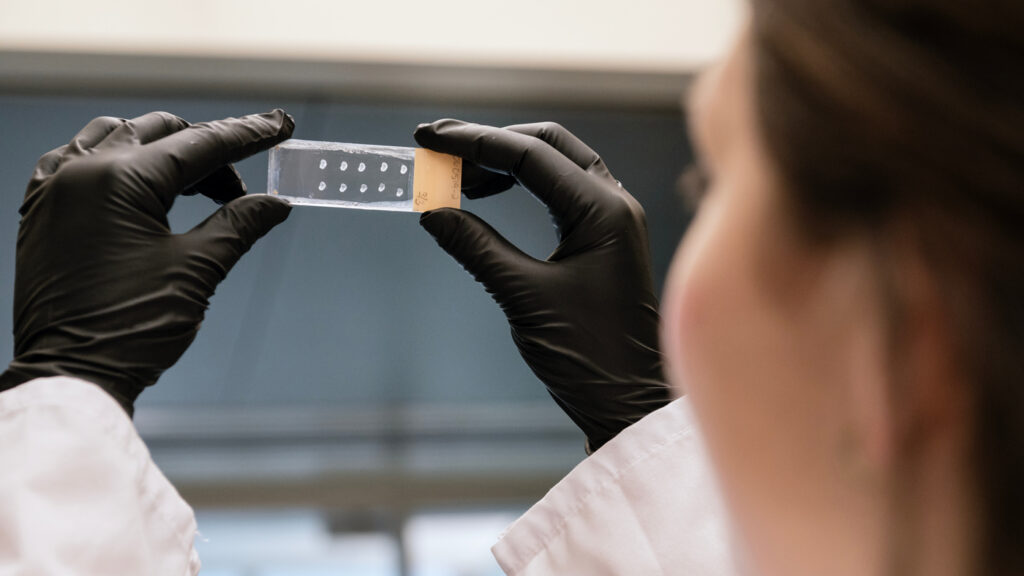
Gladstone scientists show that stem cell-derived spinal neurons can integrate into damaged neural networks in rats and improve breathing-related motor function after a traumatic spinal cord injury.

Bruneau, director of the Gladstone Institute of Cardiovascular Disease, will receive the association’s highest scientific honor in November.
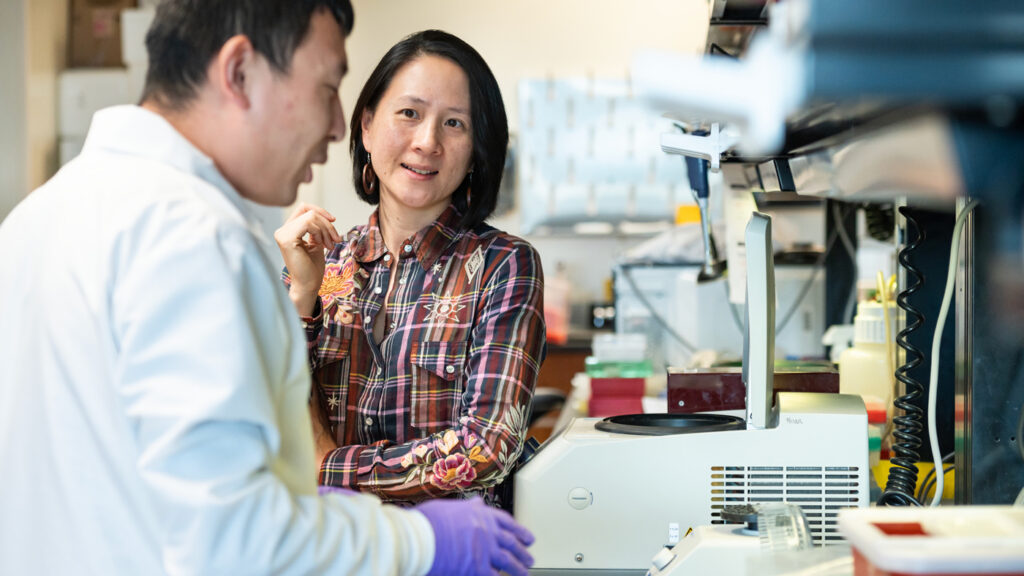
New research links long COVID to changes in virus-specific immune cells, particularly in women.

For decades, a DNA-based test for cardiovascular disease seemed to work for Europeans and others but not Africans. Gladstone scientists just discovered why, with implications for many other diseases.
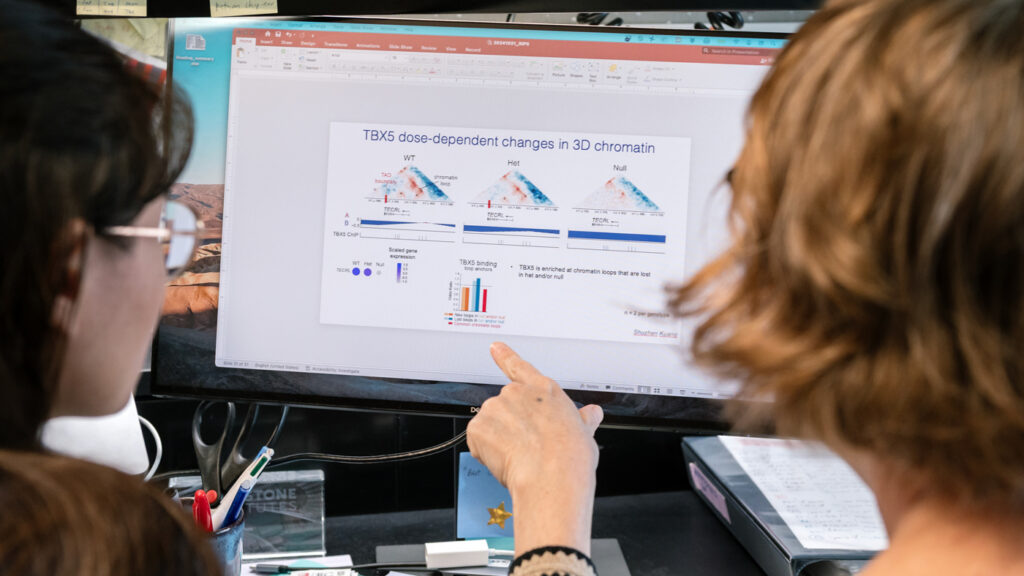
Gladstone researchers found losing just one copy a particular gene can disrupt heart development and lead to congenital heart disease.

By uniting the power of single-cell sequencing, organoids, and artificial intelligence, scientists are entering a new era of HIV research.
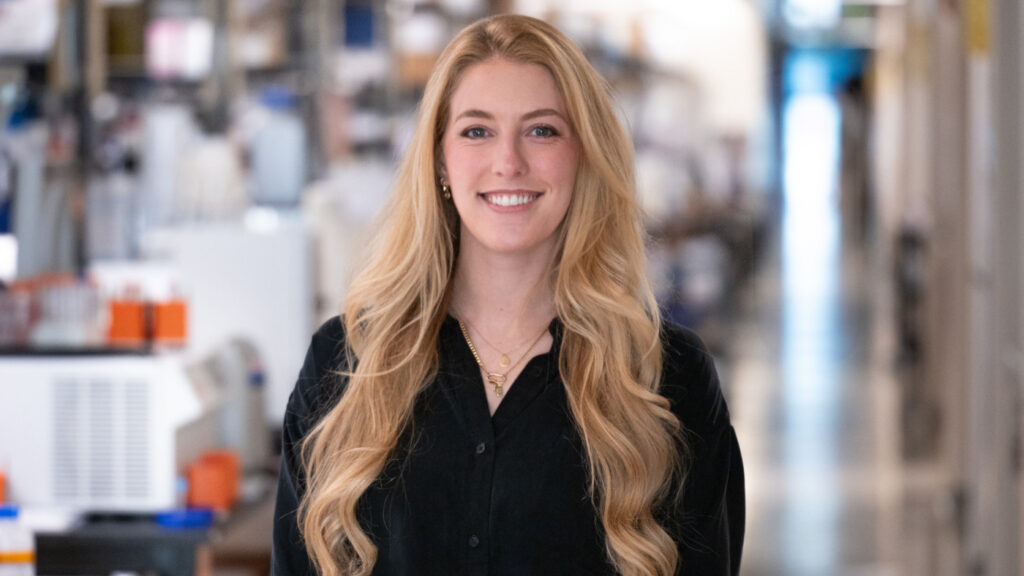
NOMIS–Gladstone Fellow Cathrine Sant is studying an enigmatic region of the human genome linked to neurodegenerative disease risk.
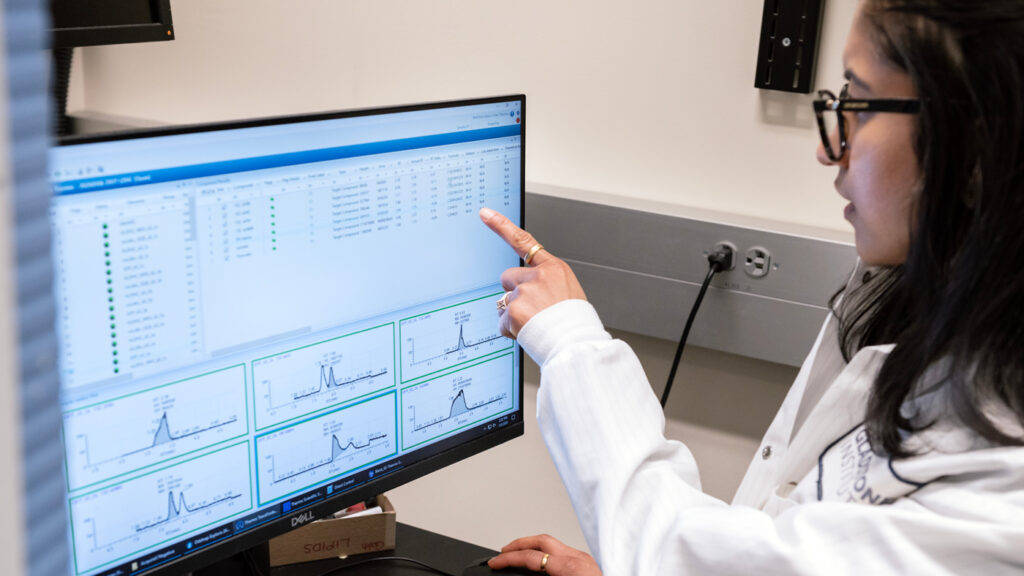
New research shows low oxygen can help alleviate disease caused by defects in a mitochondrial quality control machinery.
Our people are our most important asset. We offer a wide array of career opportunities both in our administrative offices and in our labs.
Open PositionsDiscoveries don’t stay in our labs. Gladstone facilitates spinout companies to advance promising therapies, shortening the path between scientific discovery and helping real patients.
Learn MoreYour gift to Gladstone will allow our researchers to pursue high-quality science, focus on disease, and train the next generation of scientific thought leaders.
Donate Now