
Gladstone’s Melanie Ott and Alex Marson Elected to the National Academy of Medicine
Physician-scientists and directors at Gladstone Institutes, Ott and Marson are honored for their pioneering achievements in science and medicine.
Analysis of up to 64 and sorting of up to 18 fluorescent parameters is available from a wide variety of samples and cell types. Our staff is experienced in experimental and antibody panel design, practical operation of multiple flow cytometric platforms, and basic and advanced data analysis.
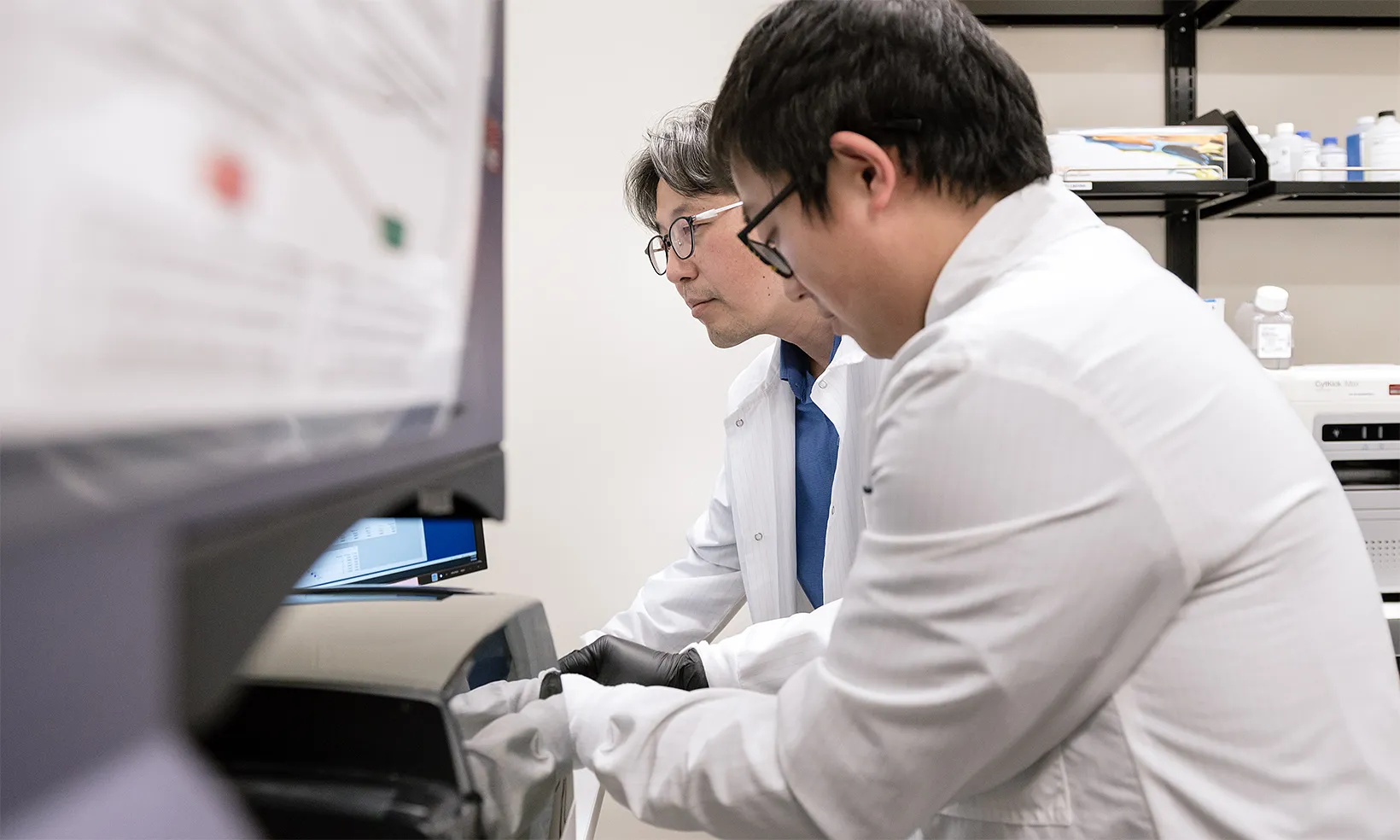
Cell sorting for up to 18 fluorescent parameters with the following specifications:
Sorting into the following receptacles:
Aseptic sorting is available.
Test whether the human induced pluripotent stem cells (hiPS cells) that you have received or grown express a panel of pluripotent markers and define their pluripotency status. Markers include Tra-1-60, Tra-1-81, SSEA-3, SSEA-4, CD30, CDH3, Nanog, Oct 3_4 and Sox-2, which you can choose from to run in your panel. Turnaround time is approximately 1 day and you’ll receive all raw data files at the conclusion of the experiment.
Contact the Flow Cytometry core for pricing.
Gladstone’s Flow Cytometry Core also offers sample processing, including staining and running of experimental samples. Data analysis services are also available.
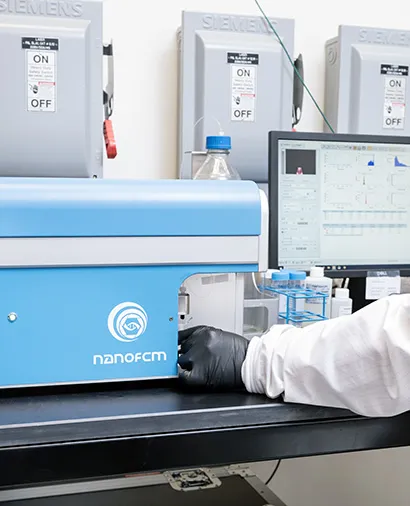
The NanoFCM Analyzer can be used for the multiparameter characterization, sizing and concentration of natural and synthetic nanoparticles (7-1000 nm) at the single-particle level, including detection of extracellular vesicles, mitochondria, bacteria, viruses, nanomedicine, nanomaterial and other nanoparticles.
Specifications:
Practical and theoretical training is available for the Nano FCM, as well as experimental and data analysis support.
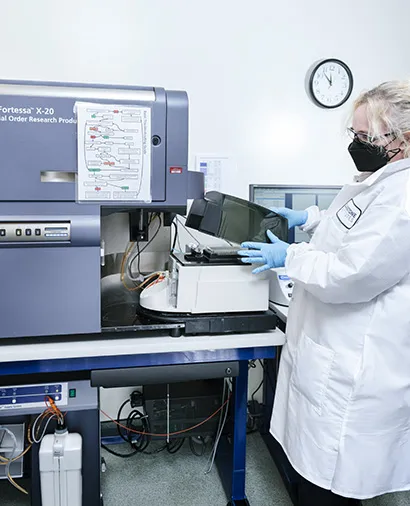
The Fortessa X-20 cell analyzer delivers high-performance, multicolor analysis and is configured with five lasers to detect up to 20 parameters (18 fluorescent and 2 scatter) simultaneously. An integrated High Throughput Sampler (HTS) provides rapid, fully automated sample acquisition from 96- and 384-well microtiter plates.
Practical and theoretical training is available for the Fortessa X-20, as well as experimental and data analysis support.
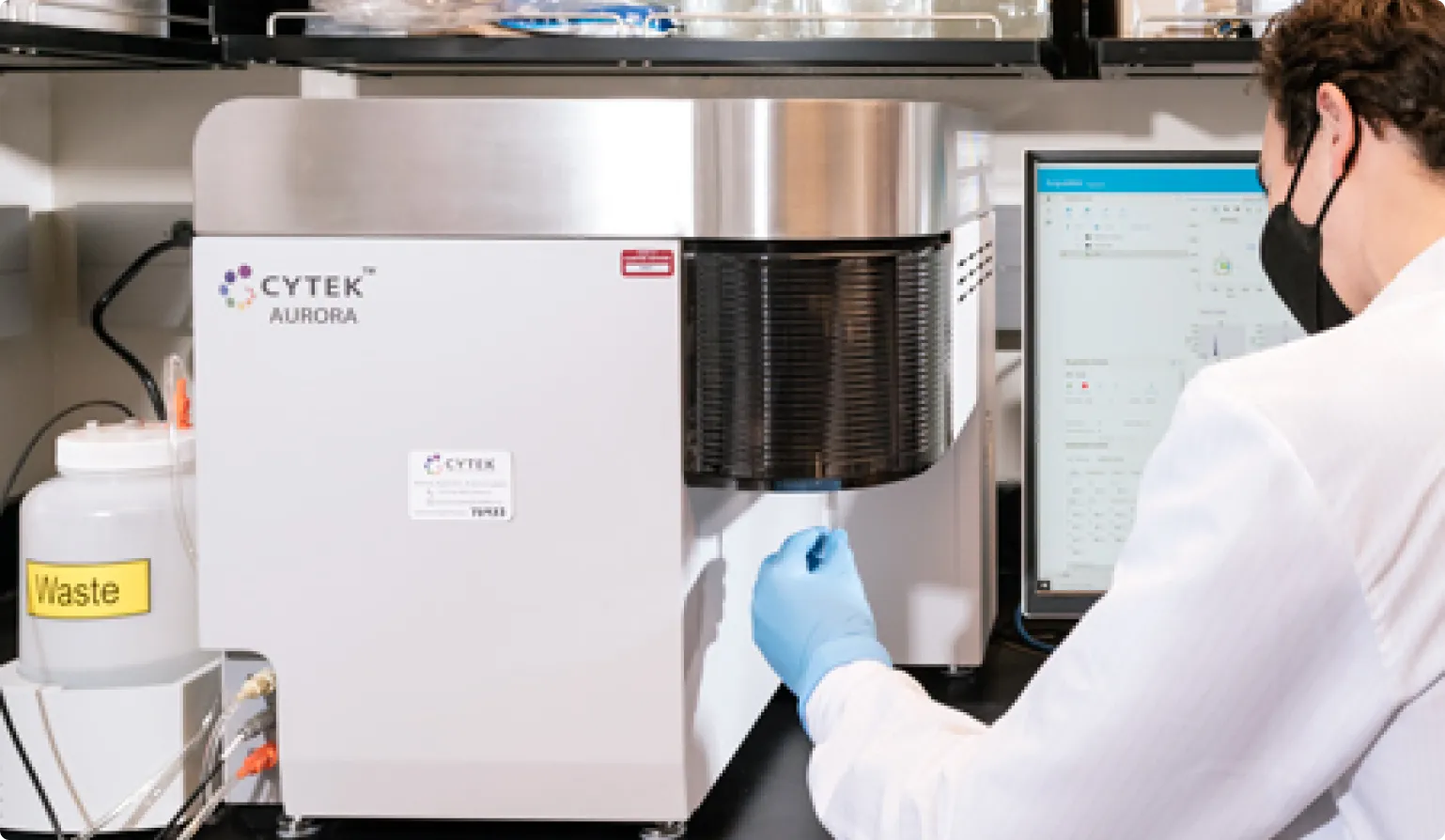
The Cytek Aurora is a spectral cytometry analyzer configured with four lasers (violet, blue, yellow/green, and red) to detect up to 48 parameters simultaneously. Other features include autofluorescence extraction, ability to determine fluorescences in one tube that are unable to be distinguished by regular flow cytometry, and intuitive software with transferable experimental workspaces.
Practical and theoretical training is available for the Aurora, as well as experimental and data analysis support.
Aurora configuration:
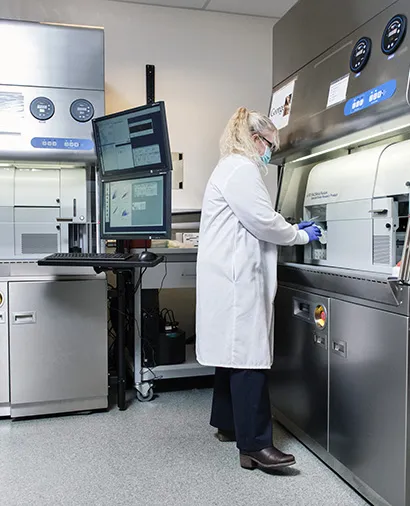
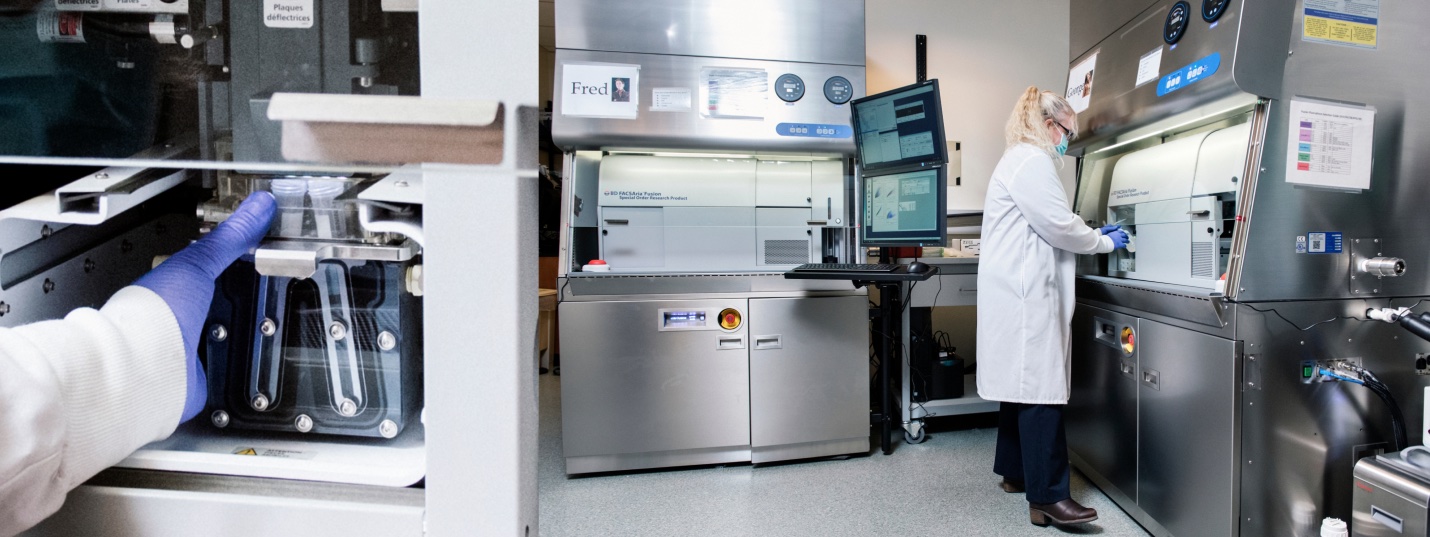
Two BD FACSAria Fusions cell sorters are configured to sort up to 20 parameters (18 fluorescence and 2 scatter). A choice of nozzles allows users sort a wide range of particle sizes. Nozzles are available in four sizes: 70, 85, 100, and 130 microns. Bulk, single cell and index sorting are available.
Practical and theoretical training is available for the Fusion, as well as experimental and data analysis support.
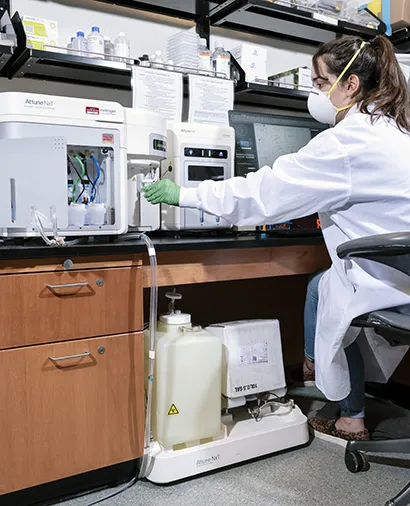
The Attune NxT Flow Cytometer is a compact, benchtop cell analyzer that has been configured with four lasers to run and analyze multicolor panels of up to 16 colors (14 fluorescence and 2 scatter). An integrated autosampler provides rapid, fully automated sample acquisition from 96- and 384-well microtiter plates.
Practical and theoretical training is available for the Attune, as well as experimental and data analysis support.
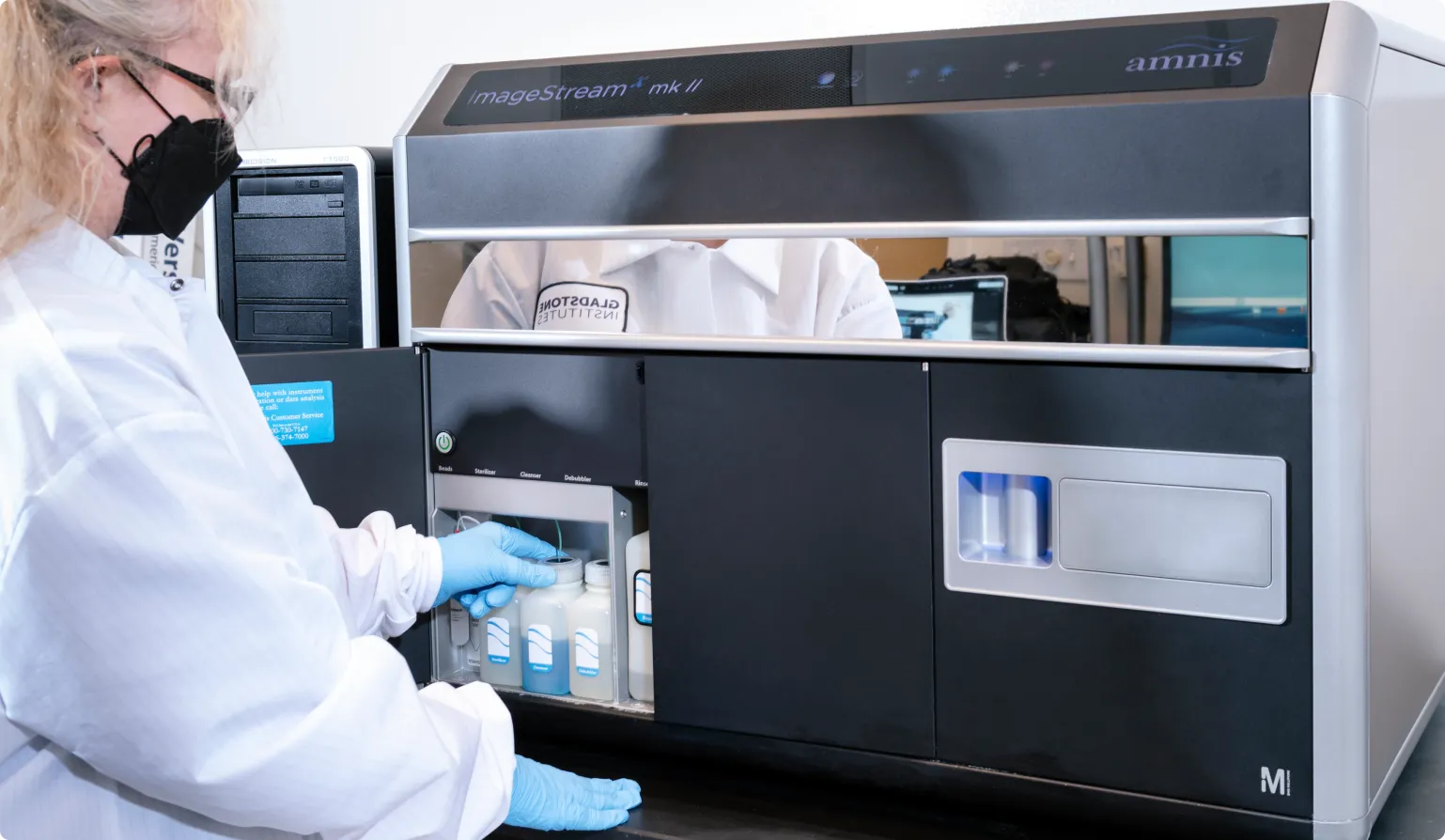
The Amnis Imagestream X Mark II is an imaging cytometer that combines the speed, sensitivity, and phenotyping abilities of flow cytometry with the detailed imagery and functional insights of microscopy. The Imagestream comes equipped with 20, 40 and 60X magnification, as well as the ability to detect up to 6 fluorescent channels (or 4 plus brightfield and side scatter) using 4 lasers (405, 488, 561 and 635nm). Cells can be run at up to 5,000 events per second.
Applications for the Imagestream include:
Practical and theoretical training is available, as well as experimental and data analysis support.
We offer training on the equipment in the Flow Cytometry Core. Contact the core staff to start the practical training process.
To get started, you’ll need to:
You can also refer to additional resources to learn more about flow cytometry.
You’ll first need to register for an iLab account. Once that’s complete, you should read, sign, and return the signature page of the general regulations document to the core by email.
Contact core staff if you have not used the core before.
The Fortessa X-20, Attune NxT, and Cytek Aurora, are capable of analyzing 96- and 384-well plates.
If you’d like to be trained on an analyzer or sorter, complete Gladstone’s Flow Core intro questionnaire to answer some questions about your experience, and email the core to schedule a date.
Any single-cell suspension where cells are between 500 nm and 20 μm can be run. Samples can be provided in 5-ml Falcon tubes, 15-ml Falcon tubes, Eppendorf tubes, multi-well plates, or slides.
Cells can be at a concentration of up to 5 million per mL in PBS or media, but serum should be limited to 2 percent serum, as more than this can affect the charge applied to the stream. You can also add HEPES (25 mM), EDTA (1 mM) or DNAse (10 U/ml) to avoid clumping. If you are concerned that your sample is too concentrated, bring in some media to dilute your sample. Filter your cells through a cell strainer or filter-top tube.
After being trained, you must demonstrate proficiency in cytometer operation, maintenance, and basic troubleshooting before being allowed to use the equipment independently or outside of operating hours.
The core saves a copy of the FCS files to an internal server.
Sonali Chaturvedi, Jonathan Klein, Noam Vardi, Cynthia Bolovan-Fritts, Marie Wolf, Kelvin Du, Luwanika Mlera, Meredith Calvert, Nathaniel J. Moorman, Felicia Goodrum, Bo Huang, Leor S. Weinberger.
Albert Vallejo-Gracia, Irene P. Chen, Rosalba Perrone, Emilie Besnard, Daniela Boehm, Emilie Battivelli, Tugsan Tezil, Karsten Krey, Kyle A. Raymond, Philip A. Hull, Marius Walter, Ireneusz Habrylo, Andrew Cruz, Steven Deeks, Satish Pillai, Eric Verdin, Melanie Ott.
Tongcui Ma, Xiaoyu Luo, Ashley F George, Gourab Mukherjee, Nandini Sen, Trimble L Spitzer, Linda C Giudice, Warner C Greene, Nadia R Roan.
Ramsey Najm, Kelly A.Zalocusky, Misha Zilberter, Seo Yeon Yoon, Yanxia Hao, Nicole Koutsodendris, MaxineNelson, Antara Rao, Alice Taubes, Emily A. Jones, Yadong Huang.
Kathleen Daniels, Alexis Conway, Rui Gardner, Lola Martinez, Kylie M. Price, Sarah Schneider, Rachael Sheridan, Jane Srivastava, Sherry Thornton.
Kevin Pastores
Assistant Core Director
Email
For more information on our fees, contact the core.
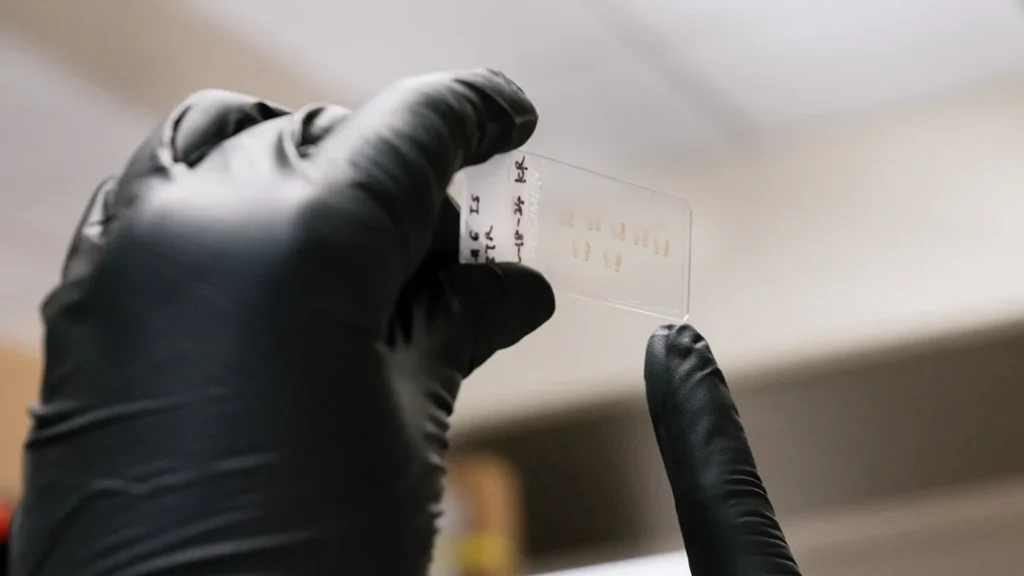
Research in mice reveals how critical brain cells misfire in Alzheimer’s and identifies a targeted strategy to restore healthy brain rhythms.
Discover disease research, explore the latest scientific news, and connect with experts through Gladstone’s enriched digital platform.
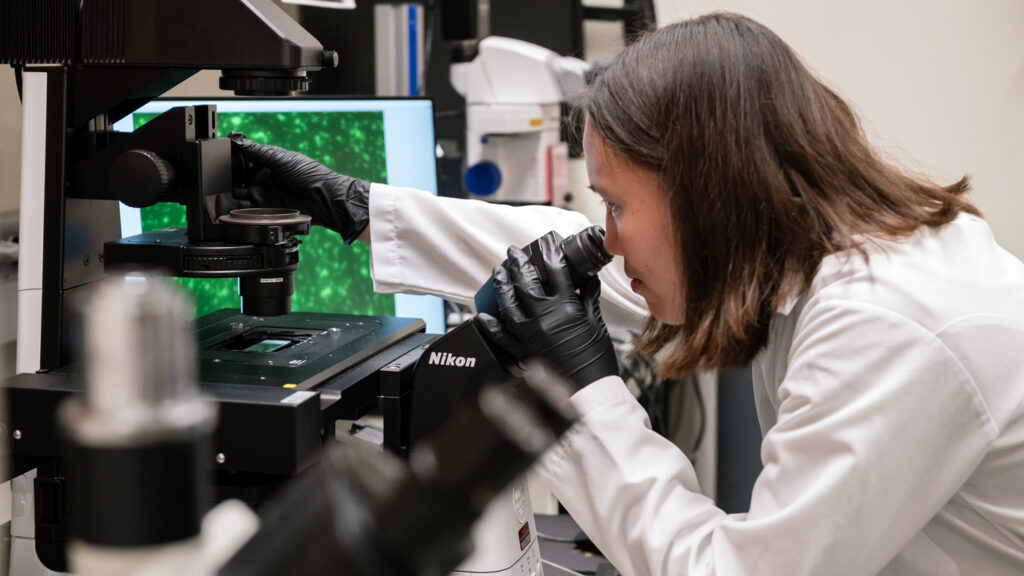
The complex Rube Goldberg-like molecular machinery could inspire novel technology to study and treat disease.
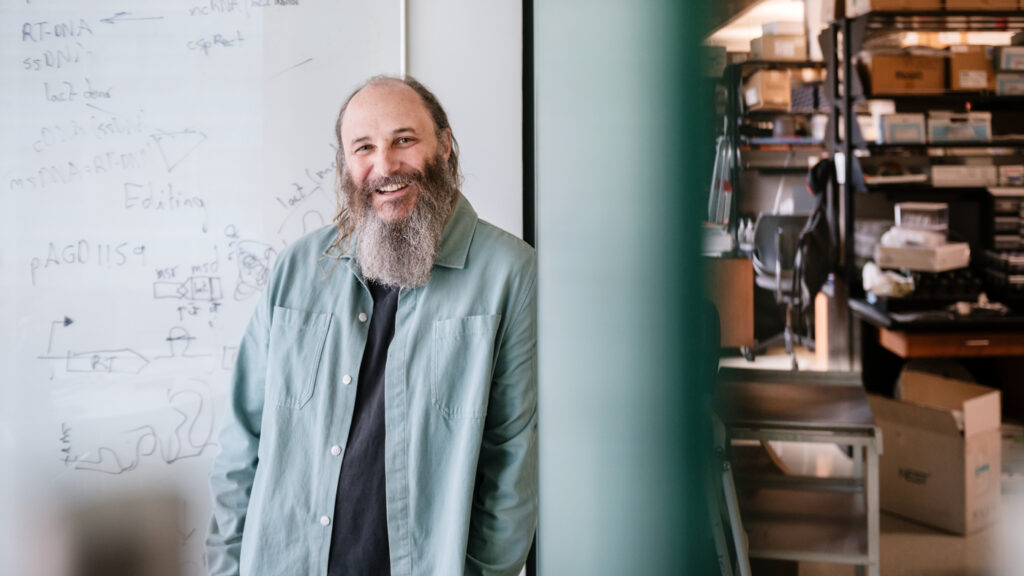
Shipman is recognized for pioneering molecular technologies that record cellular activity, expand genome editing, and target antibiotic-resistant superbugs.
Our people are our most important asset. We offer a wide array of career opportunities both in our administrative offices and in our labs.
Open PositionsDiscoveries don’t stay in our labs. Gladstone facilitates spinout companies to advance promising therapies, shortening the path between scientific discovery and helping real patients.
Learn MoreYour gift to Gladstone will allow our researchers to pursue high-quality science, focus on disease, and train the next generation of scientific thought leaders.
Donate Now