NOMIS-Gladstone Fellows Forge Global Connections Through Bold Science

This summer, NOMIS-Gladstone Fellows Cathrine Sant, PhD, and Yuliya Voskobiynyk, PhD, joined a global community of early-career investigators and scientific leaders in the Swiss Alps for the inaugural NOMIS Fellows Symposium, where the distance from the laboratory offered a different vantage point on scientific discovery.
Held in conjunction with the NOMIS & Science Young Explorer Award celebration, the symposium united NOMIS fellows, scientific leaders, and award recipients for several days of keynote lectures, workshops, and informal discussions. The intimate gathering unfolded over several days—allowing participants time to revisit ideas, challenge conventional thinking, and build relationships with scientists spanning continents and disciplines.
“The NOMIS-Gladstone Fellowship Program was created to support early-career scientists pursuing ambitious ideas with the potential to transform our understanding of the brain and the disorders that affect it,” says Lennart Mucke, MD, director of the Gladstone Institute of Neurological Disease. “Experiences like this symposium allow our fellows to connect with an extraordinary network of researchers who are asking similarly bold questions and pushing the boundaries of scientific discovery.”
For Mucke, the symposium reflects one of the fellowship’s central goals: providing exceptional young neuroscientists with the resources and mentorship to pursue bold research and propel their scientific careers.
Rather than focusing solely on scientific findings, the keynote talks and interactive workshops encouraged fellows to reflect on the broader pursuit of science—from how emerging technologies are reshaping research to how creativity and openness promote scientific progress. Together, the sessions challenged fellows to think not only about the questions they are pursuing, but about how their work can shape science and society more broadly.
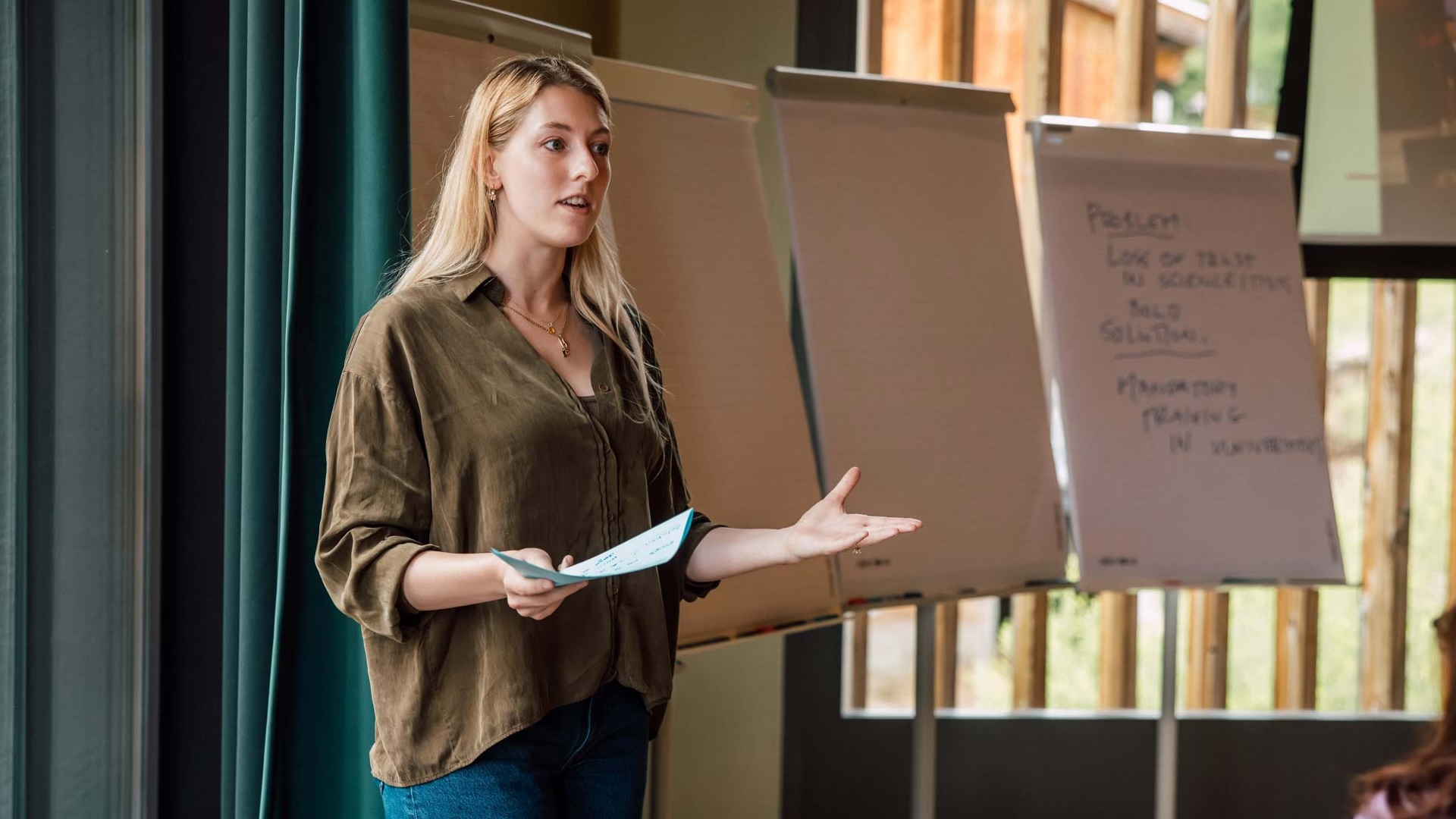
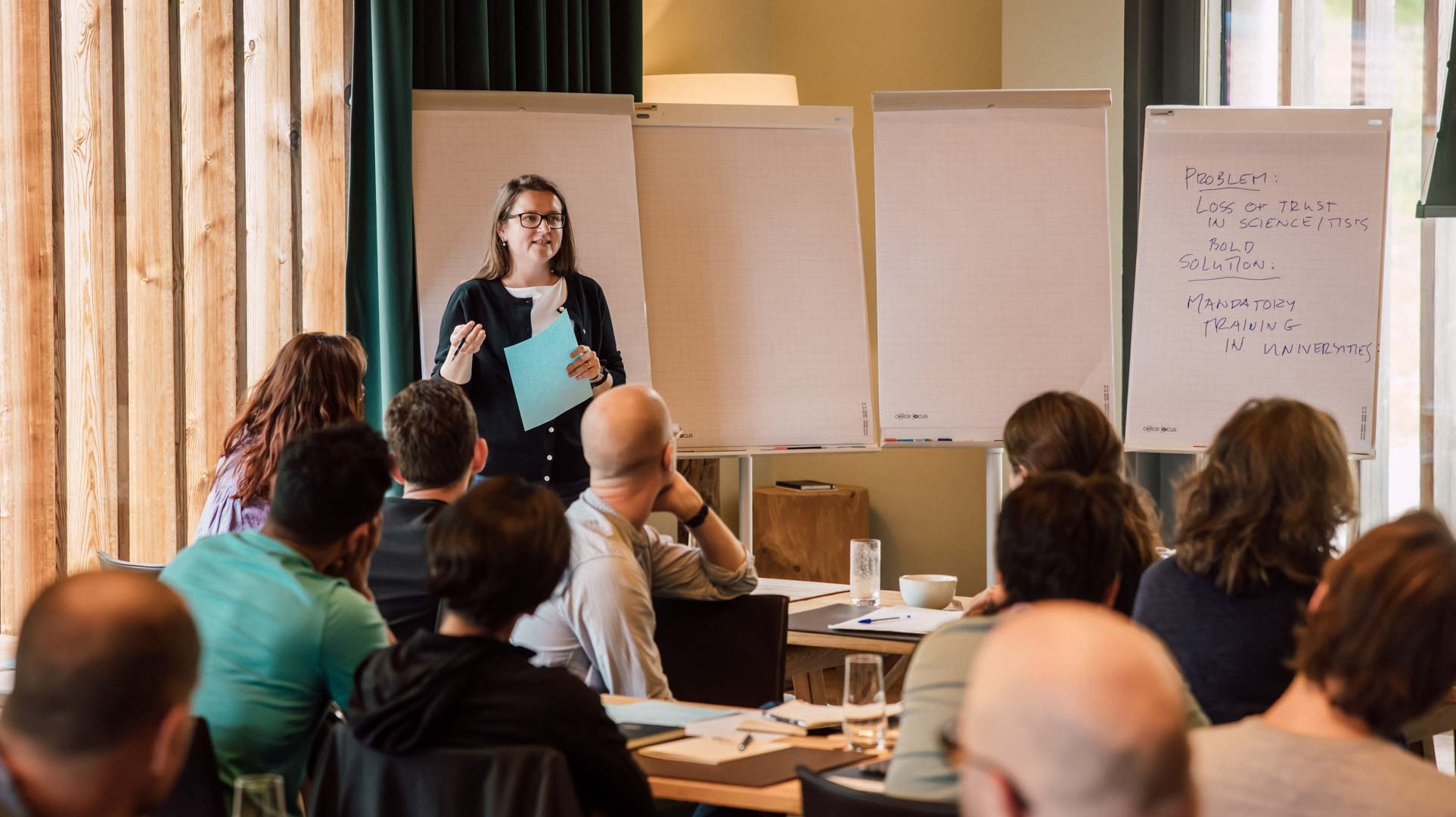
Sant, whose research investigates how genetic variation in the tau gene region influences the risk of developing neurodegenerative diseases, valued the opportunity to discuss her research with scientists who approach biological problems from different angles, prompting new questions about her own work. During a science communication workshop led by Dietram A. Scheufele, a professor at the University of Wisconsin–Madison, Sant found herself considering a different set of questions—how scientists engage the public and cultivate trust in science. “His insights prompted me to think differently about how scientists build and maintain public trust, and the conversations sparked during the workshop carried over into lively discussions over dinner,” Sant says.
Voskobiynyk, whose research explores how the brain’s immune cells communicate with neurons—and how these interactions contribute to disorders such as epilepsy and Alzheimer’s disease—said the symposium offered a rare opportunity to step back from the day-to-day demands of her research while building relationships. “One of the highlights of the symposium was the NOMIS Olympics, where we teamed up with fellows from different disciplines for a series of team-building challenges—from milking a cow to identifying Swiss plants, blowing an alphorn, and learning about the country’s geography,” she says. “Beyond being a lot of fun, the experience introduced me to Anna-Maria Globig, Assistant Investigator at the Allen Institute for Immunology, whose work on long-read sequencing of immune cells is directly relevant to my research. It was a great reminder that meaningful collaborations can begin in unexpected ways.”

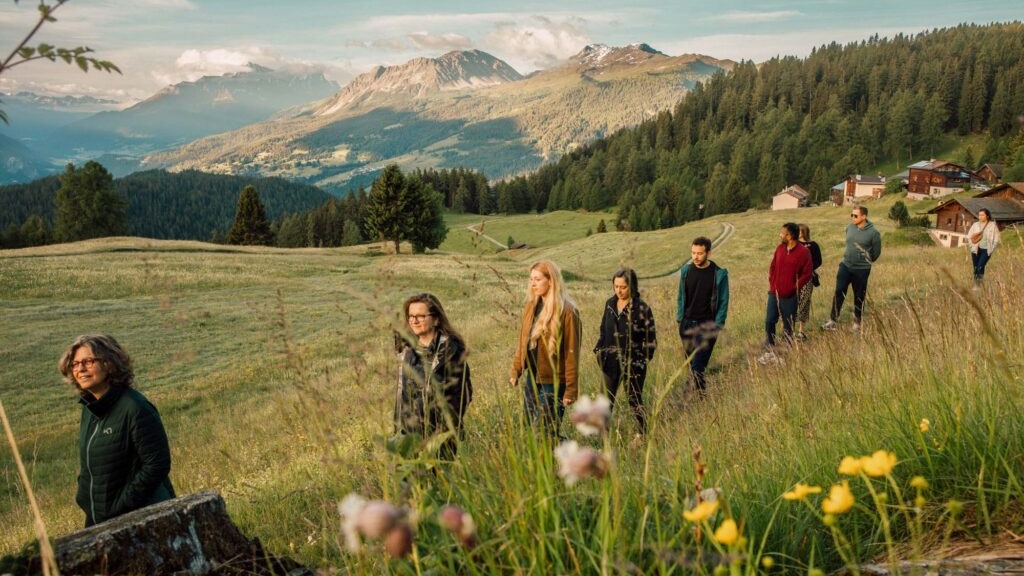
By bringing fellows together away from their laboratories and daily responsibilities, the symposium created space for the multifaceted reflection that often gets lost in the pace of everyday research. The Alpine setting encouraged a different rhythm of scientific exchange, where shared meals, walks through the Swiss countryside, and small-group discussions allowed ideas to evolve long after formal sessions had ended. Some of the most meaningful exchanges emerged outside the lecture room, as fellows discovered unexpected parallels between seemingly unrelated scientific pursuits.

Prior to the symposium, Sant and Voskobiynyk attended the NOMIS & Science Young Explorer Award ceremony in Zurich, celebrating exceptional early-career scientists whose work exemplifies scientific inquiry, originality, and the courage to pursue ideas that defy convention. The celebration set the tone for the days that followed, highlighting the same commitment to intellectual curiosity, interdisciplinary collaboration, and pursuit of discoveries with the potential to reshape entire fields. While the award celebrated scientific achievement, the symposium explored how impactful science can be cultivated.
“What I’m bringing back to Gladstone is a renewed comfort with uncertainty,” Voskobiynyk says. “In the lab, we’re constantly trying to pin things down, control variables, and rule out the unexpected. But the symposium reminded me that uncertainty isn’t just noise to be eliminated; it’s often where discovery begins. Some of my most valuable moments came from conversations I never could have planned, with researchers whose work I didn’t know I needed to encounter. I’m returning with the reminder that staying open to the unknown, in both the science and the people you meet, is often what makes the biggest breakthroughs possible.”
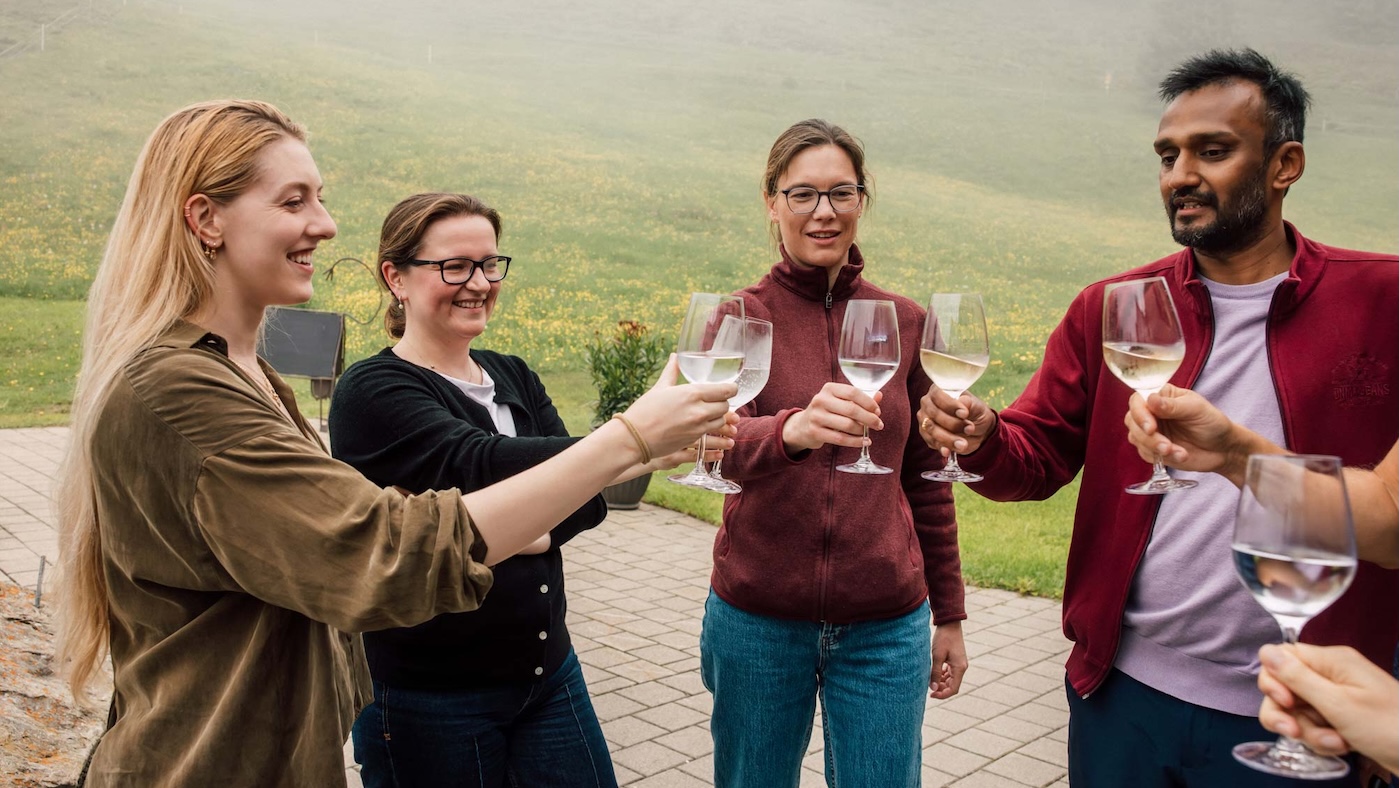
The NOMIS-Gladstone Fellowship Program was created to invest in trailblazing ideas and the scientists who pursue them, recognizing that transformative discoveries are catalyzed not only by enabling research support, but also by connecting with other researchers who have the same passion for discovery and innovation. For Sant and Voskobiynyk, the inaugural NOMIS Fellows Symposium brought that vision to life, demonstrating that scientific discovery is shaped by what happens in the laboratory, as well as by conversations, relationships, and openness to the unexpected.
Up Next
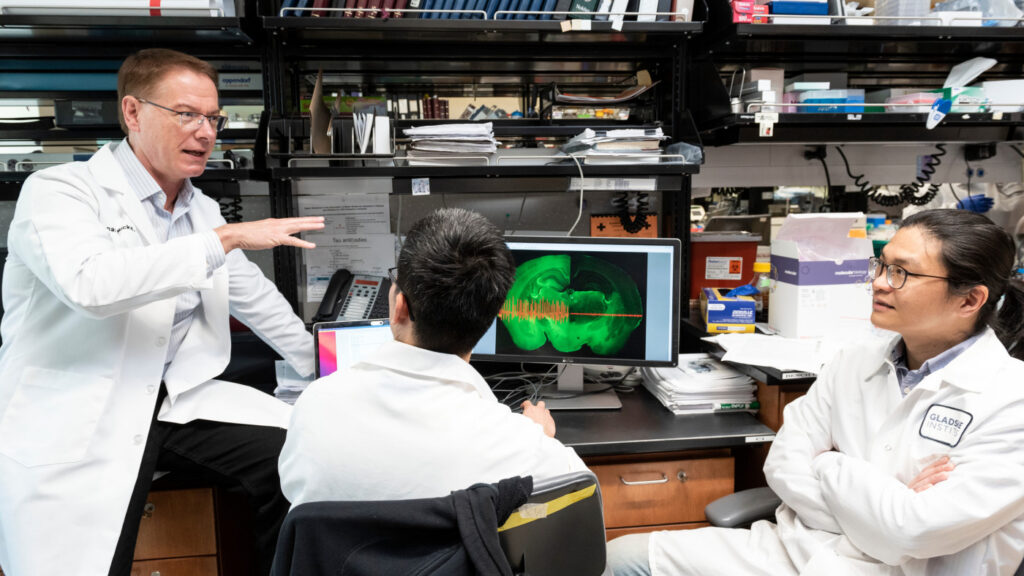
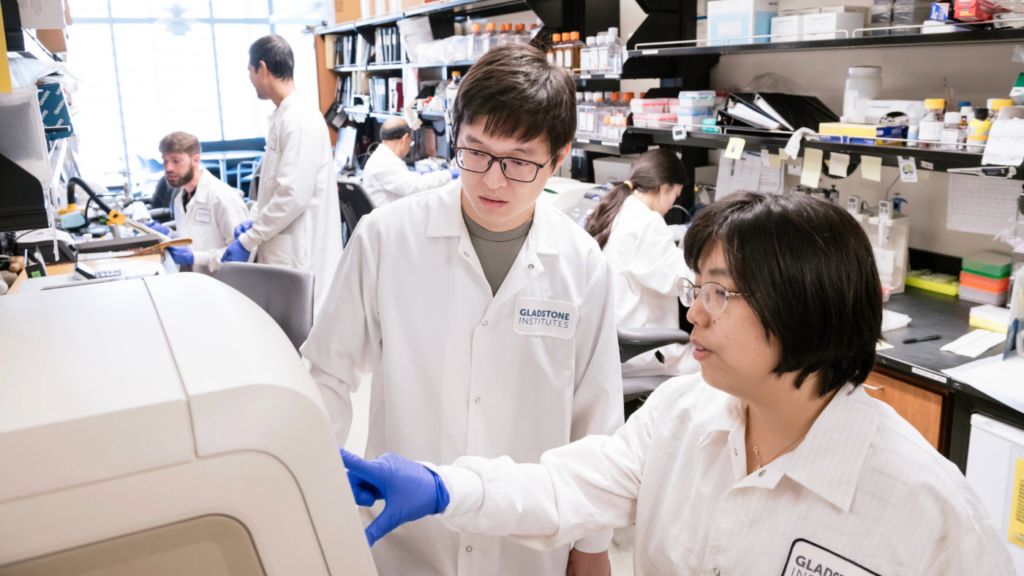
Fueling Discovery at the Frontiers of Neuroscience: The NOMIS-Gladstone Fellowship Program
The NOMIS-Gladstone Fellowship Program empowers early-career scientists to push the boundaries of neuroscience and unlock the brain’s deepest mysteries.
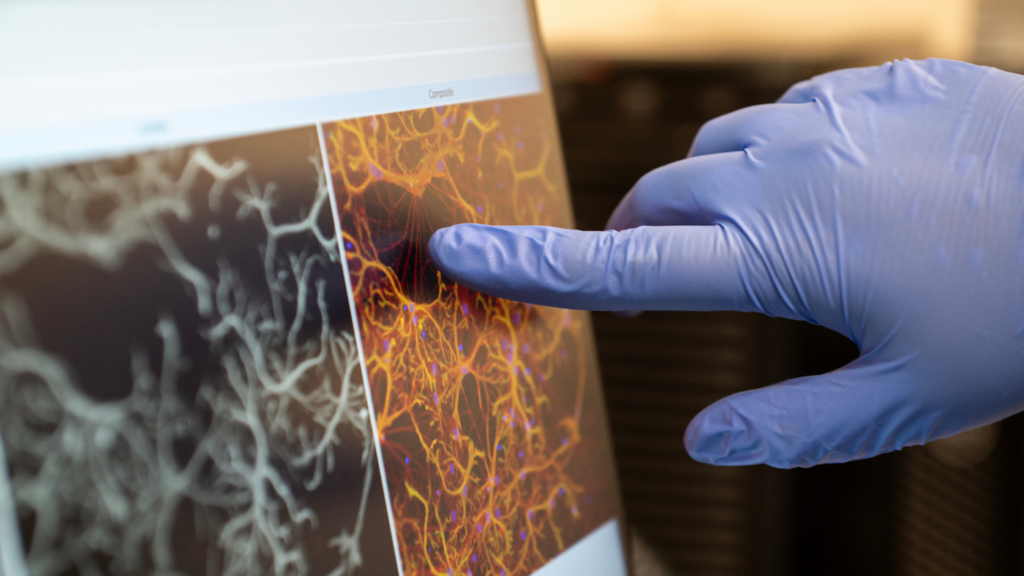
Inside the Brain: Tackling Neurological Disease at Its Roots
For World Brain Day, discover some of Gladstone’s latest breakthroughs in neurological research.
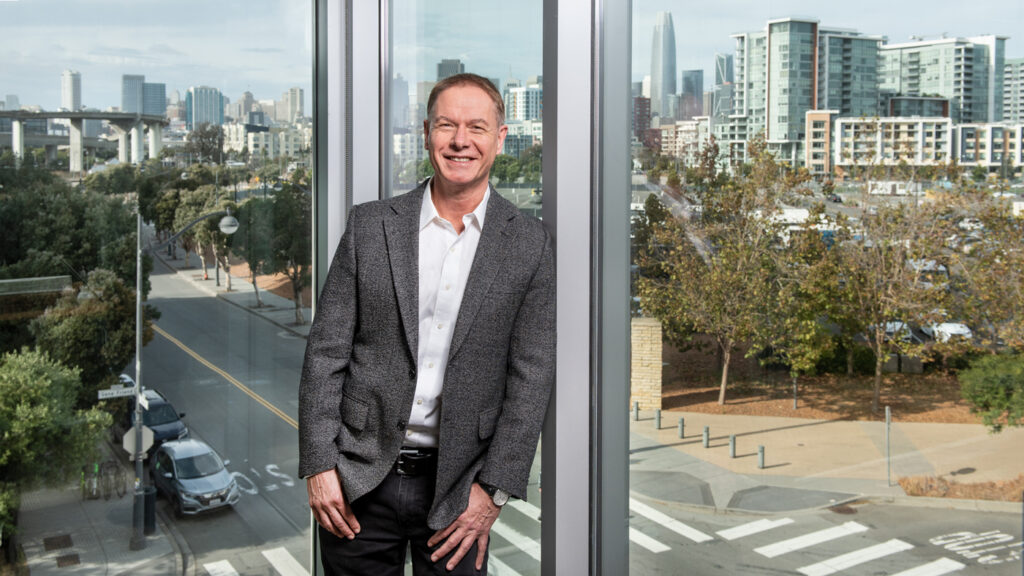
Hope for Alzheimer’s: A Conversation with Gladstone’s Lennart Mucke
Mucke, director of the Gladstone Institute of Neurological Disease, discusses what's next for Alzheimer’s research, the role of nonprofit research in developing new therapies, and why he's more hopeful than ever for a future where neurodegenerative diseases are fully treatable—and even preventable.
Zeroing in on a New Treatment for Autism and Epilepsy
Gladstone scientists show that reducing levels of the protein tau soon after birth can prevent these conditions in an experimental model

Get Involved
Join the Team
Our people are our most important asset. We offer a wide array of career opportunities both in our administrative offices and in our labs.
Open PositionsPartner With Us
Discoveries don’t stay in our labs. Gladstone facilitates spinout companies to advance promising therapies, shortening the path between scientific discovery and helping real patients.
Learn MoreGive
Your gift to Gladstone will allow our researchers to pursue high-quality science, focus on disease, and train the next generation of scientific thought leaders.
Donate Now