How Nobel Prize-Winning Optogenetics Has Revolutionized Neuroscience
Gladstone's Jeanne Paz reflects on her early-career years in the lab of 2026 Nobel Prize winner Karl Deisseroth and explains how optogenetics has advanced epilepsy research.
At Gladstone, we not only use the latest technology—we build it.
From AI models to novel vaccine approaches, our scientists are creating bleeding-edge computational tools and molecular technologies to accelerate research across every disease area. Our researchers also continue to build on iPS cells and CRISPR, technologies pioneered by scientists who now call Gladstone home, pushing even further the boundaries of what’s possible in science.

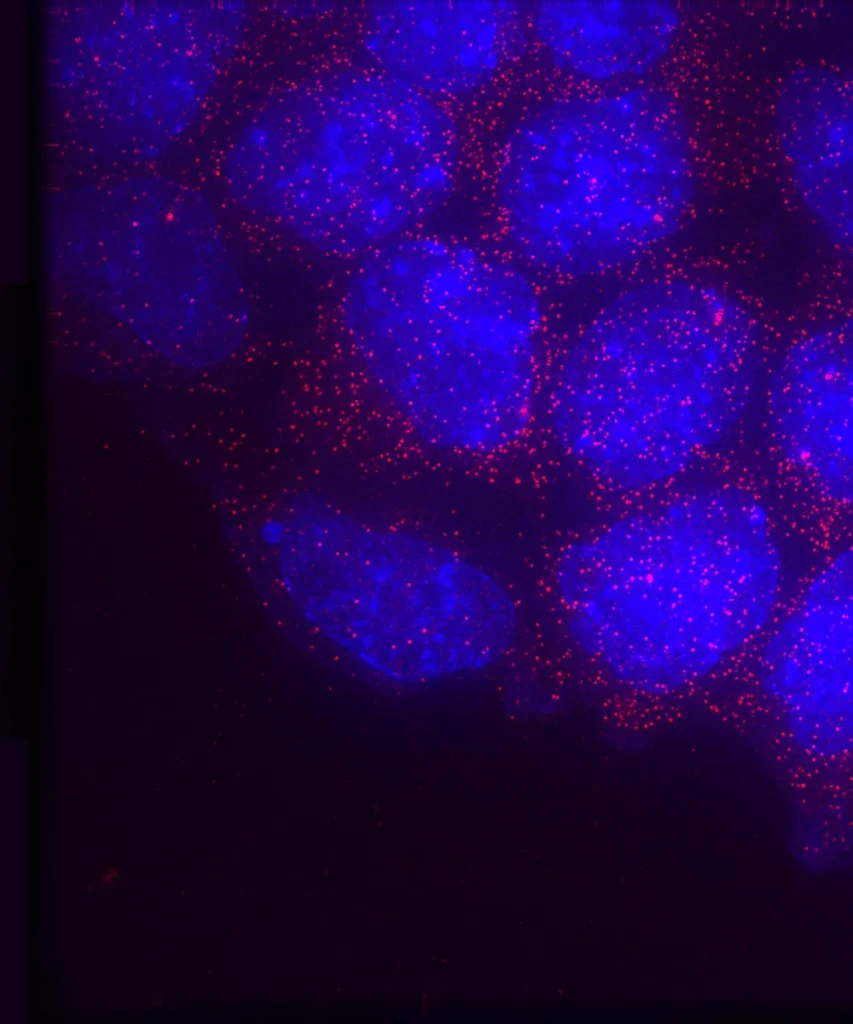
Scientists at Gladstone are developing new ways to engineer and optimize phages to counter drug-resistant infections, which represent one of the world’s most urgent health threats.
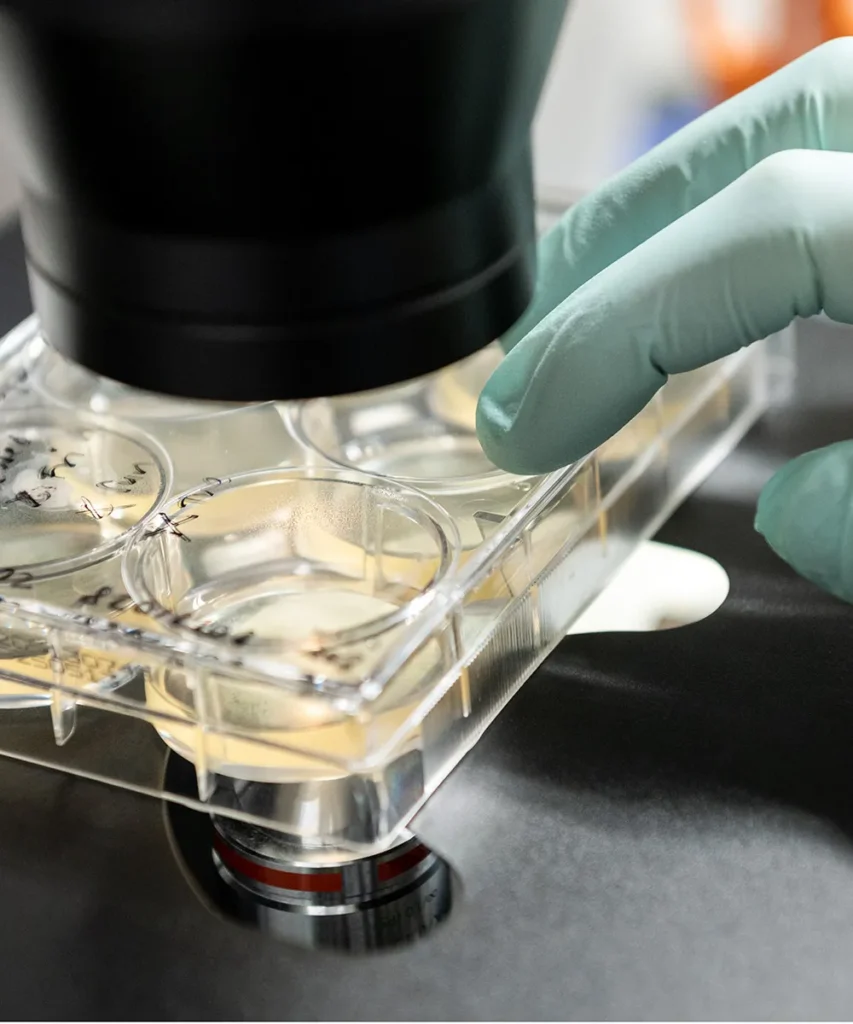
One of the most important advances in modern biomedical research, iPS cells help Gladstone researchers study disease, screen drugs, and develop potential cell therapies.

At Gladstone, our scientists are creating some of the world’s most advanced AI models in biomedical research—allowing both experiments in living cells and AI itself to advance faster.
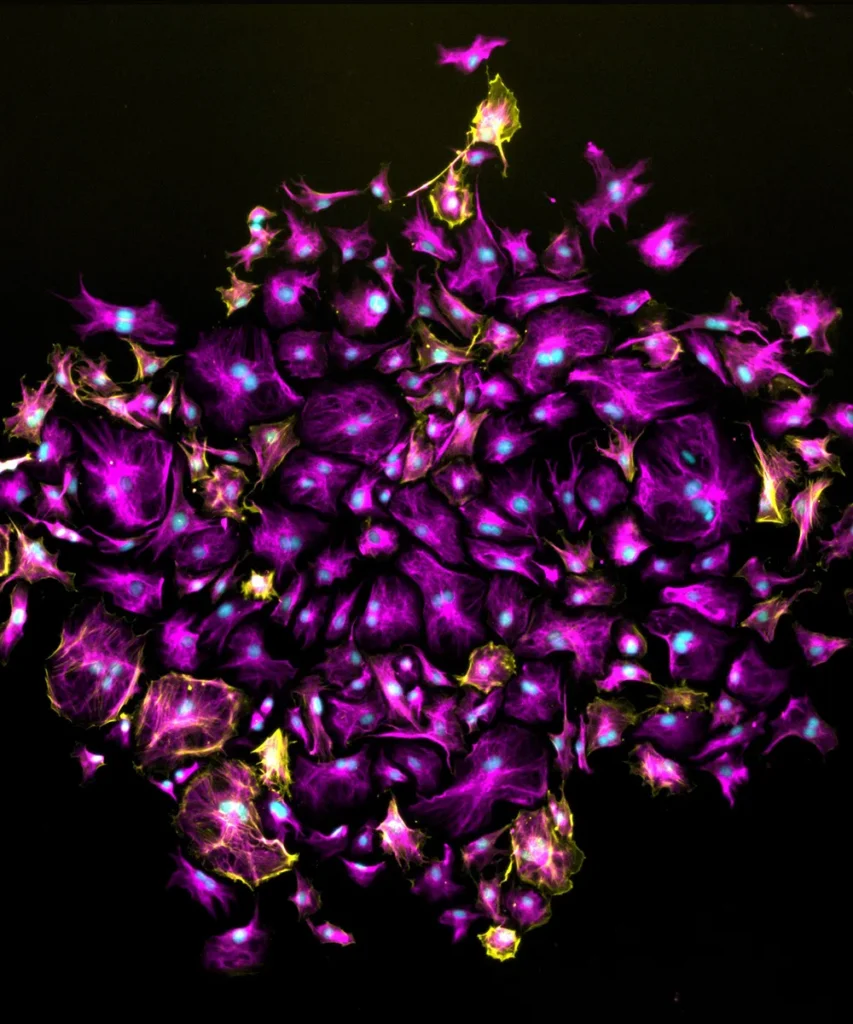
Gladstone researchers are using CRISPR and advancing gene-editing approaches to better understand disease, develop new diagnostics, and design next-generation therapies.
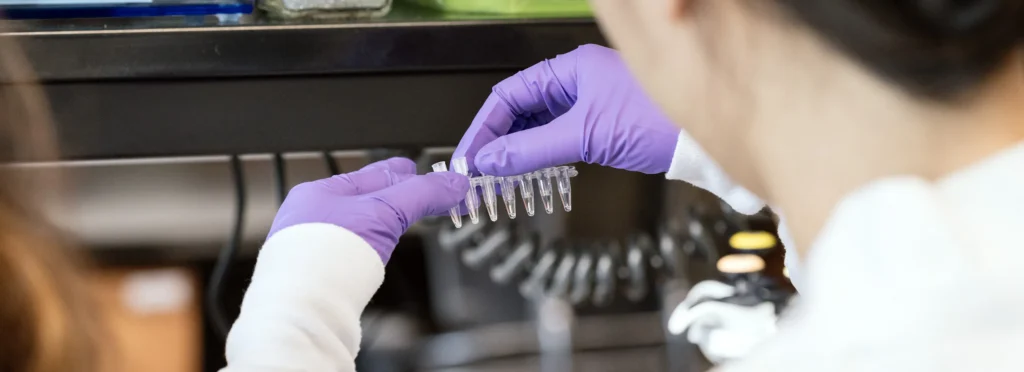
At Gladstone, scientists are developing innovative vaccines that generate better immune responses to respond to future pandemics and some of medicine’s greatest unmet challenges.
Gladstone Investigator Steve Finkbeiner discusses the remarkable potential of AI to advance science—and the risk of too-stringent government regulations on AI hampering discovery.
Induced pluripotent stem cell technology has already opened countless new possibilities for treating disease, but Gladstone Investigator Shinya Yamanaka says he believes the best is yet to come.
The company has been working with Steve Finkbeiner's team at Gladstone since January to search for molecules targeting alpha-synuclein, a protein involved in Parkinson's disease.
Gladstone Associate Investigator Seth Shipman says Anthropic's discovery of an enzyme system is interesting, but cautions against attributing the scientific work entirely to an AI model.

Our people are our most important asset. We offer a wide array of career opportunities both in our administrative offices and in our labs.
Open PositionsDiscoveries don’t stay in our labs. Gladstone facilitates spinout companies to advance promising therapies, shortening the path between scientific discovery and helping real patients.
Learn MoreYour gift to Gladstone will allow our researchers to pursue high-quality science, focus on disease, and train the next generation of scientific thought leaders.
Donate Now