
Gladstone’s Melanie Ott and Alex Marson Elected to the National Academy of Medicine
Physician-scientists and directors at Gladstone Institutes, Ott and Marson are honored for their pioneering achievements in science and medicine.
Gladstone is 100% dedicated to disease-focused research. Our biologists, chemists, engineers, and data scientists collaborate deeply to understand how the human body works and what goes wrong in disease. We work with the utmost urgency, knowing every day that patients are waiting for better treatments—and cures.
Gladstone's scientists are pursuing multiple research fronts—from genetics to protein biology to inflammation—in the ongoing effort to understand, detect, and ultimately overcome Alzheimer's disease.

Gladstone scientists combine genetics, immunology, and gene editing to uncover how autoimmune diseases develop and discover new therapies for these complex, progressive conditions.
Gladstone researchers are uncovering the genetic drivers of cancer and developing innovative gene-editing and immunotherapy strategies to improve treatment for hard-to-treat cancers.
Researchers at Gladstone are working to uncover the genetic and developmental causes of congenital heart disease, with the goal of improving diagnosis and developing future therapies.
Gladstone researchers are advancing the understanding of COVID-19 and Long COVID to develop better diagnostics, treatments, and vaccines while preparing for future pandemics.
Gladstone scientists are tackling drug-resistant infections by turning the biology of bacteria and the viruses that attack them into tools for new therapies.
Epilepsy causes unpredictable, often treatment-resistant seizures, and Gladstone researchers are working to uncover their root causes to develop more targeted therapies.

Scientists at Gladstone are working to better understand the underlying causes of heart failure and develop new therapies to repair damaged hearts.
Gladstone scientists are aggressively pursuing a broad range of research that could finally lead to a cure for HIV, as well as ways to improve the overall health of people with HIV.
Huntington's disease is a genetic, progressive brain disorder, and Gladstone scientists are working to understand its causes and develop better treatments.
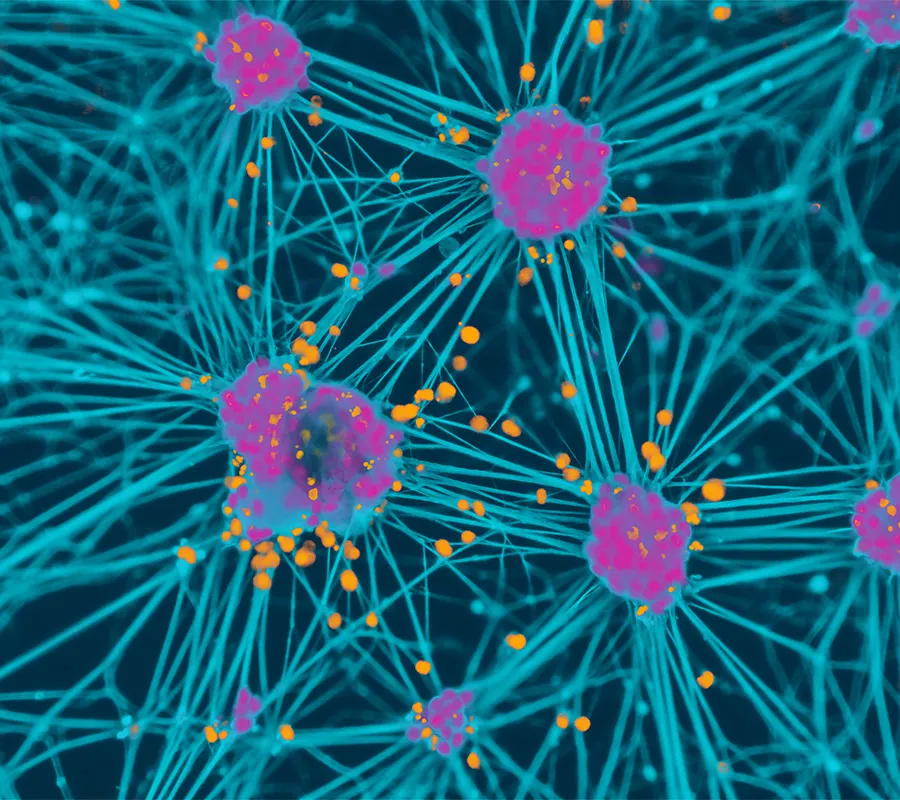
Gladstone scientists are uncovering the genetic and cellular roots of Parkinson's disease to open new paths toward treating and eventually curing this condition affecting nearly 1 million Americans.
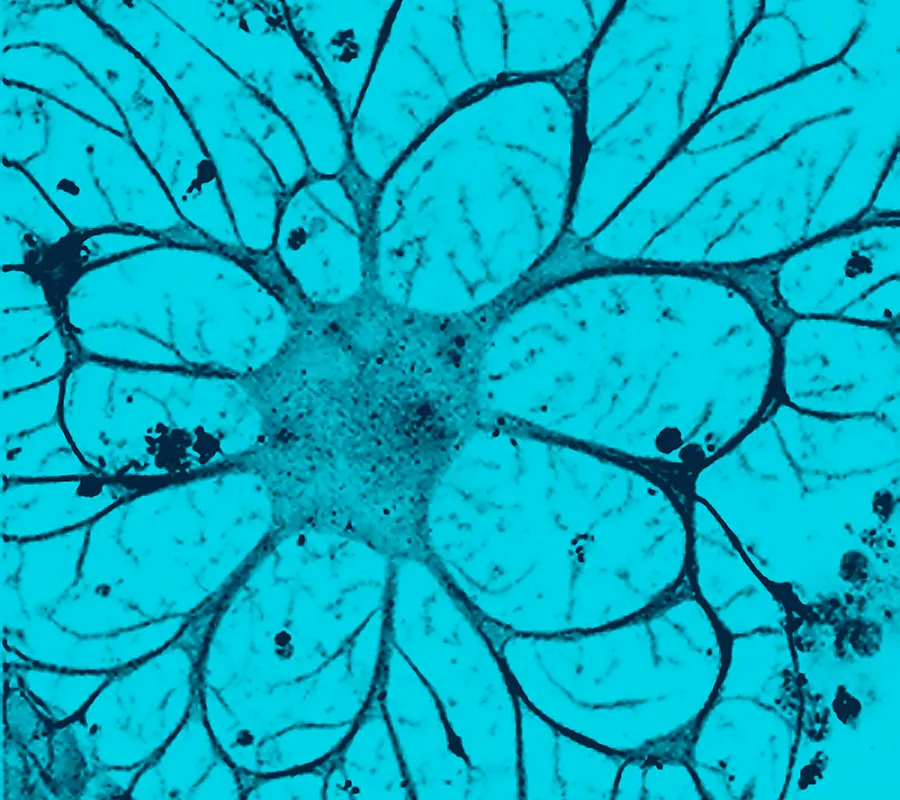
Gladstone scientists are working to decode the brain's response to traumatic brain injury, distinguishing signals that promote healing from those that cause further harm, in search of new therapeutic opportunities.
Research in mice reveals how critical brain cells misfire in Alzheimer’s and identifies a targeted strategy to restore healthy brain rhythms.
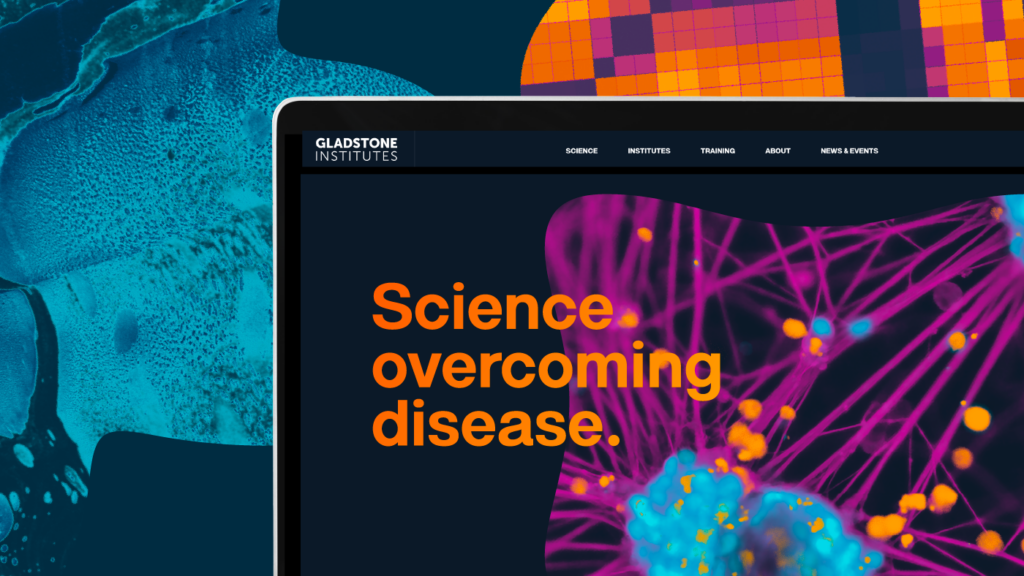
Discover disease research, explore the latest scientific news, and connect with experts through Gladstone’s enriched digital platform.
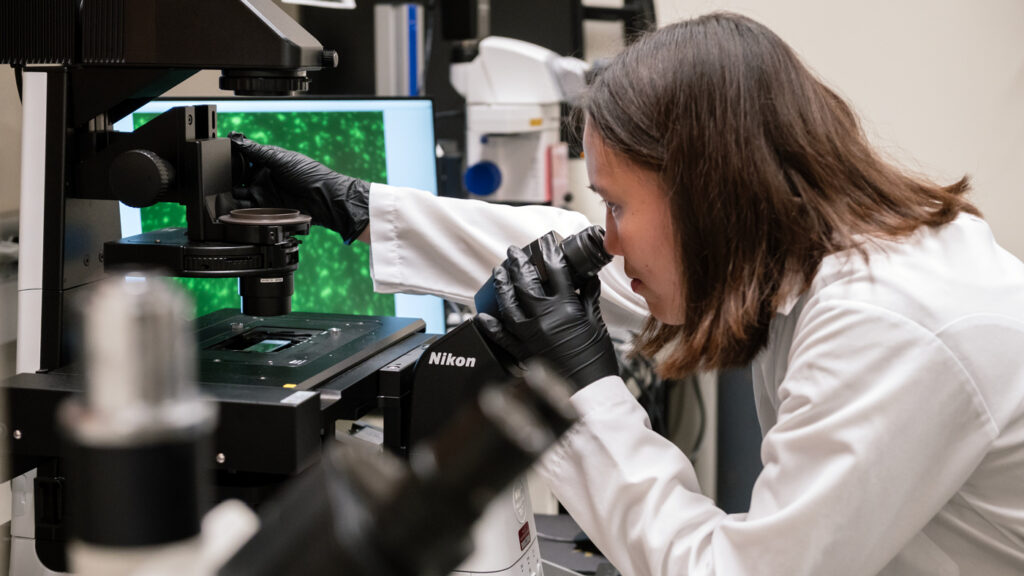
The complex Rube Goldberg-like molecular machinery could inspire novel technology to study and treat disease.
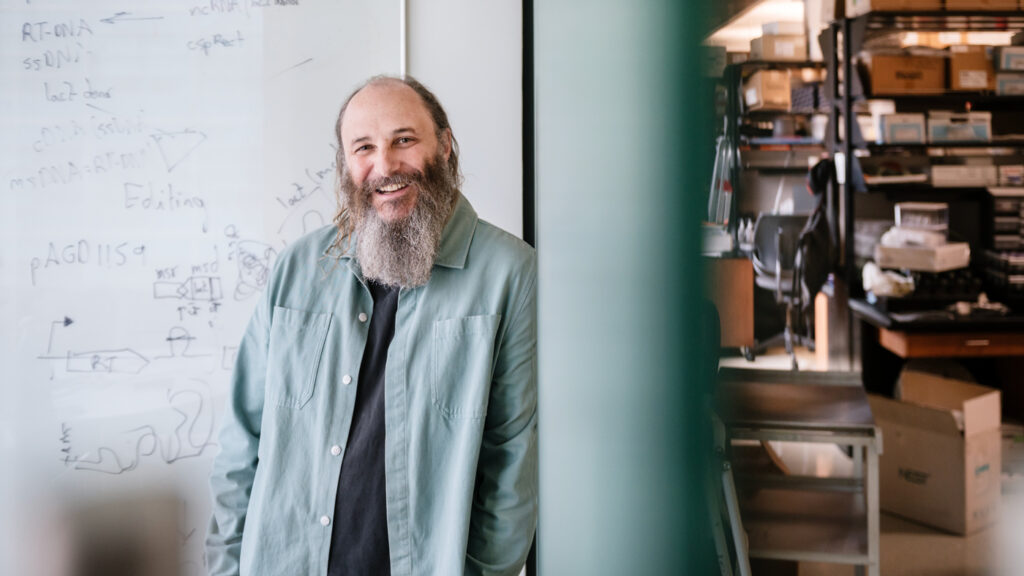
Shipman is recognized for pioneering molecular technologies that record cellular activity, expand genome editing, and target antibiotic-resistant superbugs.

Our people are our most important asset. We offer a wide array of career opportunities both in our administrative offices and in our labs.
Open PositionsDiscoveries don’t stay in our labs. Gladstone facilitates spinout companies to advance promising therapies, shortening the path between scientific discovery and helping real patients
Industry PartnersYour gift to Gladstone will allow our researchers to pursue high-quality science, focus on disease, and train the next generation of scientific thought leaders.
Donate Now