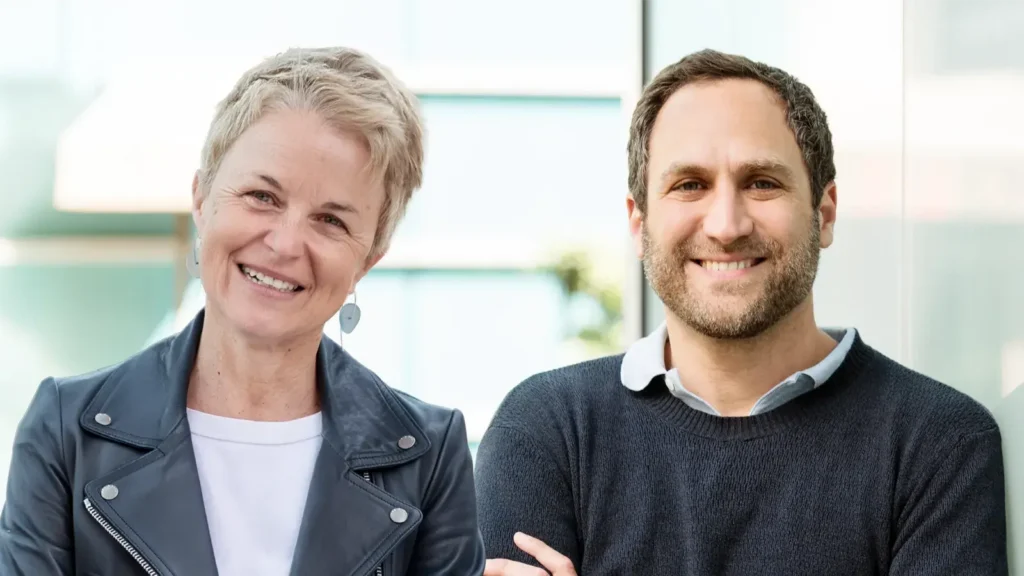
Gladstone’s Melanie Ott and Alex Marson Elected to the National Academy of Medicine
Physician-scientists and directors at Gladstone Institutes, Ott and Marson are honored for their pioneering achievements in science and medicine.
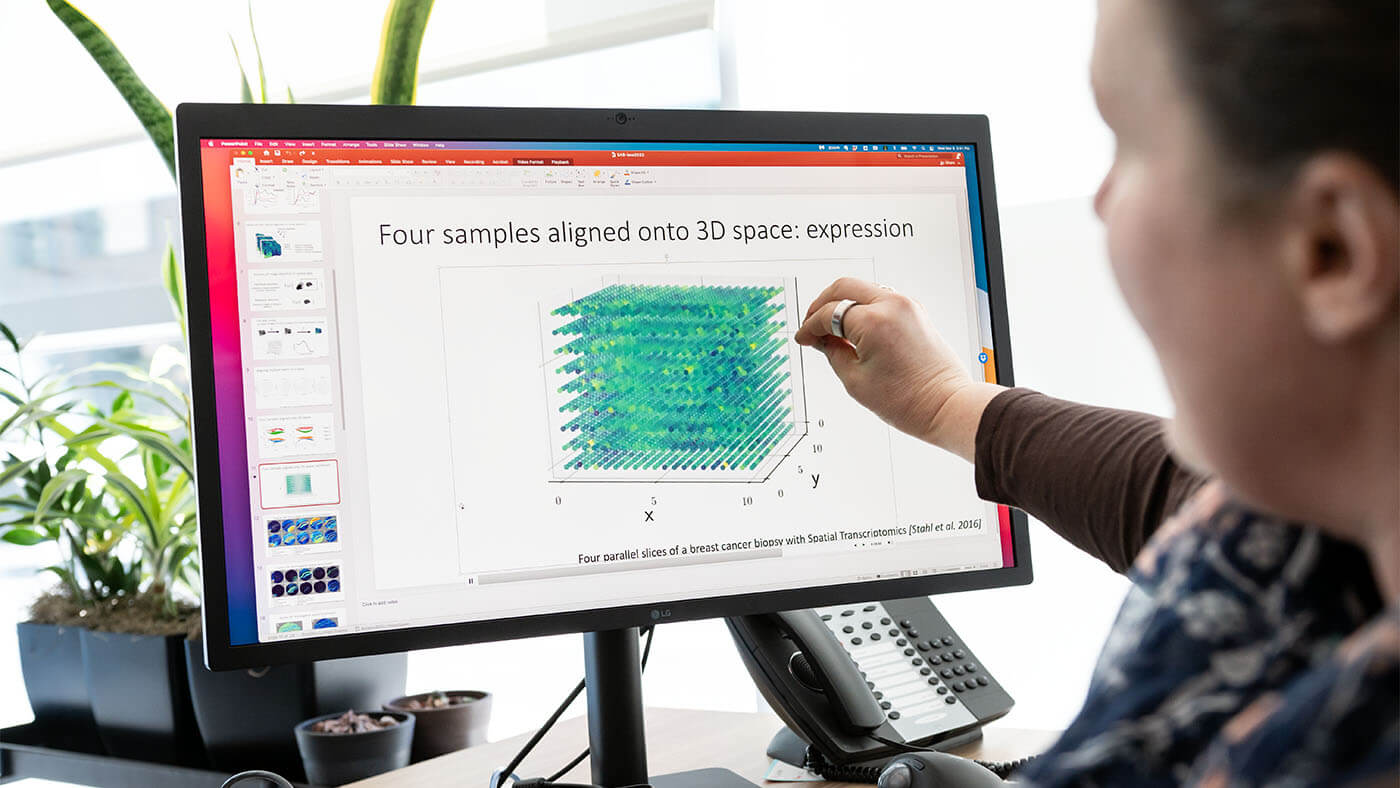
Gladstone’s Biswas Center for Transformative Computational Cancer Biology, established in 2024 with a grant from the Biswas Family Foundation, closely couples machine learning and experimentation to shed light on promising areas for cancer diagnosis and treatment.
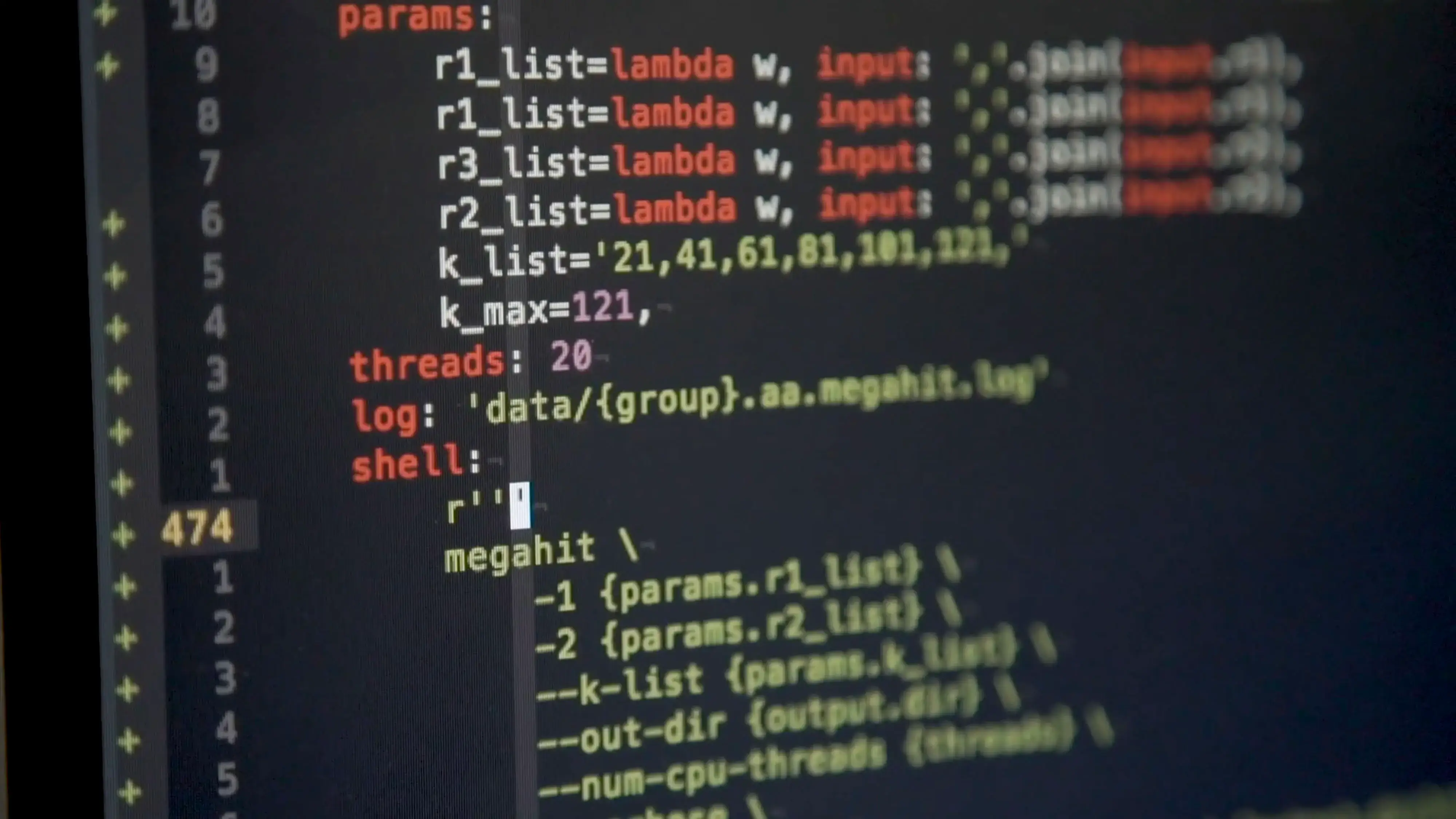
In the area of molecular mechanisms, the center’s suite of deep learning models is capable of performing trillions of genome editing experiments on the computer to generate and rank testable hypotheses about how changing a cell’s DNA will alter its function and interactions with other cells. Focused initially on colorectal and skin cancers, the group hopes to identify genetic mechanisms overlooked by other researchers and to develop a predictive understanding of how DNA changes lead to different subtypes of cancer, enabling personalized cancer diagnoses.
Towards precision immunotherapy, the team is using machine learning models to accelerate T-cell engineering. By decoding which genes enhance the ability of T-cells to target and kill cancer cells in live imaging and spatial transcriptomics data, the center is overcoming the challenge of building better immunotherapies for individual patients.
Importantly, the program is designed to apply equal research emphasis across common and rare cancer pathways and diverse genetic ancestries, which should generate much-needed information in these understudied areas. Technologies emerging from the Biswas Center for Transformative Computational Cancer Biology will be freely shared, with the goal of fueling a global acceleration of cancer biology research and the development of therapies specialized to each type of cancer mechanism. While the primary focus is cancer biology, the center has potential to advance medicine in many areas.

Your gift to Gladstone will allow our researchers to pursue high-quality science, focus on disease, and train the next generation of scientific thought leaders.
DONATE NOW
Research in mice reveals how critical brain cells misfire in Alzheimer’s and identifies a targeted strategy to restore healthy brain rhythms.
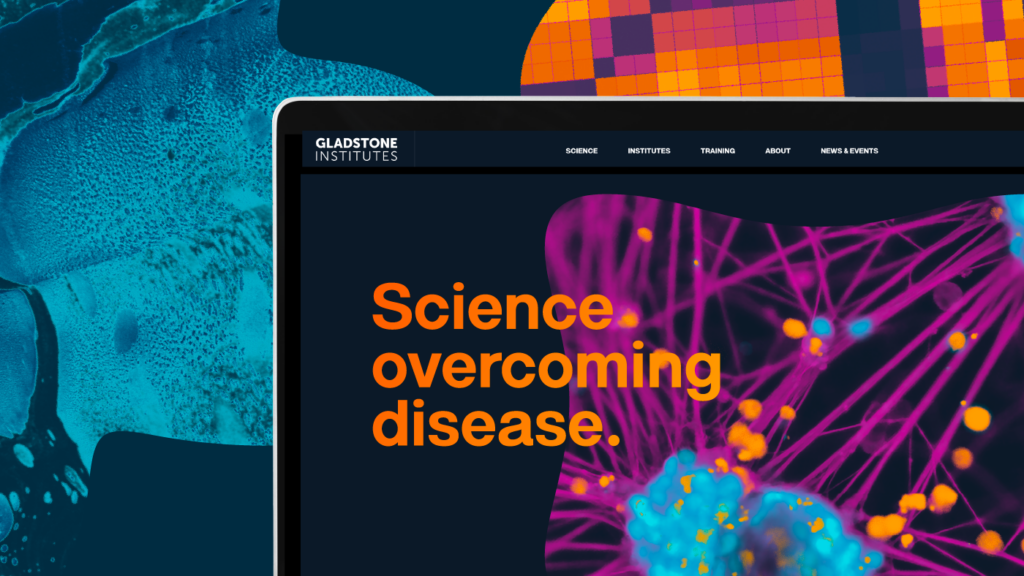
Discover disease research, explore the latest scientific news, and connect with experts through Gladstone’s enriched digital platform.
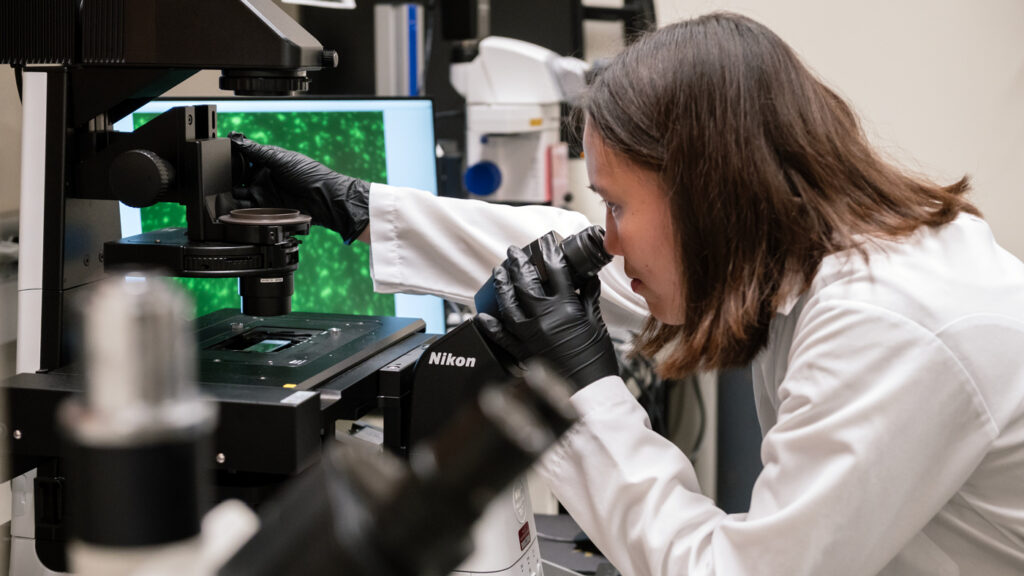
The complex Rube Goldberg-like molecular machinery could inspire novel technology to study and treat disease.
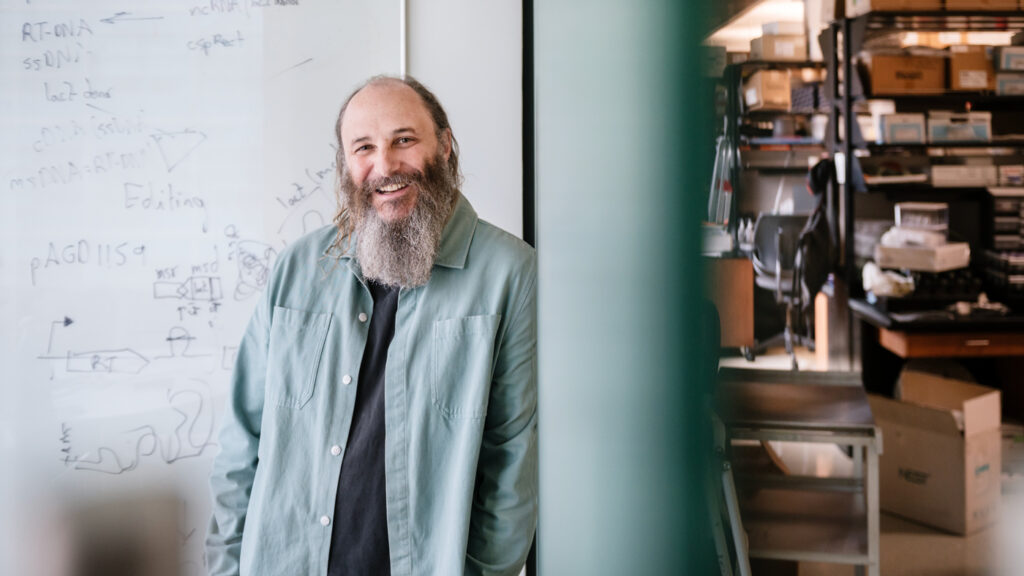
Shipman is recognized for pioneering molecular technologies that record cellular activity, expand genome editing, and target antibiotic-resistant superbugs.
Our people are our most important asset. We offer a wide array of career opportunities both in our administrative offices and in our labs.
Open PositionsDiscoveries don’t stay in our labs. Gladstone facilitates spinout companies to advance promising therapies, shortening the path between scientific discovery and helping real patients.
Learn MoreYour gift to Gladstone will allow our researchers to pursue high-quality science, focus on disease, and train the next generation of scientific thought leaders.
Donate Now