In Alzheimer’s Disease, the Brain’s Pacemaker Cells Lose Their Beat
Research in mice reveals how critical brain cells misfire in Alzheimer’s and identifies a targeted strategy to restore healthy brain rhythms.

Scientists at the Gladstone Institute of Neurological Disease maintain a strong focus on neurodegenerative and neuroinflammatory diseases, including Alzheimer’s disease and other dementias, Parkinson’s disease, amyotrophic lateral sclerosis (ALS), and multiple sclerosis. Because of intriguing overlaps between these conditions and other challenging brain diseases, they also study epilepsy and neuropsychiatric disorders, such as autism and obsessive compulsive disorders.
The investigators are searching for common threads that will allow them to identify therapeutic interventions that might benefit multiple conditions. They are using unconventional approaches to identify such multifaceted solutions, while also leveraging capabilities in regenerative and personalized medicine.

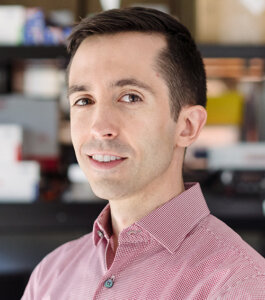
Ryan Corces, PhD
Assistant Investigator, Gladstone Institutes

Yadong Huang, MD, PhD
Associate Director, Gladstone Institute of Neurological Disease

Robert Mahley, MD, PhD
President Emeritus and Senior Investigator

Lennart Mucke, MD
Director, Gladstone Institute of Neurological Disease

Ken Nakamura, MD, PhD
Senior Investigator, Gladstone Institutes
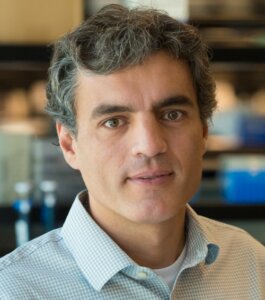
Jorge Palop, PhD
Associate Investigator, Gladstone Institutes

Jeanne Paz, PhD
Senior Investigator, Gladstone Institutes
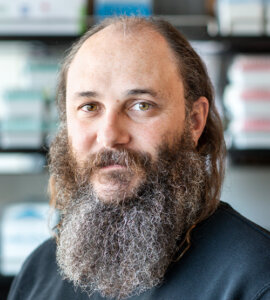
Seth Shipman, PhD
Associate Investigator, Gladstone Institutes

Andrew Yang, PhD
Assistant Investigator, Gladstone Institutes

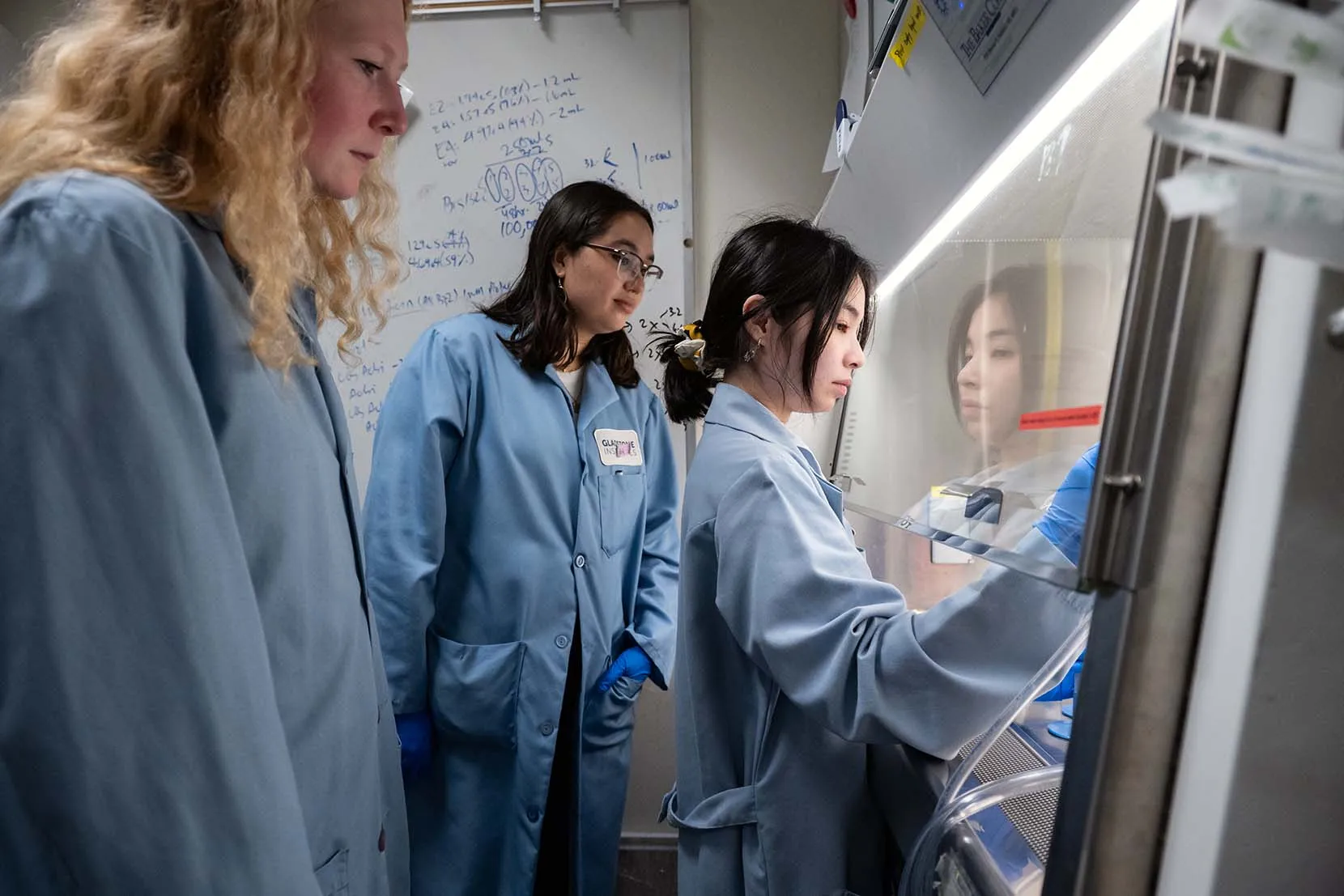
Our training program has been recognized as one of the best in the field. Explore how we’re building the future of neurological disease research, one scientist at a time.

Lennart Mucke, MD
Director, Gladstone Institute of Neurological Disease
We recognized early on that many brain disorders are multi-causal in nature and, therefore, will likely require a multi-pronged therapeutic approach. To meet this challenge, we assembled a highly interactive team of investigators with complementary areas of expertise who are tackling important unresolved problems in neuroscience in unorthodox ways and with unusual levels of creativity and courage.
We are on the cusp of several important advancements to better understand, prevent, treat, and—ultimately—cure some of the most devastating diseases.
Our goal is to discover the most impactful disease mechanisms and translate basic scientific discoveries into better treatments for patients. We are on the cusp of several important advancements to better understand, prevent, treat, and—ultimately—cure some of the most devastating diseases affecting the central nervous system.
FROM THE DIRECTOR
We are on the cusp of several important advancements to better understand, prevent, treat, and—ultimately—cure some of the most devastating diseases.

Lennart Mucke, MD
Director, Gladstone Institute of Neurological Disease
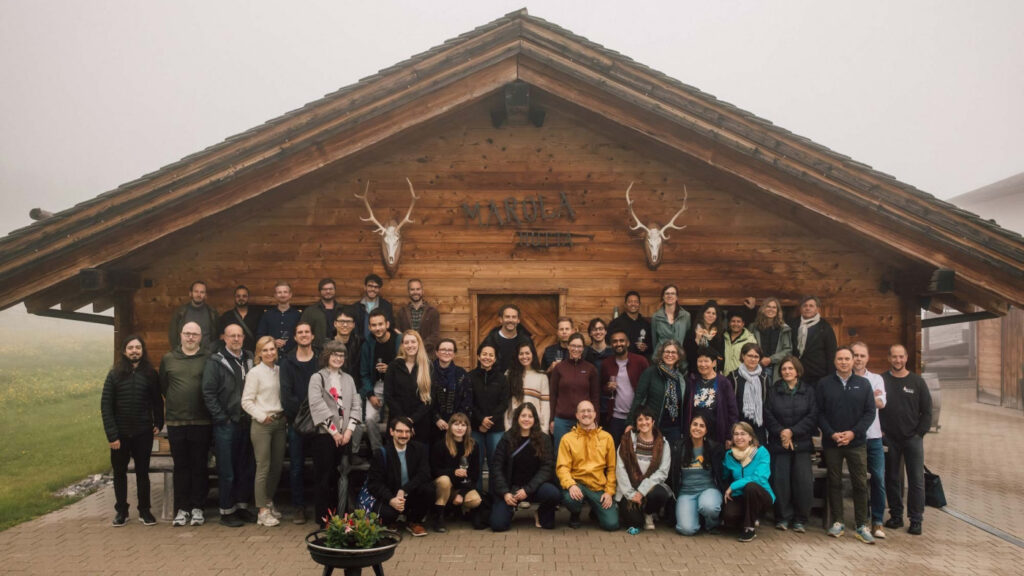
Scientists from across the NOMIS community gathered in Switzerland for the inaugural NOMIS Fellows Symposium.
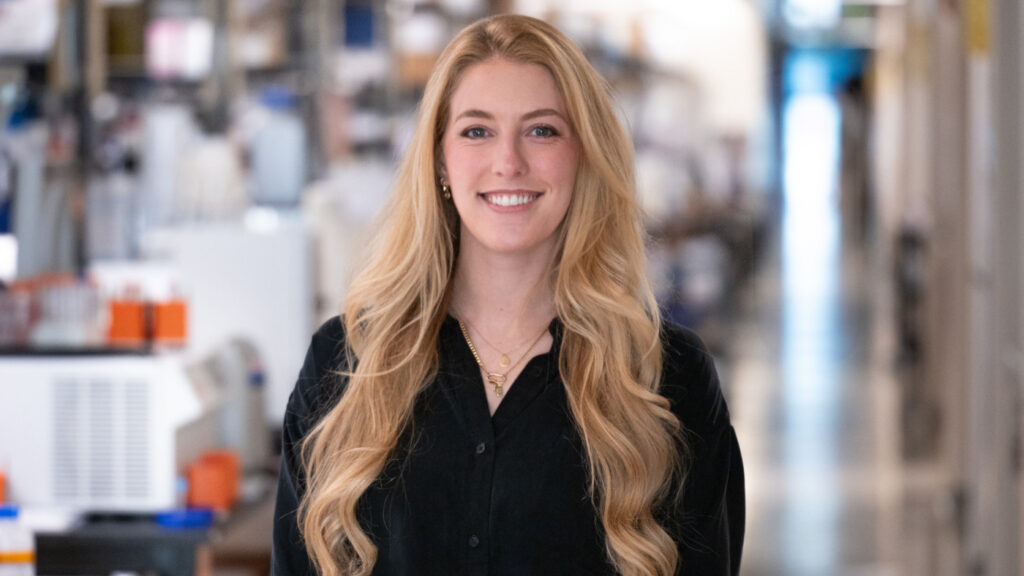
NOMIS–Gladstone Fellow Cathrine Sant is studying an enigmatic region of the human genome linked to neurodegenerative disease risk.
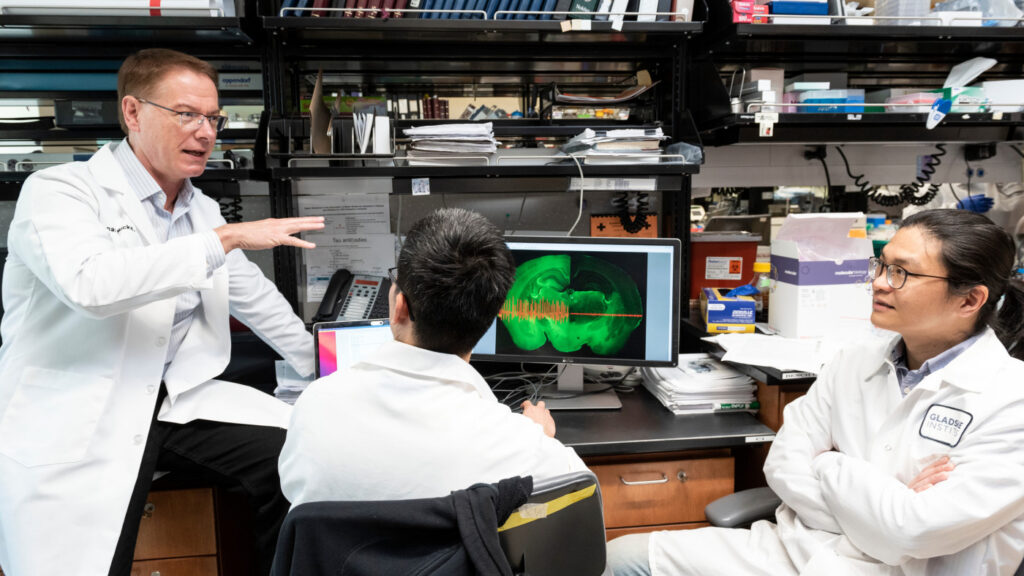
Nearly 20 years after his landmark study uncovered novel roles of tau in Alzheimer’s disease, Gladstone's Lennart Mucke shares his perspective on new clinical data that could transform the future of brain health.
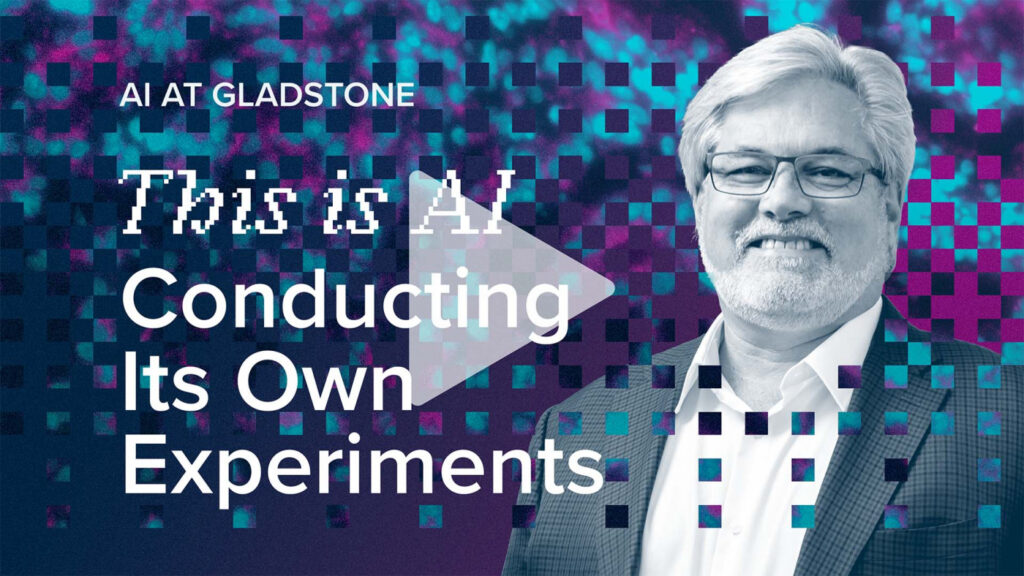
Gladstone scientists have developed a thinking microscope powered by artificial intelligence.
Our people are our most important asset. We offer a wide array of career opportunities both in our administrative offices and in our labs.
Open PositionsDiscoveries don’t stay in our labs. Gladstone facilitates spinout companies to advance promising therapies, shortening the path between scientific discovery and helping real patients.
Learn MoreYour gift to Gladstone will allow our researchers to pursue high-quality science, focus on disease, and train the next generation of scientific thought leaders.
Donate Now