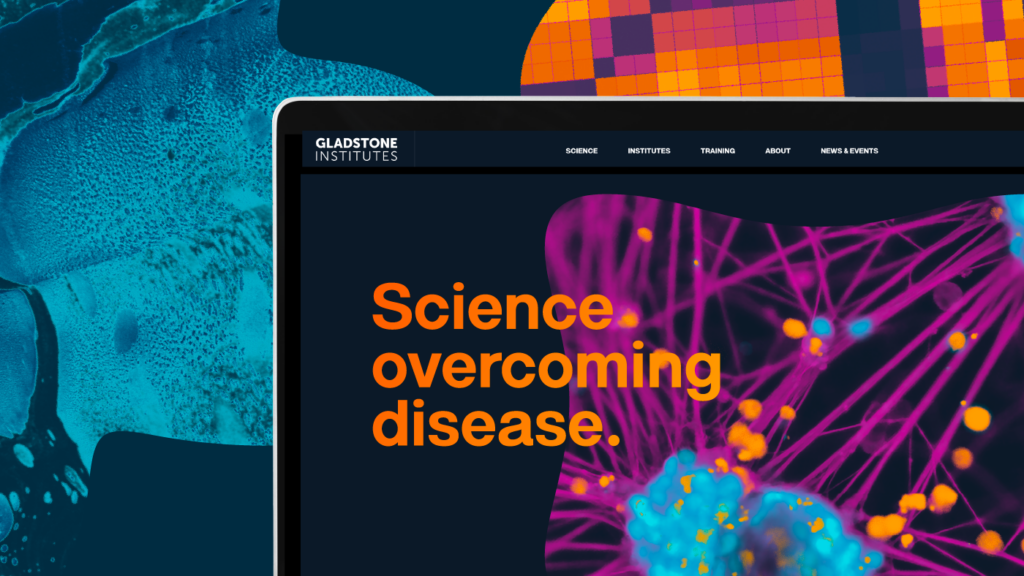
Gladstone Institutes Launches Redesigned Website, Bringing Cutting-Edge Biomedical Research Into Focus
Discover disease research, explore the latest scientific news, and connect with experts through Gladstone’s enriched digital platform.
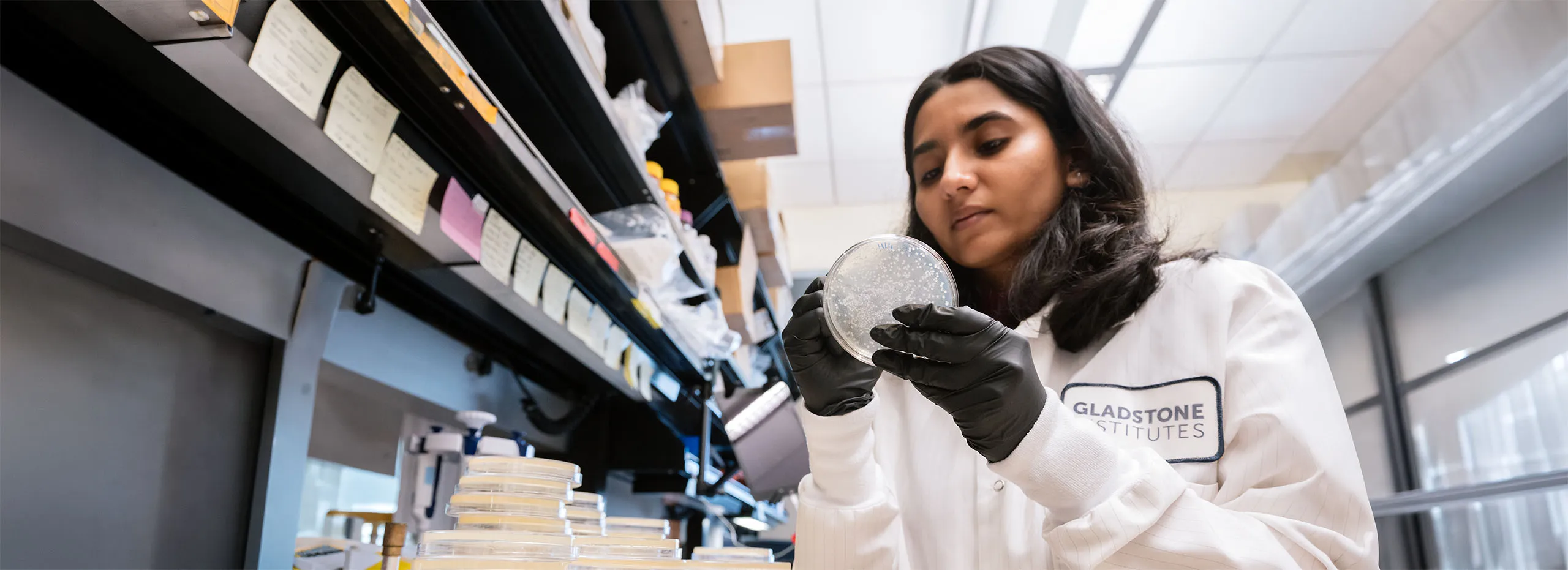
The Center for PhAIge Therapy combines engineering and artificial intelligence to leverage the potential of phages—viruses that naturally infect and kill bacteria—as new treatment options for these drug-resistant infections.
Despite promising results in individual patients, phage therapy has remained difficult to use at a larger scale. The new research center will build the preclinical tools and models needed to overcome this obstacle and make phages a more reliable treatment for infections.
Gladstone scientists have already built AI to predict which phages work against a given bacterial strain, but those models need far more data to be accurate. In this center, the researchers are generating an unprecedented amount of data to train the models by using engineered phages and bacteria to better understand, step by step, how bacteria are killed.
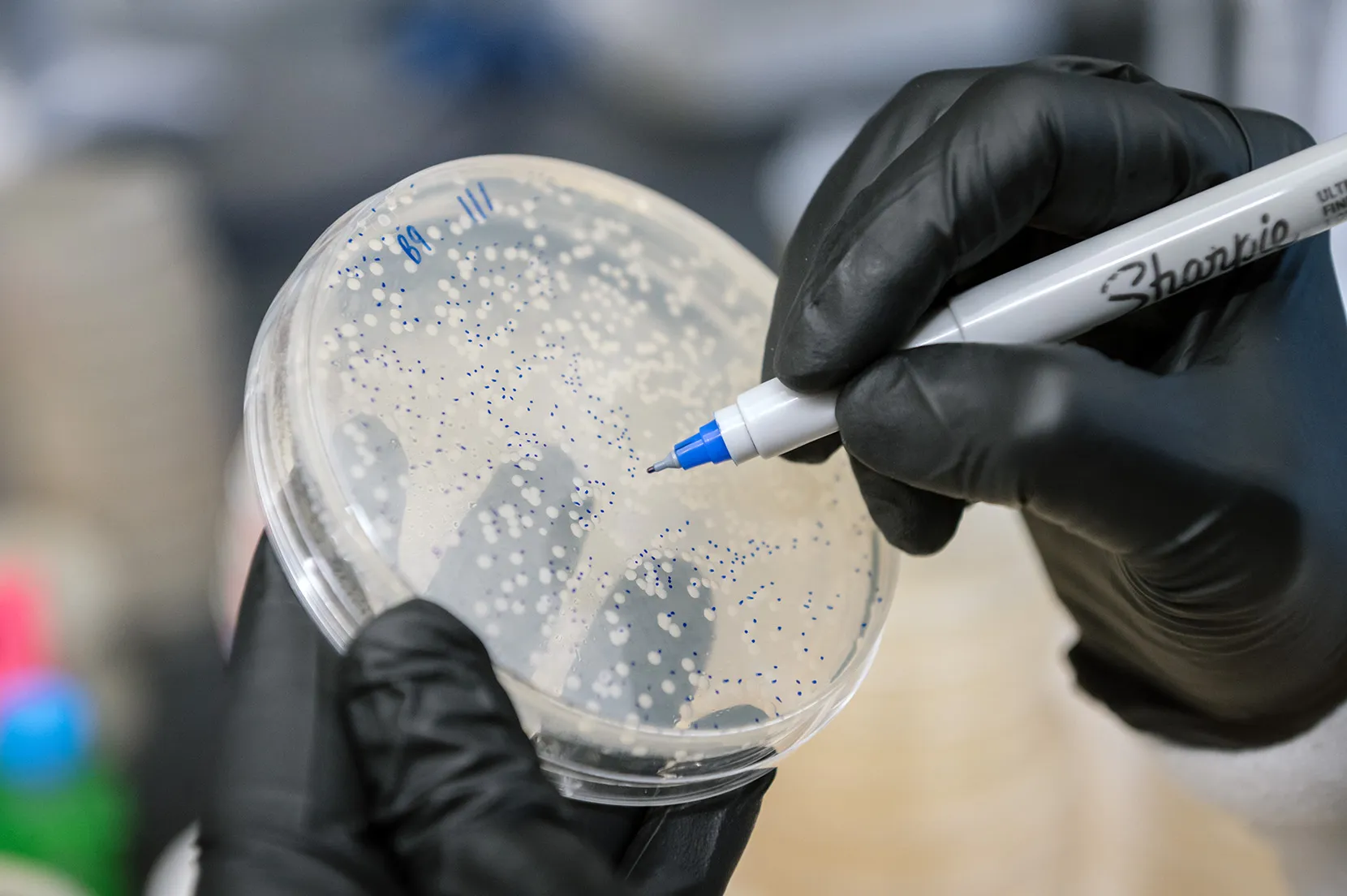
The center was launched in 2026 through an initial award of $2 million from the National Institute of Allergy and Infectious Diseases (NIAID), with additional funding of up to a total of $10 million available over the proposed 5-year project period. Gladstone is one of three institutions across the country selected to host the new Centers for Accelerating Phage Therapy to Combat ESKAPE Pathogens (CAPT-CEP) to advance the therapeutic use of phages.

Your gift to Gladstone will allow our researchers to pursue high-quality science, focus on disease, and train the next generation of scientific thought leaders.
DONATE NOW
The complex Rube Goldberg-like molecular machinery could inspire novel technology to study and treat disease.
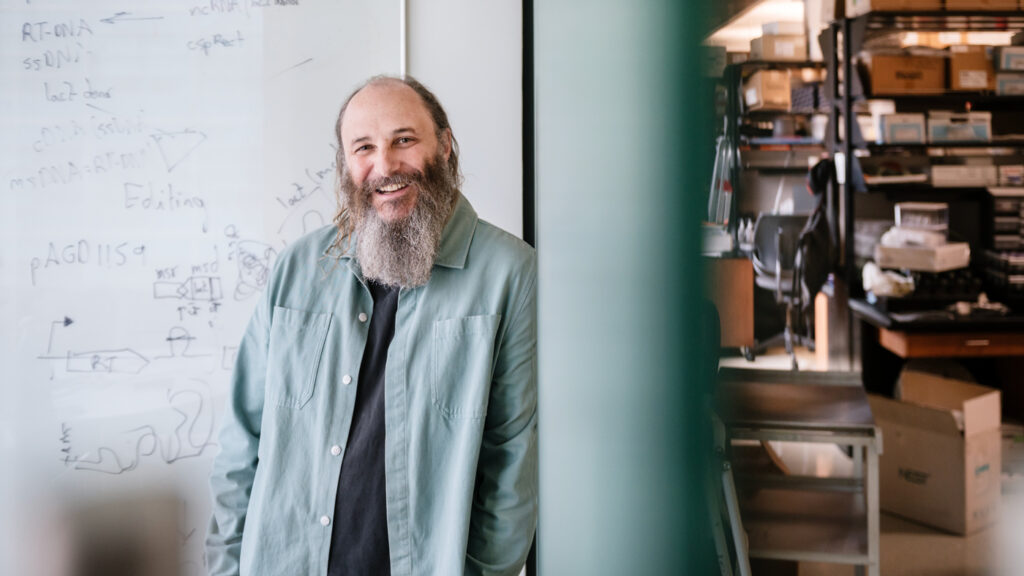
Shipman is recognized for pioneering molecular technologies that record cellular activity, expand genome editing, and target antibiotic-resistant superbugs.
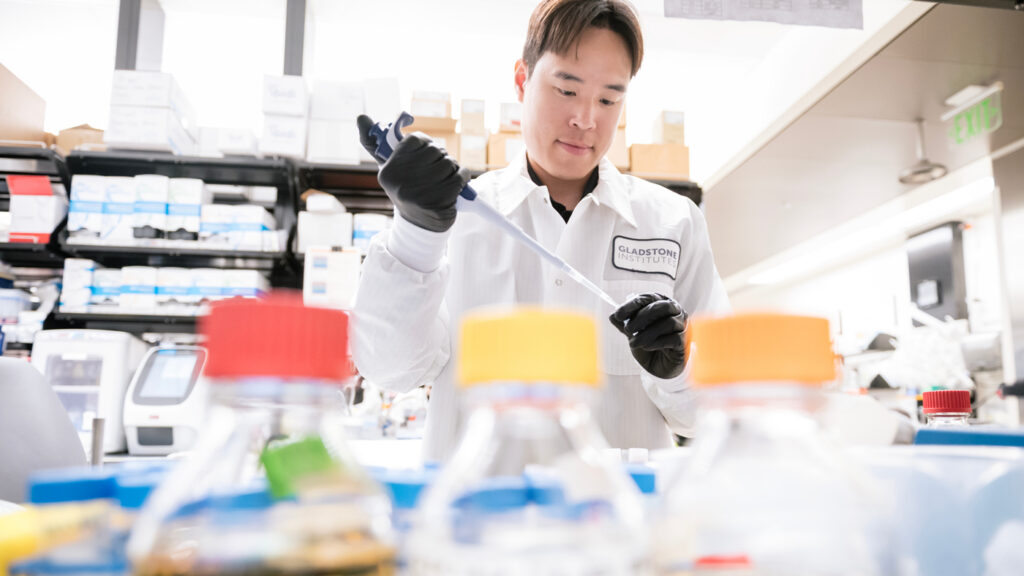
Inspired by bacterial biology, the Gladstone-developed “Detectron” opens up new possibilities for disease research and potentially treatments.
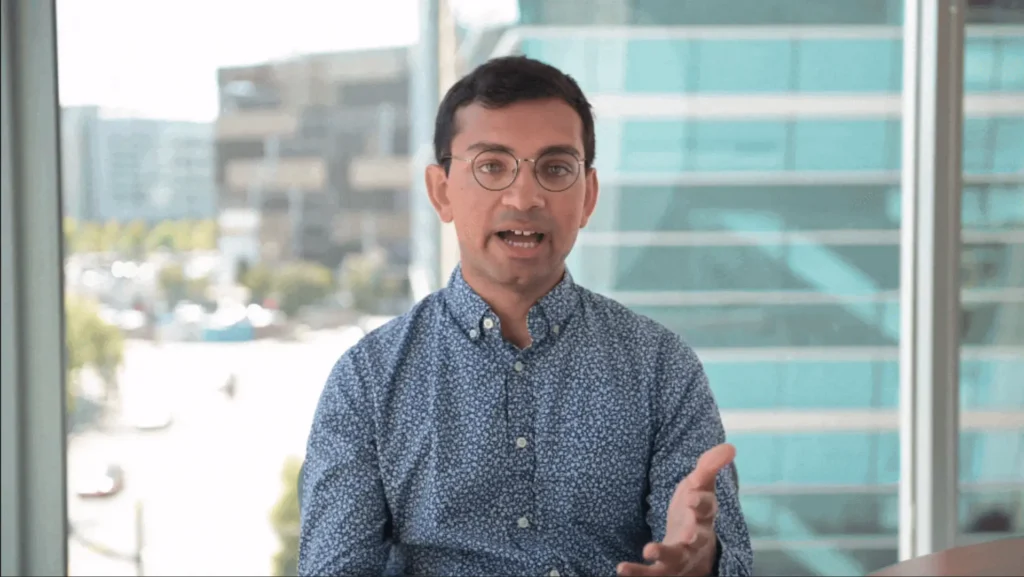
Ayush Midha, a graduate student in the Jain Lab, studies how the body's metabolism adapts to low oxygen—work that's uncovered backup energy pathways, potential fertility treatments, and a link between oxygen levels and tumor growth.
Our people are our most important asset. We offer a wide array of career opportunities both in our administrative offices and in our labs.
Open PositionsDiscoveries don’t stay in our labs. Gladstone facilitates spinout companies to advance promising therapies, shortening the path between scientific discovery and helping real patients.
Learn MoreYour gift to Gladstone will allow our researchers to pursue high-quality science, focus on disease, and train the next generation of scientific thought leaders.
Donate Now