


Gladstone Launches Center for PhAIge Therapy to Harness AI in the Fight Against Drug-Resistant Infections
The center, funded by an NIH grant, will become one of three national centers dedicated to accelerating the development of phage therapy.
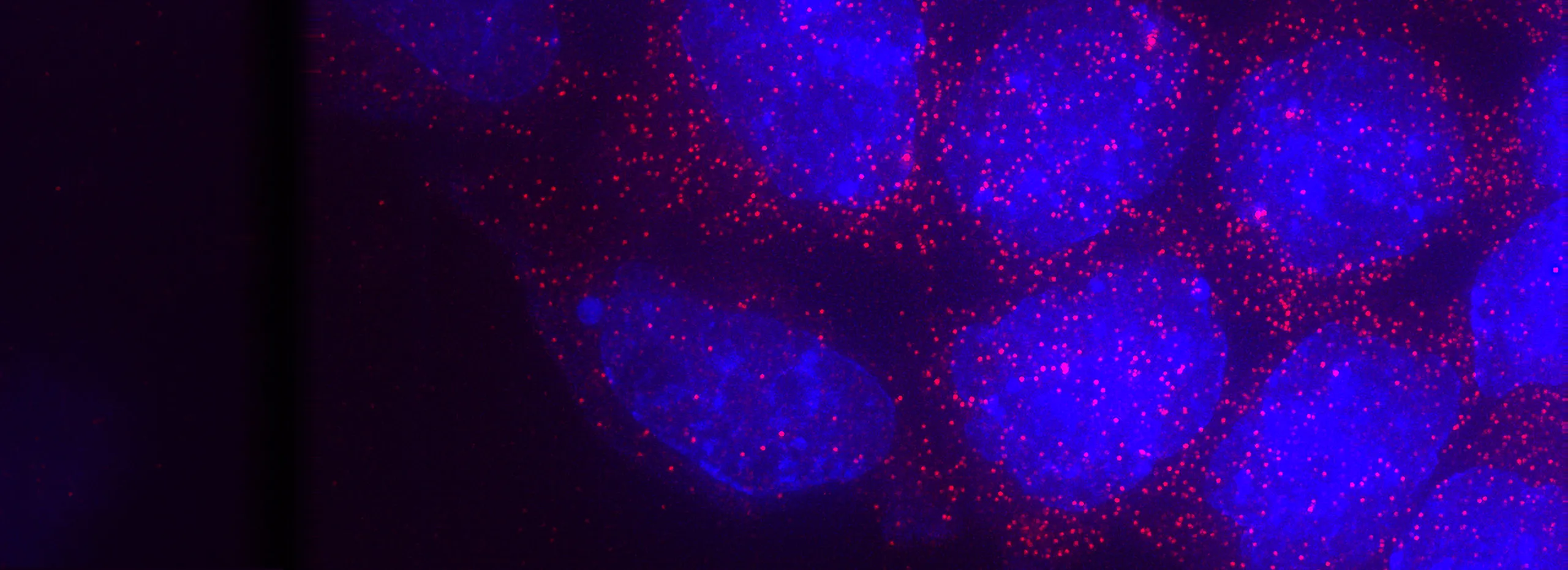
Phage therapy offers a promising alternative. Instead of relying on traditional antibiotics, researchers use bacteriophages—or simply phages—viruses that naturally infect and destroy bacteria. At Gladstone, scientists are developing new ways to engineer and optimize phages so they can become scalable, precision therapies against antibiotic-resistant infections.
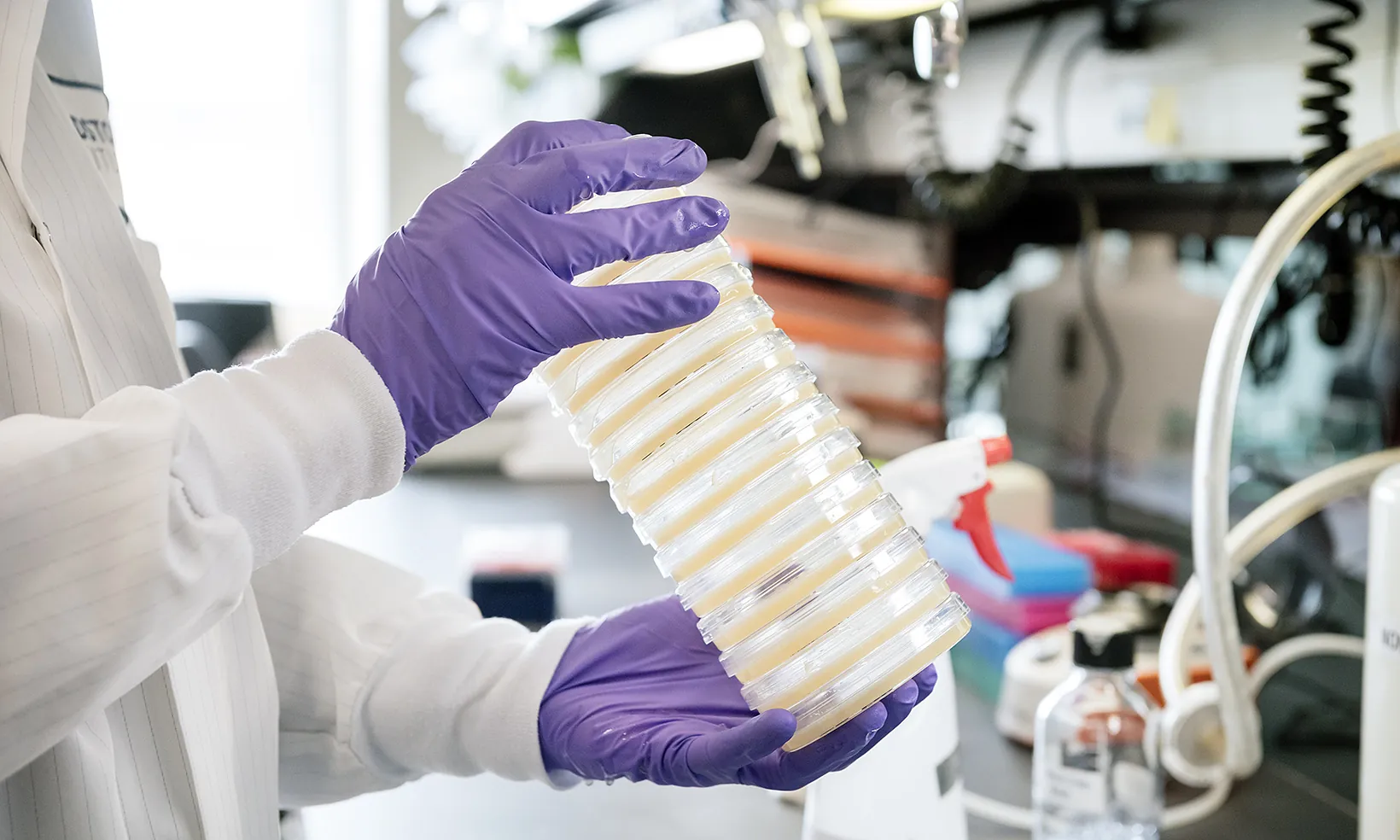
Bacteriophages are viruses that infect only bacteria. They are the most abundant biological entities on Earth and play an important role in naturally controlling bacterial populations in our bodies and throughout the environment.
Unlike antibiotics, which often kill many different types of bacteria—including beneficial microbes—phages are highly targeted. Each phage typically recognizes and infects only specific strains of bacteria. Once attached to its target, the phage injects its genetic material into the bacterial cell, hijacks the bacterial machinery to make more phages, and ultimately causes the cell to burst, releasing new phages that can continue attacking harmful bacteria.
This precision makes phage therapy an attractive alternative to antibiotics, particularly for infections caused by drug-resistant bacteria. In fact, phages have already been used to successfully treat a small number of patients with antibiotic-resistant infections.
However, widespread use has been challenging. Finding naturally occurring phages that match a patient’s specific bacterial infection is time-consuming and difficult to scale. At the same time, bacteria are constantly evolving defenses against phages in a biological arms race that has been ongoing for billions of years. To make phage therapy practical for more patients, scientists are working to better understand these interactions and engineer phages that can overcome bacterial resistance.
Gladstone researchers are developing the next generation of phage therapies by combining virology, genetics, and genome engineering to create more effective treatments for antibiotic-resistant infections. Rather than relying solely on naturally occurring phages, scientists are designing technologies that make phage therapy faster, more reliable, and scalable for widespread clinical use.

Gladstone has received an initial $2 million award from the National Institute of Allergy and Infectious Diseases (NIAID), with the potential for up to $10 million over five years, to establish the Center for PhAIge Therapy. The center brings together researchers to develop engineered phage treatments for antibiotic-resistant bacterial infections and accelerate their path toward clinical use through iteration between phage genetics and AI modeling.
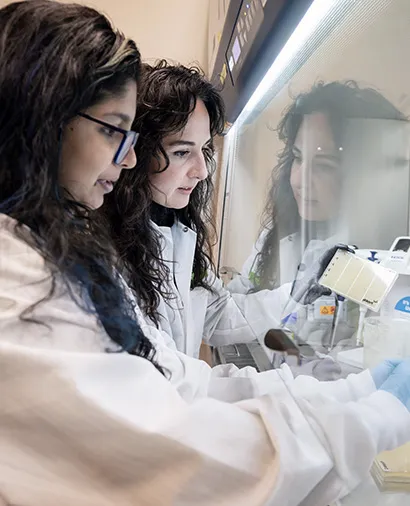
One major challenge in phage therapy is that naturally occurring phages have not necessarily evolved to kill the bacteria causing a patient’s infection. In Seth Shipman’s lab, scientists have developed technologies that allow them to rapidly edit phage genomes and to identify engineered phages that can kill infectious bacteria. This approach could make phage therapies more reliable, easier to customize, and scalable enough for broader clinical use.
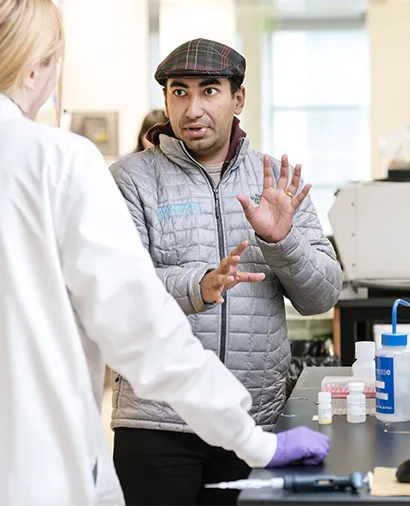
Researchers are also studying the ongoing evolutionary battle between bacteria and phages. In the Silas lab, scientists are performing large-scale screens of tens of thousands of phage genes in wild bacterial strains to identify the genetic tools phages use to overcome bacterial defenses. These discoveries could help scientists engineer new phages capable of targeting some of today’s most dangerous antibiotic-resistant pathogens.
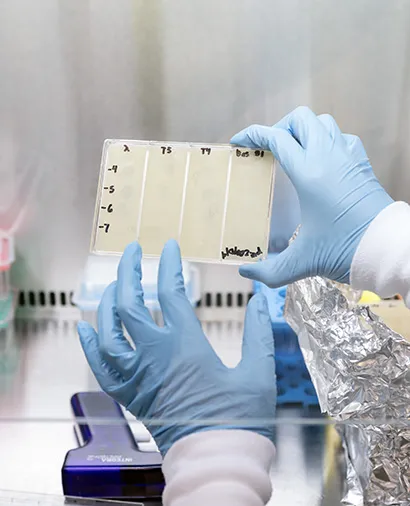
The Silas and Shipman labs share a focus on Klebsiella pneumoniae, a pathogenic bacteria at the origin of many hospital-acquired infections. Klebsiella forms a thick biofilm that protects it from the immune system and allows it to stick to medical equipment, making it difficult to clear. Moreover, it can readily acquire and share genetic material with other bacteria, including antibiotic resistance genes. By teasing apart the genetic interactions between various phages and various strains of Klebsiella, the labs aim to quicken the discovery of phage therapies against Klebsiella.
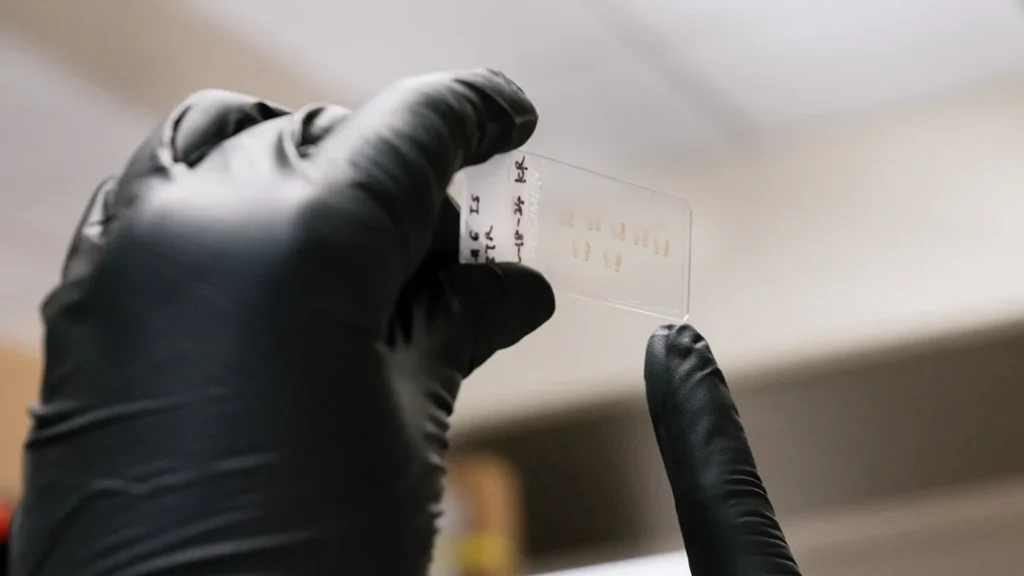
Research in mice reveals how critical brain cells misfire in Alzheimer’s and identifies a targeted strategy to restore healthy brain rhythms.
Discover disease research, explore the latest scientific news, and connect with experts through Gladstone’s enriched digital platform.
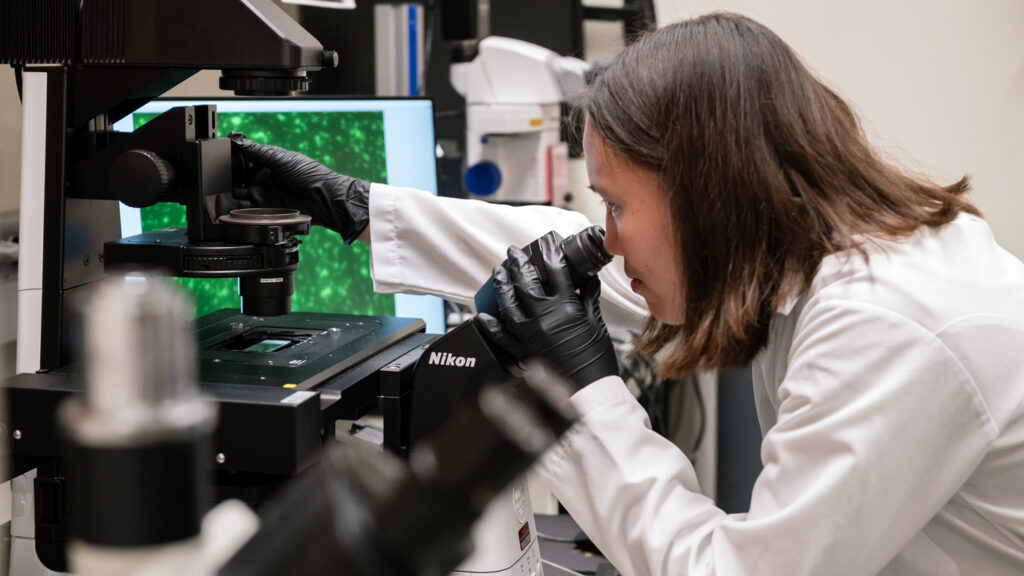
The complex Rube Goldberg-like molecular machinery could inspire novel technology to study and treat disease.
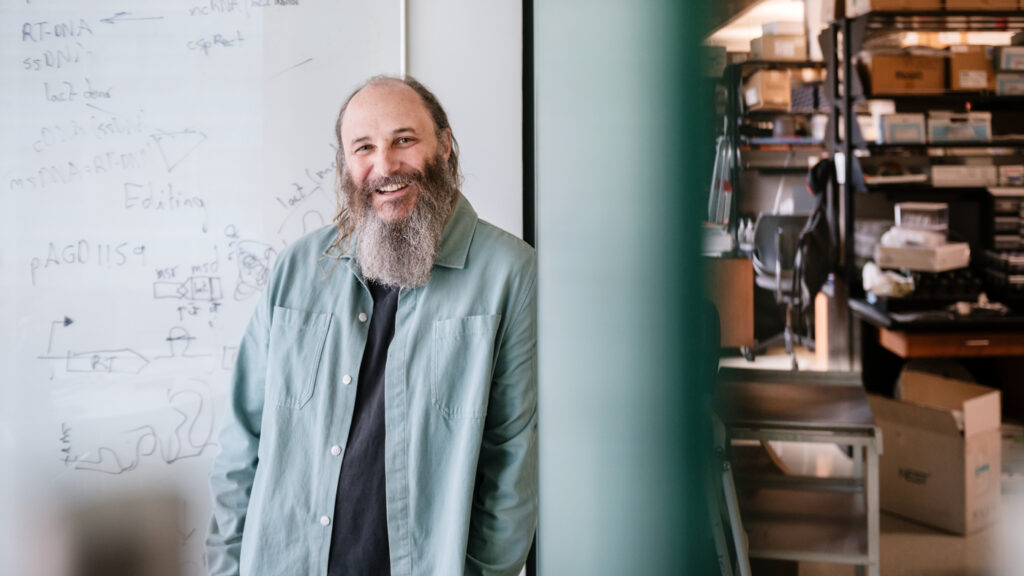
Shipman is recognized for pioneering molecular technologies that record cellular activity, expand genome editing, and target antibiotic-resistant superbugs.

Our people are our most important asset. We offer a wide array of career opportunities both in our administrative offices and in our labs.
Open PositionsDiscoveries don’t stay in our labs. Gladstone facilitates spinout companies to advance promising therapies, shortening the path between scientific discovery and helping real patients.
Learn MoreYour gift to Gladstone will allow our researchers to pursue high-quality science, focus on disease, and train the next generation of scientific thought leaders.
Donate Now