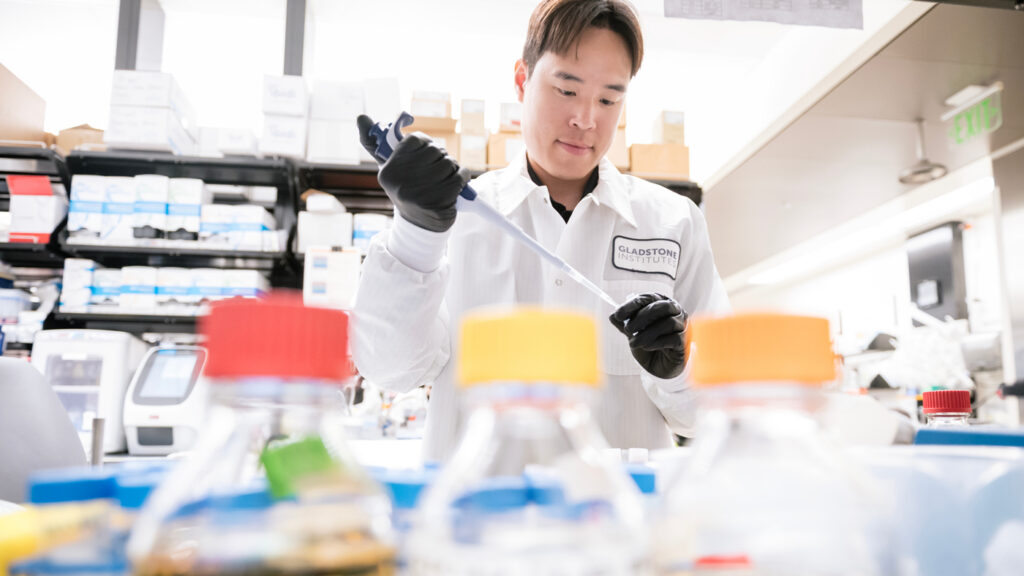
Novel Biosensor Uses DNA ‘Barcodes’ to Uncover Disease Signals in Cells
Inspired by bacterial biology, the Gladstone-developed “Detectron” opens up new possibilities for disease research and potentially treatments.
The center is specifically designed to overcome the “valley of death” for developing neurotherapeutics—the gap between where discoveries in academia typically end and the stage they need to achieve to attract industry partners to develop effective treatments. The center’s strategy is to target pathogenic mechanisms that are common threads cutting across more than one neurodegenerative disease. Developing therapeutics is challenging and expensive, so gifts are aggressively leveraged. For example, the center was founded with an inaugural $3.6 million gift from the Koret Foundation and Taube Philanthropies, which has been leveraged to attract over $100 million from other sources to advance the Taube/Koret Center’s research.
In turn, these funds are used strategically to advance a portfolio of therapeutic approaches through critical de-risking steps that clarify their value to potential industry partners. Forming collaborations with companies to develop therapeutics is a key metric of the center’s success. Since 2009, the center has formed myriad partnerships with biotechnology and pharmaceutical companies to create treatments for Huntington’s disease, Parkinson’s disease, Alzheimer’s disease, ALS, frontotemporal dementia, autism, cancer, and Hirschsprung’s disease.
Your gift to Gladstone will allow our researchers to pursue high-quality science, focus on disease, and train the next generation of scientific thought leaders.
DONATE NOW
Ayush Midha, a graduate student in the Jain Lab, studies how the body's metabolism adapts to low oxygen—work that's uncovered backup energy pathways, potential fertility treatments, and a link between oxygen levels and tumor growth.
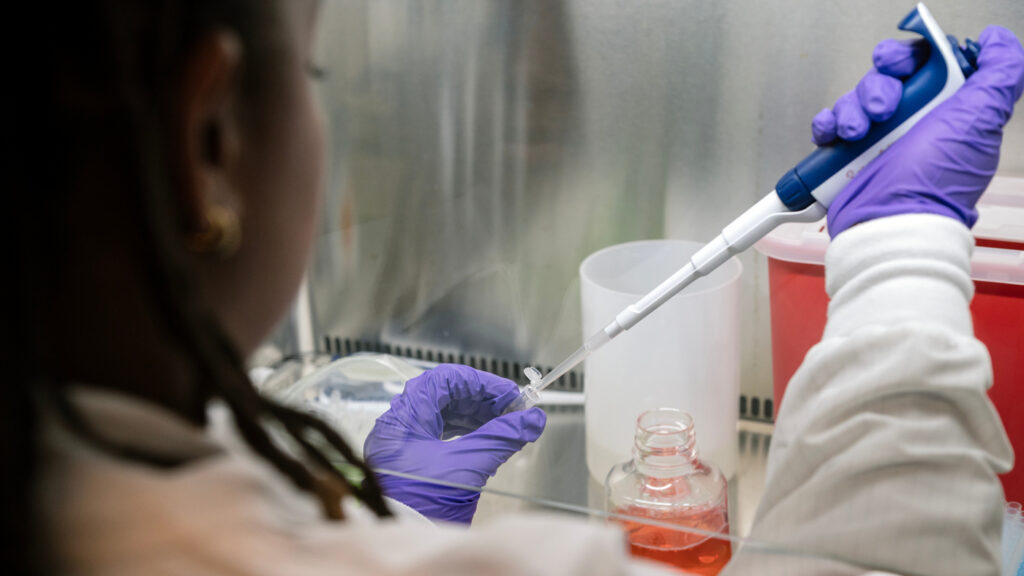
A new discovery reveals how a SARS-CoV-2 protein reprograms immune cells to accelerate viral spread—and points to a new strategy for therapeutic intervention.
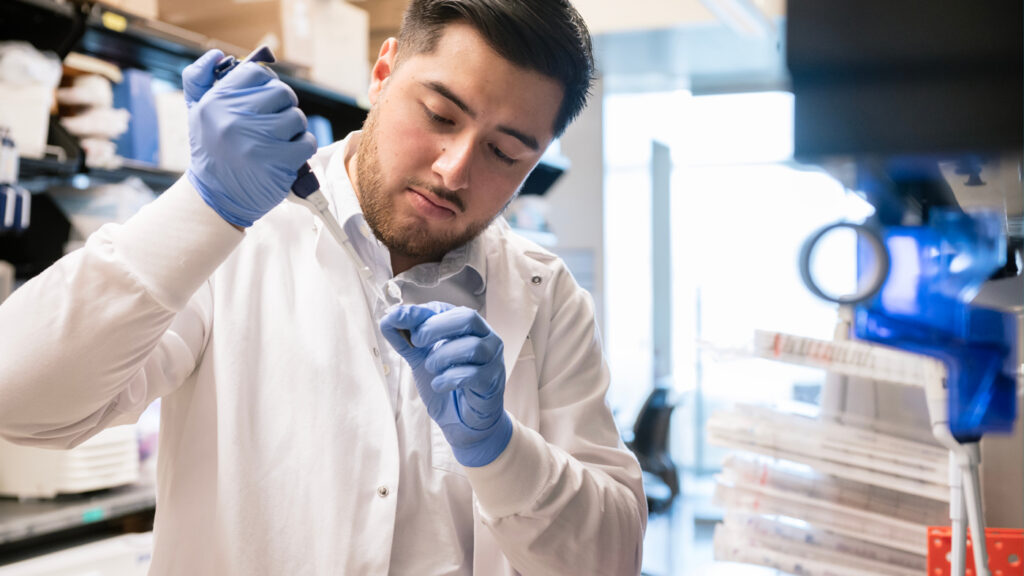
The fellowship provides three years of funding for graduate students pursuing groundbreaking immunology research.

Takahashi is recognized for his pioneering work translating iPS cell technology into a clinically approved therapy for Parkinson’s disease.
Our people are our most important asset. We offer a wide array of career opportunities both in our administrative offices and in our labs.
Open PositionsDiscoveries don’t stay in our labs. Gladstone facilitates spinout companies to advance promising therapies, shortening the path between scientific discovery and helping real patients.
Learn MoreYour gift to Gladstone will allow our researchers to pursue high-quality science, focus on disease, and train the next generation of scientific thought leaders.
Donate Now