
Gladstone Launches Center for PhAIge Therapy to Harness AI in the Fight Against Drug-Resistant Infections
The center, funded by an NIH grant, will become one of three national centers dedicated to accelerating the development of phage therapy.
This growing threat puts many gains of modern medicine at risk. Common infections such as pneumonia and tuberculosis are increasingly difficult—and sometimes impossible—to treat. And, without effective antibiotics, routine medical procedures like c-sections and surgeries are becoming much riskier.
Each year, an estimated 2.8 million cases of antibiotic-resistant bacterial infections occur in the United States. In addition, a recent analysis by the Global Research on Antimicrobial Resistance Project predicts more than 39 million people around the world could die from drug-resistant infections over the next 25 years.
Gladstone researchers are urgently working to develop new types of antimicrobial treatments and alternative strategies that can overcome resistant bacteria and protect global health.
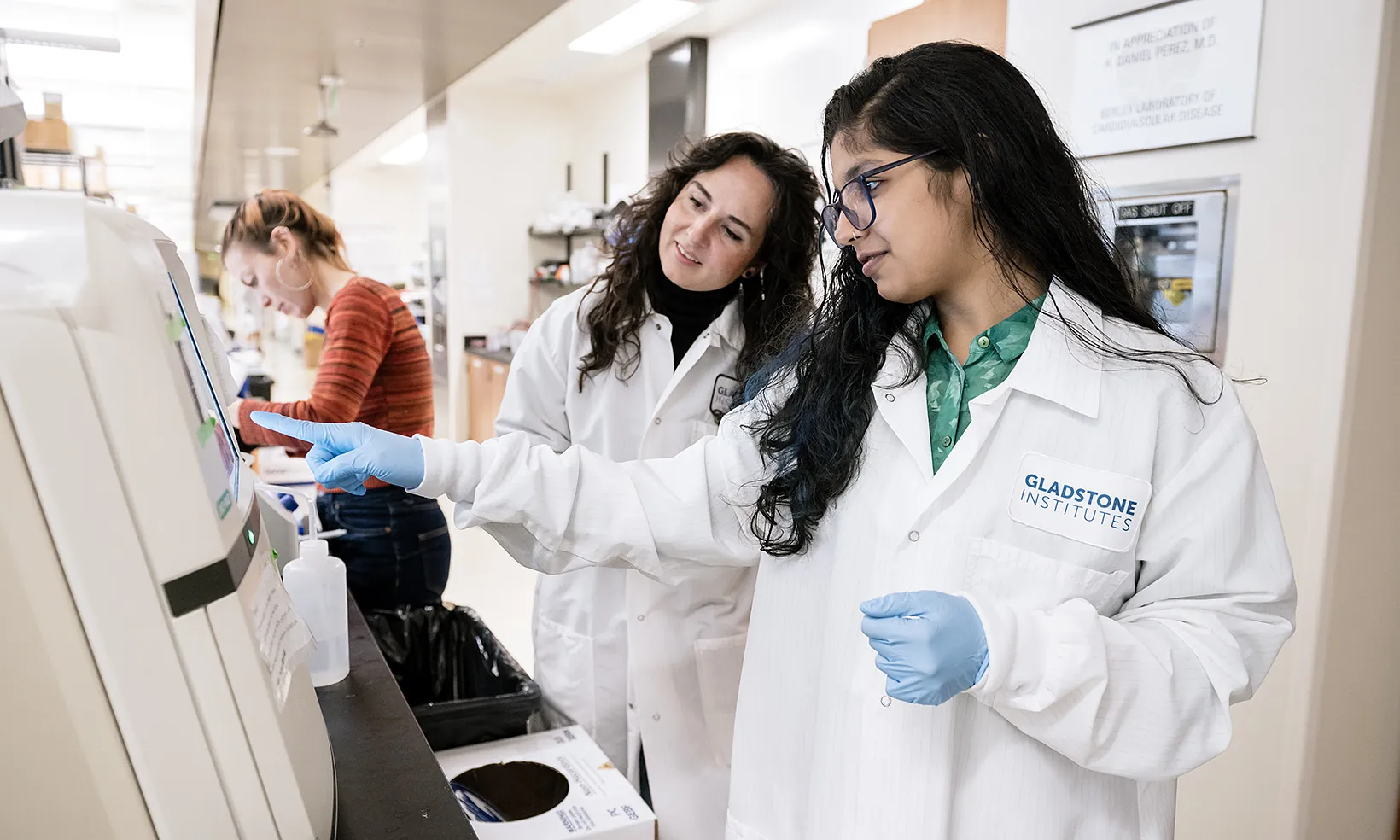
A promising way to overcome antibiotic resistance is by harnessing the therapeutic power of bacteriophages—more commonly known as “phages.” Phages, the world’s most abundant biological agent, are viruses that naturally infect and kill bacteria in our bodies and throughout the planet’s ecosystems.
Unlike antibiotics, which broadly kill many types of bacteria at once, phages are highly specific for individual strains of bacteria. Already, phages have been successfully used in the clinic to treat a small number of patients with life-threatening antibiotic-resistant infections.
However, these cases have involved screening collections of naturally-occurring phages to test whether any could work against the specific bacteria isolated from an individual patient. This means developing the therapies has been complex, time-consuming, and difficult to replicate at scale.
Furthermore, bacteria can develop phage resistance. For billions of years, they have been embroiled in an arms race with phage. In response to constant attacks by phages, bacteria evolve new ways to defend themselves. And, in turn, phages evolve better strategies to overcome those defenses. It is therefore critical to learn the full spectrum of strategies used by both phage and bacteria.
Scientists at Gladstone are harnessing synthetic biology and AI to develop better ways to capitalize on the promise of phage therapy.
Melanie Ott explains how phage therapy could revolutionize medicine.
Our researchers are addressing drug-resistant infections by turning the biology of bacteria and the viruses that attack them into tools for new therapies. Their work builds a toolkit for understanding, engineering, and ultimately reprogramming microbial systems to outmaneuver infections that no longer respond to antibiotics.
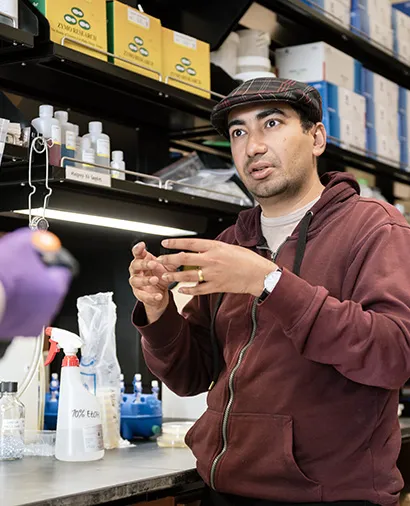
Sukrit Silas is focused on expanding our understanding of the enormous genetic diversity of bacteriophages. He and his team are systematically screening tens of thousands of phage genes in diverse bacterial strains to define what part of the phage is lethal to bacteria and to identify those with the best potential to counter today’s top antimicrobial threats. They are searching for viral components that can be harnessed or engineered to overcome bacterial defenses and restore the ability to kill antibiotic-resistant pathogens.
By pinpointing common antivirus mechanisms in bacteria, the lab is painting a comprehensive picture of the entire defense architecture that phages encounter when infecting cells. The scientists are combining this information with AI tools to engineer phage cocktails that can be used as reliable therapeutic agents in the fight against drug-resistant bacteria that no longer respond to standard treatments.
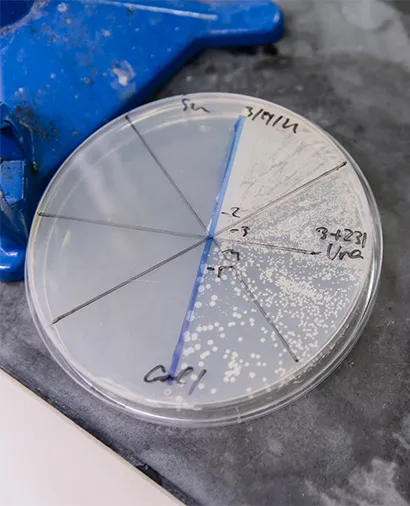
A team led by Sukrit Silas is studying the most widespread antiviral defense in bacteria, a mechanism known as the “restriction modification” system. This defense system detects DNA from an invading phage and cuts it into pieces before the phage can take over the cell.
They have shown just how far bacteria will go to survive infection. When phages try to bypass the cell’s defenses, some bacteria respond with an extreme last resort: they activate internal systems that cause the infected cell to self-destruct. This prevents the virus from taking over and spreading to neighboring bacteria.
Understanding these hidden defense strategies reveals new weaknesses in phages, which could be exploited to design better phage-based or other antimicrobial therapies. Ultimately, the work helps scientists uncover new ways to fight drug-resistant infections by turning bacterial-virus interactions into potential treatment tools.
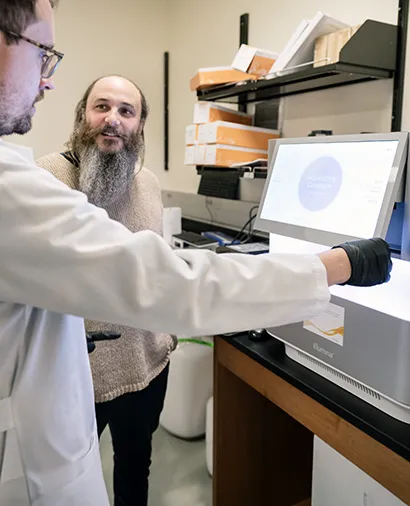
While thousands of phages exist, using them as treatments to fight specific bacteria has so far proven to be challenging. Seth Shipman and his team are developing a technology that lets them edit the genomes of phages in a streamlined and highly effective way, giving them the ability to engineer new phages and study how the viruses can be used to target specific bacteria.
The new system speeds up the process of editing phage genomes, allowing scientists to rapidly create and test many different engineered versions. This could help identify phages that are better at targeting and killing dangerous, resistant bacteria. By making phage design more efficient and scalable, the technology also brings phage therapy closer to becoming a practical treatment option when antibiotics fail.
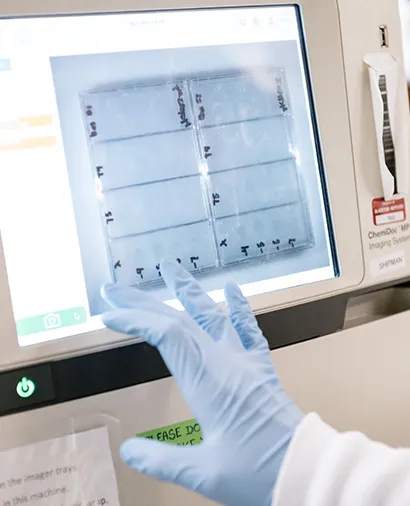
Seth Shipman’s group created a useful system to edit DNA in 15 species of bacteria, spanning three major branches of the bacterial family tree. This will make it easier to study drug-resistant bacteria, which have been difficult to manipulate with older tools that only work in limited organisms.
The new system adapts a natural bacterial defense mechanism called retrons to make precise genetic changes in bacteria. This gives scientists a faster, more flexible way to investigate how harmful bacteria function and how they become resistant to antibiotics. Ultimately, the technology could accelerate the development of new treatments by making it easier to redesign bacteria, test potential therapies, and identify new vulnerabilities in drug-resistant pathogens.

Gladstone has received an initial $2 million award from the National Institute of Allergy and Infectious Diseases (NIAID), with the potential for up to $10 million over five years, to establish the Center for PhAIge Therapy. The center brings together researchers to develop engineered phage treatments for antibiotic-resistant bacterial infections and accelerate their path toward clinical use.
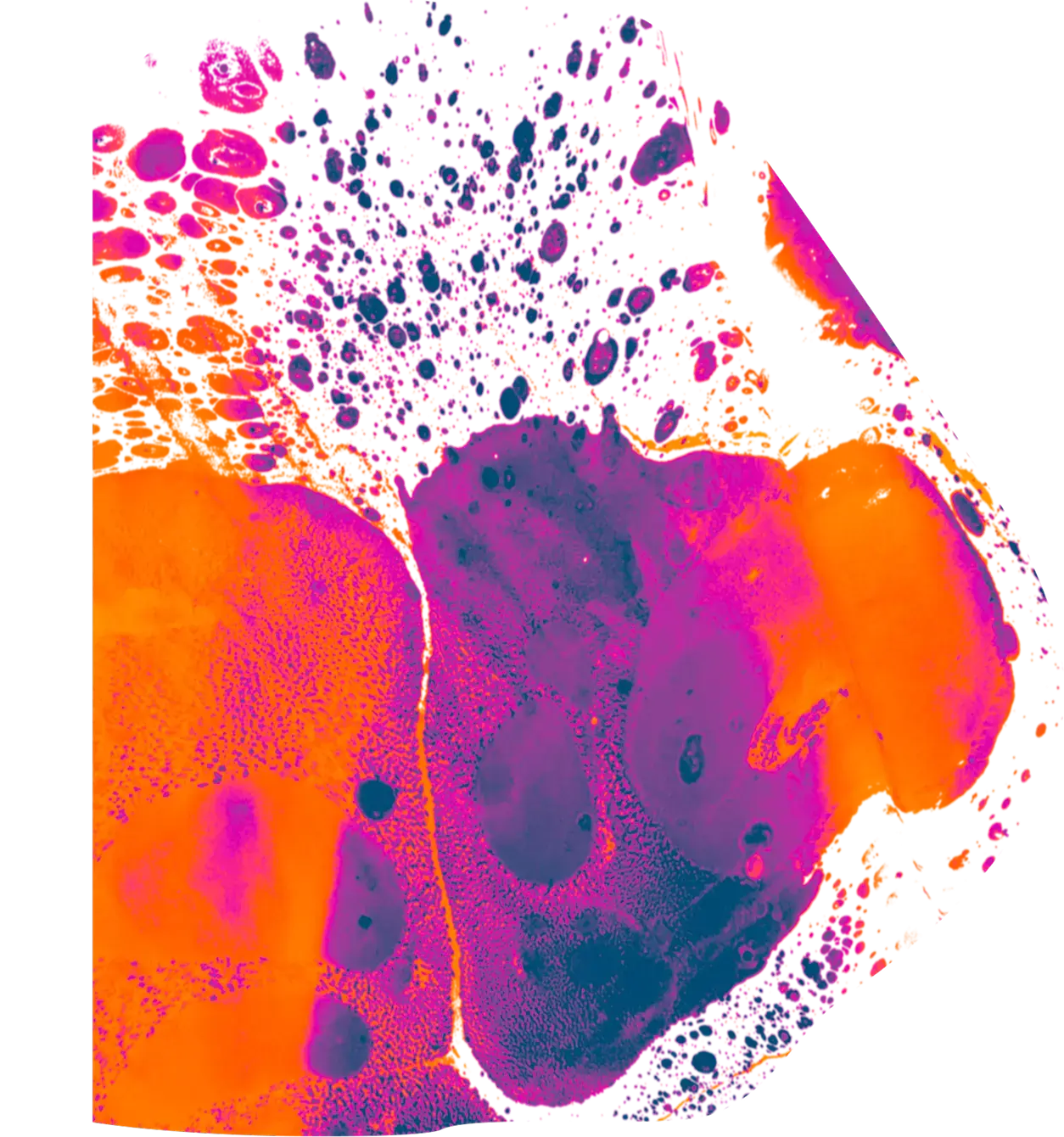
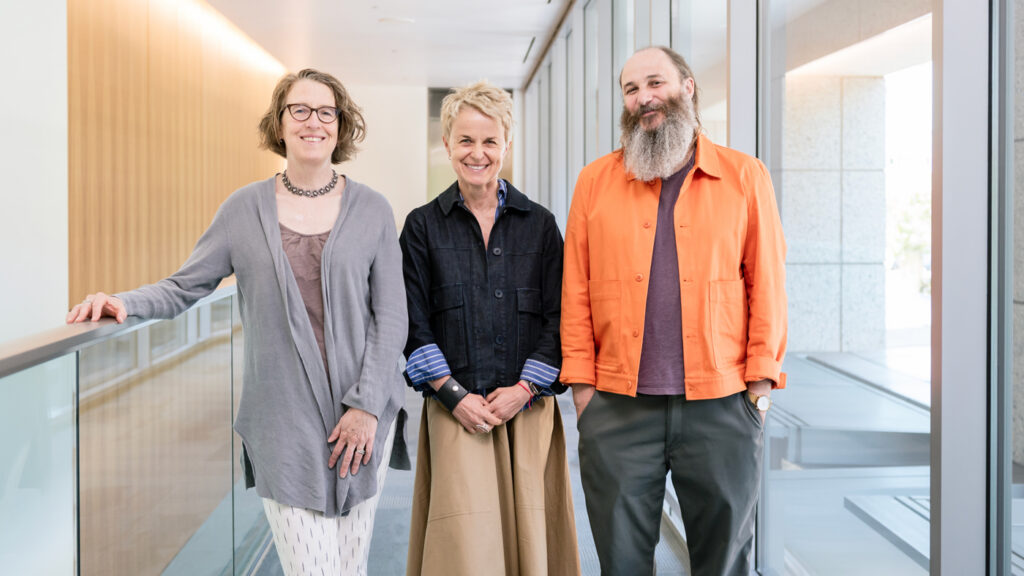
The center, funded by an NIH grant, will become one of three national centers dedicated to accelerating the development of phage therapy.
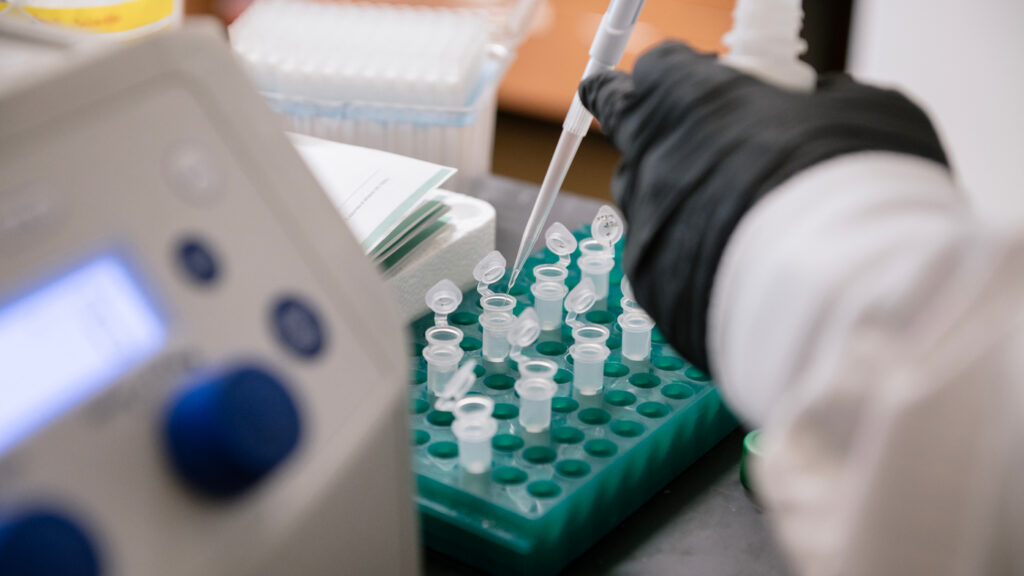
Scientists at Gladstone expanded their retron-based genome editing technology beyond E. coli, showing it works in 15 diverse bacterial species.
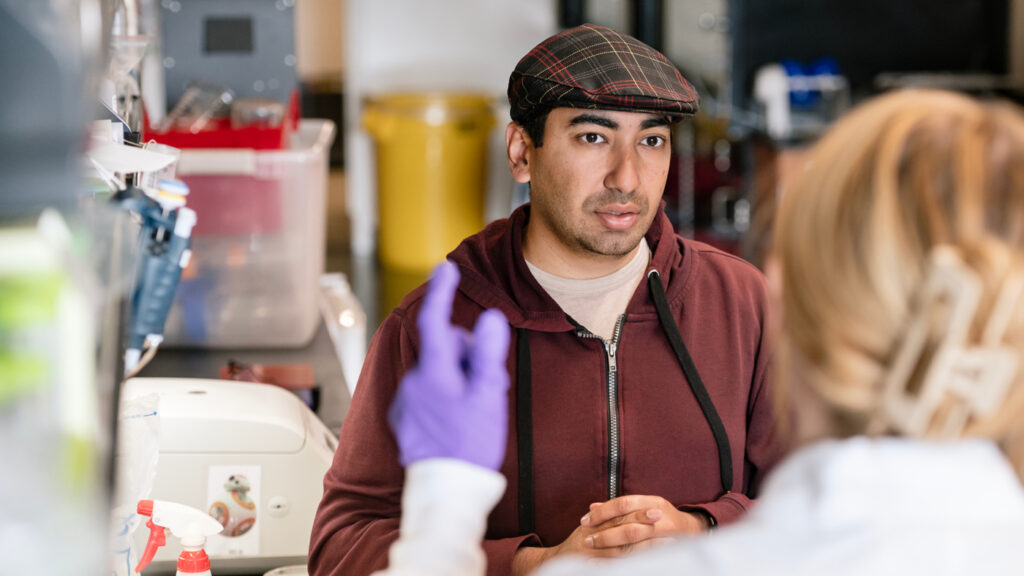
Scientists discover that a well-known defense system in some bacteria can kill the cell as a last resort if viruses try to thwart it.
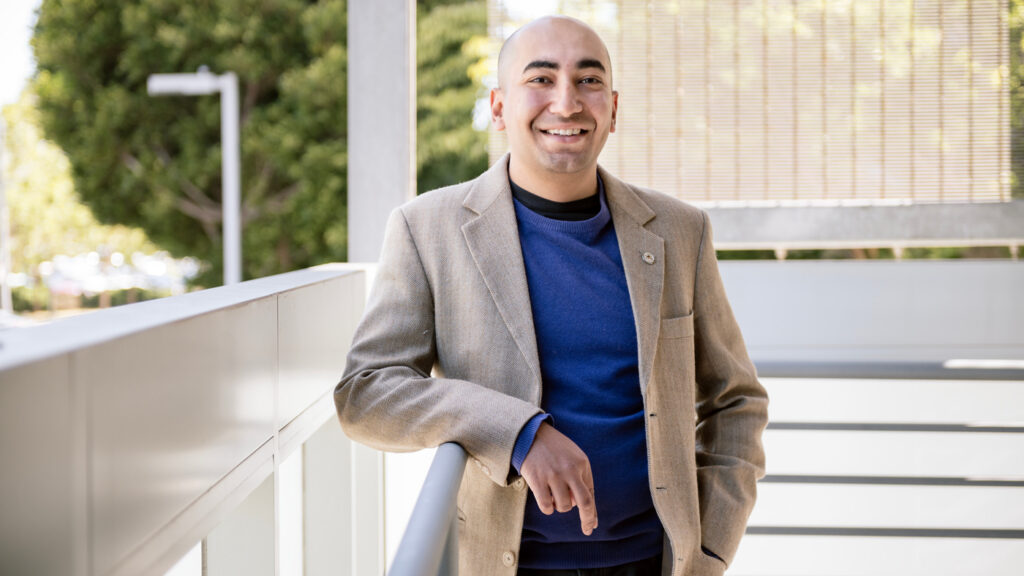
Virologist Sukrit Silas hopes to turn bacteria-killing viruses into new therapies that hold promise against even the most persistent superbugs.

Our people are our most important asset. We offer a wide array of career opportunities both in our administrative offices and in our labs.
Open PositionsDiscoveries don’t stay in our labs. Gladstone facilitates spinout companies to advance promising therapies, shortening the path between scientific discovery and helping real patients.
Learn MoreYour gift to Gladstone will allow our researchers to pursue high-quality science, focus on disease, and train the next generation of scientific thought leaders.
Donate Now