Christina Theodoris Honored in Inaugural Cohort of Young American Scientists
Listen:
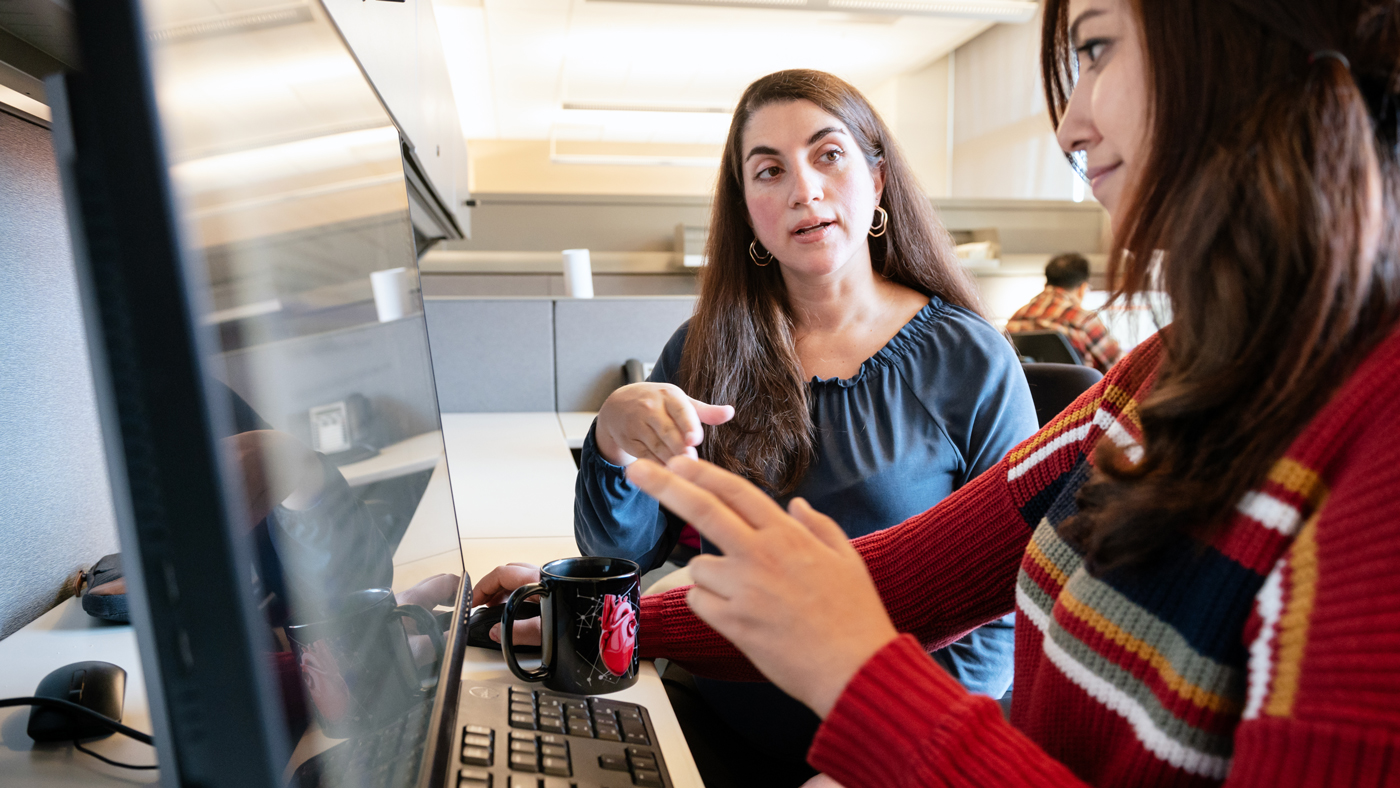
Christina Theodoris, MD, PhD, an investigator at Gladstone Institutes, is honored in Scientific American’s inaugural Young American Scientists list, which recognizes exceptional early-career researchers whose work is shaping the future of science and society.
Spanning disciplines from artificial intelligence to astronomy, the 28 scientists named on the list reflect the considerable range and global reach of scientific innovation in the United States.
“With this inaugural list, we wanted to highlight the extraordinary talent and promise across the US and spotlight the researchers doing remarkable work today who are poised to make the world better tomorrow,” says David Ewalt, editor in chief at Scientific American. “Together, their work and achievements emphasize areas of scientific advancement and emerging opportunities.”
The list, as well as an article about Theodoris and her research, is featured in the July/August issue of the magazine. Scientific American also produced a video interview with Theodoris, filmed at Exploratorium in San Francisco.
Data-Driven Approach to Solving Disease
Theodoris is leveraging AI to revolutionize how scientists approach crucial questions about the inner workings of the body. She’s developing AI models that can predict how cells and their genes will behave under different circumstances—with disease, development, or aging, for instance.
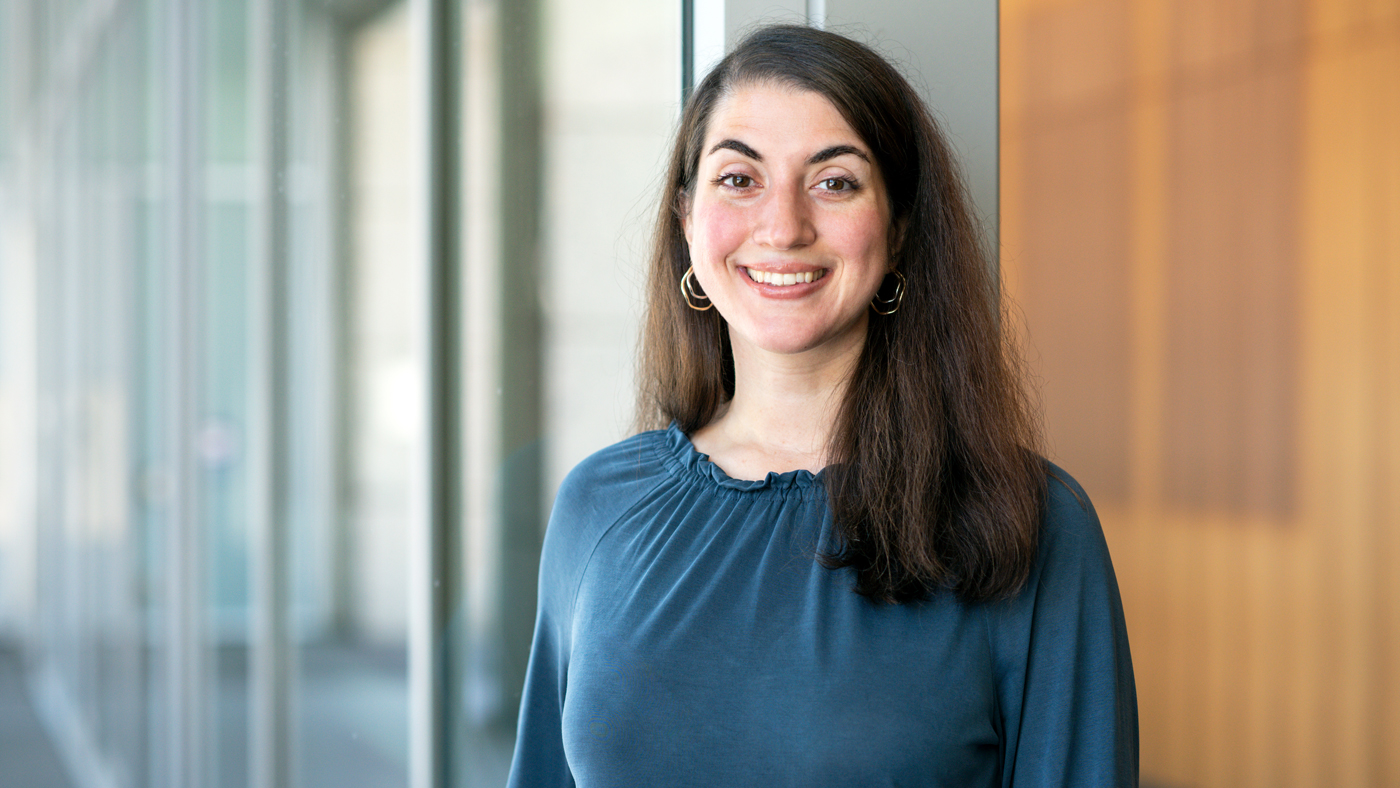
Theodoris began by designing Geneformer, the first foundation model in the world to predict how changing gene activity would affect individual cells. This AI model has already revealed new drug targets for heart disease. More recently, she launched another model called MaxToki that can predict what happens to cells throughout the body with aging and how to slow that process.
“It’s an incredible honor to be named among Scientific American’s inaugural Young American Scientists,” Theodoris says. “This recognition is a testament to the remarkable potential of artificial intelligence to transform biomedical research. By teaching AI models to understand the complex language of cells and genes, we’re moving closer to a future where we can predict, prevent, and treat devastating diseases much faster than traditional methods allow.”
A New Generation of Innovators
Scientific American arrived at the ultimate list of 28 scientists following an extensive nomination and selection process. Hundreds of notable and leading researchers and experts from around the world working in a diversity of fields nominated candidates.
“This project is about recognizing not just individual achievement, but the collective momentum of a new generation,” says Jeanna Bryner, executive editor at Scientific American. “These scientists represent possibility and a powerful reminder of what science can achieve.”
Founded in 1845, Scientific American is the oldest continuously published magazine in the US and the leading authoritative publication for science and technology in the general media. With eight local language editions around the world, it reaches more than nine million readers.
For Media
About Gladstone
Gladstone Institutes is an independent, nonprofit life science research organization that uses visionary science and technology to overcome disease. Established in 1979, it is located in the epicenter of biomedical and technological innovation, in the Mission Bay neighborhood of San Francisco. Gladstone has created a research model that disrupts how science is done, funds big ideas, and attracts the brightest minds.
Up Next
How an AI Microscope Is Learning to Do Science
Gladstone scientists have developed a thinking microscope that can conduct its own experiments, with the ultimate goal of treating neurodegenerative diseases.
Gladstone Launches Center for PhAIge Therapy to Harness AI in the Fight Against Drug-Resistant Infections
The center, funded by an NIH grant, will become one of three national centers dedicated to accelerating the development of phage therapy.
AI Discovery Reveals DNA Isn’t Locked Away in Cells After All
A new study upends long-held view about how DNA is stored, explaining how subtle shifts in gene activity contribute to cancer, aging, and other complex diseases.

How AI Is Pointing Scientists in New Directions and Leading to Novel Drug Targets
Gladstone scientists are developing novel AI models to predict what goes wrong in disease—and how to fix it.

Get Involved
Join the Team
Our people are our most important asset. We offer a wide array of career opportunities both in our administrative offices and in our labs.
Open PositionsPartner With Us
Discoveries don’t stay in our labs. Gladstone facilitates spinout companies to advance promising therapies, shortening the path between scientific discovery and helping real patients.
Learn MoreGive
Your gift to Gladstone will allow our researchers to pursue high-quality science, focus on disease, and train the next generation of scientific thought leaders.
Donate Now