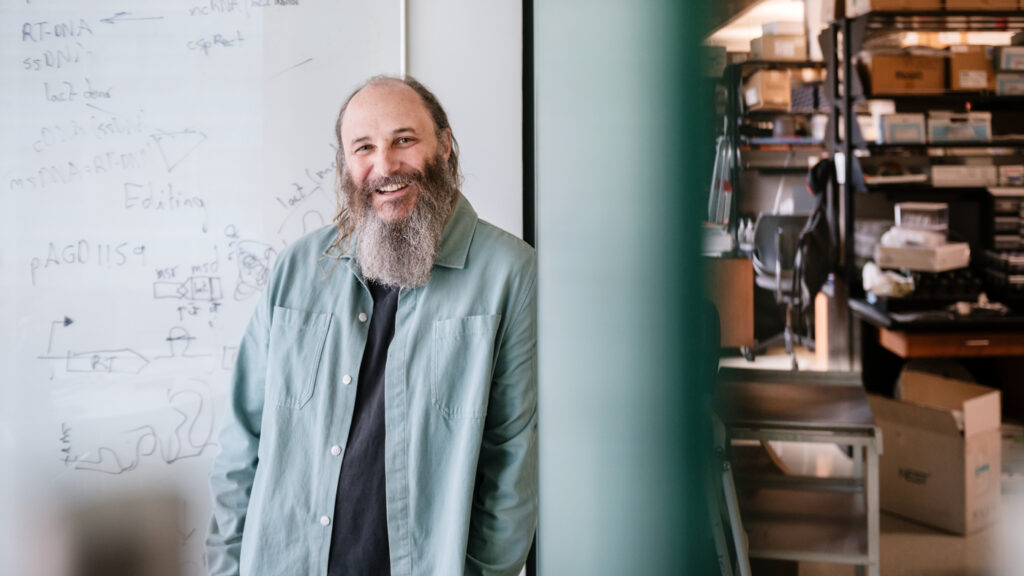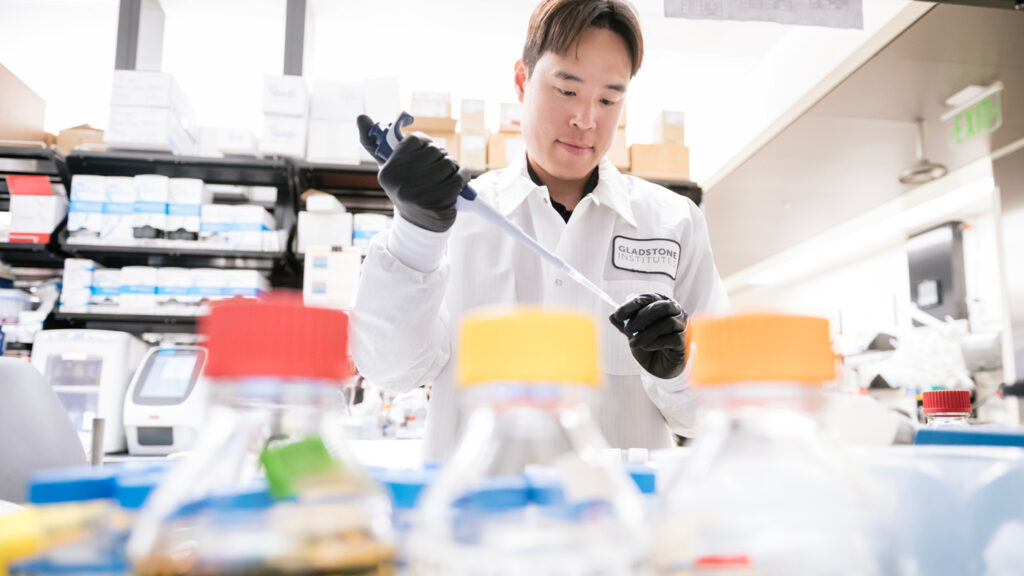
Nevan Krogan uses large-scale genetics and biochemistry to define the interactions among genes and proteins that govern cell functions in health and disease. Combining bench work with computer science, his lab identifies molecular networks acting inside cells and shows how these networks respond to disease-causing mutations or infection by pathogens.
Thanks to their ability to survey a cell’s complete set of genes and proteins, Krogan and his team generate novel mechanistic insights into cell biology as well as potential targets for novel therapies. Krogan’s lab is applying this unbiased approach to a number of conditions, including infectious diseases such as COVID-19, cancer and heart disease.
Disease Areas
- Infectious Diseases
- Cancer
- Heart Disease
- Tauopathies
- Pain
- Psychiatric and Neurodevelopmental Disorders
Areas of Expertise
- Proteomics
- Functional Genomics
- Computational Analysis
- Systems Biology
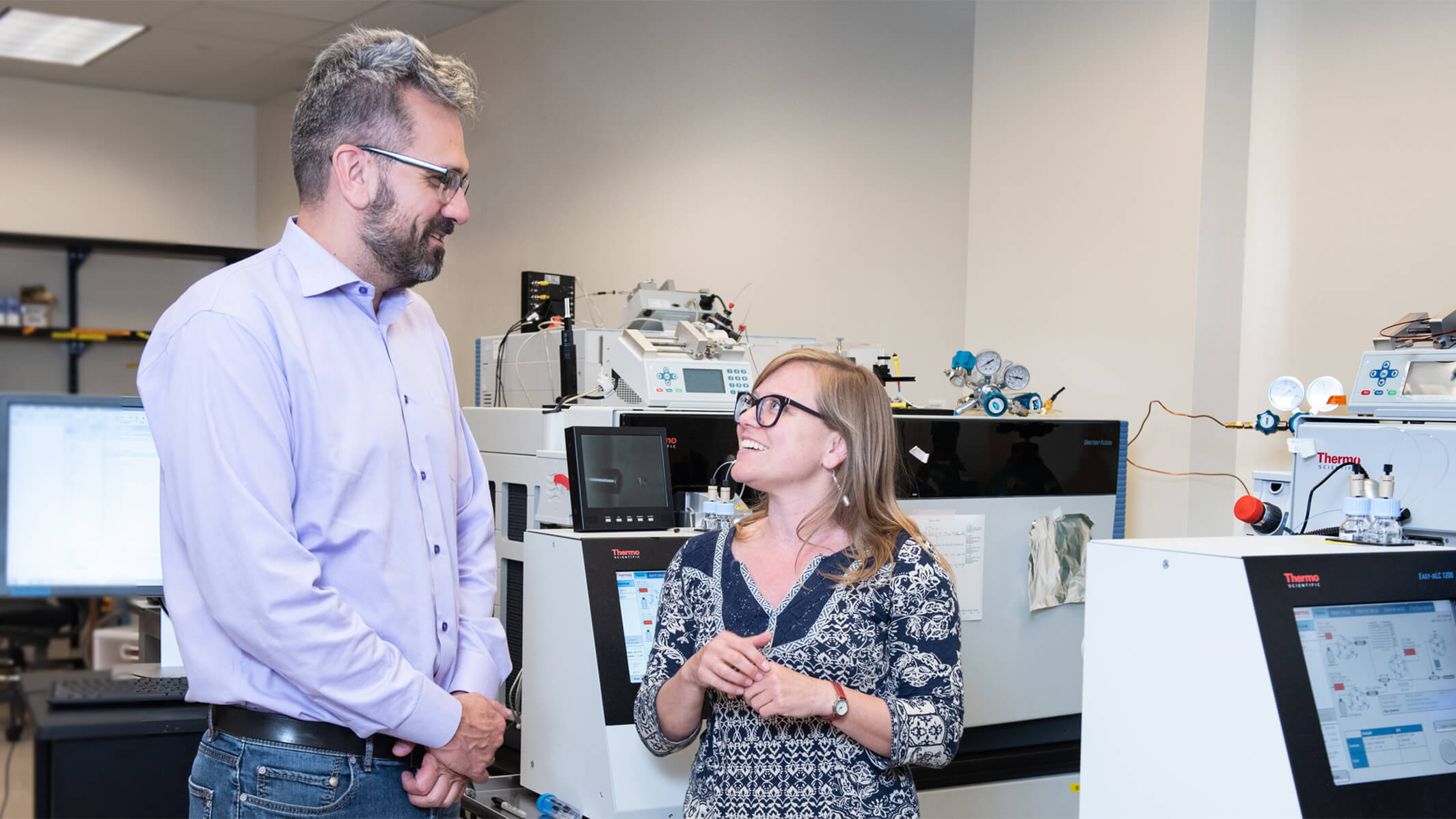
Lab Focus
- Understanding how biological networks change in response to a variety of conditions, including stress, genetic mutations, drug treatment, or infection by pathogens.
- Developing new technologies and computational methods that serve our wide research interests, which range from genomic sequence to biological mechanisms, molecular structure, and, eventually, clinical translation.
- Thinking outside the box, keeping our minds open to new approaches and solutions, embracing diversity, and collaborating with scientists across a wide spectrum of expertise, countries and academic or industry affiliations.
Research Impact
The Krogan lab’s quantitative and unbiased approaches to molecular interaction mapping are disease-agnostic, and hold great promise for the discovery of new therapeutic targets through the identification of biological processes and mechanisms underlying disease. For instance, creating a large-scale protein-interaction map of SARS-CoV-2 with human cells led to the discovery of over 300 potential host-directed drug targets. Several existing drugs inhibited the virus in lab experiments, leading to clinical trials that test the repurposing of these drugs against COVID-19. In collaboration with other Gladstone labs, Krogan and his team are currently also tackling cardiac diseases, tauopathies, psychiatric and neurodevelopmental diseases, and are developing new proteomics and functional genomics technologies.