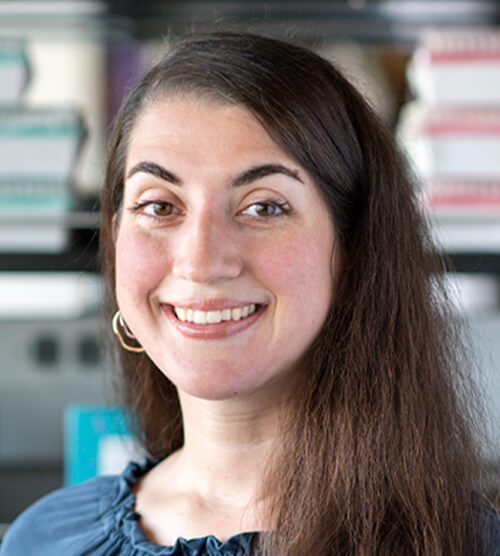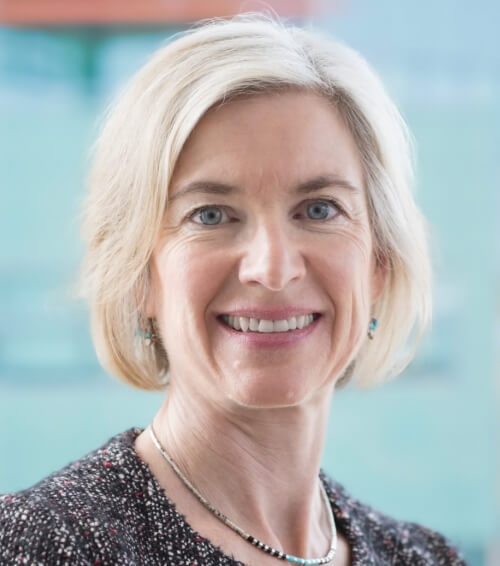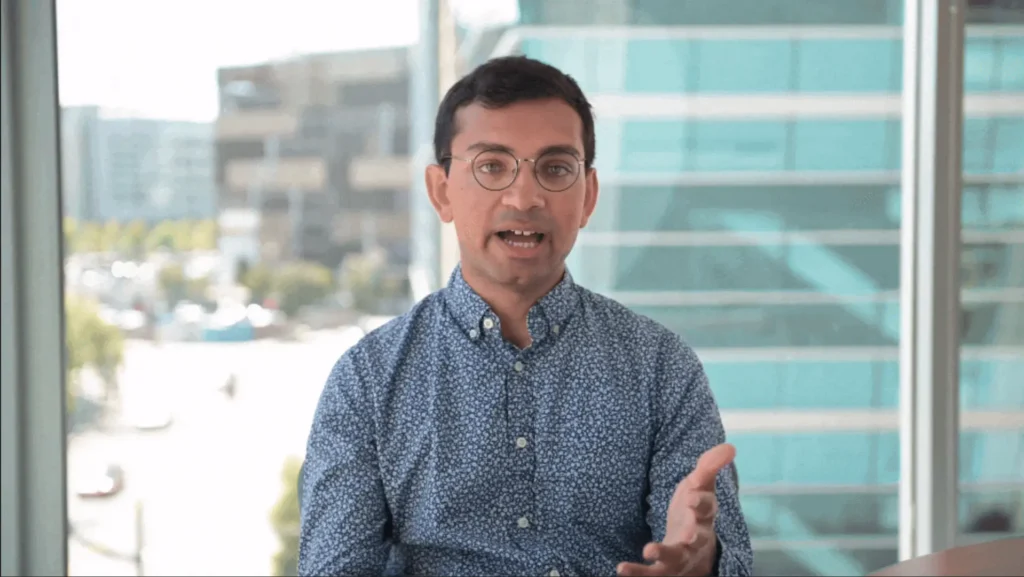
Jeanne Paz, PhD portrait image

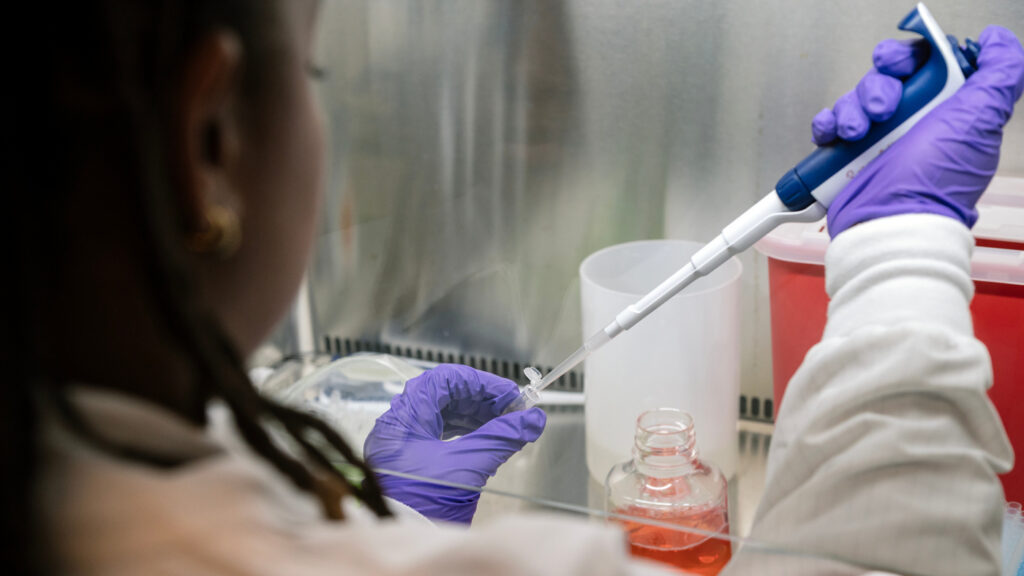
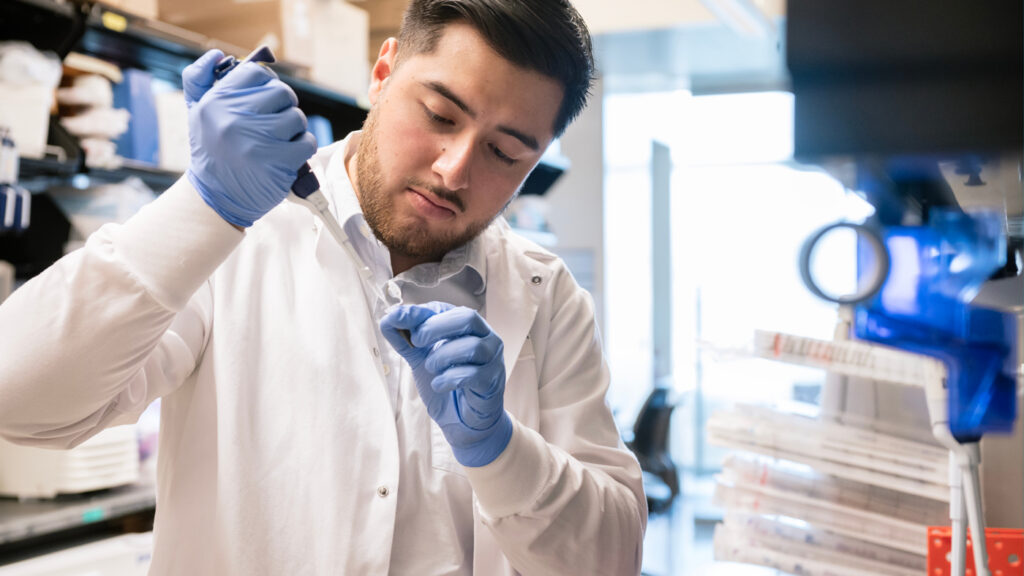
Jeanne Paz’s lab aims to improve the outcome for patients with epilepsy, brain injuries, and stroke by studying these disorders in animal models and identifying potential targets for new therapeutic interventions.

A signature approach in her lab is optogenetics, which allows her team to disrupt the function of specific brain cells in live animals. Using this approach, the group discovered new circuits in the brain, and identified a brain region called the thalamus as a choke point for various forms of epilepsy—and a promising target for future therapies. Current research includes the role of the immune system in regulating neural circuit function and understanding how to boost the brain’s ability to recover after injury to prevent debilitating consequences such as epilepsy and neurocognitive deficits.

Areas of Expertise

  • Electroencephalography
  • Electrophysiology (In Vitro and In Vivo)
  • Optogenetics
  • Seizure Prediction
Jeanne Paz

Lab Focus

  • Understanding the anatomical and physiological changes that cause epilepsy.
  • Identifying biomarkers of epileptogenesis as a means of anticipating or preventing epileptic episodes.
  • Understanding what makes certain brain regions and cells more vulnerable to neurodegeneration after stroke and brain injury in order to boost brain’s resilience and prevent long-term consequences such as epilepsy.

Research Impact

Paz’s team showed they could stop epileptic seizures in mice in real time and with no side effects using optogenetics to control specific brain cells known as thalamocortical neurons. This work identified thalamocortical neurons as potential targets in the development of effective therapies against post-stroke seizures.

Optogenetics could also be used to identify the cells and circuits responsible for other forms of epilepsy or for neurological and cognitive disorders, leading to targeted therapeutics against these diseases as well.

Recent work by the team shows a link between chronic brain inflammation and the development of post-injury epilepsy, suggesting that certain anti-inflammatory drugs could be used in the treatment of this form of epilepsy.


About

Professional Titles

  • Senior Investigator, Gladstone Institutes
  • Professor, Department of Neurology, UC San Francisco

Bio

Jeanne Paz is an senior investigator at Gladstone Institutes. She is also a professor of neurology in the Kavli Institute for Fundamental Neuroscience at UC San Francisco.

Before joining Gladstone, Paz completed a postdoctoral fellowship at Stanford University, where she identified seizure control points in the brain. Paz earned her undergraduate and graduate degrees from Université Pierre et Marie Curie in Paris. As a graduate student, she studied the role of basal ganglia in regulating absence epilepsy and received an award for the best neuroscience PhD thesis in France.

Paz has an extensive record of editorial, professional, and academic service. She serves on the editorial board of Epilepsy Currents (Sage Journals) and is an editor for Progress in Neurobiology (Elsevier). She’s a member of the NIH Clinical Neuroplasticity and Neurotransmitters (CNNT) study section (2024–2028) and previously served ad hoc on numerous NIH study sections and grant review panels, including for Acute Neural Injury and Epilepsy (ANIE), Department of Defense, National Science Foundation, and CURE Epilepsy.

At UCSF, she contributes to the Physician-Scientist Career Development Program Council Committees and provides mentorship for high school students in the Science and Health Education Program. She also serves on the admissions and placement committee for UCSF’s Summer Research Training Program, mentors post-baccalaureate students in PROPEL, and has been involved in mentoring undergraduate students through PUMAS, as well as postdocs and faculty at Gladstone and UCSF.

In addition, Paz has served on faculty search committees across Neurology, Psychiatry, and Kavli/Physiology, and on the Gladstone Mentoring Task Force. Within UCSF’s neuroscience graduate program, she sits on the executive committee, co-chairs the Formal Neuroscience Seminar Series, served on the admissions committee, and advised first- and second-year students from 2016 to 2023.

Paz also has held leadership roles in the scientific community, including chair of the 2024 Gordon Research Conference on Thalamocortical Interactions, vice-chair of its 2022 meeting in Italy, and chair of the inaugural Vilcek Science Symposium in 2022. She has also contributed to the American Epilepsy Society through the Investigators Workshop committee, membership and fellowship committee, and to the Professional Advisory Board of the Lennox-Gastaut Syndrome Foundation.

At Gladstone, she has served on the Scientific Retreat Committee, further demonstrating her commitment to advancing research and mentorship within and beyond her institution.

Q:

How Did You Get Your Start in Science?

“I always wondered: if we knew how the brain works, would we be able to understand ourselves?”

Honors and Awards

  • 2024
    Keynote Speaker, Gordon Research Seminar on Basic Mechanisms of Epilepsy
  • 2024
    CURE lecture (Citizens United for Research in Epilepsy), New York University
  • 2024
    Chair of the Gordon Research Conference on Thalamocortical Interactions (US)
  • 2023
    External Advisory Board, Epilepsy Center Without Walls (vPTERC)-DoD

Publications