Gladstone’s Seth Shipman Named Fellow of the California Academy of Sciences
Shipman is recognized for pioneering molecular technologies that record cellular activity, expand genome editing, and target antibiotic-resistant superbugs.
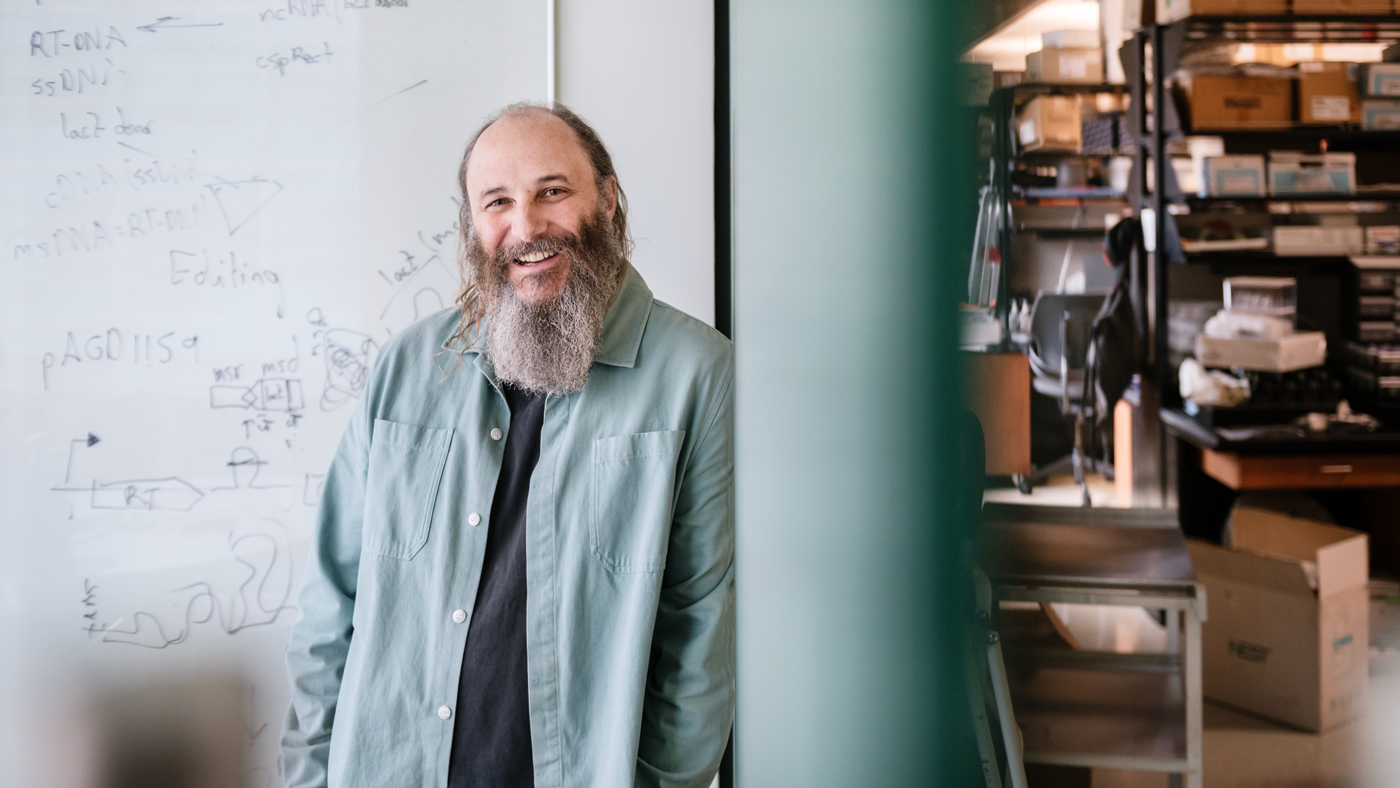
Seth Shipman, PhD, an investigator at Gladstone Institutes, has been elected a Fellow of the California Academy of Sciences. Shipman joins a governing body of more than 400 distinguished scientists, researchers, and leaders recognized for their exceptional contributions to scientific research, education, and public engagement.
We are deeply honored to welcome this year’s cohort of new Fellows and recognize their amazing accomplishments: their excellence and leadership in their fields build the Academy’s reputation and positive impact well beyond what we could do on our own,” says Academy Dean of Science and Research Collections Shannon Bennett, PhD. “We are grateful to work together towards a better future for science and science-based solutions.
Pioneering Precision Genome Editing
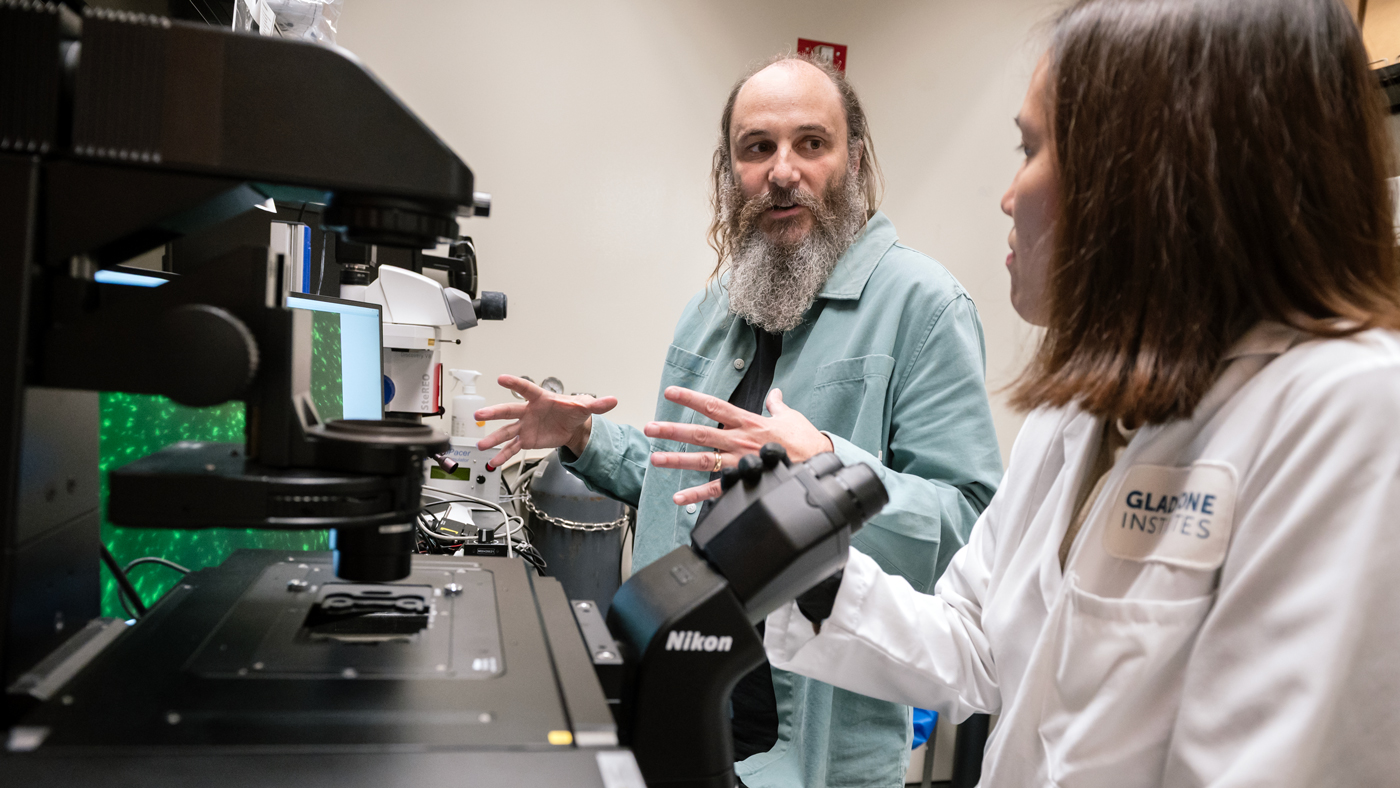
Shipman’s lab focuses on building novel molecular tools designed to interrupt the root biological mechanisms of disease. Among his team’s breakthroughs are technologies for precisely editing genomes, including one known as an “editron,” which is capable of changing the exact sequence of a cell’s genome. By engineering a hybrid system that draws from two bacterial immune mechanisms—CRISPR and retrons (which naturally induce cell death to stop viral infections)—the group has opened unprecedented possibilities for genome editing.
“My lab builds molecular tools to push the boundaries of disease intervention,” Shipman says. “We want to make these technologies as versatile and accessible as possible so researchers across the world can uncover new biology. We’re particularly excited about pairing cell data with AI models, creating a feedback loop where each iteration makes the system smarter and more precise.”
Expanding on this foundation, Shipman’s team recently led a nine-lab collaborative network to integrate retrons into 14 bacterial species, far beyond standard laboratory models like E. coli. By tweaking the retron’s structure, his lab demonstrated significant boosts in gene-editing efficiency—a breakthrough that promises to reshape drug discovery, environmental biotechnology, and industrial processes.
Engineering Phages to Combat Superbugs
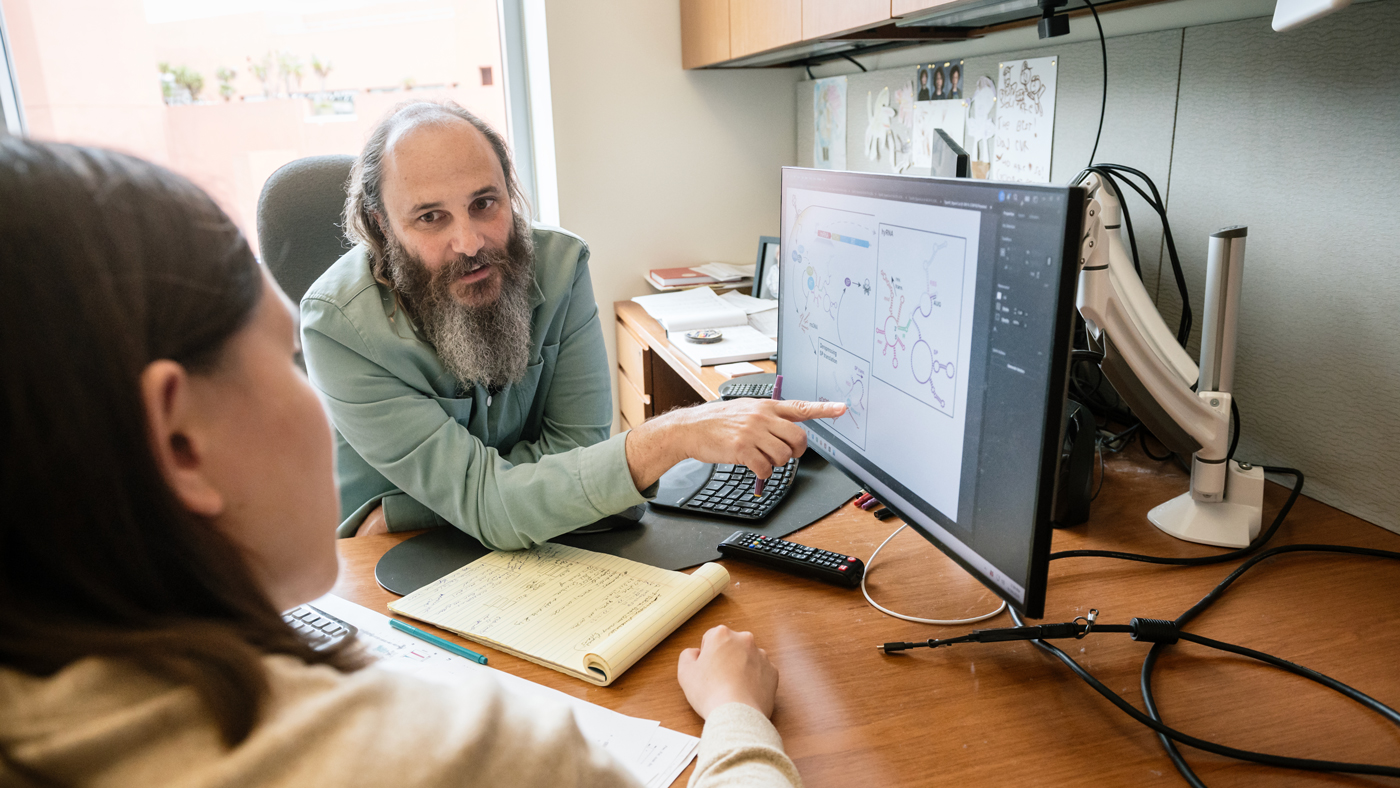
Shipman is also leading the new Center for PhAIge Therapy, making Gladstone one of three national hubs tackling the global threat of antibiotic-resistant “superbugs.” Supported by a major five-year grant, Shipman and some of his colleagues will deploy high-precision platforms to engineer phages—viruses that naturally destroy bacteria— designed to combat deadly drug-resistant pathogens.
“Seth’s election to the Academy not only underscores the impact of his research, but is a well-deserved recognition of his exceptional leadership and innovative spirit,” says Katie Pollard, PhD, director of the Gladstone Institute of Data Science and Biotechnology. “His pioneering work at the intersection of molecular biology, high-throughput technologies, and data science is opening entirely new frontiers in how we understand and combat disease.”
Shipman, who joined Gladstone in 2019, also serves as an associate professor in the Department of Bioengineering and Therapeutic Sciences at UC San Francisco. Shipman earned a degree in neuroscience from Wesleyan University and a doctorate in neuroscience from UCSF. Before joining Gladstone, Shipman conducted postdoctoral research at Harvard Medical School.
The Fellows of the California Academy of Sciences is a group of scientists who have made notable contributions to the natural sciences and helped further the reach of research and education initiatives through individual and collaborative efforts. Nominated by their colleagues and selected by the Board of Trustees, Academy fellows remain members of the Fellowship for life.
For Media
About Gladstone
Gladstone Institutes is an independent, nonprofit life science research organization that uses visionary science and technology to overcome disease. Established in 1979, it is located in the epicenter of biomedical and technological innovation, in the Mission Bay neighborhood of San Francisco. Gladstone has created a research model that disrupts how science is done, funds big ideas, and attracts the brightest minds.
Up Next
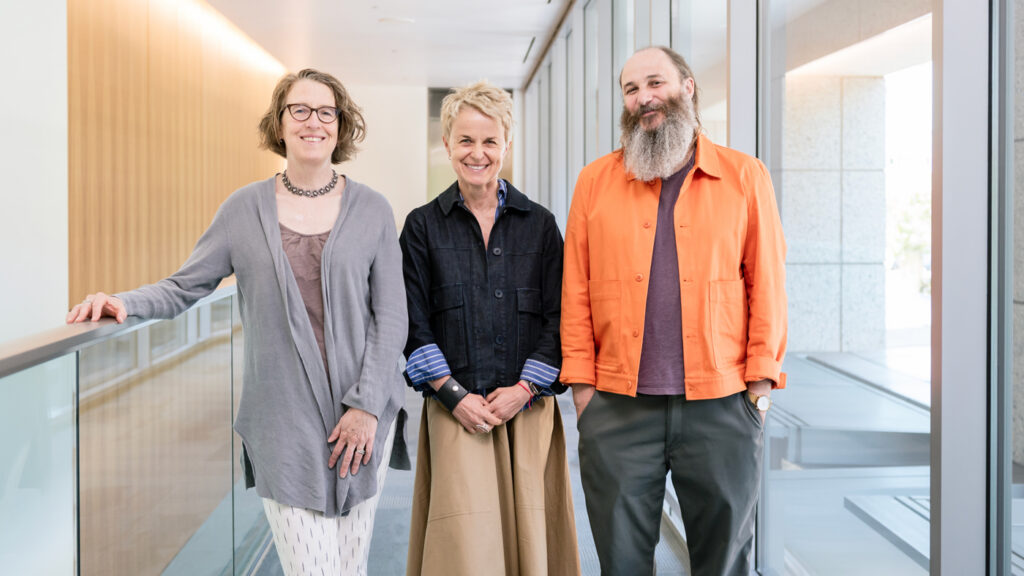
Gladstone Launches Center for PhAIge Therapy to Harness AI in the Fight Against Drug-Resistant Infections
The center, funded by an NIH grant, will become one of three national centers dedicated to accelerating the development of phage therapy.
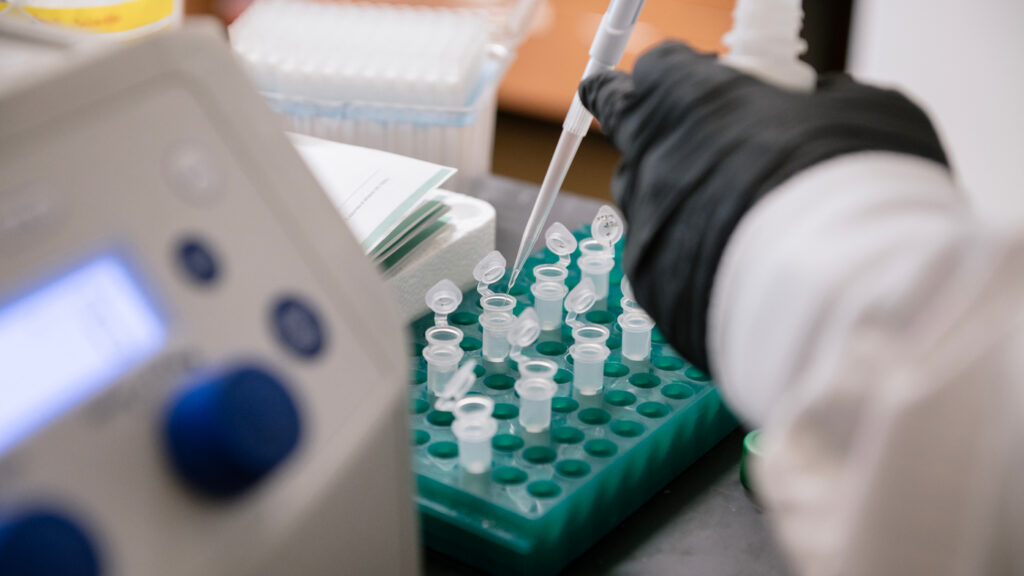
A Universal Toolkit for Editing Bacterial DNA
Scientists at Gladstone expanded their retron-based genome editing technology beyond E. coli, showing it works in 15 diverse bacterial species.
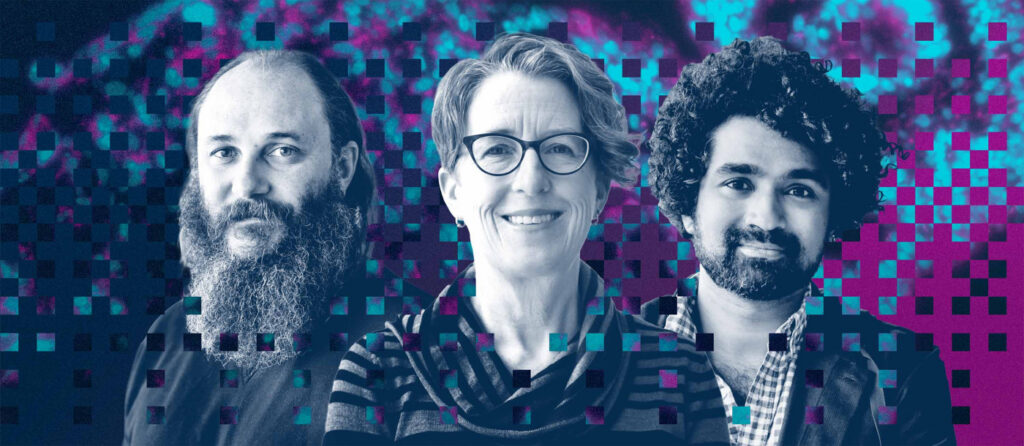
How AI Is Pinpointing the Genetic Cause of Disease
Scientists at Gladstone are combining AI models with cutting-edge lab tools to finally make sense of the human genome.
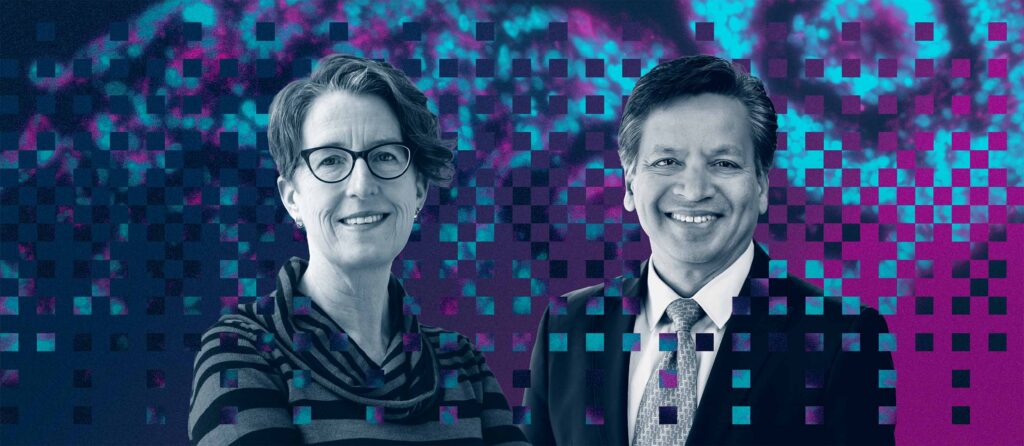
How AI Is Accelerating Life-Saving Discovery
Gladstone scientists are developing new AI tools that promise to revolutionize how science is done and lead to new treatments for the most devastating diseases.

Get Involved
Join the Team
Our people are our most important asset. We offer a wide array of career opportunities both in our administrative offices and in our labs.
Open PositionsPartner With Us
Discoveries don’t stay in our labs. Gladstone facilitates spinout companies to advance promising therapies, shortening the path between scientific discovery and helping real patients.
Learn MoreGive
Your gift to Gladstone will allow our researchers to pursue high-quality science, focus on disease, and train the next generation of scientific thought leaders.
Donate Now