Gladstone NOW: The Campaign Join Us on the Journey✕




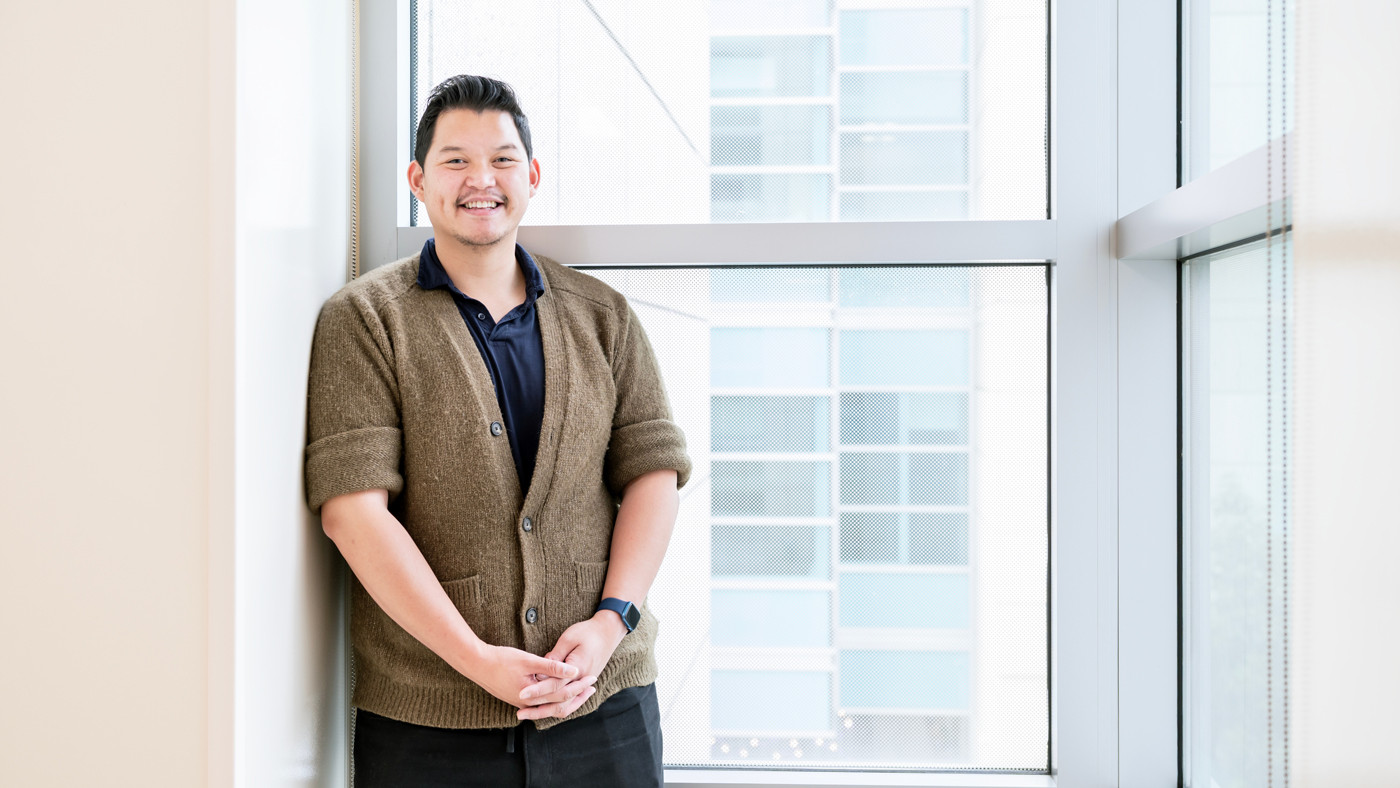
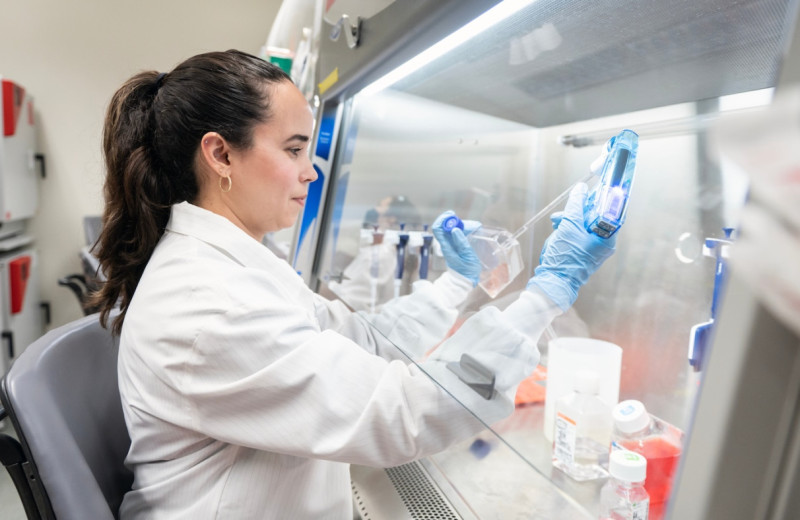
Andrew Yang's lab at Gladstone Institutes is working to harness the blood-brain barrier’s transport biology in various ways to treat neurological disease.
Listen to this article
This year’s recipient of the Sobrato Prize in Neuroscience is Andrew Yang, PhD, whose research has reshaped scientific understanding of the blood-brain barrier and its role in brain health and disease. Yang is an investigator at the Gladstone Institute of Neurological Disease and an assistant professor of neurology and anatomy at the University of California, San Francisco.
Launched in 2024, the Sobrato Prize in Neuroscience seeks to bridge the gap between discovery and the clinic, accelerating life-changing brain science with high potential for patient impact. It is awarded to scientists at Gladstone Institutes whose research has a particularly high potential to lead to new therapies for major brain diseases.
The prize is made possible through a generous gift from Resonance Philanthropies, a donor-advised fund of Silicon Valley Community Foundation funded by Sheri Sobrato.
Decoding the Blood-Brain Barrier
For decades, the blood-brain barrier was viewed as a simple physical wall that keeps toxins—and, unfortunately, also useful medications—out of the brain. Yang’s research has revealed a much more complex reality. He has discovered that this barrier is a dynamic communication hub where diverse molecules from the blood and brain are constantly exchanged to keep the brain healthy.
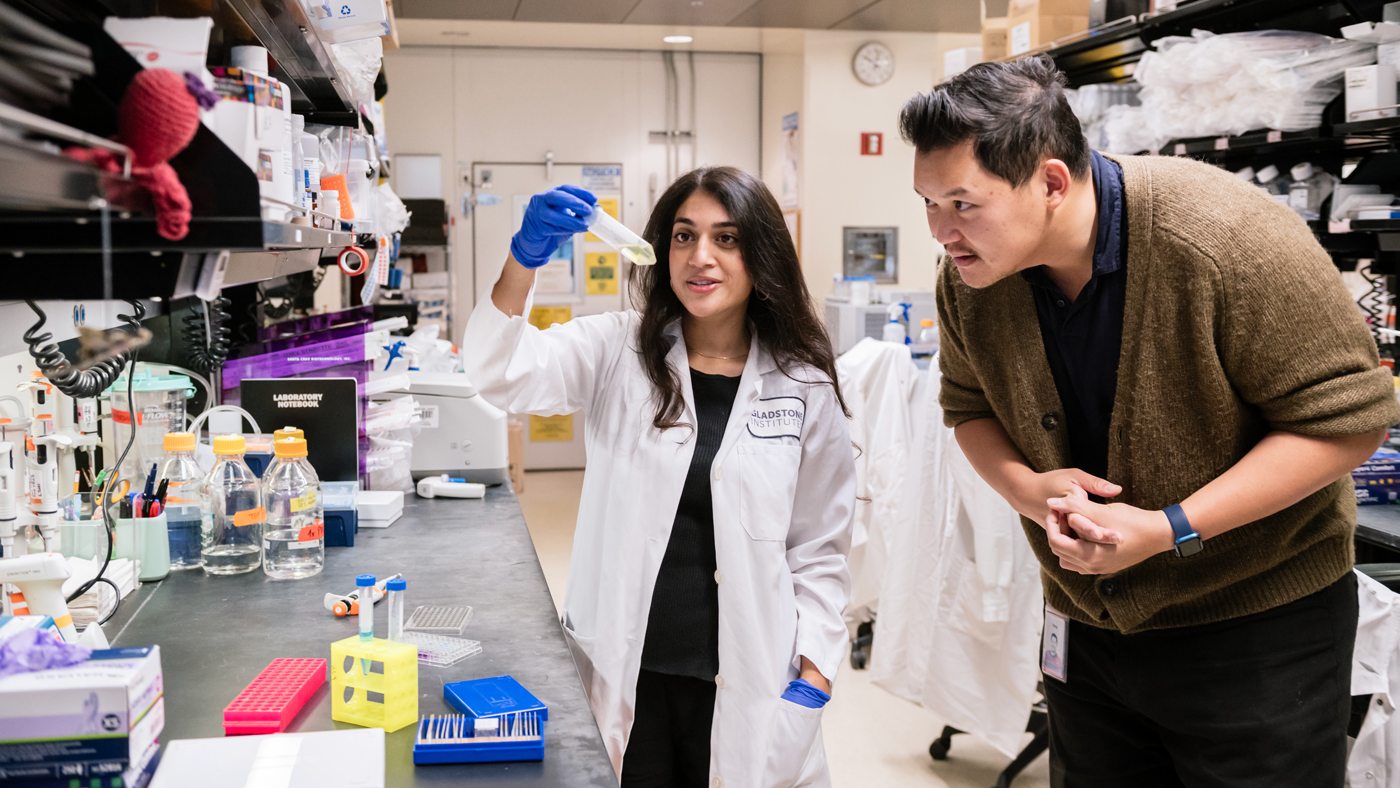
As the 2026 recipient of the Sobrato Prize in Neuroscience, Yang will seek to translate his lab's discoveries about the blood-brain barrier into new approaches for treating disease.
Last year, Yang and his team showed, in a study published in Neuron, that known genetic risk factors for neurological diseases act in the brain’s blood vessels and immune cells, which revealed new potential treatment targets. His latest study, on how the brain clears waste products, appeared in the journal Cell on May 29.
“The Sobrato Prize will help us translate our discoveries into new therapies,” says Yang. “It will give us the opportunity to pursue new questions about brain-body crosstalk and how we can harness the blood-brain barrier’s transport biology to treat neurological disease.”
Sobrato Prize honorees receive $250,000 to advance their research. The inaugural Sobrato Prize was awarded to Yadong Huang, MD, PhD, for his groundbreaking work on the APOE4 gene and its role in Alzheimer’s disease.
Potential for Patient Impact
Like Huang, Yang’s work in the Gladstone Institute of Neurological Disease has the potential to advance many areas of brain research. His latest study, for example, is relevant to neurological disease, normal aging, and sleep. Yang’s research could inform the design of new drugs to more efficiently cross the blood-brain barrier, a current challenge for treating many brain conditions.
“Andrew’s work is fundamentally changing our understanding of the blood-brain barrier and of how it impacts health and disease,” says Lennart Mucke, MD, director of the Gladstone Institute of Neurological Disease. “The Sobrato Prize provides the momentum needed to turn this research into a reality for patients, paving the way for new treatments for disabling brain disorders.”
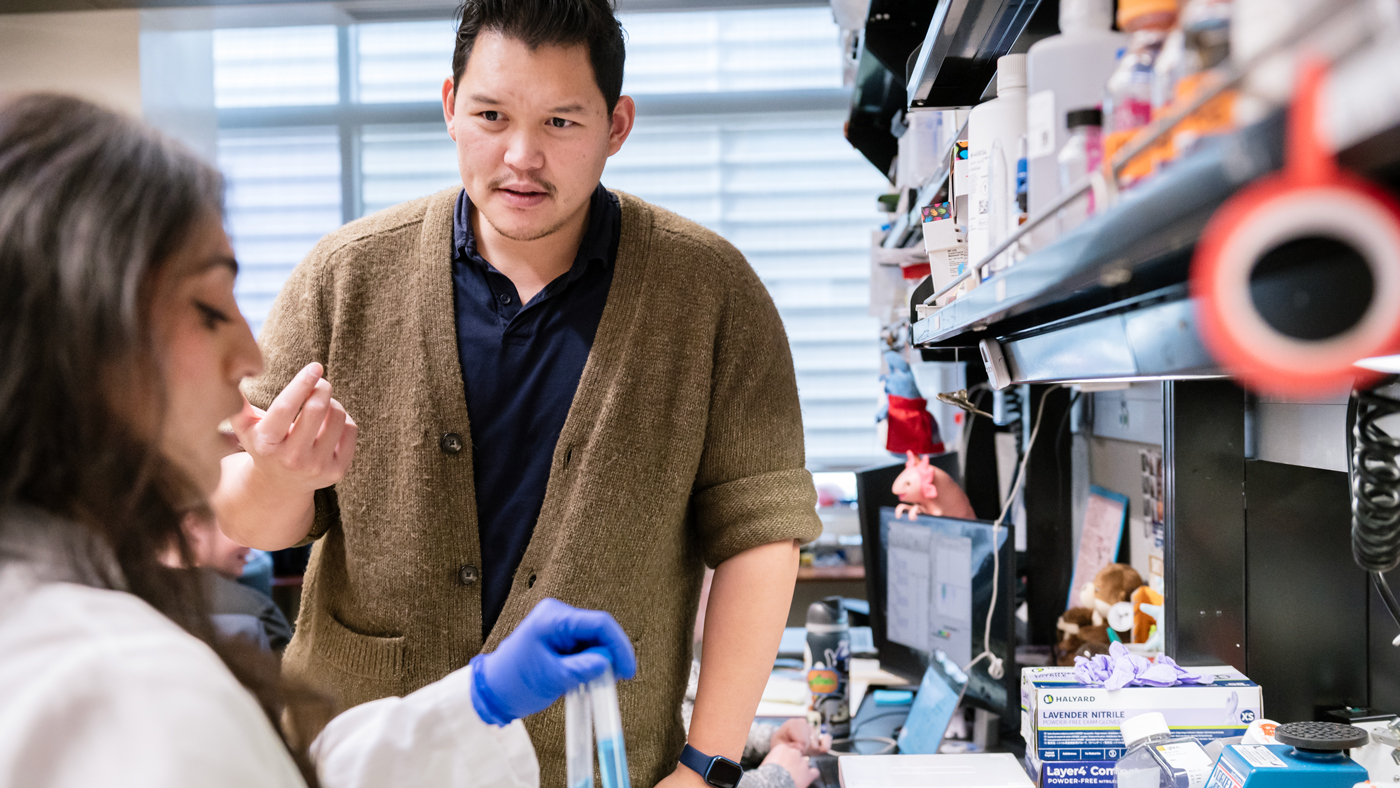
Yang’s research could inform the design of new drugs to more efficiently cross the blood-brain barrier, a current challenge for treating many brain conditions.
Yang joined Gladstone in 2024 after studying mechanical engineering and materials science at the Massachusetts Institute of Technology, and then earning his PhD in bioengineering at Stanford University. During his graduate studies, he developed chemical biology approaches to demonstrate that an unexpected number of blood proteins cross the healthy blood-brain barrier. He also created the first molecular atlas of human blood-brain barrier cells, identifying cell types that may have important roles in neurodegeneration.
With the help of the Sobrato Prize, Yang plans to expand his investigations of the bidirectional traffic across the blood-brain barrier from molecules to blood-derived immune cells with high therapeutic potential.
For Media
Kelly Quigley
Director, Science Communications and Media Relations
415.734.2690
Email
About Gladstone Institutes
Gladstone Institutes is an independent, nonprofit life science research organization that uses visionary science and technology to overcome disease. Established in 1979, it is located in the epicenter of biomedical and technological innovation, in the Mission Bay neighborhood of San Francisco. Gladstone has created a research model that disrupts how science is done, funds big ideas, and attracts the brightest minds.
Featured Experts

The 2026 Ogawa-Yamanaka Stem Cell Prize Awarded to Jun Takahashi

Article
September 14, 2026
The 2026 Ogawa-Yamanaka Stem Cell Prize Awarded to Jun Takahashi
Takahashi is recognized for his pioneering work translating iPS cell technology into a clinically approved therapy for Parkinson’s disease.
Ogawa Stem Cell Prize Stem Cells/iPSCs Regenerative Medicine News Release AwardsAmerican Heart Association Honors Benoit Bruneau with 2026 Distinguished Scientist Award
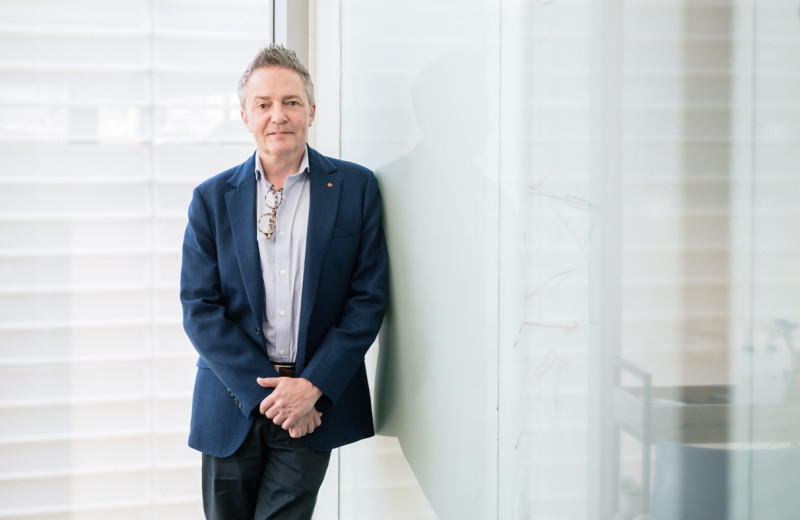
Article
July 30, 2026
American Heart Association Honors Benoit Bruneau with 2026 Distinguished Scientist Award
Bruneau, director of the Gladstone Institute of Cardiovascular Disease, will receive the association’s highest scientific honor in November.
News Release Congenital Heart Disease Cardiovascular Disease AwardsGladstone Institutes Receives National Recognition for Excellence in Postdoc Programs
Article
July 6, 2026
Gladstone Institutes Receives National Recognition for Excellence in Postdoc Programs
Gladstone is one of only 12 institutions nationwide to receive the award for its postdoctoral programs.
News Release Postdoctoral and Graduate Student Education and Research Development Affairs Graduate Students and Postdocs Postdoc Advisory Committee Awards