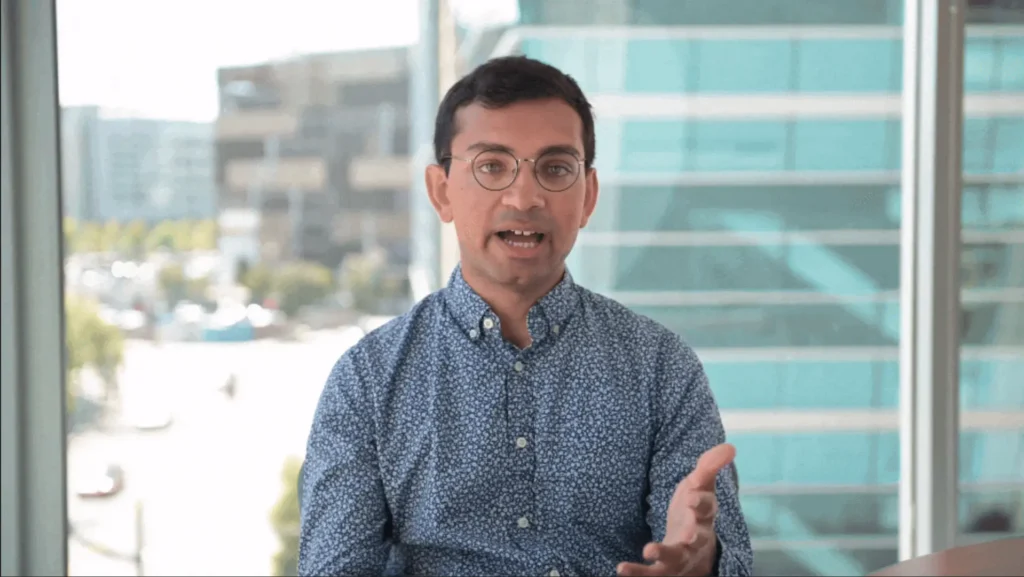
Kiichiro Tomoda’s lab specializes in stem cell biology and regenerative medicine. His research focuses on how environmental signals impact the ability of human induced pluripotent stem (iPS) cells to grow and differentiate into specific cell types.
He also studies fundamental aspects of cell biology, such as protein synthesis or the maintenance of specialized intracellular units called organelles, to improve the quality of iPS cells. One of Tomoda’s research goals is to model human disease using tissue generated from human iPS cells. These models are vital for studying the biological processes underlying conditions such as neurodegenerative diseases, heart diseases, and infectious diseases.
Disease Areas
- Congenital Heart Defects
- COVID-19
- HIV/AIDS
- Heart Diseases (e.g., left ventricular hypertrophy)
- Neurodegenerative Diseases (Cockayne syndrome)
Areas of Expertise
- Human Induced Pluripotent Stem Cells
- Cell Cycle Regulation
- Epigenetics
- Mouse Genetics
- Small Organelle Homeostasis
Lab Focus
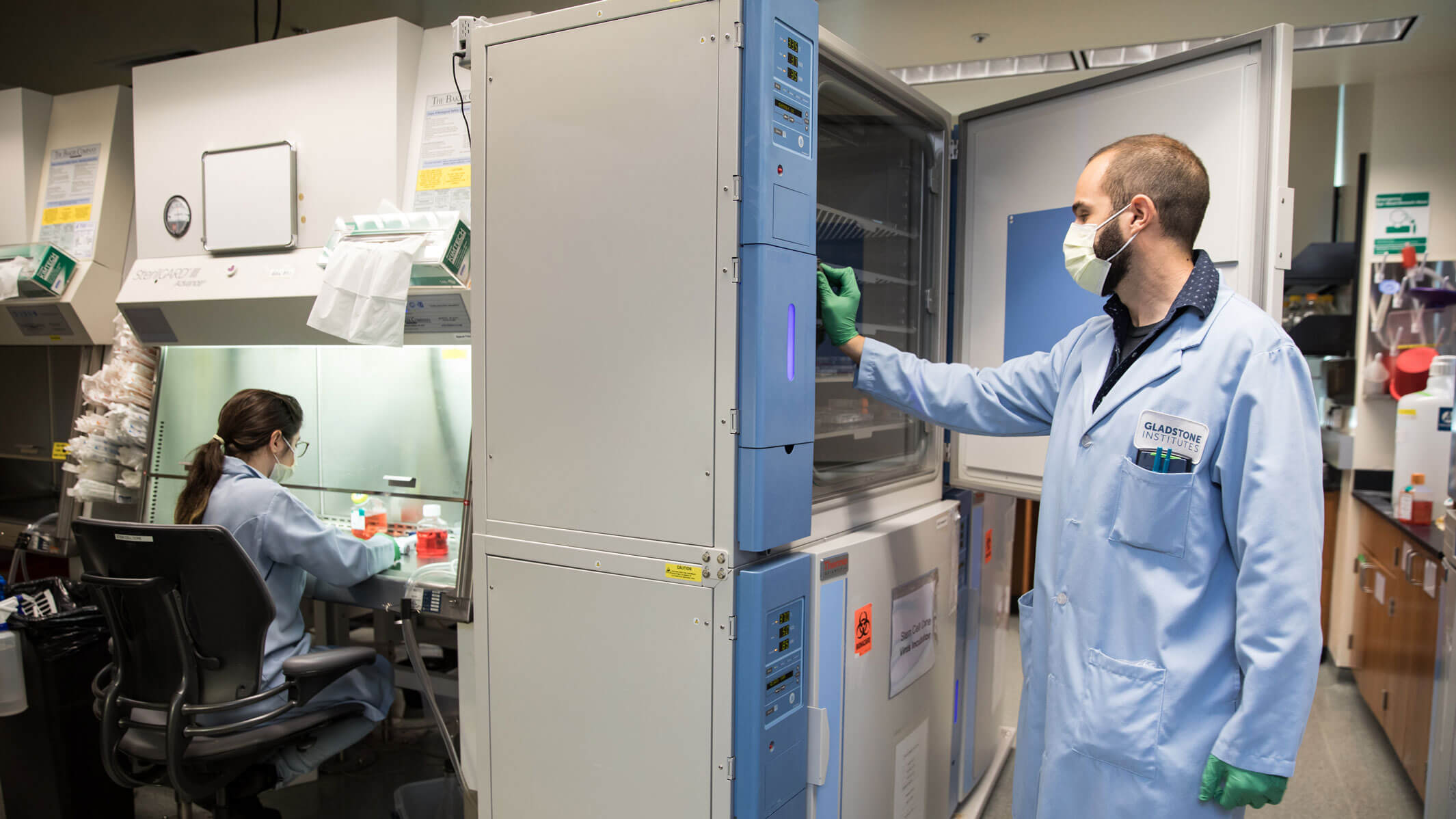
- Understand and manipulate epigenetic events and cellular homeostasis mechanisms that control the transition of stem cells from a pluripotent to a more restricted differentiation potential.
- Improve the quality of human iPS cells so they can be used for cell replacement therapies.
- Develop human iPS cell–based models of human disease using CRISPR genome-editing technology.
Research Impact
Tomoda was part of Shinya Yamanaka’s lab when the team discovered ways to turn adult human cells into induced pluripotent stem cells. Human iPS cells provide the research community with an infinite source of stem cells that can be turned into any cell type in the body, without the technical and ethical limitations of stem cells derived from human embryos.
Since this seminal discovery, Tomoda’s work has focused on improving the quality of human iPS cells. He is particularly interested in the epigenetic modifications that restrict the differentiation potential of stem cells, thus limiting their applications for research or clinical uses. More recently, Tomoda has been investigating fundamental biological events, such as protein synthesis and the maintenance of a specialized intracellular unit known as small organelles, in iPS cells. Understanding these cell biology events, along with the epigenetic regulation of stem cells, helps Tomoda’s team harness stem cell technology toward applications such as regenerative medicine and disease modeling. In particular, Tomoda has combined CRISPR gene editing with human iPS cell technology to model human diseases and used these models for drug discovery.