Gladstone Institutes Joins the Parker Institute for Cancer Immunotherapy Network

Gladstone Institutes has partnered with the Parker Institute for Cancer Immunotherapy (PICI), the leading network of immuno-oncology expertise in the world, to establish a new research center focused on using genomics and CRISPR technology to program the human immune system to treat cancer.
Through the partnership, Gladstone scientists will collaborate with other preeminent research centers in the PICI Network to explore how genome editing could accelerate fundamental insights into how immune cells are “wired,” which could potentially lead to a new generation of cell-based cancer immunotherapies.
Alex Marson, MD, PhD, director of the Gladstone-UCSF Institute of Genomic Immunology and a professor of medicine at UC San Francisco, will serve as director of the new Parker Institute for Cancer Immunotherapy at Gladstone Institutes. Members will also include Gladstone Assistant Investigator Karin Pelka, PhD, and Ansuman Satpathy, MD, PhD, affiliate investigator at Gladstone and assistant professor in the Department of Pathology at the Stanford School of Medicine.
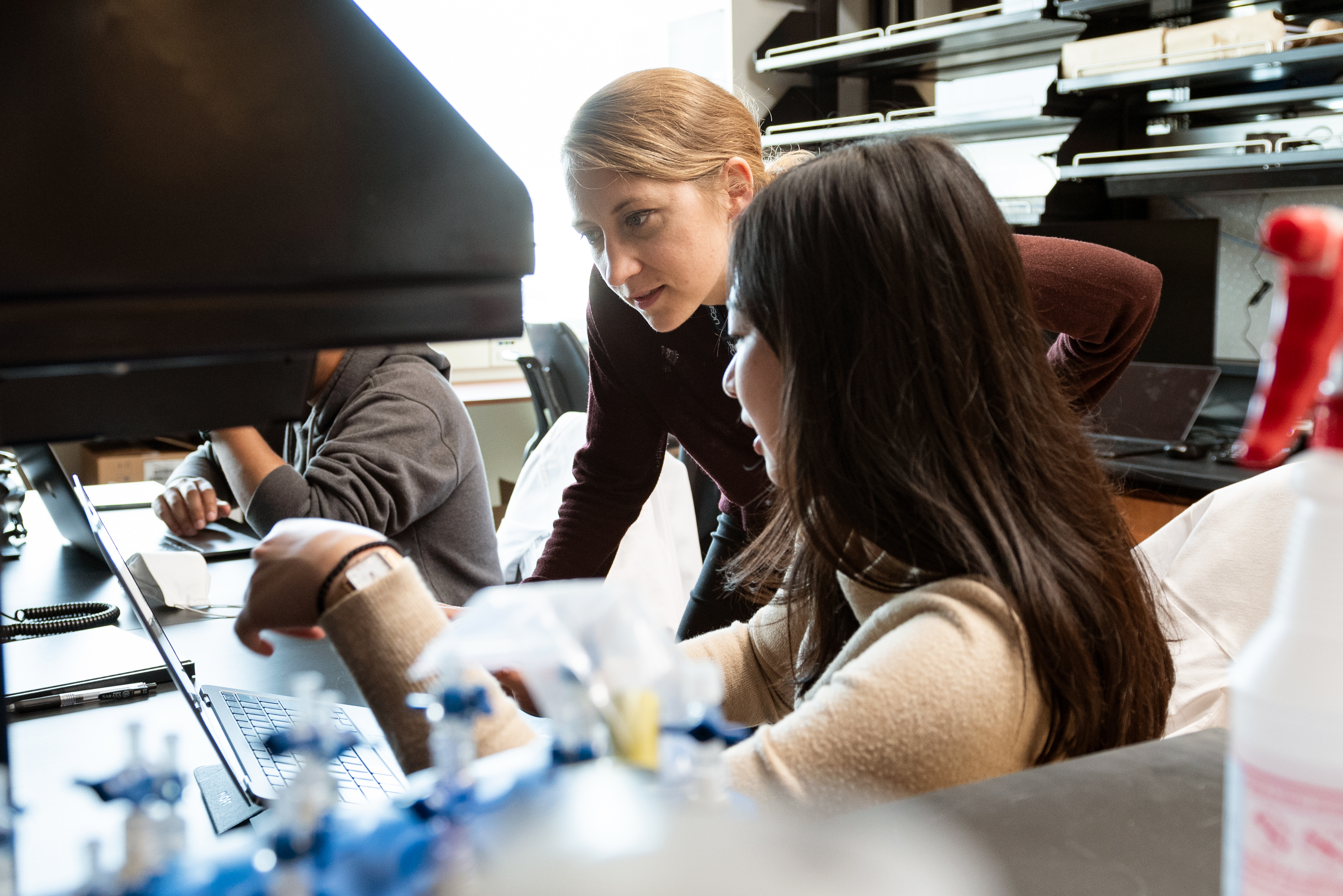
“Our Gladstone team is working at the forefront of the exciting field of genomic immunology,” Marson said. “We are pioneering new CRISPR genome-editing technologies that may offer faster, cheaper, and more precise ways to rewrite DNA programs in human immune cells. We are also developing novel synthetic programs to help the immune system fight cancer more effectively. As a long-time member of the PICI community, I’m thrilled to join forces with other leading institutions to bring the next generation of immunotherapies to cancer patients quickly and efficiently.”
In 2019, backed by an initial investment of $25 million from PICI, Marson and PICI Network scientific leaders from UCSF, the University of Pennsylvania, Broad Institute, and Dana-Farber Cancer Institute co-founded cancer cell therapy developer ArsenalBio. This successful endeavor exemplifies the collaborative work between researchers brought together by PICI.
“We are thrilled to welcome Gladstone to the PICI Network, with Alex Marson as director of the newly established center. He deeply understands PICI’s unique model and our commitment to make all cancers curable diseases.”
Funding for PICI centers is intended to support bold, high-risk scientific research and bridge academia and biotech through the potential formation of companies founded on next-generation therapies for cancer.
“We are thrilled to welcome Gladstone to the PICI Network, with Alex Marson as director of the newly established center,” says John Connolly, PhD, PICI chief scientific officer. “Having collaborated with distinguished fellow researchers in the Network, providing significant contributions to PICI studies and scientific retreats, and successfully proving our bench-to-market-to-patient approach, Alex deeply understands PICI’s unique model and our commitment to make all cancers curable diseases.”
The PICI Network was established to promote collaboration between leading-edge research institutions and scientists in the field of cancer immunology. Encouraging interdisciplinary collaboration and sharing research advances enables the network to maximize the scientific value of discoveries and catalyze the development of more effective cancer immunotherapies.
Organizations in the PICI Network are offered resources to support tomorrow’s scientific leaders as part of PICI’s Early Career Researcher program. PICI also facilitates access to advanced bioinformatics, intellectual property, sequencing, immune monitoring, industry-owned drugs, cell manufacturing, genetic engineering, and clinical trials management.
Other research institutions in the PICI Network include Stanford Medicine and the University of California, Los Angeles.
Up Next

Scientists Decode Gene Circuits of Human Immunity, Fueling New Era of Disease Research
An unprecedented map of 22 million immune cells provides the functional rulebook for virtual biology and next-generation immunotherapies.
New Toolkit Turns Macrophages Into Better Cancer Fighters
Gladstone and UCSF scientists developed a method to genetically edit myeloid cells, immune cells that act as the body’s first responders.

New CRISPR Screening Platform Boosts Power of Immunotherapy Against Solid Tumors
A new screening platform uncovers gene edits that enhance CAR-T cells’ ability to infiltrate and eliminate solid tumors.

New CRISPR Technique Selectively Shreds Cancer Cells, Including Those of ‘Undruggable’ Cancers
An innovative chromatin-shredding technique shown to destroy cancer cells carrying a prevalent mutation while keeping healthy cells intact.

Get Involved
Join the Team
Our people are our most important asset. We offer a wide array of career opportunities both in our administrative offices and in our labs.
Open PositionsPartner With Us
Discoveries don’t stay in our labs. Gladstone facilitates spinout companies to advance promising therapies, shortening the path between scientific discovery and helping real patients.
Learn MoreGive
Your gift to Gladstone will allow our researchers to pursue high-quality science, focus on disease, and train the next generation of scientific thought leaders.
Donate Now