Gladstone NOW: The Campaign Join Us on the Journey✕




How do brain cells change with age? How are liver cells impacted when someone takes a new medicine? What happens to lung cells after decades of smoking?
To find the answers—which have direct applications for preventing disease and developing new drugs—scientists typically design experiments with living cells, tweaking their DNA or environment to see what happens. But that process is slow, expensive, and difficult to scale up to capture the true complexity of life.
Now, scientists at Gladstone Institutes are leveraging artificial intelligence (AI) to revolutionize how we can approach these crucial questions about the inner workings of the body.
They are developing novel AI models to predict what goes wrong in disease—and how to fix it.
In this video, hear from Gladstone Investigator Christina Theodoris and Gladstone President Deepak Srivastava as they explain how these models work, and how AI can help solve diseases that, so far, have been untreatable.
Featured Experts
CSV file successfully filtered and rewritten.CSV file successfully filtered and rewritten.
Gladstone NOW: The Campaign
Join Us On The Journey
Christina Theodoris Honored in Inaugural Cohort of Young American Scientists
Article
June 17, 2026
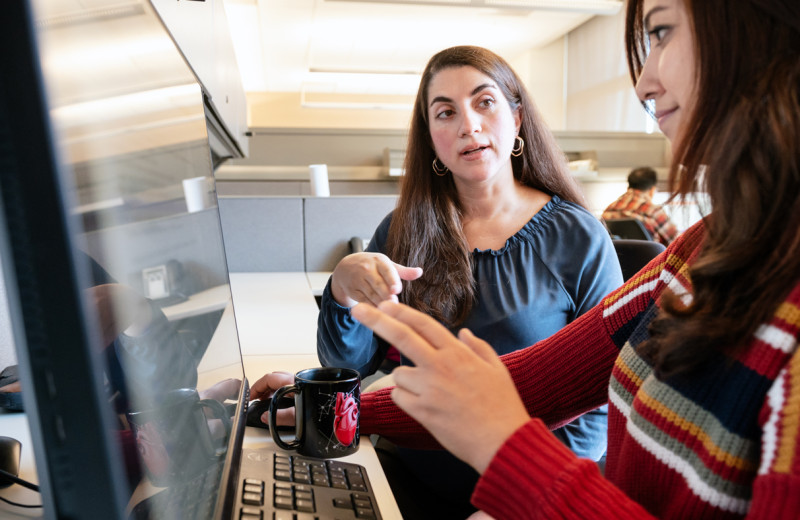
Christina Theodoris Honored in Inaugural Cohort of Young American Scientists
Scientific American recognizes Theodoris for her pioneering work developing artificial intelligence models to find treatments for an array of diseases.
How AI Is Pointing Scientists in New Directions and Leading to Novel Drug Targets
Article
April 27, 2026
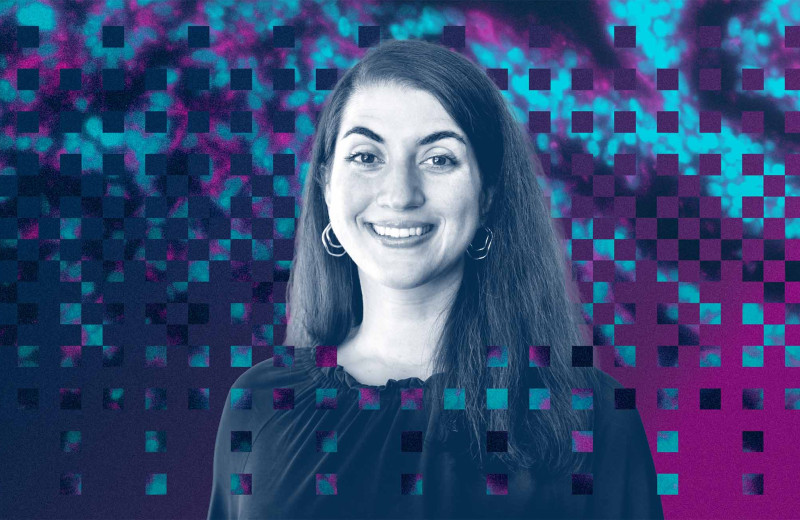
How AI Is Pointing Scientists in New Directions and Leading to Novel Drug Targets
Gladstone scientists are developing novel AI models to predict what goes wrong in disease—and how to fix it.
Theodoris Lab AI Cardiovascular DiseaseNew AI Model Predicts How Cells Age

Article
April 2, 2026
New AI Model Predicts How Cells Age
Trained on data spanning the human lifespan, a new tool developed at Gladstone can predict genes associated with aging and age-related diseases.
News Release Research (Publication) Cardiovascular Disease Theodoris Lab Aging AI