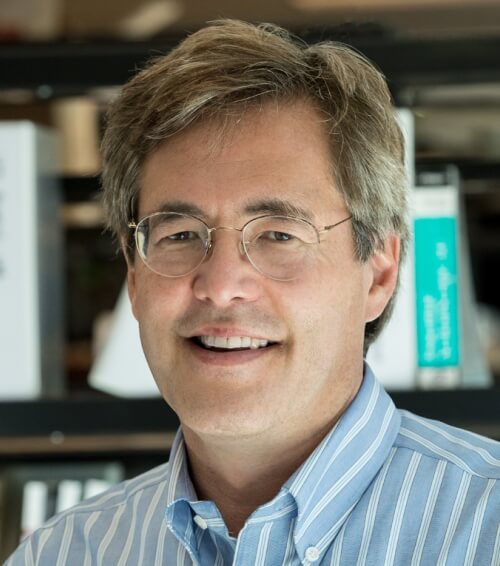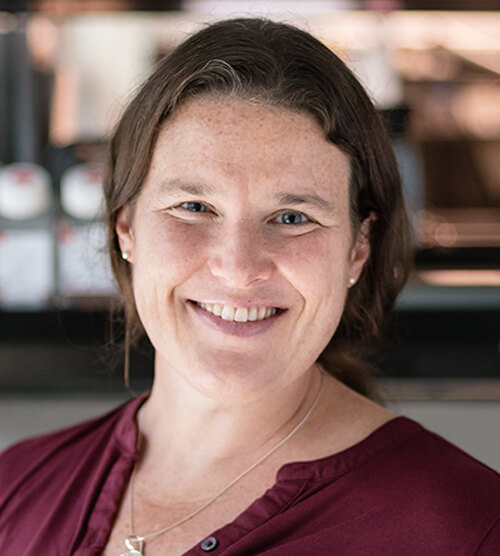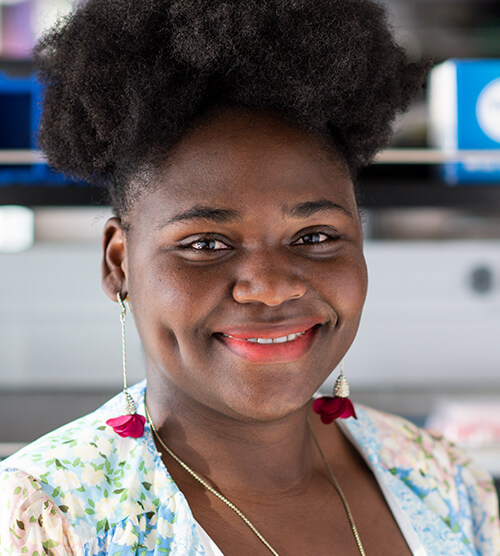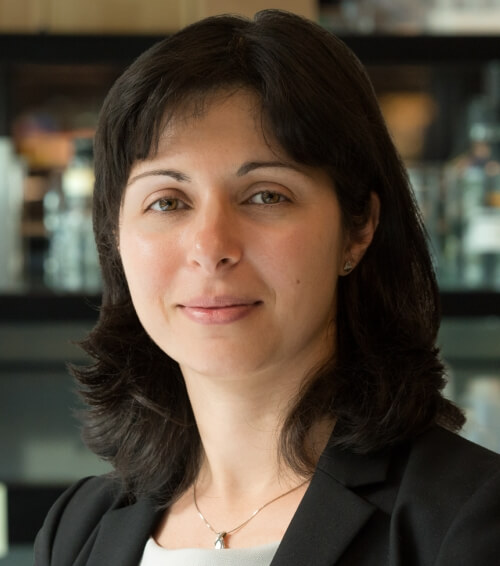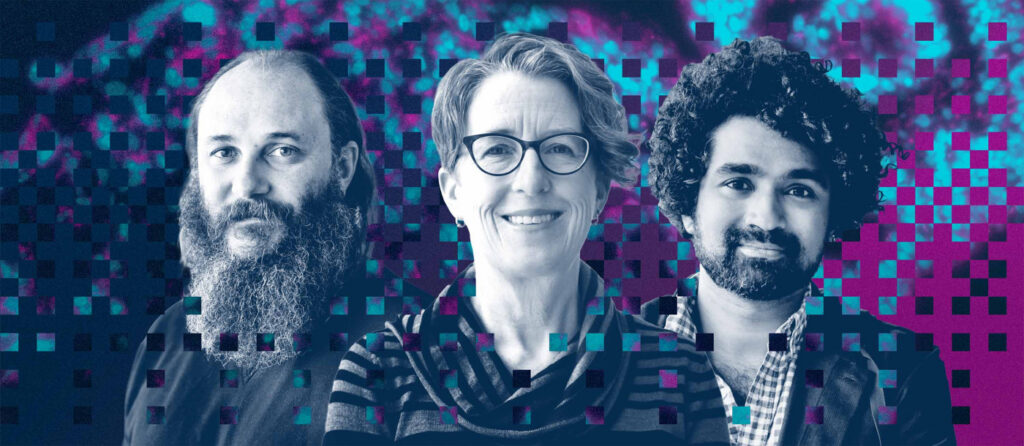
Christina Theodoris, MD, PhD portrait image

The Theodoris Lab studies how genes interact within networks to enable proper development and function of the heart, and how disruptions in those gene networks can result in cardiovascular disease. They use a combination of experimental biology and computational modeling to map the gene networks that drive disease and to design therapies that can correct the networks back to a healthy state.

Disease Areas

Areas of Expertise

  • Machine Learning
  • Cardiovascular Genetics
  • Computational Biology
  • Deep Learning
  • Experimental Genomics
Christina Theodoris

Lab Focus

  • Mapping gene networks dysregulated in cardiovascular disease.
  • Developing machine learning approaches to leverage large-scale biological data that enable predictions in network biology.
  • Designing network-correcting therapies for cardiovascular disease.

Research Impact

Christina Theodoris is interested in determining the circuitry of gene regulatory networks disrupted in cardiovascular disease. With a strong foundation in pediatric cardiovascular genetics, her group moves from bedside to bench by using experimental models to understand the transcriptional and epigenetic mechanisms underlying disease. Leveraging cutting-edge experimental genomics and computational modeling, they map the gene networks that drive disease progression to identify central regulatory nodes that, when targeted, have a broad restorative effect on the network. They then use machine learning approaches to identify novel network-correcting therapeutics that target these central nodes to treat the core disease mechanism rather than merely manage symptoms. This approach has already led to the identification of a candidate therapeutic for cardiac valve disease that is under further development toward clinical trials, bringing discoveries back from the bench to the bedside.

The Theodoris Lab is also focused on developing novel machine learning methodologies to fully take advantage of large-scale biological data and new biological measurements made possible by recent advances in biotechnology. They design innovative modeling approaches to enable predictions in network biology, especially in settings where discoveries are impeded by limited data, including rare diseases and diseases affecting clinically inaccessible tissues.

About Christina

Professional Titles

  • Assistant Investigator, Gladstone Institutes
  • Assistant Professor, Department of Pediatrics, UC San Francisco

Bio

Christina Theodoris is an assistant investigator at Gladstone Institutes, and an assistant professor in the Department of Pediatrics at UC San Francisco (UCSF). She completed her bachelor’s degree in biology at California Institute of Technology, where she worked in the Eric Davidson Lab studying gene regulatory networks in early sea urchin development. She then completed her MD and PhD in developmental and stem cell biology at UCSF. During her graduate work in Deepak Srivastava’s lab at Gladstone, co-mentored by Katherine Pollard and Benoit Bruneau, she developed an innovative network-based approach to therapeutic design leveraging machine learning and iPS cell disease modeling, which ultimately identified a candidate molecule for the treatment and prevention of cardiac valve disease currently under further development toward clinical trials.

As a postdoctoral fellow in the Department of Data Science at Dana-Farber Cancer Institute and the Broad Institute of MIT and Harvard, co-mentored by X. Shirley Liu and Patrick Ellinor, she developed a novel deep learning model leveraging large-scale single cell transcriptomic data to enable context-specific predictions in settings with limited data in network biology through transfer learning. She also co-developed a machine learning methodology that systematically contrasts single-cell multimodal transcriptomic and chromatin accessibility data to infer the regulatory circuitry driving fate decisions within cell state trajectories. She completed her medical subspecialty training in pediatrics and medical genetics at Boston Children’s Hospital, and her clinical experiences in pediatric cardiovascular genetics inform and direct her research program.

Q:

How Did You Get Your Start in Science?

“My interest in gene regulatory networks and how mapping them could enable the design of network-correcting therapies in human disease was inspired by my undergraduate research studying gene networks in early sea urchin development in Eric Davidson’s lab at California Institute of Technology.”

This Is AI Predicting New Ways to Treat Disease

3:12

Honors and Awards

  • 2024
    Searle Scholars Award
  • 2023
    NIH Director’s Early Independence Award (DP5)
  • 2023
    Career Development Award, American Heart Association
  • 2022
    Career Award for Medical Scientists, Burroughs Wellcome Fund

Publications