
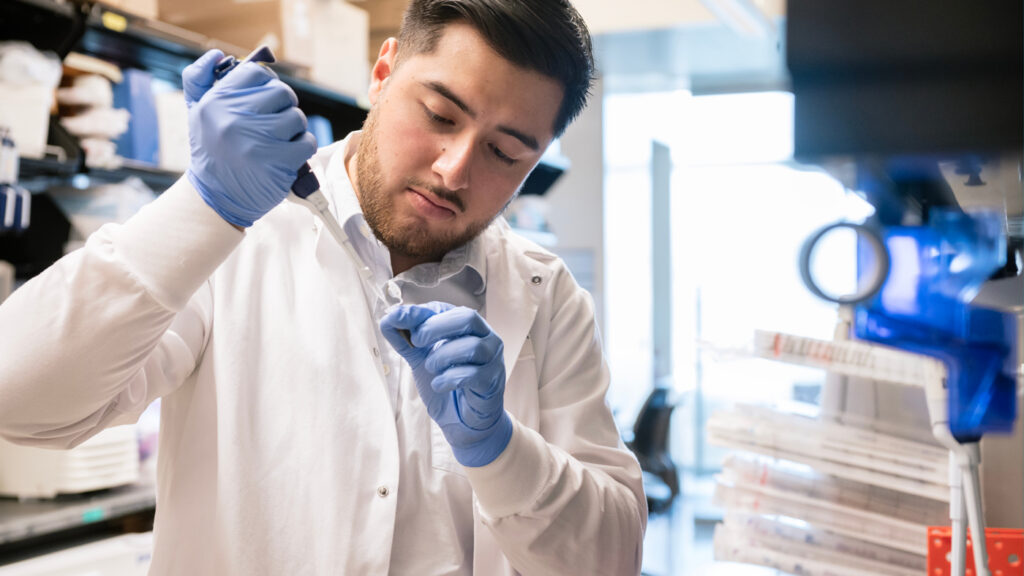
Rethinking ‘Exhausted’ T Cells: Gilbert Herrera Named Inaugural Ellen & Bernard Marson Fellow
The fellowship provides three years of funding for graduate students pursuing groundbreaking immunology research.
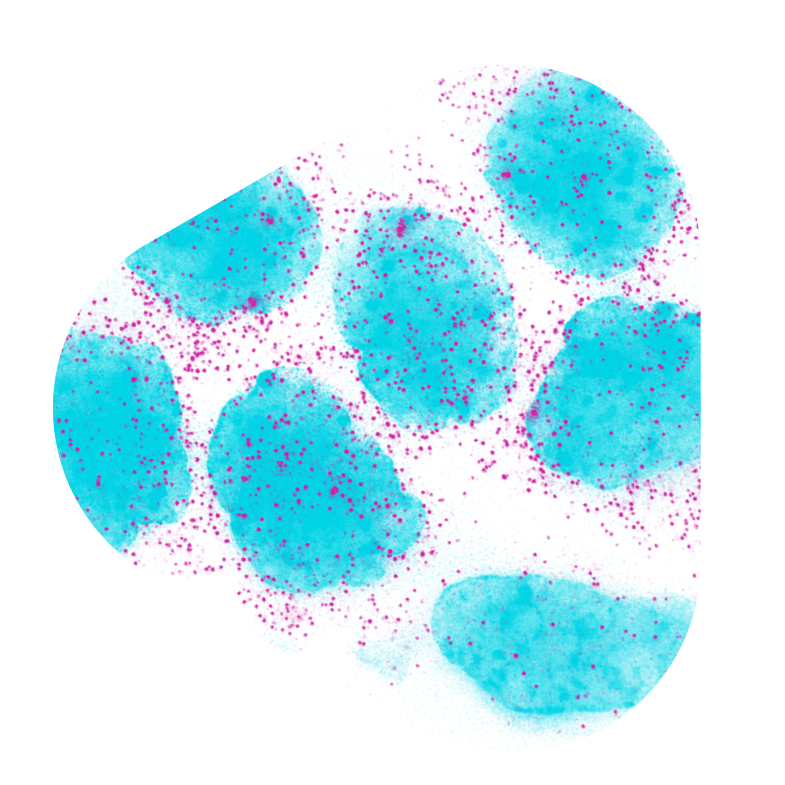
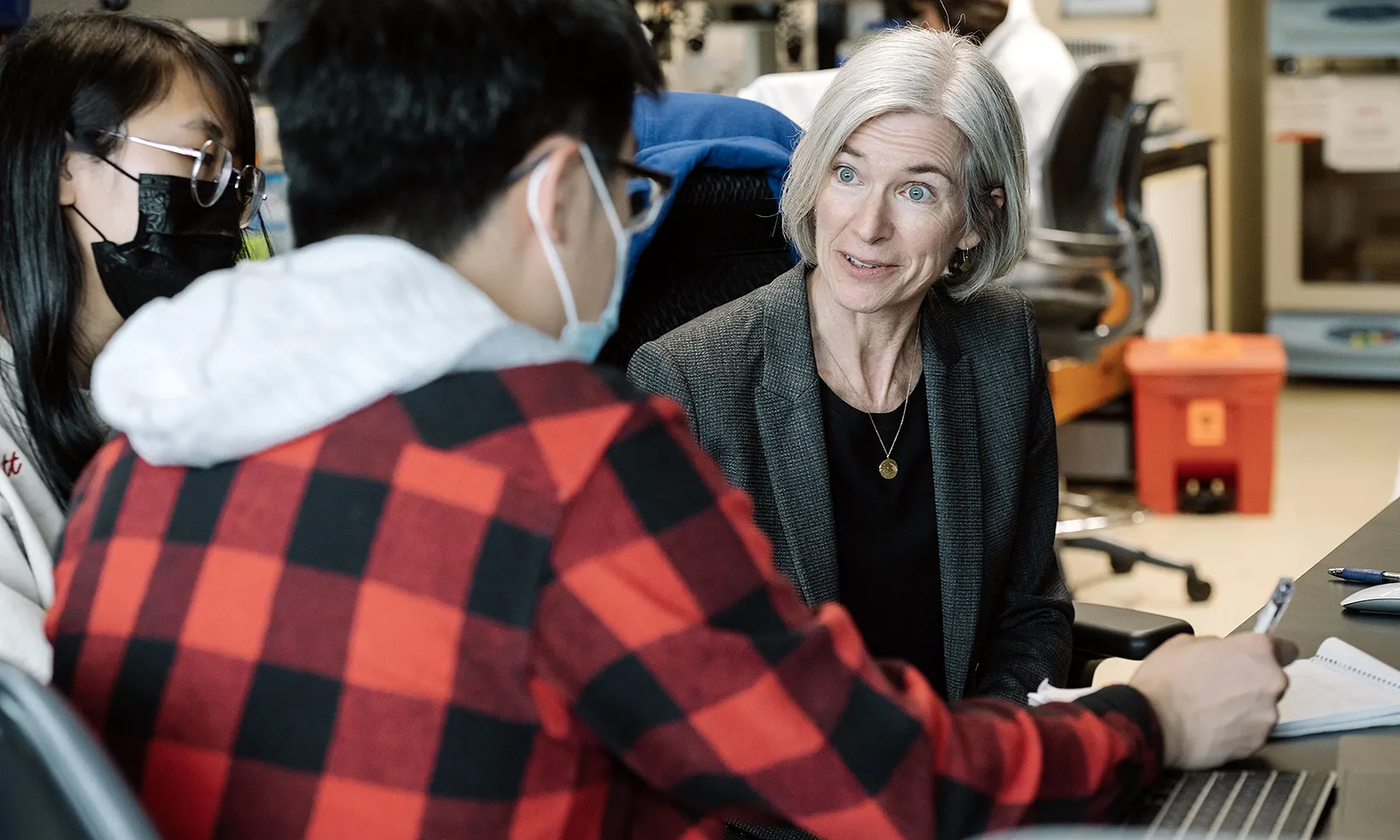
Understanding the rules governing the human immune system—in health and disease contexts—is crucial to developing powerful new treatments for patients. Cutting-edge genomics and gene-editing technologies now give us the power to achieve such an understanding.
By learning how DNA sequences in the genome code for critical functions of human immune cells and how these functions can fail, we will generate a blueprint that will allow us to reprogram our own immune cells to act as sentinels and warriors in the fight against autoimmune disorders, infection, immunodeficiency, and cancer.
The institute was founded in 2020 to unite an existing UC San Francisco and Gladstone community of experts in immunology, synthetic biology, human genetics, and CRISPR genome engineering with clinical experts in manufacturing and trial design for novel immunotherapies, among others.
Importantly, the institute will act as a beacon to attract new talent, enabling the team to build complementary areas of expertise in an expanding range of immune cell types, computational approaches, innovative synthetic biology technologies, and human diseases.
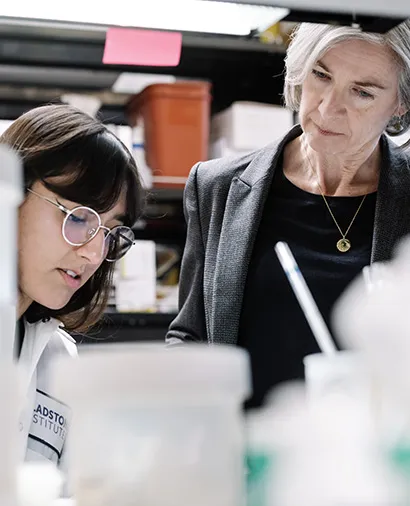
Our researchers have developed a suite of robust CRISPR/Cas9-based technologies that enable genome editing and manipulation in primary human T cells. This enables the investigation of the genetic code that controls the function of these key immune cells and how genetic changes lead to pathological or improved immune cell responses.
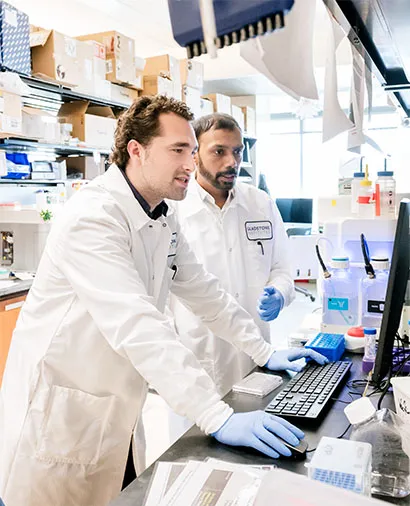
Although many genome variants have been linked to increased risk of autoimmune disease, the mechanisms by which they cause immune dysfunction are generally unknown. Researchers are mapping the genome, epigenome, and transcriptome of individual immune cells to identify the functions of these genome variants.
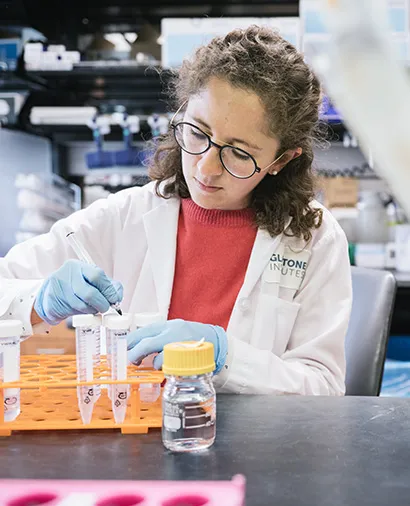
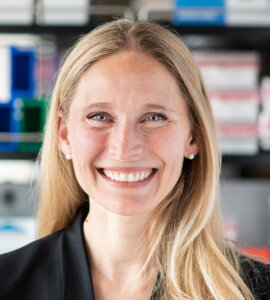
Julia Carnevale, MD
Affiliate Investigator
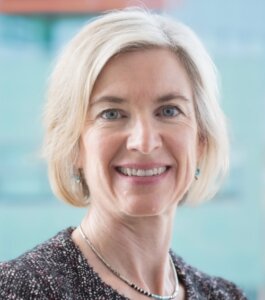
Jennifer Doudna, PhD
Senior Investigator, Gladstone Institutes
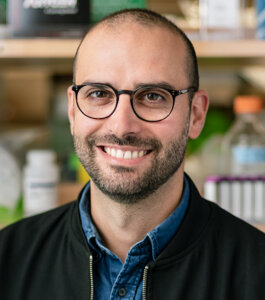
Justin Eyquem, PhD
Affiliate Investigator, Gladstone Institutes
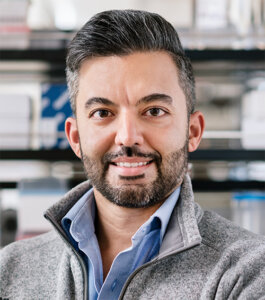
Omar Khan, MD, PhD
Affiliate Genomic Immunology Fellow, Gladstone Institutes
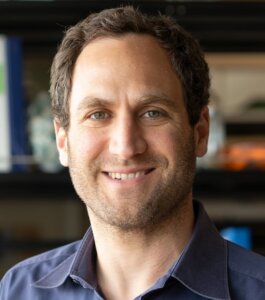
Alex Marson, MD, PhD
Connie and Bob Lurie Director, Gladstone-UCSF Institute of Genomic Immunology

Karin Pelka, PhD
Assistant Investigator, Gladstone Institutes
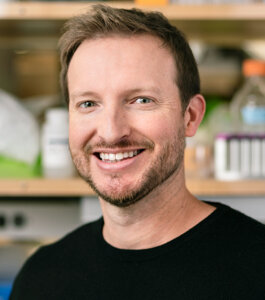
Kole Roybal, PhD
Affiliate Investigator
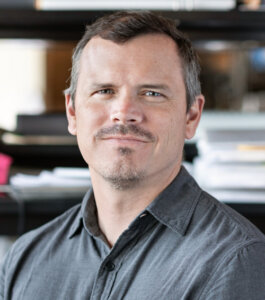
Brian Shy, MD, PhD
Visiting Investigator, Gladstone Institutes
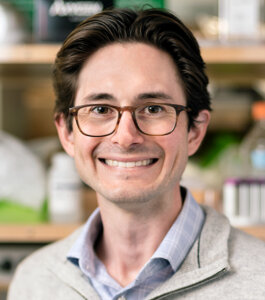
Matthew Spitzer, PhD
Affiliate Investigator
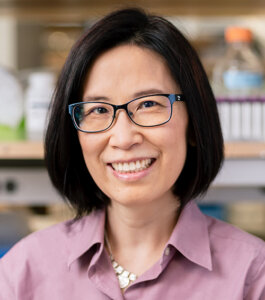
Qizhi Tang, PhD
Affiliate Investigator, Gladstone Institutes
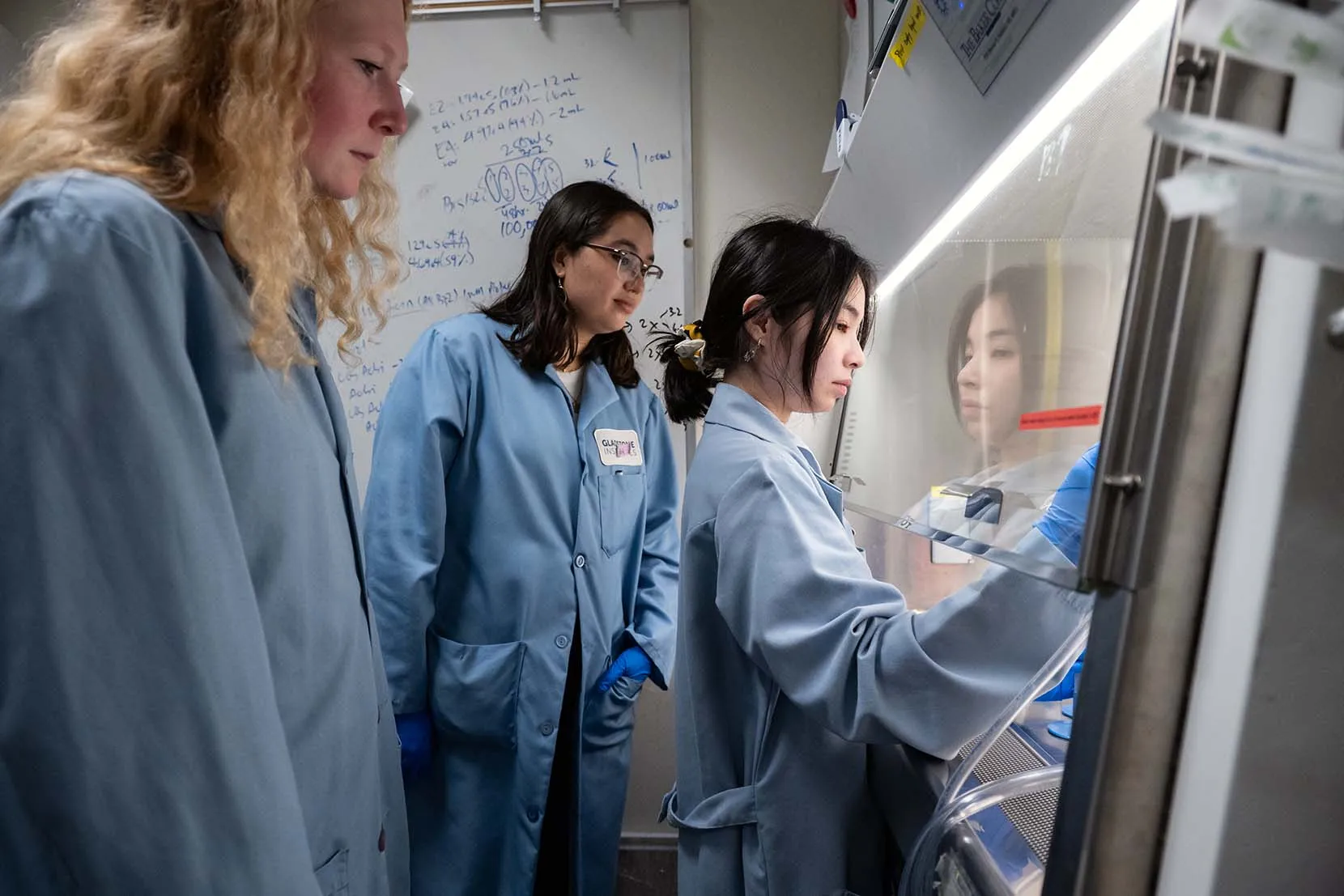
Our training program has been recognized as one of the best in the field. Explore how we’re building the future of genomic immunology research, one scientist at a time.
FROM THE DIRECTOR
We want to create an ecosystem that brings experts together to think about transformative opportunities for how patients can be treated in the future.
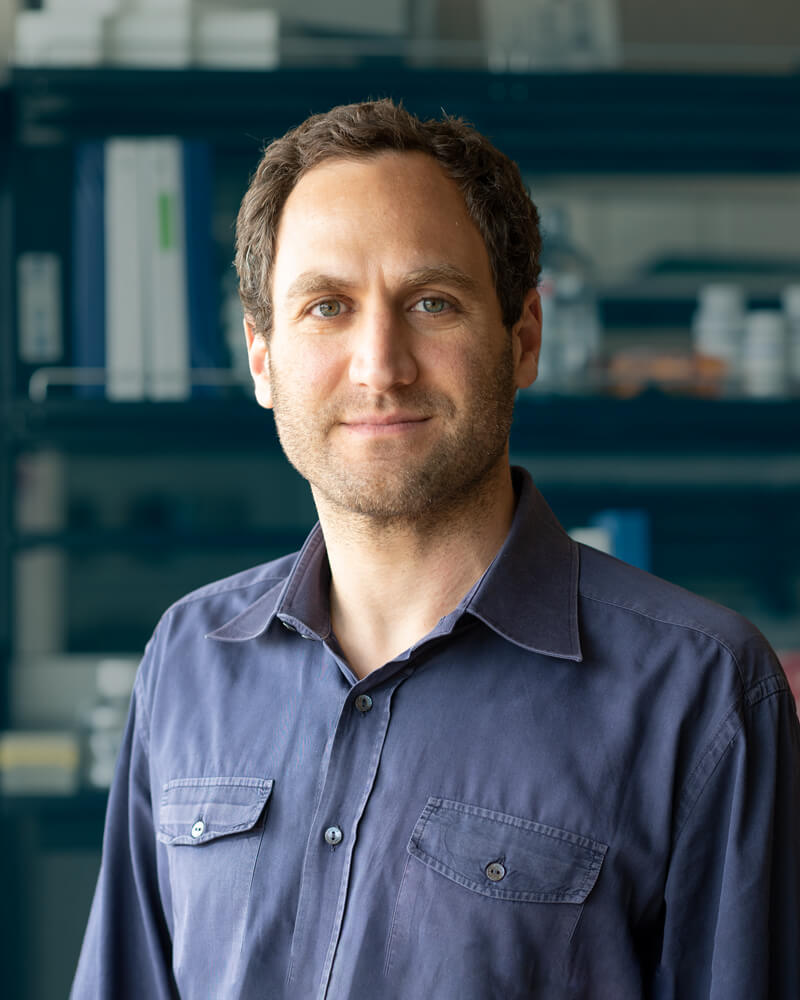
Alexander Marson, MD, PhD
Director, Gladstone-UCSF Institute of Genomic Immunology
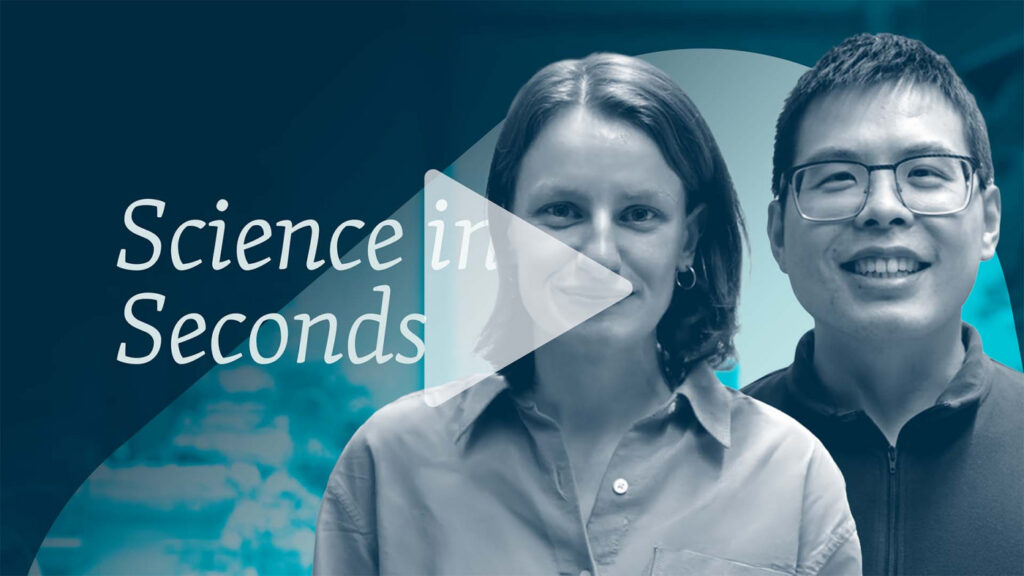
In this video, Gladstone scientists Emma Dann and Ronghui Zhu explain how their new study offers a powerful framework for designing cancer immunotherapies and treating autoimmune conditions.
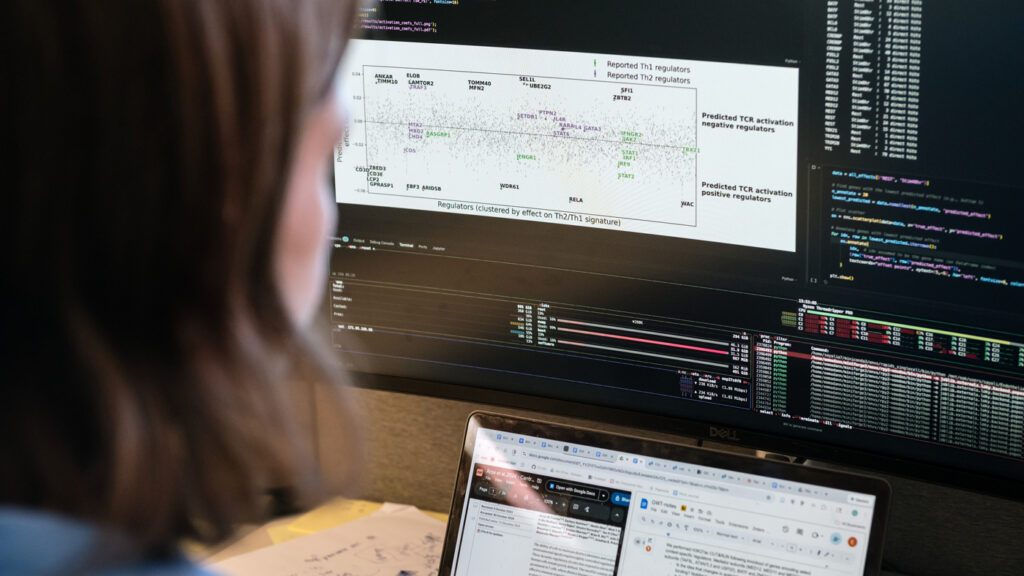
An unprecedented map of 22 million immune cells provides the functional rulebook for virtual biology and next-generation immunotherapies.
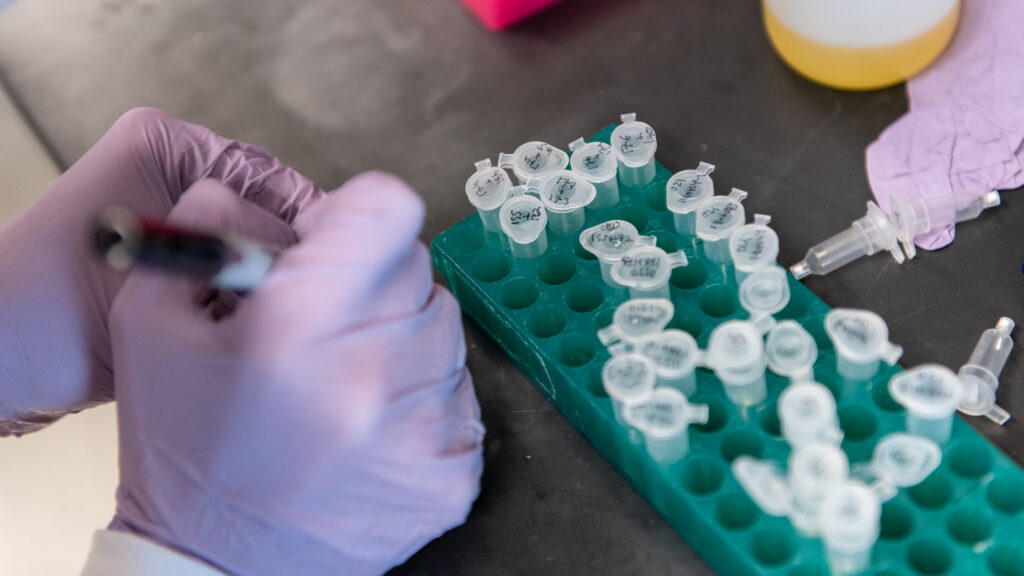
Gladstone and UCSF scientists developed a method to genetically edit myeloid cells, immune cells that act as the body’s first responders.
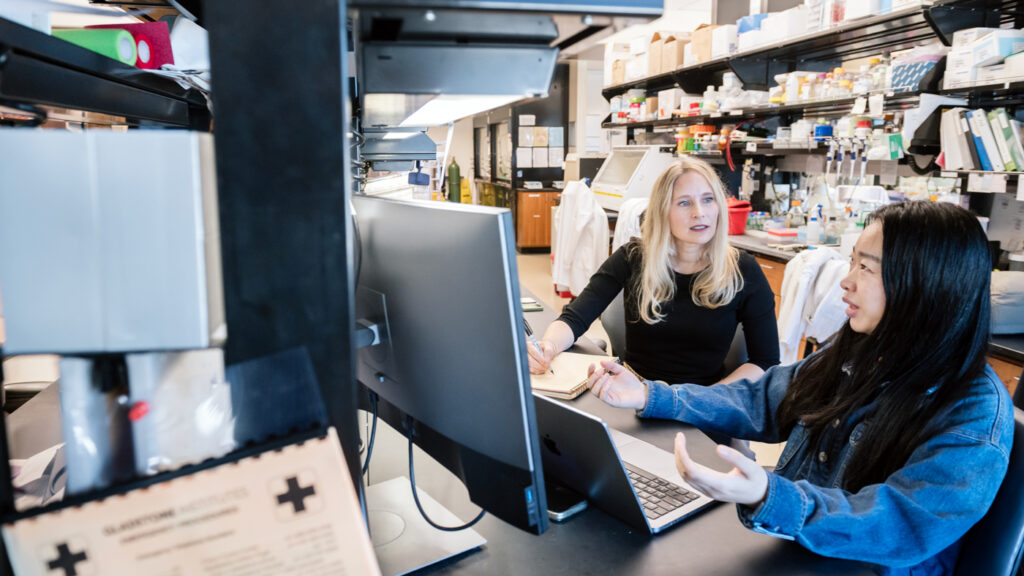
A new screening platform uncovers gene edits that enhance CAR-T cells’ ability to infiltrate and eliminate solid tumors.
Our people are our most important asset. We offer a wide array of career opportunities both in our administrative offices and in our labs.
Open PositionsDiscoveries don’t stay in our labs. Gladstone facilitates spinout companies to advance promising therapies, shortening the path between scientific discovery and helping real patients.
Learn MoreYour gift to Gladstone will allow our researchers to pursue high-quality science, focus on disease, and train the next generation of scientific thought leaders.
Donate Now