Science in Seconds | An Unprecedented Map of Human Immune Cells
Scientists from Gladstone Institutes, UC San Francisco, and Stanford University, stress-tested genes across the genome in 22 million human immune cells. By using actual human immune cells from blood donors, they could observe how genes function in their natural state.
The resulting dataset helps decode how these genes actually work and how they impact health and disease. It also stands as the largest contribution yet to the Billion Cells Project, a massive effort led by Biohub.
In this video, Gladstone scientists Emma Dann and Ronghui Zhu explain the importance of this study and how it offers a powerful new framework for designing cancer immunotherapies and treating autoimmune conditions.
The study, published in Cell, was led by Alex Marson’s lab at Gladstone and UCSF, in close collaboration with Jonathan Pritchard at Stanford.
Up Next

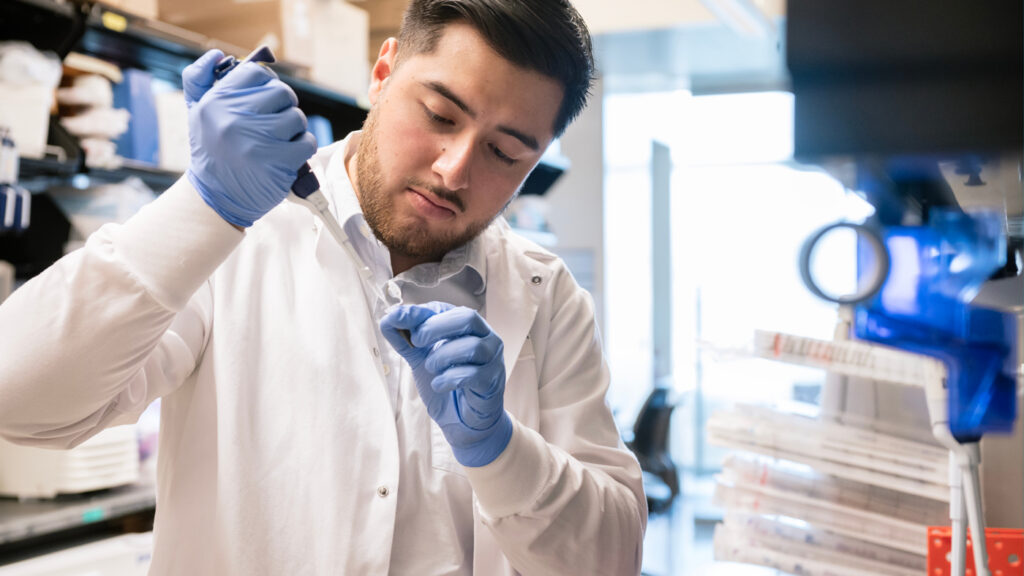
Rethinking ‘Exhausted’ T Cells: Gilbert Herrera Named Inaugural Ellen & Bernard Marson Fellow
The fellowship provides three years of funding for graduate students pursuing groundbreaking immunology research.

Scientists Decode Gene Circuits of Human Immunity, Fueling New Era of Disease Research
An unprecedented map of 22 million immune cells provides the functional rulebook for virtual biology and next-generation immunotherapies.
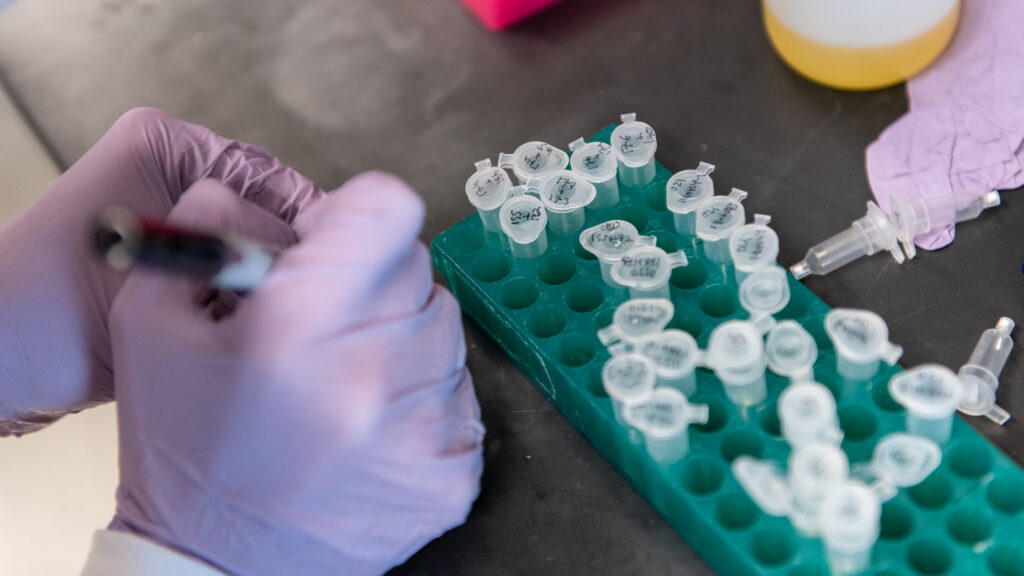
New Toolkit Turns Macrophages Into Better Cancer Fighters
Gladstone and UCSF scientists developed a method to genetically edit myeloid cells, immune cells that act as the body’s first responders.

New CRISPR Screening Platform Boosts Power of Immunotherapy Against Solid Tumors
A new screening platform uncovers gene edits that enhance CAR-T cells’ ability to infiltrate and eliminate solid tumors.

Get Involved
Join the Team
Our people are our most important asset. We offer a wide array of career opportunities both in our administrative offices and in our labs.
Open PositionsPartner With Us
Discoveries don’t stay in our labs. Gladstone facilitates spinout companies to advance promising therapies, shortening the path between scientific discovery and helping real patients.
Learn MoreGive
Your gift to Gladstone will allow our researchers to pursue high-quality science, focus on disease, and train the next generation of scientific thought leaders.
Donate Now