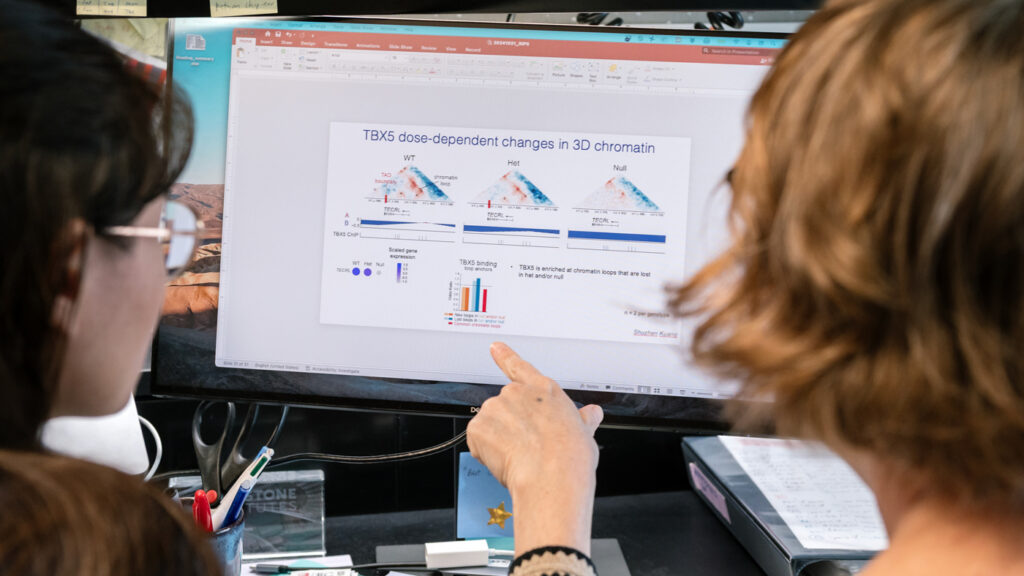
Misfolded DNA Blueprint: A New Origin for Genetic Disease
Gladstone researchers found losing just one copy a particular gene can disrupt heart development and lead to congenital heart disease.



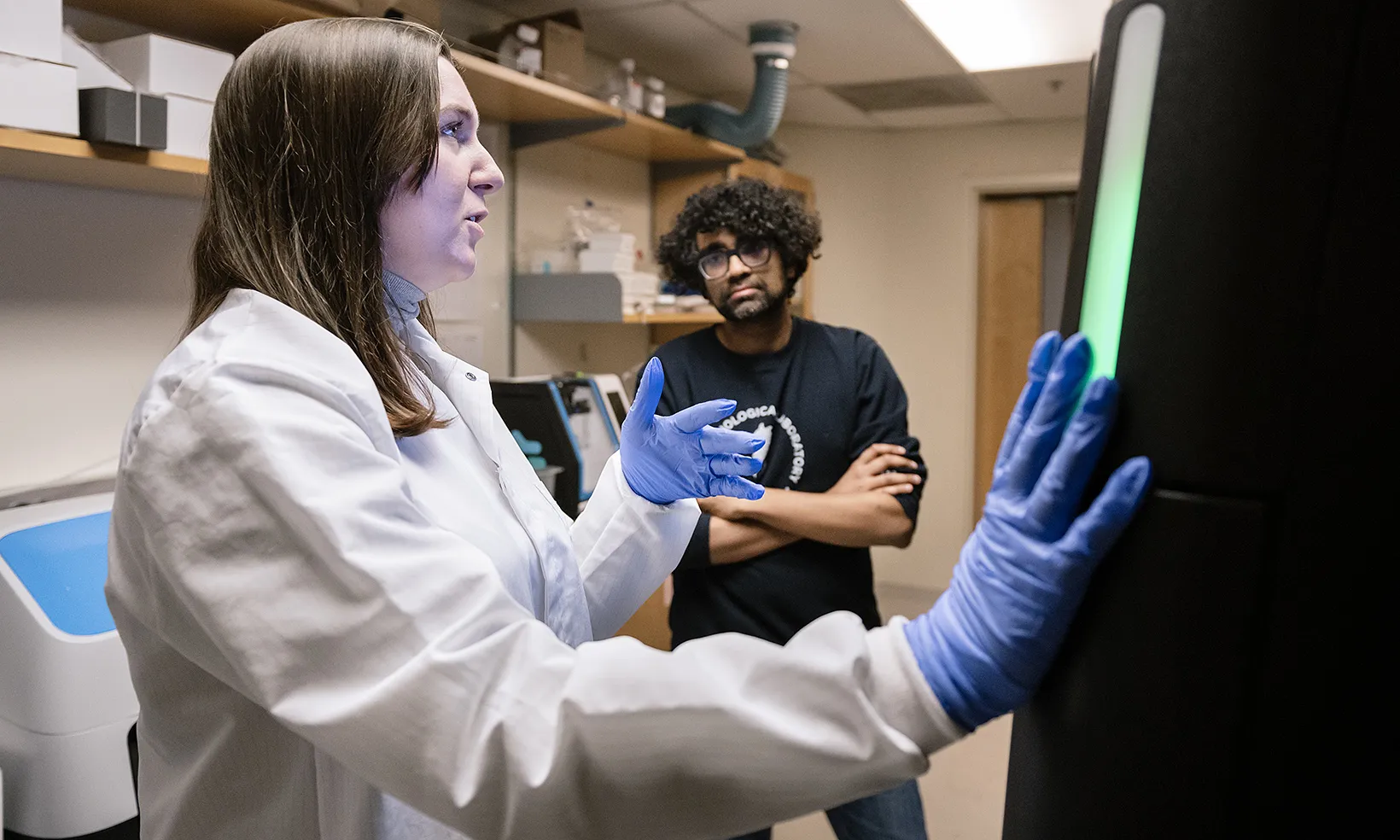
To fully reap the benefits of new technologies, scientists need innovative and sophisticated tools and computational methods to analyze data. In addition, technology developers and biomedical researchers need to partner closely so new technologies become integral to any research project, from inception to completion.
The Gladstone Institute of Data Science and Biotechnology was launched in 2018 in response to these changes in the biomedical research landscape. Its goal is to develop new technologies and platforms that enable researchers to extract useful knowledge from the massive data sets collected from modern experiments and decipher biological phenomena that cause disease.
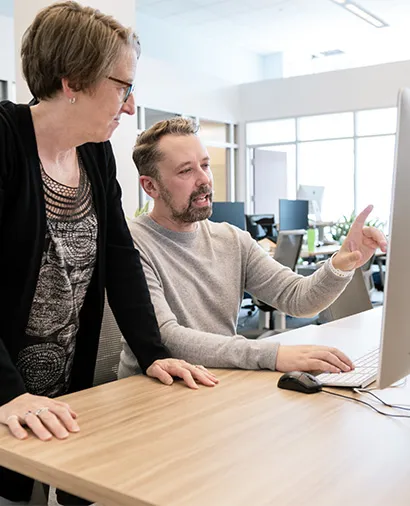
In keeping with Gladstone’s tradition of collaboration and innovation, the institute brings together technology creators, data scientists, and biologists to collaborate in unique ways. Its model allows technologists and computational biologists to partner with disease-oriented scientists from the inception of each study, and also encourages experimentalists to guide the development of the technologies they need.
Ultimately, the institute aims to create a central hub where mathematicians, engineers, and biologists together develop powerful solutions that help scientists gather and analyze data in-depth and, ultimately, find new ways to treat disease. The research technologies they create will not only propel groundbreaking science at Gladstone, but also accelerate the pace at which useful tools are made available to the entire research community.
FROM THE DIRECTOR
We are also maximizing opportunities for our emerging tools to accelerate biomedical research.
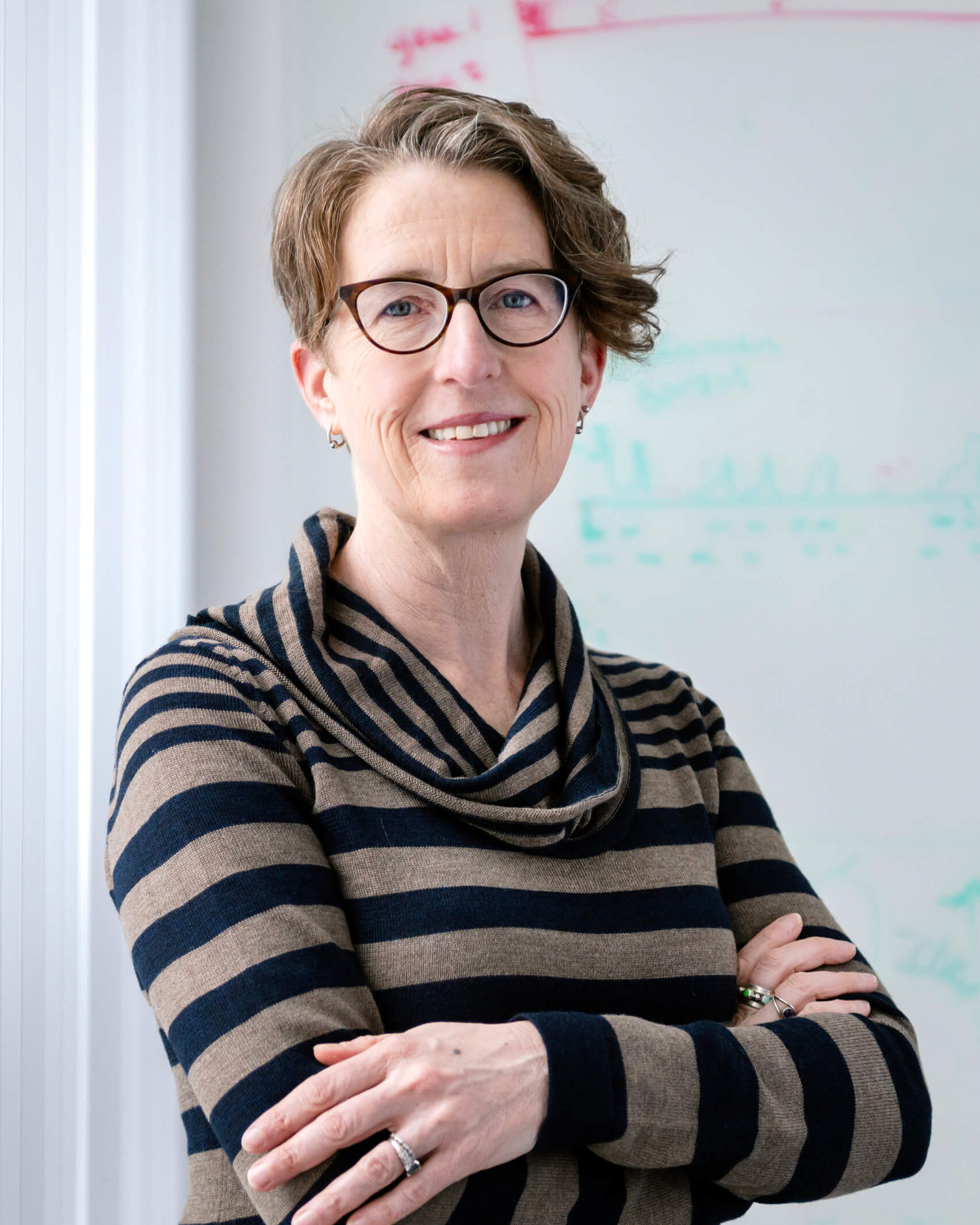
Katie Pollard, PhD
Director, Gladstone Institute of Data Science and Biotechnology
Researchers discovered human accelerated regions (HARs), stretches of DNA that make us uniquely human and differentiate us from our primate ancestors. The team subsequently found that the vast majority of HARs—96 percent—are not genes. Instead, most are gene enhancers, which act like a dimmer switch for a lightbulb, turning gene activity up or down. They also found that HARs are partly responsible for controlling neuron growth and may guide genes involved in brain development, as well as psychiatric diseases that are uniquely human, such as autism and schizophrenia.
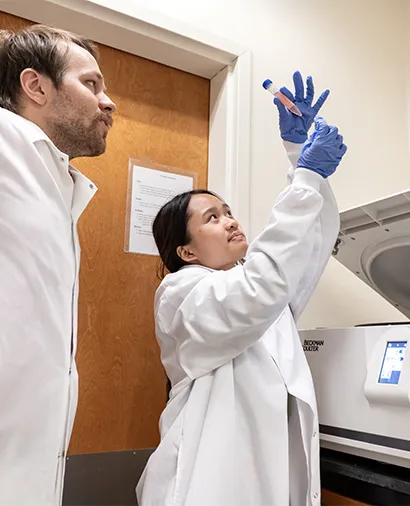
A team of Gladstone researchers perfected a technique called protein–protein interaction mapping that uses human cells in laboratory dishes to identify each point of contact between viral and human proteins. They then compared one virus’s map to another to find human proteins that are routinely targeted by several different viruses. The common human proteins—which could be considered the weak points of human biology—may be effective targets in treating many different viruses and other diseases. Thanks to this approach, they uncovered new potential approaches to combat tuberculosis infection, as well as the Ebola, Dengue, and Zika viruses, to name a few.
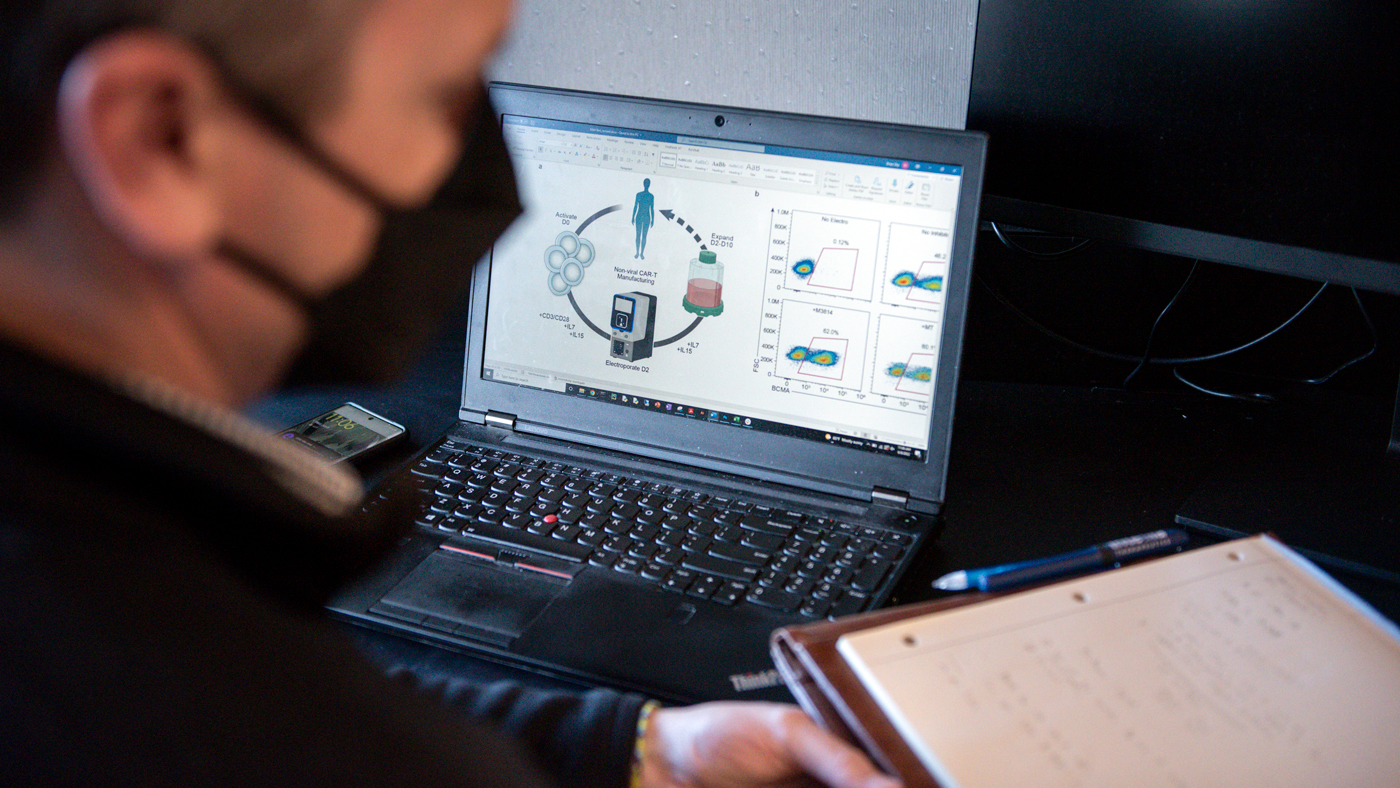
CRISPR is a tool that can remove, insert, or replace specific genes to make changes to DNA. The Cas9 protein is often used as the “scissors” that actually snip DNA in this gene-editing technique. A group of researchers redesigned the Cas9 protein, allowing scientists to keep it turned off in all cells except its designated target. This “on switch” enables users to activate CRISPR only in selected cells, making it an even more versatile and precise tool.
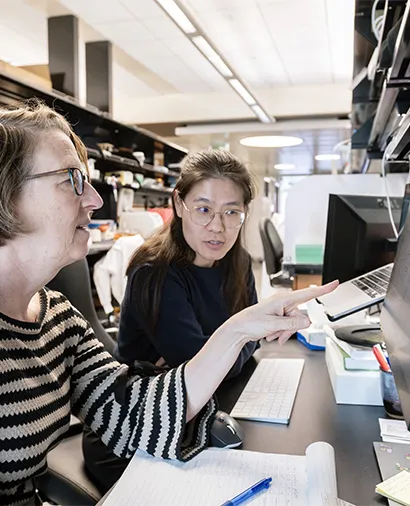
A group of researchers created new statistical models and bioinformatics tools to identify the genes and gene mutations that may be important to help microbes live successfully in the human gut. Their techniques could yield opportunities to predict if the microbiome will inactivate drugs given to a patient or prevent invasion of the gut by harmful pathogens like C. difficile. An important component of this work is developing open source software and web tools that allow other academics without the required in-house expertise to use these new computational techniques to analyze their own data.
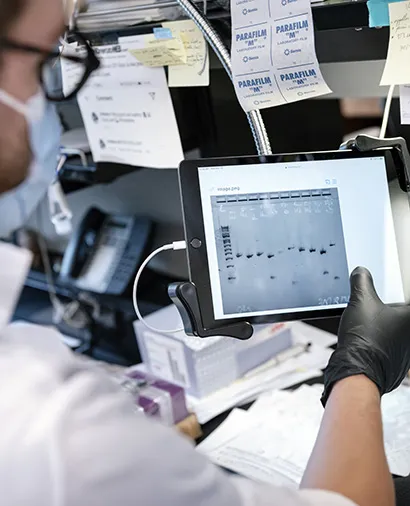
To understand how a cell changes during development or disease, it is important to measure the sequence of decisions it makes, but most laboratory techniques destroy cells when molecular measurements are made. A group of researchers used genome editing to create technology that enables scientists to observe dynamic processes unfolding in living cells by recording data into the cell’s own DNA.

Bruce Conklin, MD
Senior Investigator, Gladstone Institutes

Jennifer Doudna, PhD
Senior Investigator, Gladstone Institutes

Barbara Engelhardt, PhD
Senior Investigator, Gladstone Institutes

Magnus Hoffmann, PhD
Assistant Investigator, Gladstone Institutes

Nevan Krogan, PhD
Senior Investigator, Gladstone Institutes
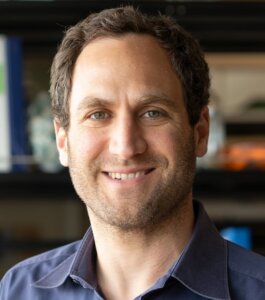
Alex Marson, MD, PhD
Connie and Bob Lurie Director, Gladstone-UCSF Institute of Genomic Immunology

Katie Pollard, PhD
L.K. Whittier Director, Gladstone Institute of Data Science and Biotechnology

Vijay Ramani, PhD
Associate Investigator, Gladstone Institutes
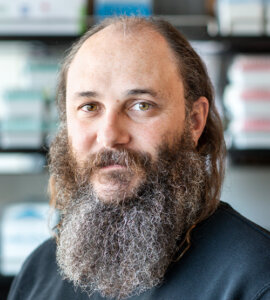
Seth Shipman, PhD
Associate Investigator, Gladstone Institutes

Catherine Tcheandjieu, DVM, PhD
Assistant Investigator, Gladstone Institutes

Christina Theodoris, MD, PhD
Assistant Investigator, Gladstone Institutes
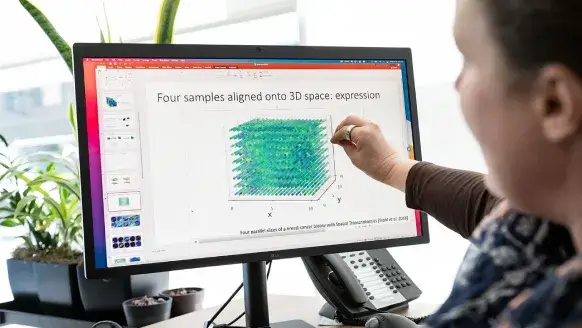
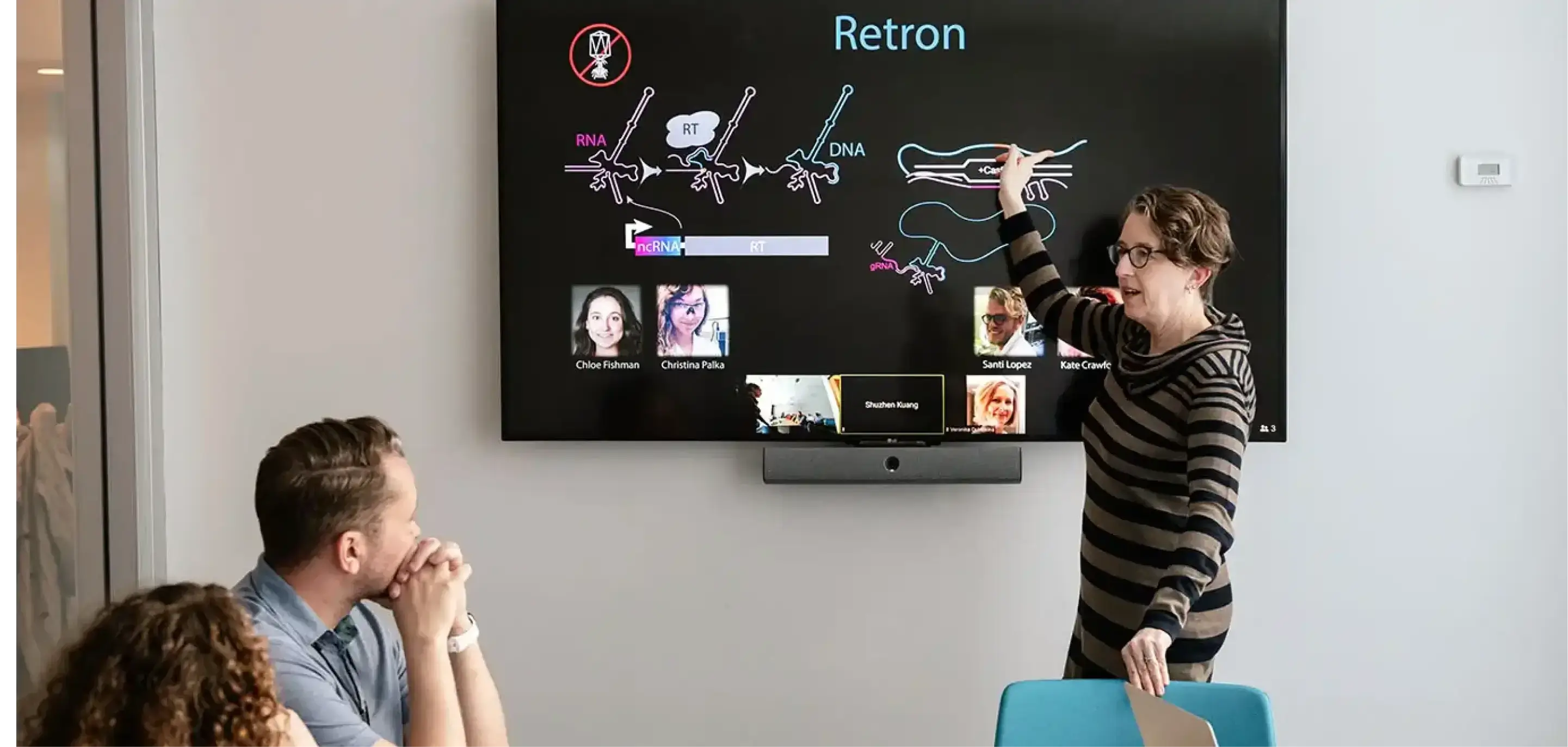
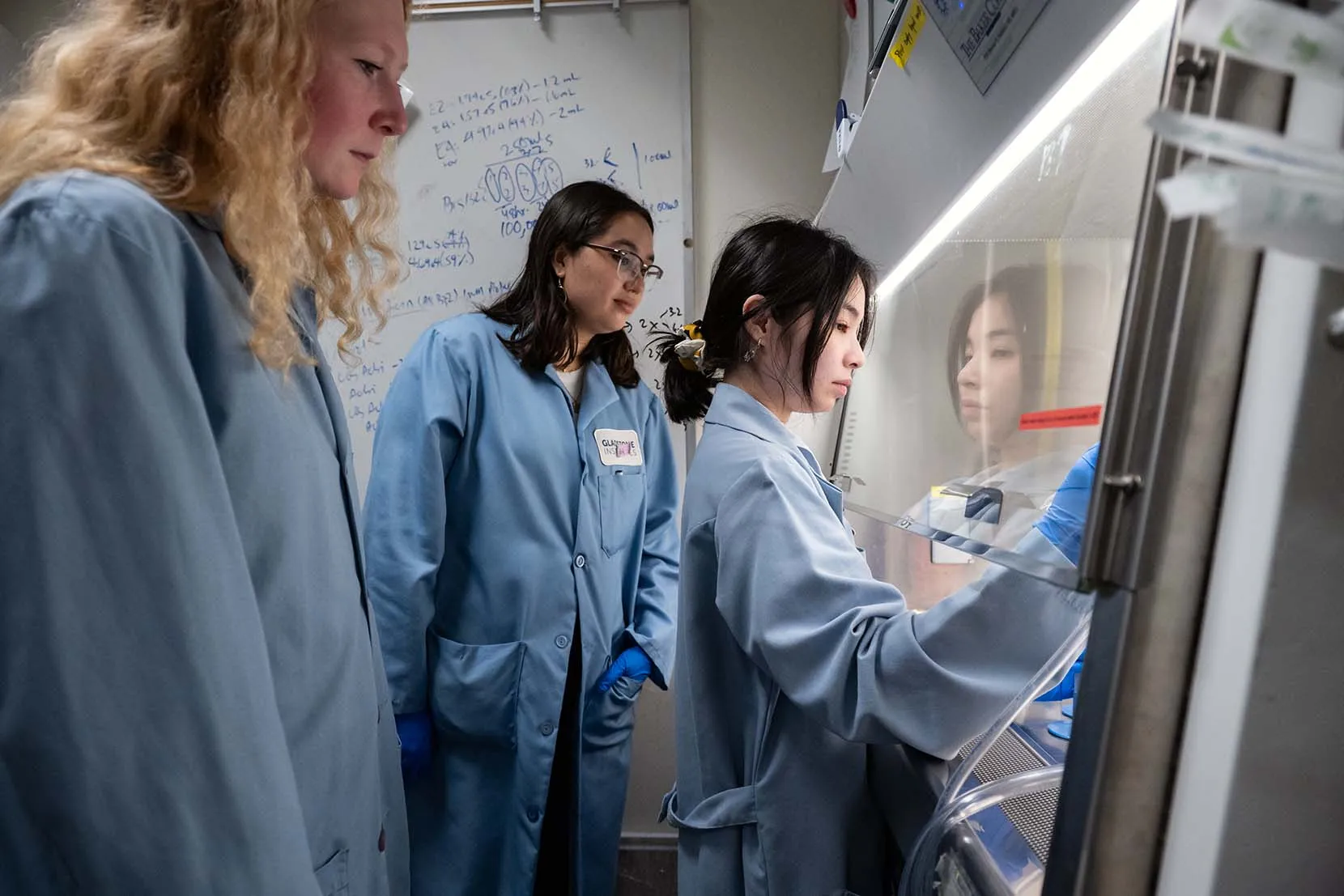
Our training program has been recognized as one of the best in the field. Explore how we’re building the future of AI and biotechnology research, one scientist at a time.

Katie Pollard, PhD
Director, Gladstone Institute of Data Science and Biotechnology
We believe in bringing together different types of scientists who are not typically co-located under one roof: research technology developers and quantitative methods experts, including those developing artificial intelligence approaches in the life sciences. This union enables us to measure and manipulate biological systems with unprecedented sensitivity, while not drowning in the deluge of data or leaving biomedically useful knowledge on the table.
We are also maximizing opportunities for our emerging tools to accelerate biomedical research.
By doing so, we are leveraging—and building upon—Gladstone’s strength in developing experimental technology and computational tools while deeply integrating across our disease-focused research areas. By creating this technology hub in Mission Bay, we are also maximizing opportunities for our emerging tools to accelerate biomedical research.
FROM THE DIRECTOR
We are maximizing opportunities for our emerging tools to accelerate biomedical research.
Katie Pollard, PhD
Director, Gladstone Institute of Data Science and Biotechnology
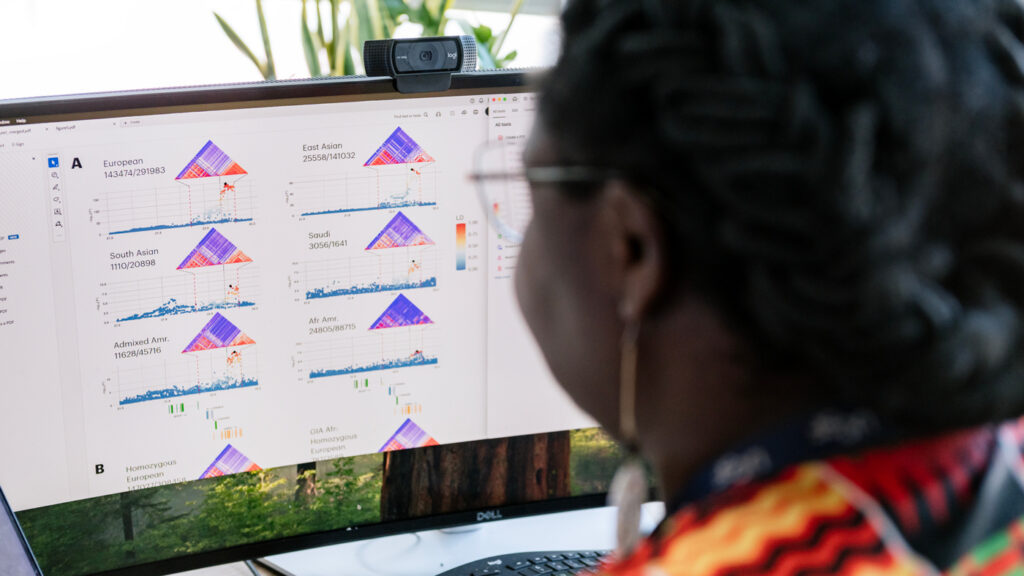
For decades, a DNA-based test for cardiovascular disease seemed to work for Europeans and others but not Africans. Gladstone scientists just discovered why, with implications for many other diseases.

Scientific American recognizes Theodoris for her pioneering work developing artificial intelligence models to find treatments for an array of diseases.
The center, funded by an NIH grant, will become one of three national centers dedicated to accelerating the development of phage therapy.
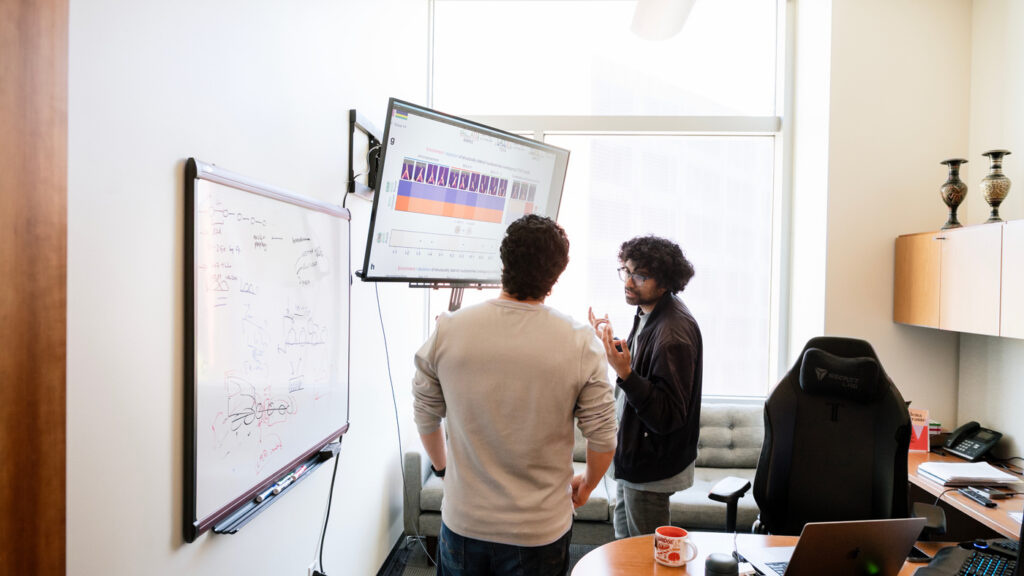
A new study upends long-held view about how DNA is stored, explaining how subtle shifts in gene activity contribute to cancer, aging, and other complex diseases.
Our people are our most important asset. We offer a wide array of career opportunities both in our administrative offices and in our labs.
Open PositionsDiscoveries don’t stay in our labs. Gladstone facilitates spinout companies to advance promising therapies, shortening the path between scientific discovery and helping real patients.
Learn MoreYour gift to Gladstone will allow our researchers to pursue high-quality science, focus on disease, and train the next generation of scientific thought leaders.
Donate Now