Visualizing Stem Cell Technology: An Animated Explainer
Imagine taking a teaspoon of blood or a small skin sample—and turning those cells back in time. In this short animated explainer, Gladstone President Deepak Srivastava, MD, walks through the groundbreaking science of cellular reprogramming, where just four proteins can transform adult cells into induced pluripotent stem (iPS) cells which are capable of becoming any cell type in the body.
These reprogrammed cells not only hold the potential to repair damaged tissues and treat disease, but also allow scientists to study genetic conditions in a dish—uncovering why cells malfunction and how new or existing drugs might fix them.
Up Next

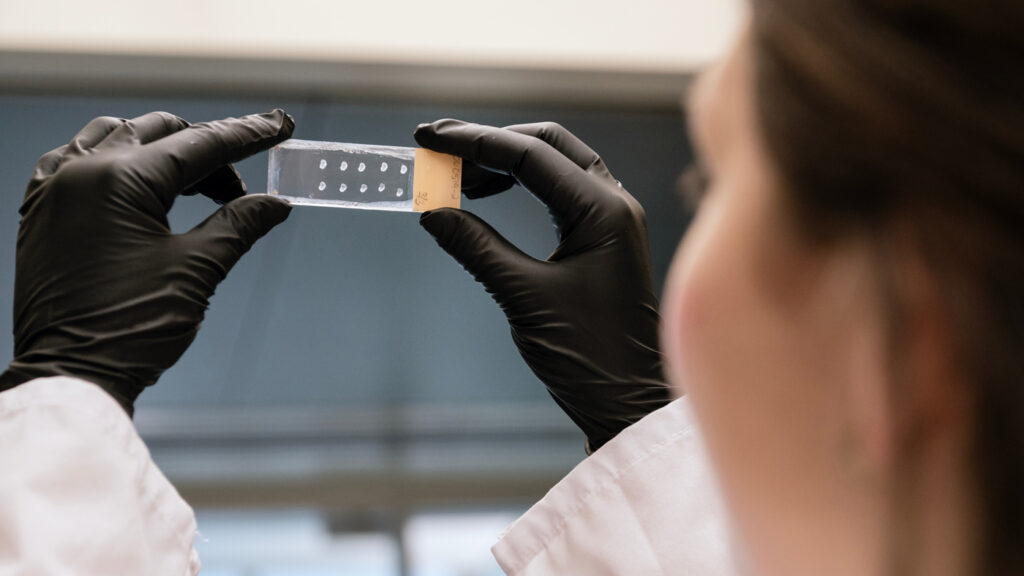
Engineered Human Neurons Rebuild Damaged Spinal Cord Circuits
Gladstone scientists show that stem cell-derived spinal neurons can integrate into damaged neural networks in rats and improve breathing-related motor function after a traumatic spinal cord injury.
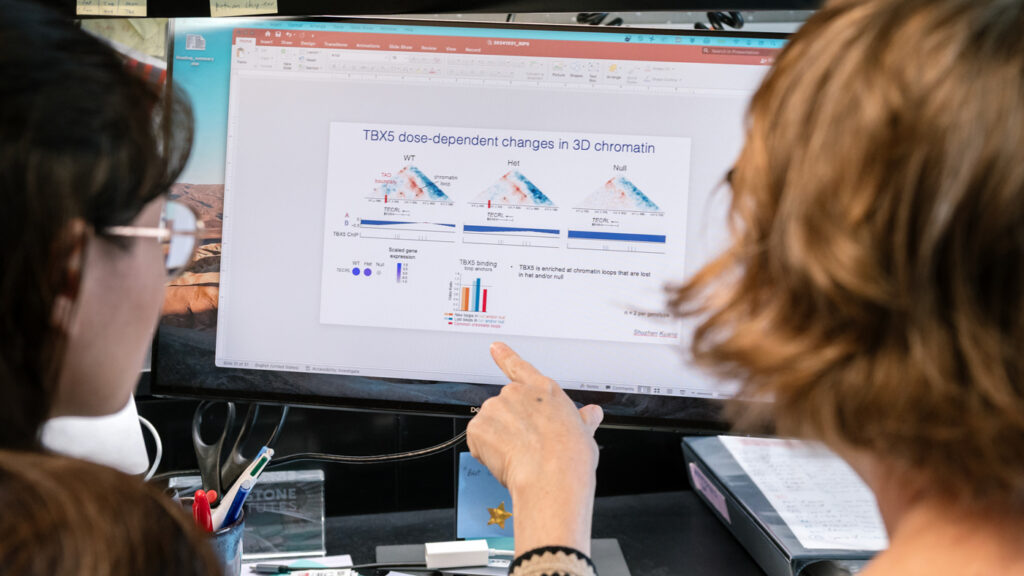
Misfolded DNA Blueprint: A New Origin for Genetic Disease
Gladstone researchers found losing just one copy a particular gene can disrupt heart development and lead to congenital heart disease.
A Gene That Keeps Stem Cells From Losing Their Way
Scientists find a gene essential for keeping intestinal stem cells stable, offering insight into how tissues repair themselves.
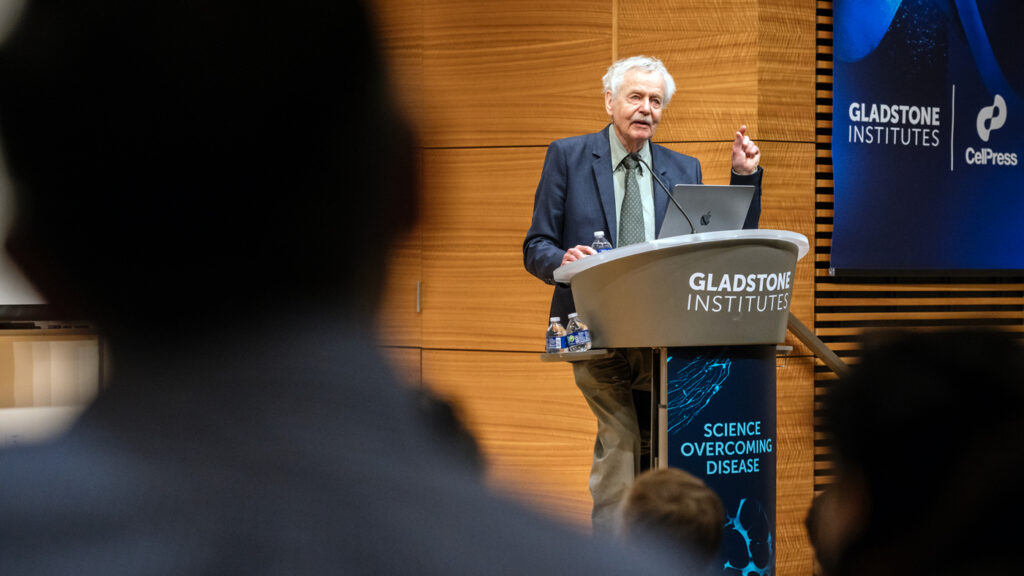
A Sculptor of Modern Regenerative Medicine
Among his myriad accomplishments, Rudolf Jaenisch—winner of the 2025 Ogawa-Yamanaka Stem Cell Prize—was the first to demonstrate the potential of induced pluripotent stem cells to treat disease.

Get Involved
Join the Team
Our people are our most important asset. We offer a wide array of career opportunities both in our administrative offices and in our labs.
Open PositionsPartner With Us
Discoveries don’t stay in our labs. Gladstone facilitates spinout companies to advance promising therapies, shortening the path between scientific discovery and helping real patients.
Learn MoreGive
Your gift to Gladstone will allow our researchers to pursue high-quality science, focus on disease, and train the next generation of scientific thought leaders.
Donate Now