The 2026 Ogawa-Yamanaka Stem Cell Prize Awarded to Jun Takahashi
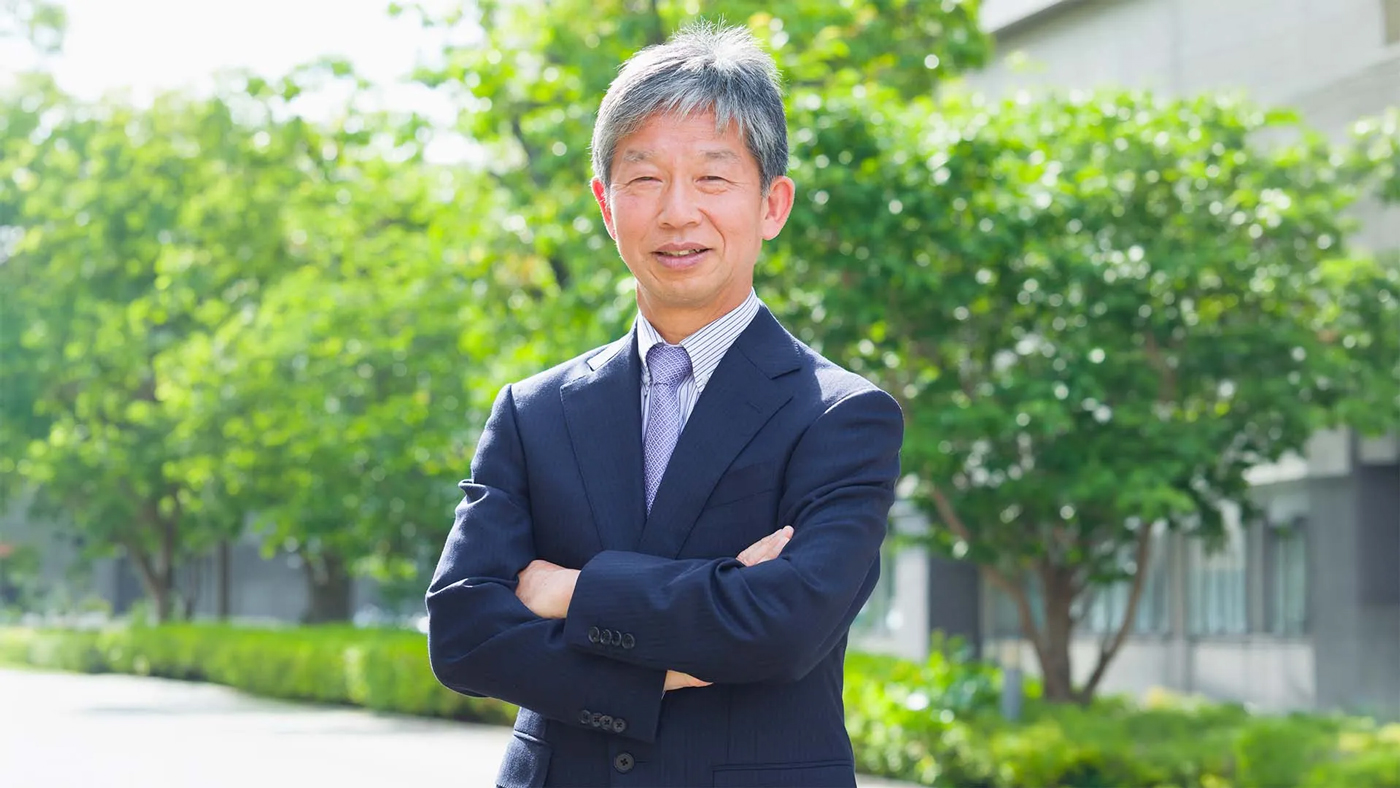
Jun Takahashi, MD, PhD, has been awarded the 2026 Ogawa-Yamanaka Stem Cell Prize by Gladstone Institutes. He was selected for pioneering the translation of induced pluripotent stem (iPS) cell biology into regenerative therapies for Parkinson’s disease, culminating in the world’s first clinical approval for iPS cell-derived cell transplantation.
A founding member of the Center for iPS Cell Research and Application (CiRA) at Kyoto University in Japan, where he’s also a professor, Takahashi has played a leading role in translating regenerative medicine from the lab to the clinic.
In 2018, his team initiated the first clinical trial of an iPS cell-derived therapy for Parkinson’s disease. The work ultimately led to conditional and time-limited regulatory approval in Japan this year, resulting in the first iPS cell-derived therapeutic product anywhere in the world.
“Dr. Takahashi has accomplished something most scientists dream of—he carried an idea from the lab through the many scientific and clinical milestones required to make a real impact on patients,” says Gladstone President Deepak Srivastava, MD, chair of the prize’s selection committee and director of the Roddenberry Stem Cell Center at Gladstone. “His work demonstrates the extraordinary potential of iPS cell technology as a foundation for new treatments.”
iPS cells are derived from ordinary adult cells, such as skin or blood cells, and reprogrammed by scientists to act like embryonic stem cells. In their immature, flexible state, the reprogrammed cells can then be developed into almost any human cell type, including brain, heart, and liver cells.
I hope our experience in developing an iPS cell-based therapy for Parkinson’s will open the way for regenerative medicine to reach more patients with neurological and other diseases.
In addition to achievements in Parkinson’s disease, Takahashi has helped establish a practical framework for bringing iPS cell-derived therapies into clinical use for many other conditions in need of better treatment options.
“This recognition is a great honor, especially because the work has been built on Shinya Yamanaka’s remarkable discovery of iPS cells,” Takahashi says. “I hope our experience in developing an iPS cell-based therapy for Parkinson’s will open the way for regenerative medicine to reach more patients with neurological and other diseases.”
The Ogawa-Yamanaka Stem Cell Prize, established in 2015 by a generous gift from the Hiro and Betty Ogawa family, honors scientists conducting groundbreaking work in translational regenerative medicine using reprogrammed cells.
Supported by Gladstone and Cell Press, the prize is also named in honor of Gladstone Senior Investigator Shinya Yamanaka, MD, PhD. Yamanaka received a Nobel Prize in 2012 for his discovery of iPS cell technology, which has opened the door to innovative medicines and biological discoveries.
An independent committee of international stem cell experts selected Takahashi from a competitive pool of nominees. As the 2026 recipient, he will receive an unrestricted prize of $150,000. Gladstone will host a ceremony on Nov. 19, in San Francisco, where Takahashi will deliver a scientific lecture and be presented with the award.
Up Next
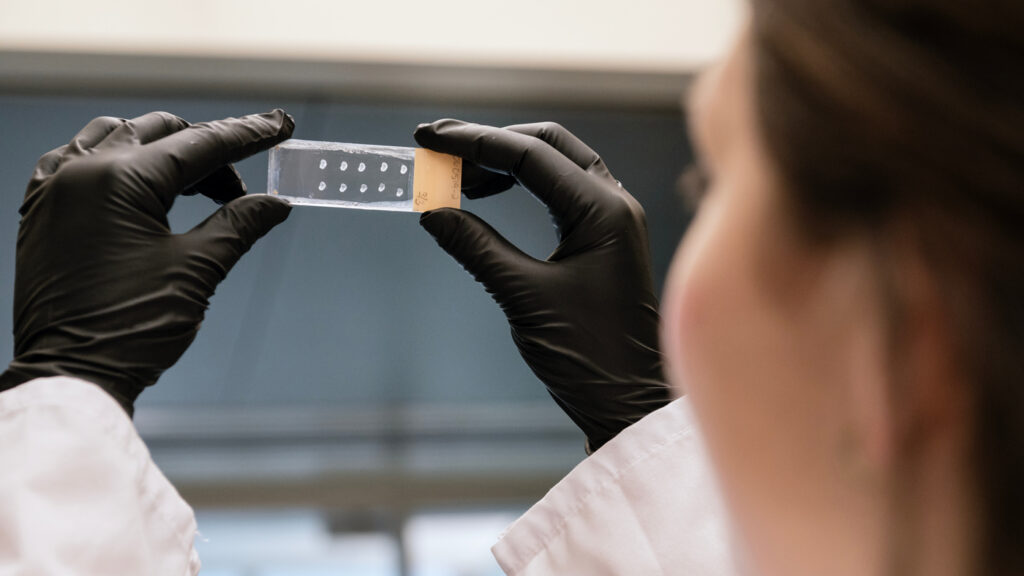
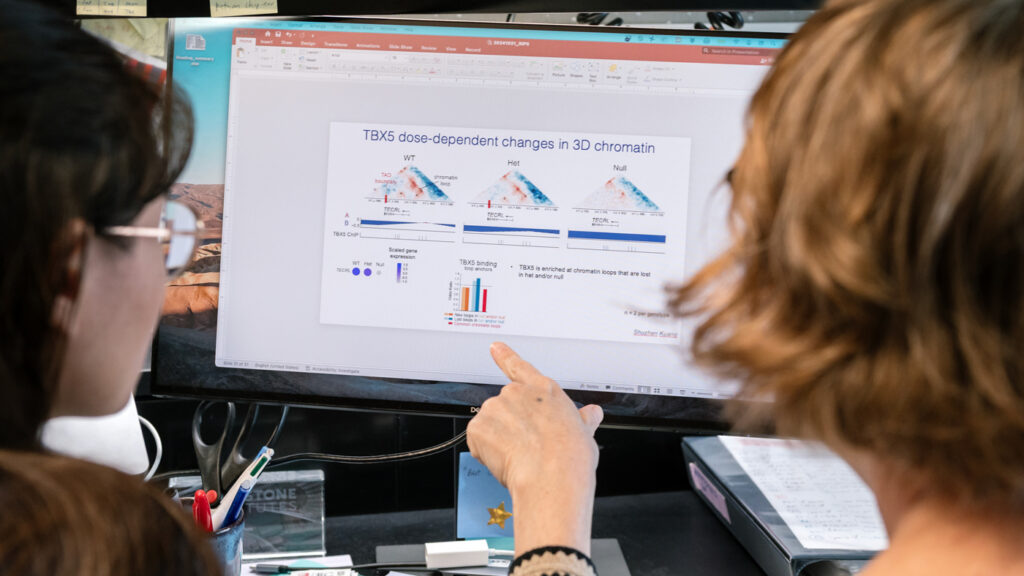
Misfolded DNA Blueprint: A New Origin for Genetic Disease
Gladstone researchers found losing just one copy a particular gene can disrupt heart development and lead to congenital heart disease.
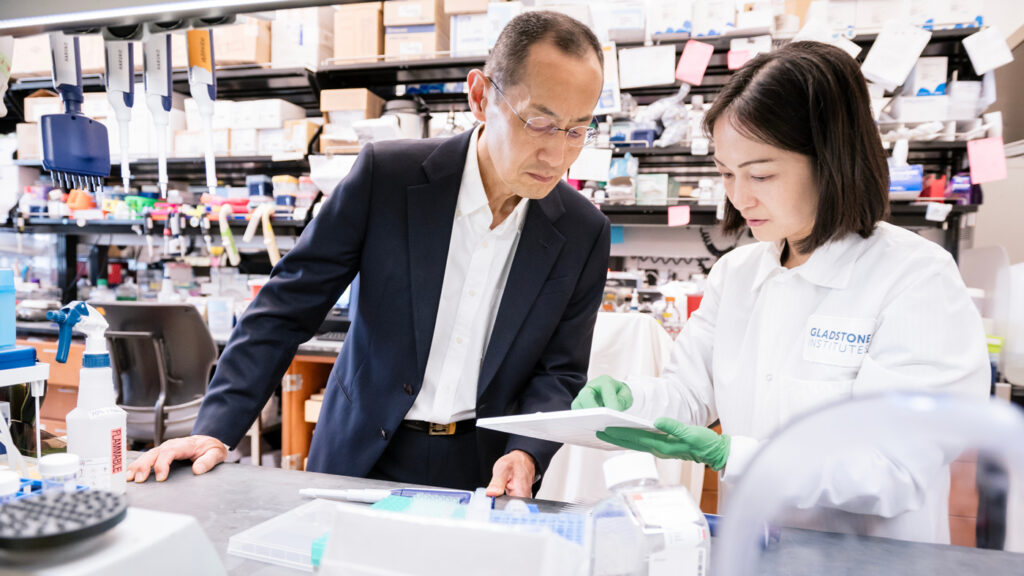
A Gene That Keeps Stem Cells From Losing Their Way
Scientists find a gene essential for keeping intestinal stem cells stable, offering insight into how tissues repair themselves.
A Sculptor of Modern Regenerative Medicine
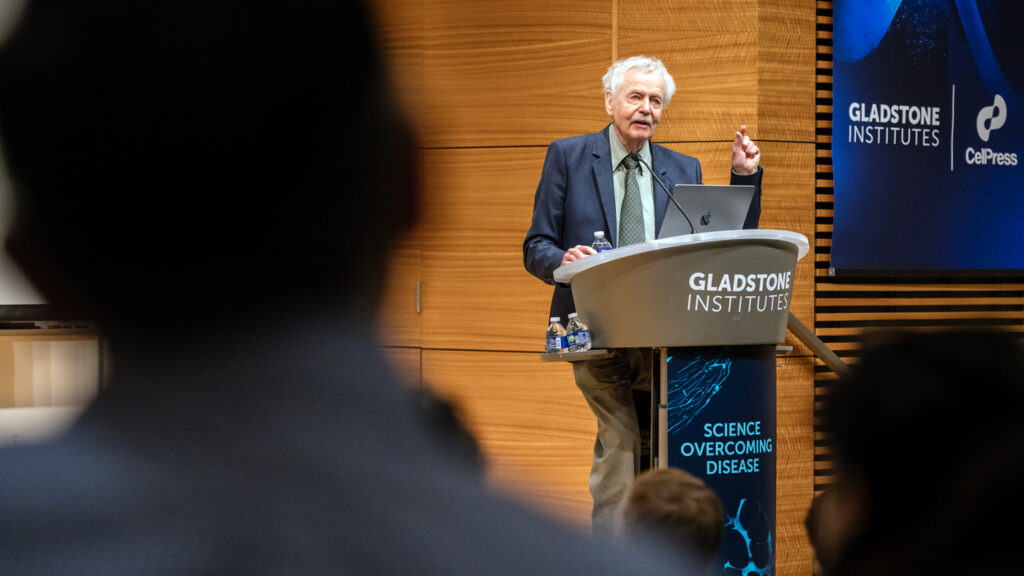
Among his myriad accomplishments, Rudolf Jaenisch—winner of the 2025 Ogawa-Yamanaka Stem Cell Prize—was the first to demonstrate the potential of induced pluripotent stem cells to treat disease.
Deepak Srivastava Selected to Deliver American Heart Association’s Distinguished Scientist Lecture
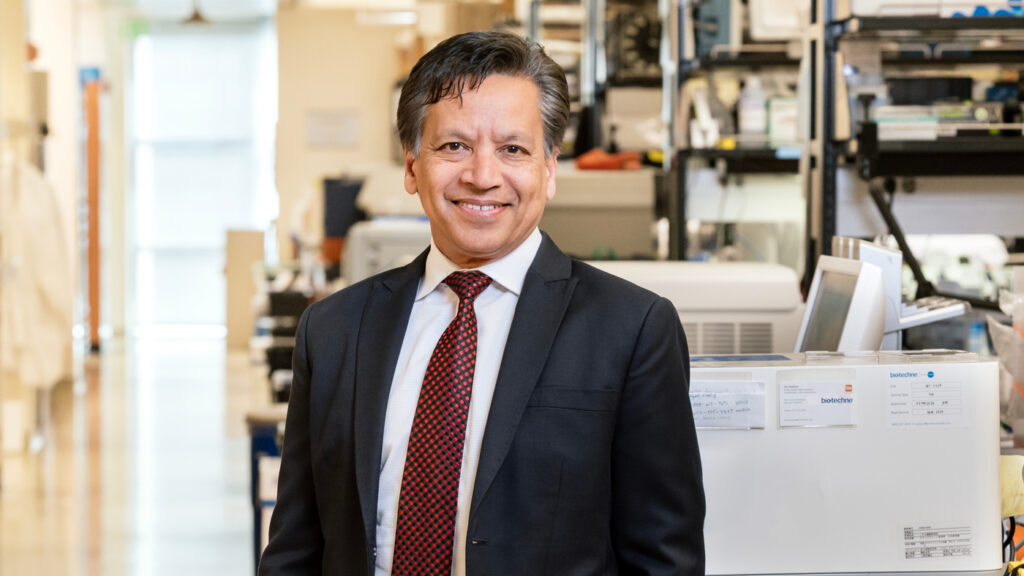
Srivastava will present at the American Heart Association’s Scientific Sessions 2025 in New Orleans; the lectureship is a major recognition of excellence by the association.

Get Involved
Join the Team
Our people are our most important asset. We offer a wide array of career opportunities both in our administrative offices and in our labs.
Open PositionsPartner With Us
Discoveries don’t stay in our labs. Gladstone facilitates spinout companies to advance promising therapies, shortening the path between scientific discovery and helping real patients.
Learn MoreGive
Your gift to Gladstone will allow our researchers to pursue high-quality science, focus on disease, and train the next generation of scientific thought leaders.
Donate Now