Science in Seconds | Researchers Discover New Bacterial Immune Systems
Scientists at Gladstone Institutes are developing new technologies for genome editing, which can correct mutations that cause disease. To build these technologies, they use parts from bacteria, including bacterial immune systems called retrons.
Seth Shipman and his team recently identified seven new retrons from environmental bacteria by sampling soil and water in nature. Their findings were published in the journal PLOS Biology.
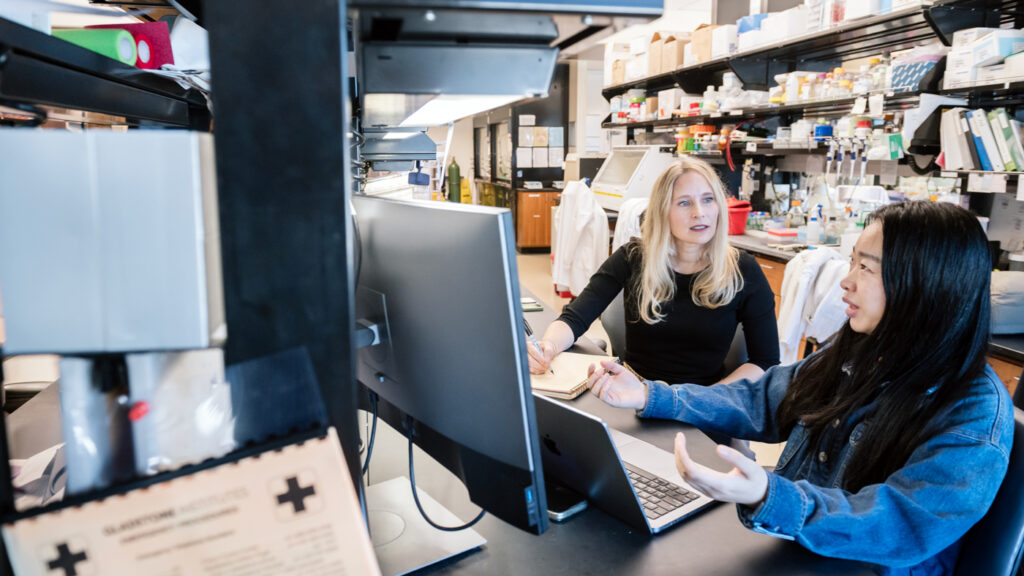
In this video, the researchers explain how they co-opt the retrons’ ability to produce DNA inside cells and combine it with the CRISPR system to create better tools for genome editing, which can one day be used as therapeutics for a range of diseases.
Up Next
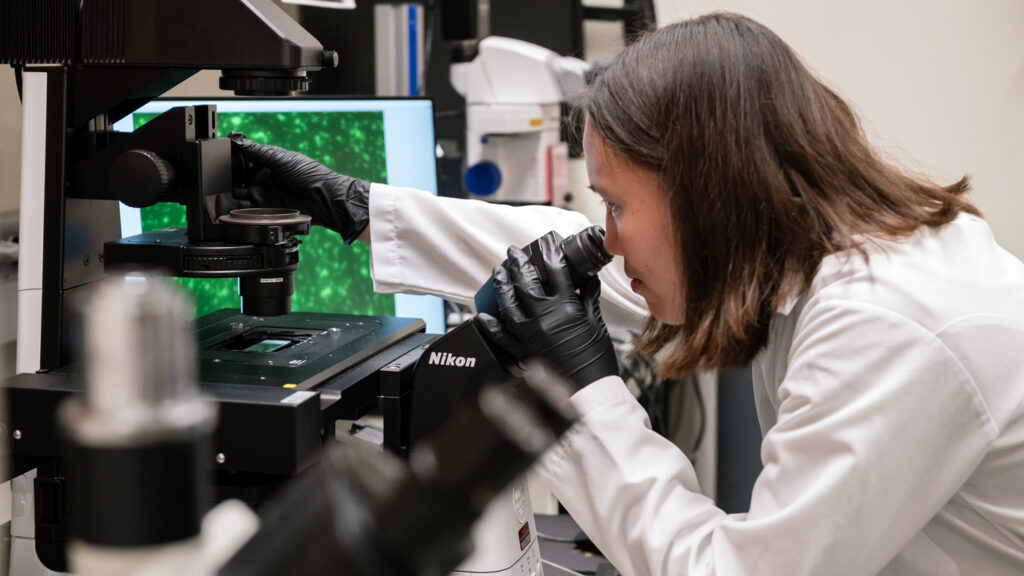
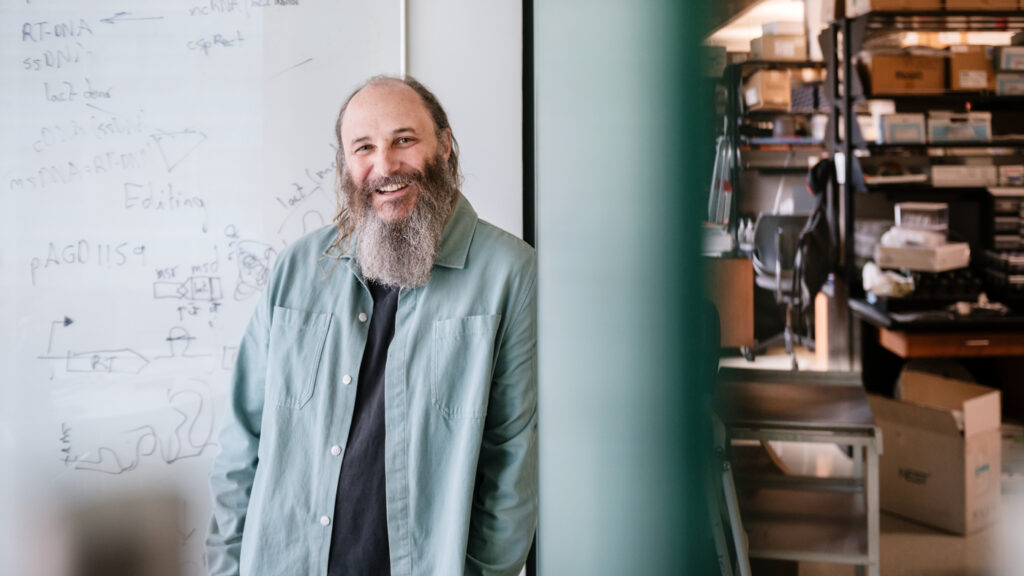
Gladstone’s Seth Shipman Named Fellow of the California Academy of Sciences
Shipman is recognized for pioneering molecular technologies that record cellular activity, expand genome editing, and target antibiotic-resistant superbugs.
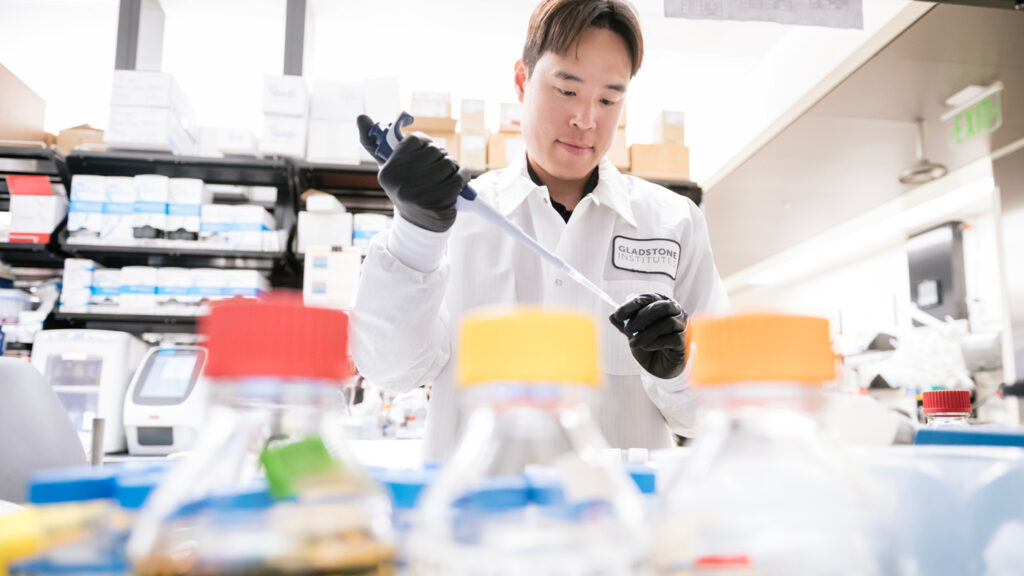
Novel Biosensor Uses DNA ‘Barcodes’ to Uncover Disease Signals in Cells
Inspired by bacterial biology, the Gladstone-developed “Detectron” opens up new possibilities for disease research and potentially treatments.
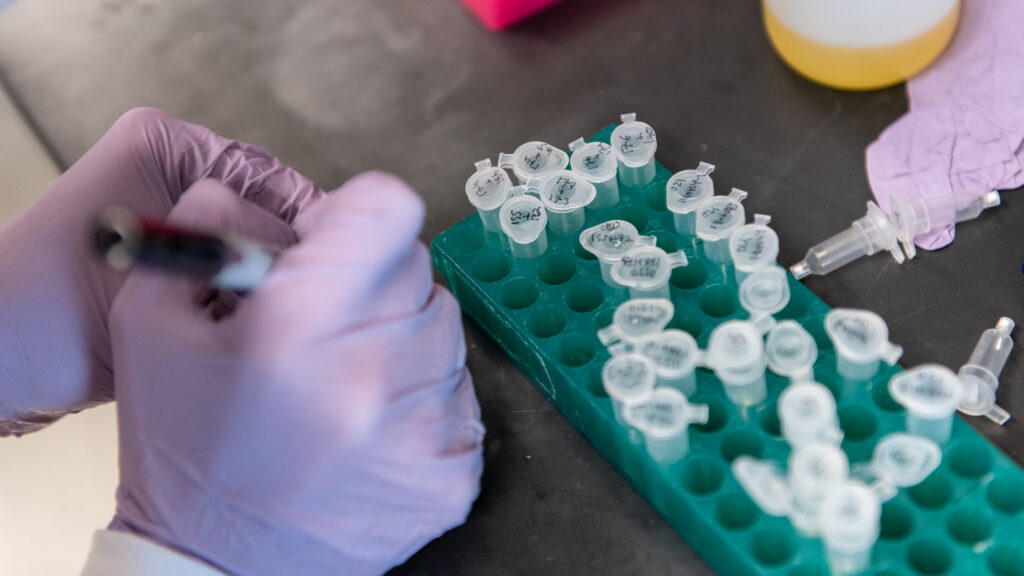
New Toolkit Turns Macrophages Into Better Cancer Fighters
Gladstone and UCSF scientists developed a method to genetically edit myeloid cells, immune cells that act as the body’s first responders.
New CRISPR Screening Platform Boosts Power of Immunotherapy Against Solid Tumors
A new screening platform uncovers gene edits that enhance CAR-T cells’ ability to infiltrate and eliminate solid tumors.

Get Involved
Join the Team
Our people are our most important asset. We offer a wide array of career opportunities both in our administrative offices and in our labs.
Open PositionsPartner With Us
Discoveries don’t stay in our labs. Gladstone facilitates spinout companies to advance promising therapies, shortening the path between scientific discovery and helping real patients.
Learn MoreGive
Your gift to Gladstone will allow our researchers to pursue high-quality science, focus on disease, and train the next generation of scientific thought leaders.
Donate Now