Gladstone NOW: The Campaign Join Us on the Journey✕




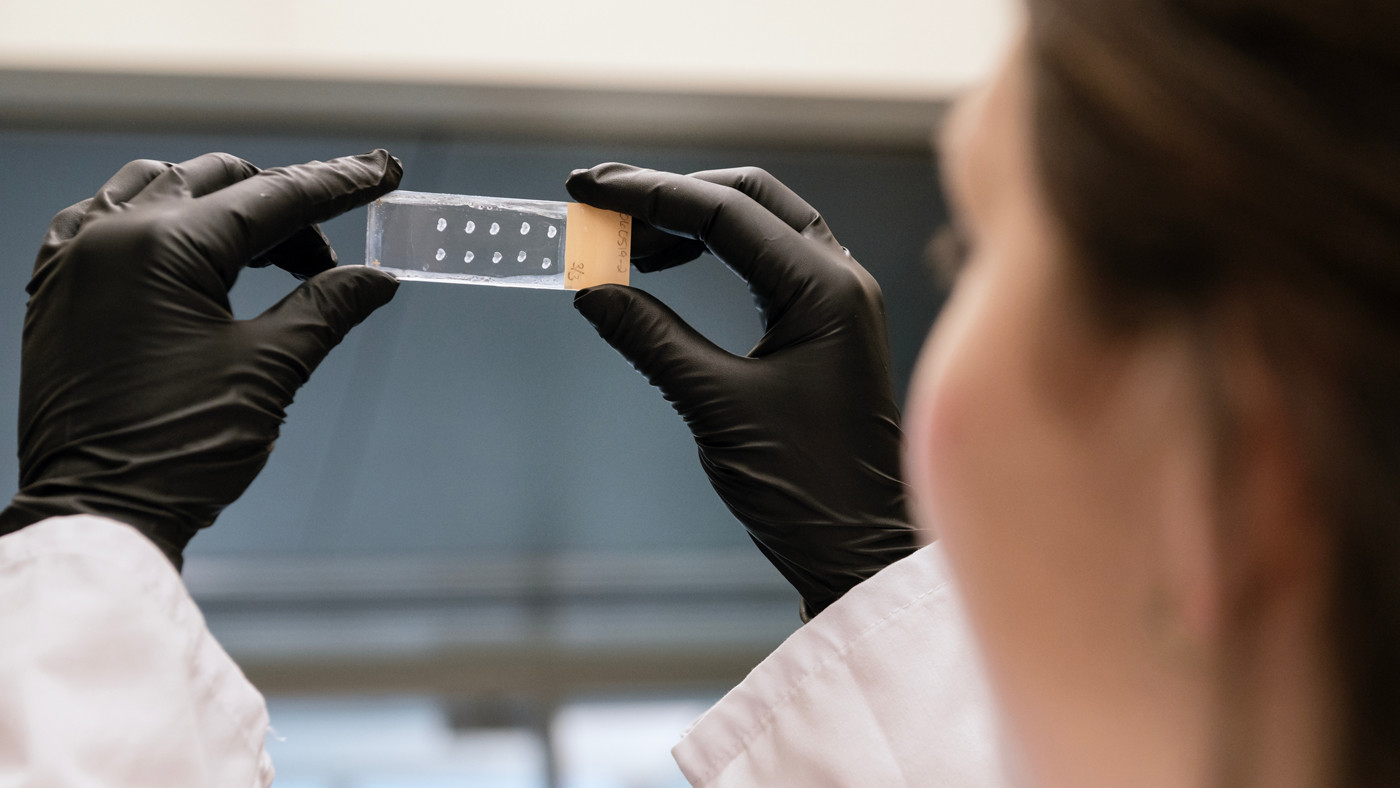
In a new study published in Science Translational Medicine, Gladstone scientists show that stem cell-derived spinal neurons can integrate into damaged neural networks in rats and improve breathing-related motor function after a traumatic spinal cord injury.
Listen to this article
Spinal cord injuries affect an estimated 15 to 20 million people worldwide, often causing lasting impairments in movement, sensation, and independence. Such injuries can be especially devastating when they occur at the level of the neck, where damaged spinal circuits disrupt signals that control the diaphragm, the main muscle used for breathing.
Despite advances in emergency care and rehabilitation, no approved therapies exist to rebuild the neurons and connections lost after a spinal cord injury. But new research from scientists at Gladstone Institutes offers hope for a regenerative treatment in the future.
The study, published in Science Translational Medicine, shows that human stem cell–derived spinal interneurons—cells that are critical for breathing and movement—can survive after being transplanted in injured rats, connect with the animals’ own neural circuits, and improve breathing-related motor function.
“Spinal cord injuries have long been considered difficult to repair because the body does not naturally rebuild the neural connections that are lost,” says Lana Zholudeva, PhD, a Gladstone investigator and first author of the new study. “This study demonstrates that a specific type of human spinal interneuron can be engineered from stem cells and transplanted into an injured spinal cord, where the cells not only survive, but form new pathways to repair damaged networks.”
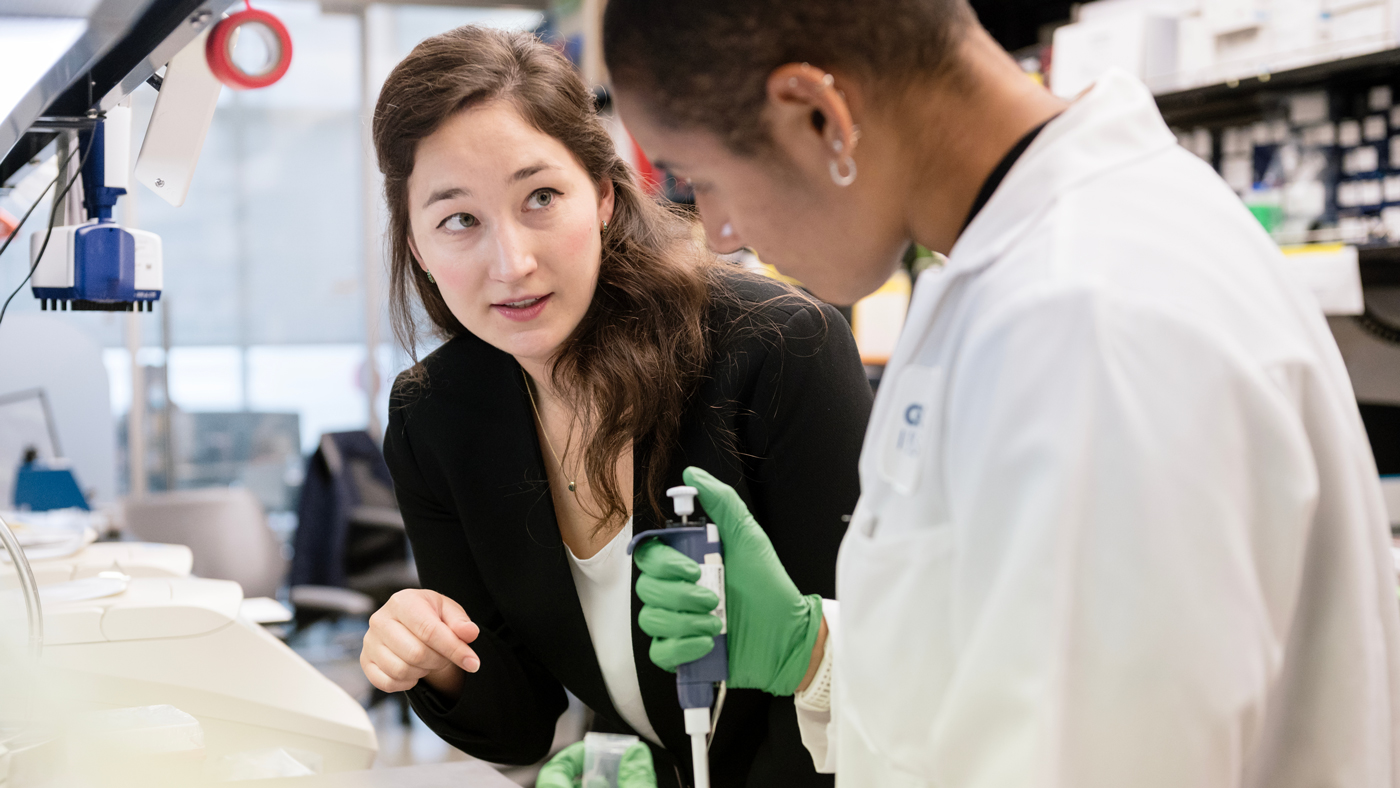
Zholudeva and her Gladstone colleagues created transplantable human interneurons optimized for repairing injured spinal circuits.
Turning Stem Cells Into Neurons
The spinal cord contains many different types of interconnected neurons, or “interneurons.” Like biological jumper cables, these cells can help link neurons that need to communicate across a circuit. Gladstone’s team focused on a subtype called “V2a interneurons,” which are relay cells involved in controlling movement.
Previous work by Zholudeva’s team and others around the world found that these cells are implicated in recovery after traumatic spinal cord injury, including in circuits involved in breathing and walking.
To test whether transplanting new V2a interneurons might help the spinal cord heal from injury, Zholudeva’s team first developed methods to create the cells in the lab, building on nearly a decade of work creating stem cell–derived spinal interneurons for spinal cord repair.
The approach began through collaborations between Zholudeva, Michael Lane, PhD, Shelly Sakiyama-Elbert, PhD, and former Gladstone scientist Todd McDevitt, PhD, initially using mouse embryonic stem cells to generate defined spinal neuron populations. It has since evolved toward clinically relevant human induced pluripotent stem cell–derived therapies.
At Gladstone, Zholudeva and colleagues further refined these methods to create transplantable human V2a interneurons optimized for the repair of injured spinal circuits.
“It took about a year and a half of trial and error to get the recipe right to make this particular neuron out of stem cells, but it really paid off,” says Gladstone President and Senior Investigator Deepak Srivastava, MD, senior author of the new study.
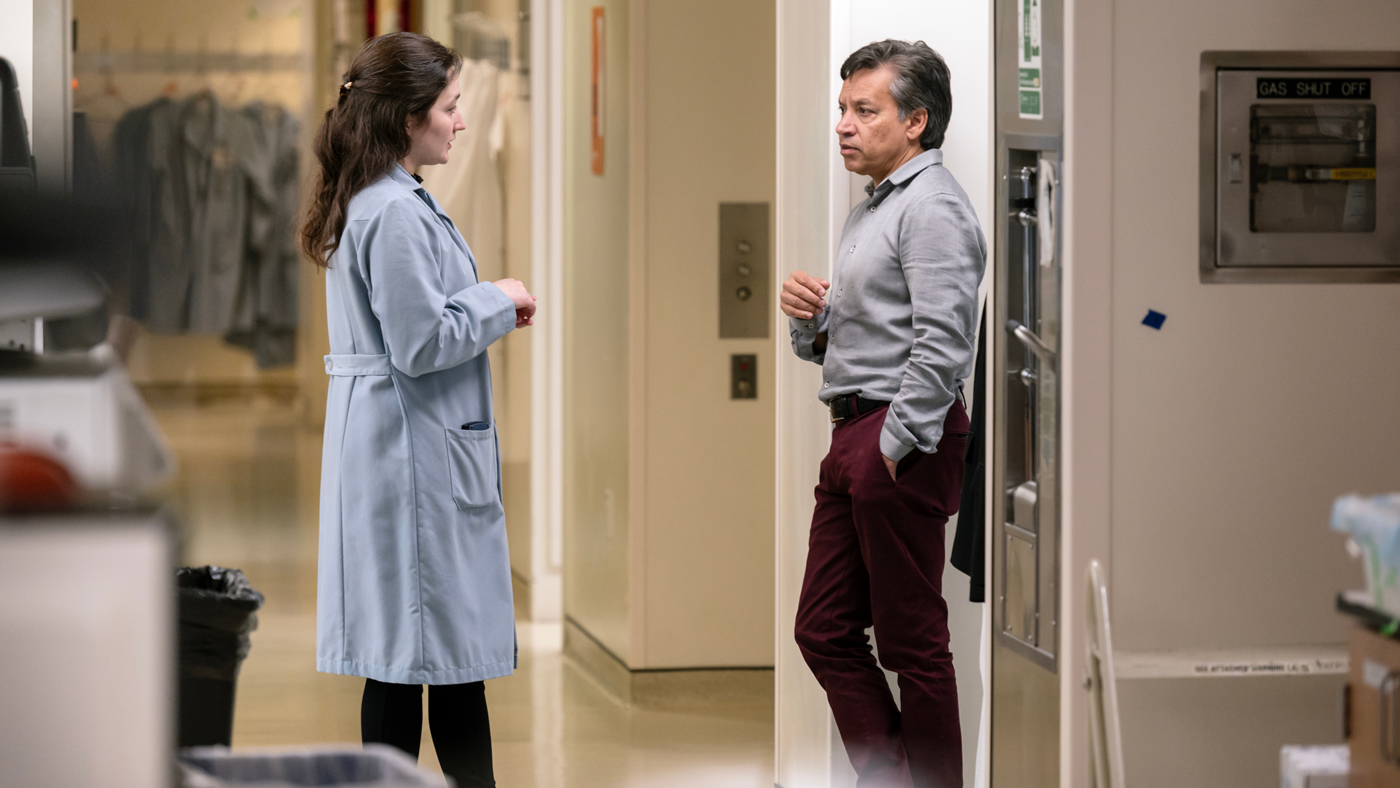
Gladstone's Zholudeva (left) and Srivastava (right) want to advance their discovery so it could one day benefit patients with spinal cord injuries.
The researchers also made sure the final cells could be frozen in vials and then later thawed for use, a key factor that could ultimately allow the cell therapy to be usable in a human clinical trial.
A New Way To Repair Spinal Cord Damage
Zholudeva and her colleagues transplanted the human spinal interneurons into adult rats one week after an injury to the cervical spinal cord. Injuries in this region of the neck are among the most common forms of spinal cord injury in people and often disrupt the neural circuits that control breathing.
“Breathing is evolutionarily conserved across many species, very well-defined anatomically and functionally, and directly relevant to people living with high-level spinal cord injury,” Zholudeva says. “It was the ideal circuit to serve as a test bed for evaluating the therapeutic potential of our transplantation approach.”
Two months after transplantation, the new cells not only survived the hostile environment of the injury site, but formed connections with nearby cells in the spinal cord. When the researchers activated the transplant site, they saw increased activity in the diaphragm. Separately, they activated the rats’ own brainstem neurons, which run from the brain to the spinal cord, and found that the transplanted cells switched on in response.
Under normal conditions, the difference in the animals’ breathing was subtle. However, when the animals were challenged with low oxygen or high carbon dioxide—conditions that force the diaphragm to work harder—most of the injured, untreated rats showed signs of respiratory failure. But three-quarters of the rats that received the new V2a interneurons passed the challenges without difficulty.
“That’s the difference between an injured person who gets a cold and ends up back on a ventilator, versus someone with enough function to handle that challenge,” Zholudeva says. “The transplanted cells seem to be providing that additional capacity.”
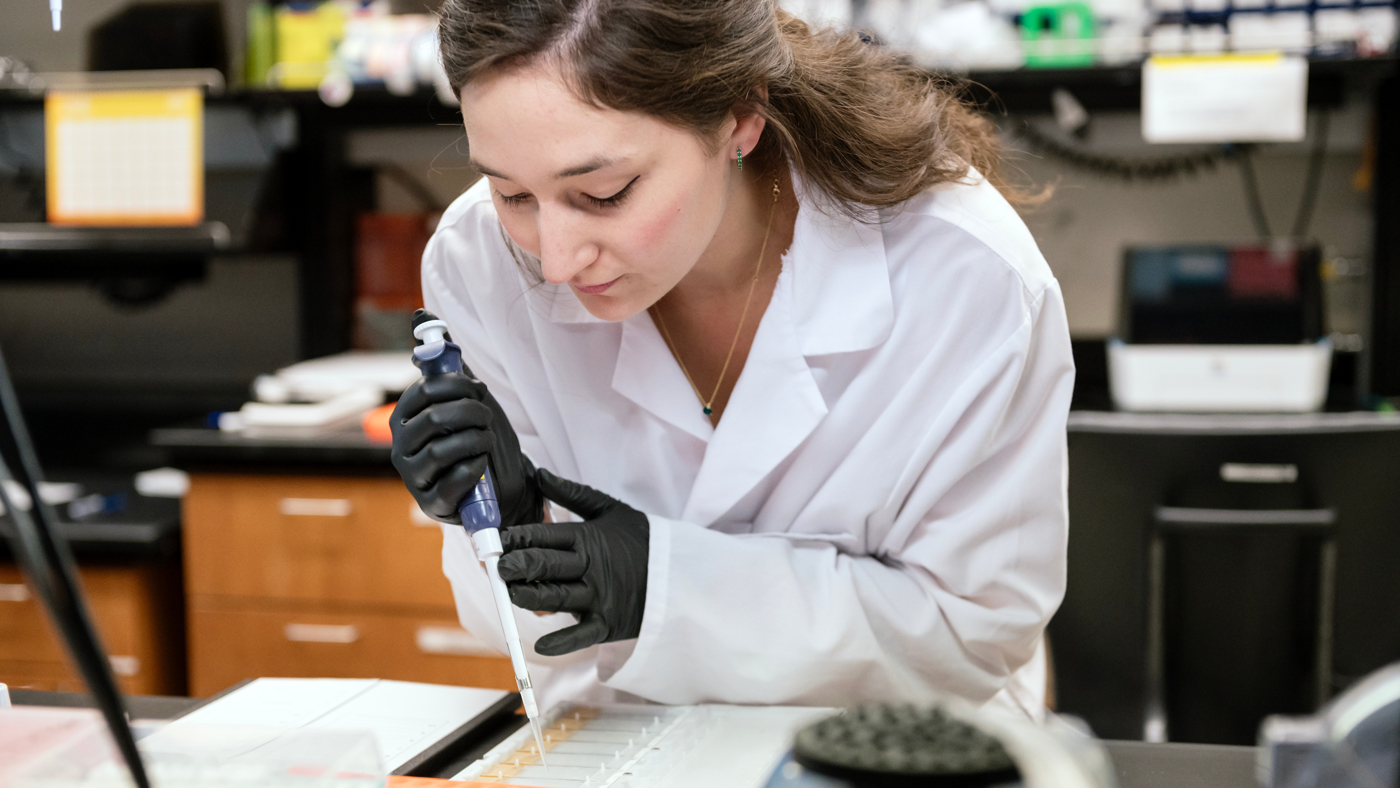
Despite advances in emergency care and rehabilitation, no approved therapies exist to rebuild the neurons and connections lost after a spinal cord injury. Zholudeva hopes to change that.
Toward Human Therapies
In the study, the research team took a first look at why some transplants worked better than others, identifying a specific subset of transplanted V2a interneurons that appeared especially likely to connect with the host breathing circuit and therefore important for recovery. They plan to follow up on that finding and continue studying how to make cells that are needed most for repair.
Before the cell therapy can be tested in people, the team will need to show it’s effective in larger animals and test whether it can work just as well in the injured spinal cord months or years after injury, not just in the early days after an injury.
The scientists are also working to extend the approach beyond breathing to circuits that control arm and hand function, which people with cervical spinal cord injuries often identify as their highest priority for recovery. The work represents the latest milestone in a long-term effort to move spinal interneuron therapies from early stem cell models toward human translation.
“We’ve shown a proof of principle that this can work, that you can engineer a defined cell type, transplant it, and have it actually repair a specific circuit,” Zholudeva says. “Now we have to make it work more consistently, in more circuits, and eventually in people.”
For Media
Kelly Quigley
Director, Science Communications and Media Relations
415.734.2690
Email
About the Study
The paper, “Human spinal interneurons repair the injured rat spinal cord through synaptic integration,” was published in the journal Science Translational Medicine on August 5, 2026. In addition to Zholudeva and Srivastava, authors are Ayushi Agrawal, Patrick Hurley, Wesley Kwong, Angelo Pelonero, and Olaia F. Vila of Gladstone; Todd McDevitt, formerly of Gladstone; and Tara Fortino, Maggie Williams, and Michael A. Lane of Drexel University College of Medicine.
The work was supported by the National Institutes of Health (F32 NS119348, NS104291, F31 NS125975, S10OD028511, P40OD010996), the California Institute for Regenerative Medicine (DISC2-14180), the Lisa Dean Moseley Foundation, the Roddenberry Foundation, the UCSF Health Innovation via Engineering Initiative, the STAR Scholars Program at Drexel University, and by Stuart M. Gordon.
About Gladstone Institutes
Gladstone Institutes is an independent, nonprofit life science research organization that uses visionary science and technology to overcome disease. Established in 1979, it is located in the epicenter of biomedical and technological innovation, in the Mission Bay neighborhood of San Francisco. Gladstone has created a research model that disrupts how science is done, funds big ideas, and attracts the brightest minds.
Featured Experts
CSV file successfully filtered and rewritten.CSV file successfully filtered and rewritten.
CSV file successfully filtered and rewritten.CSV file successfully filtered and rewritten.

How AI Is Pinpointing the Genetic Cause of Disease
Article
March 23, 2026
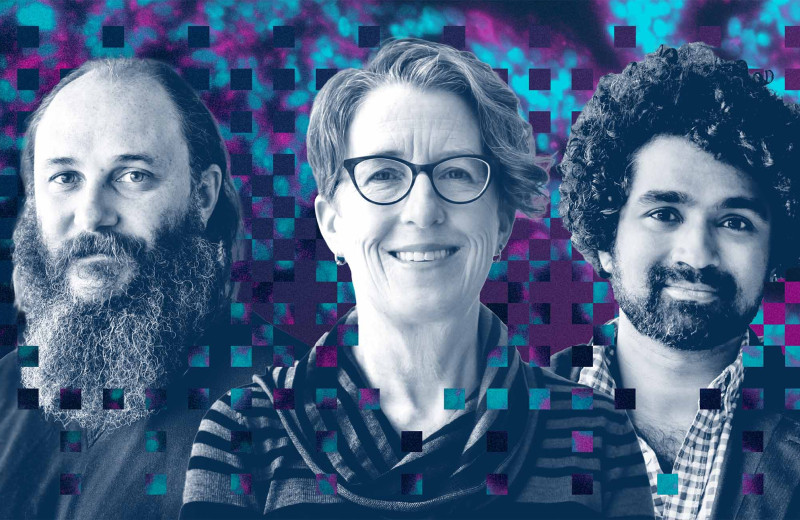
How AI Is Pinpointing the Genetic Cause of Disease
Scientists at Gladstone are combining AI models with cutting-edge lab tools to finally make sense of the human genome.
AI Srivastava Lab Pollard Lab Engelhardt Lab Theodoris Lab Shipman Lab Ramani Lab Finkbeiner Lab Cardiovascular Disease Neurological DiseaseThis Is AI Decoding the Genetic Cause of Disease
Video
March 23, 2026
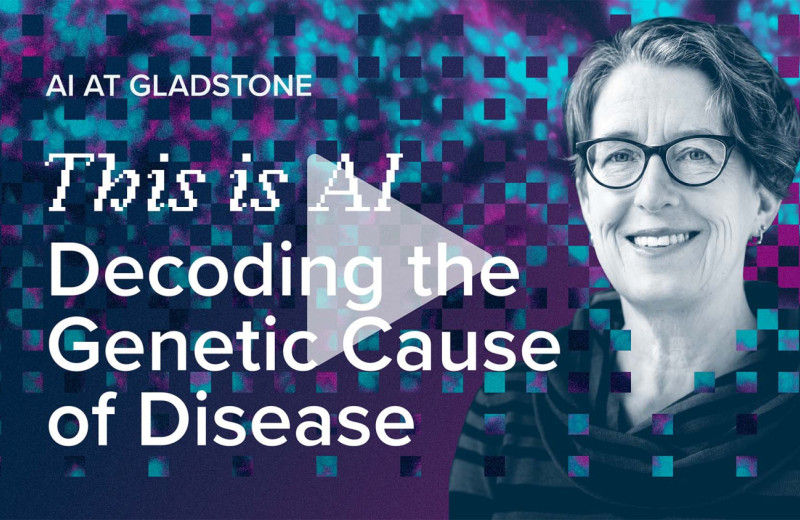
This Is AI Decoding the Genetic Cause of Disease
In this video, Katie Pollard and Deepak Srivastava explain how Gladstone scientists are combining AI models with novel tools in the lab to finally decode the entire human genome.
Gladstone Experts Pollard Lab Srivastava Lab AIHow AI Is Accelerating Life-Saving Discovery
Article
February 18, 2026
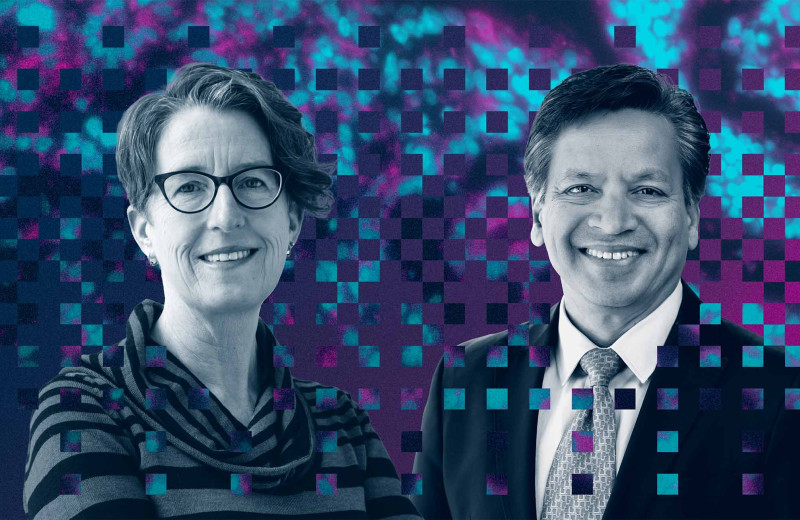
How AI Is Accelerating Life-Saving Discovery
Gladstone scientists are developing new AI tools that promise to revolutionize how science is done and lead to new treatments for the most devastating diseases.
AI Srivastava Lab Pollard Lab Engelhardt Lab Theodoris Lab Shipman Lab Ramani Lab Finkbeiner Lab Cardiovascular Disease Neurological Disease