The 2025 Ogawa-Yamanaka Stem Cell Prize Awarded to Rudolf Jaenisch
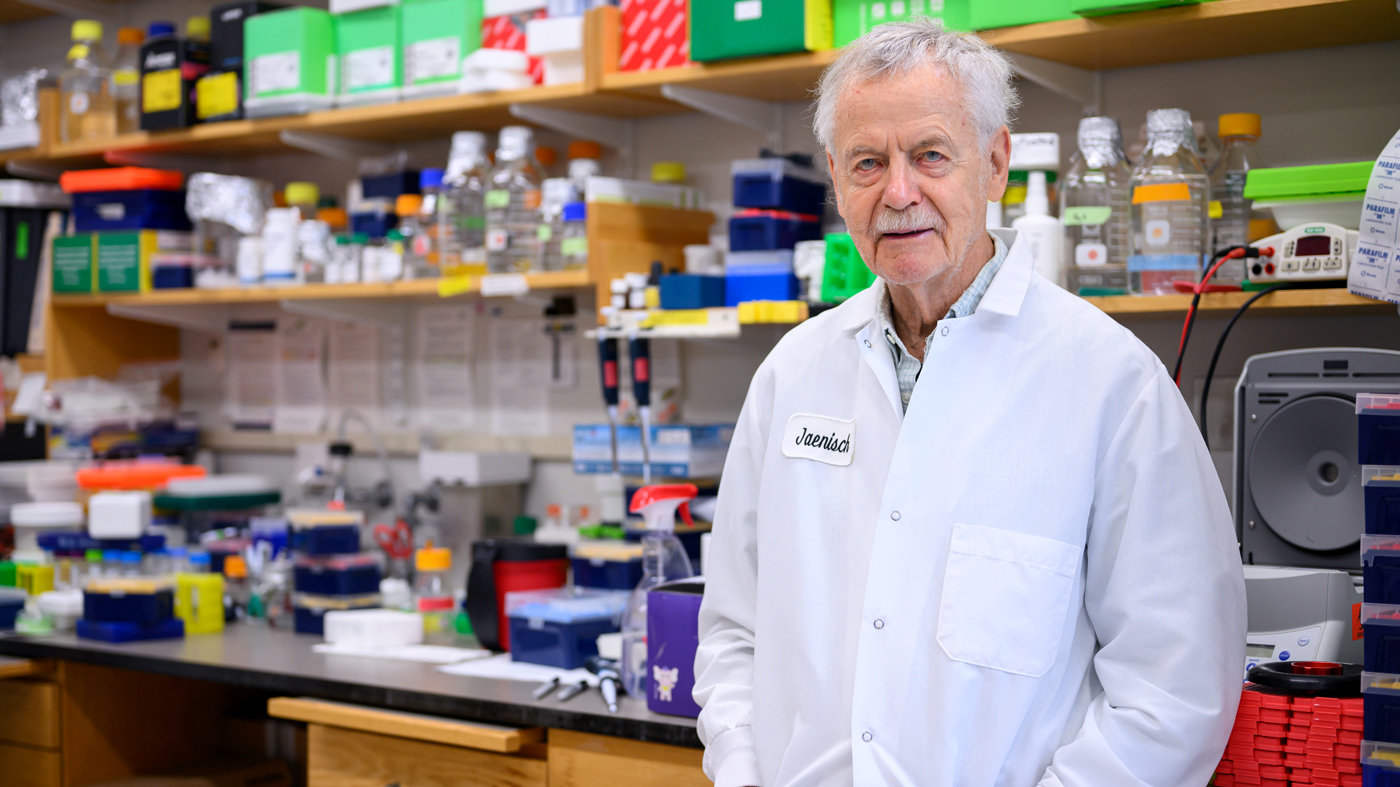
Rudolf Jaenisch, MD, was announced today as the recipient of the 2025 Ogawa-Yamanaka Stem Cell Prize by Gladstone Institutes. He was selected for his trailblazing contributions to epigenetics and stem cell biology. His pivotal discoveries have profoundly advanced our understanding of gene regulation, cellular reprogramming, and the potential of regenerative medicine.
A founding member of the Whitehead Institute for Biomedical Research in Cambridge, Massachusetts, Jaenisch is also a professor of biology at the Massachusetts Institute of Technology. He is widely recognized for his role in establishing the use in science of induced pluripotent stem (iPS) cells—adult cells that have been reprogrammed into an embryonic stem cell–like state with the potential to become any cell type in the body.
“Dr. Jaenisch’s many contributions to stem cell research and disease modeling have helped shape modern regenerative medicine as we know it.”
Among his many achievements, Jaenisch was the first to show the potential therapeutic applications of iPS cells after they were discovered by Gladstone Senior Investigator Shinya Yamanaka, MD, PhD. In fact, Jaenisch effectively cured mice of sickle cell anemia by using iPS cells that had been derived from the animals’ own skin cells and in which the disease-causing genetic defect had been corrected.
“Until then, iPS cells were just an exciting lab tool—but Dr. Jaenisch provided the first real proof that they could be used to treat human disease,” says Deepak Srivastava, MD, chair of the selection committee, president of Gladstone Institutes, and director of the Rodenberry Stem Cell Center at Gladstone. “We’re very happy to recognize his outstanding career with this year’s award. His many contributions to stem cell research and disease modeling have helped shape modern regenerative medicine as we know it.”
Jaenisch has been at the forefront of exploring, expanding, and refining the processes by which iPS cells are created and applied in labs around the world. His work has opened the door to the development of therapies for a wide range of genetic and degenerative diseases.
“What an honor it is to be recognized for my contributions in this field.”
Since its establishment in 2015, the Ogawa-Yamanaka Stem Cell Prize has honored scientists and doctors leading groundbreaking work in translational regenerative medicine using reprogrammed cells. Each year, it is made possible by a generous gift from the Hiro and Betty Ogawa family.
The prize, supported by Gladstone and Cell Press, also pays tribute to Yamanaka, whose discovery of iPS cells earned him a Nobel Prize in 2012 and is tightly intertwined with Jaenisch’s work.
“Shinya’s discovery completely transformed the world of stem cell science and opened up so many promising new paths for understanding and addressing disease,” Jaenisch says. “What an honor it is to be recognized for my contributions in this field.”
One of Jaenisch’s earliest marks on science came in 1974, when he co-created the first transgenic animal—an organism whose genetic material has been intentionally altered by adding foreign genes—with pioneering embryologist Beatrice Mintz, PhD. This work became the foundation for genetically engineered animal models, which are used in nearly every area of biomedical research today.
“This single study was a major leap in molecular biology,” says Srivastava. “It gave birth to the very concept of modeling human diseases in animals, allowing scientists to deliberately change an animal’s genetic code in order to study the mechanisms of disease and test therapies.”
In his more than 40 years at the Whitehead Institute, Jaenisch has led research exploring how stem cells and reprogramming technologies could be harnessed to better understand and treat disease. In the process, he has continued to develop innovative tools, including adapting CRISPR technology for gene editing and epigenome editing in stem cell systems.
An independent committee of international stem cell experts selected Jaenisch for the 2025 Ogawa-Yamanaka Stem Cell Prize from a highly competitive pool of nominees. As this year’s winner, he will receive an unrestricted prize of $150,000. Gladstone will host a ceremony on December 1, 2025, in San Francisco, California, where Jaenisch will deliver a scientific lecture and be presented with the award.
Up Next
Engineered Human Neurons Rebuild Damaged Spinal Cord Circuits
Gladstone scientists show that stem cell-derived spinal neurons can integrate into damaged neural networks in rats and improve breathing-related motor function after a traumatic spinal cord injury.
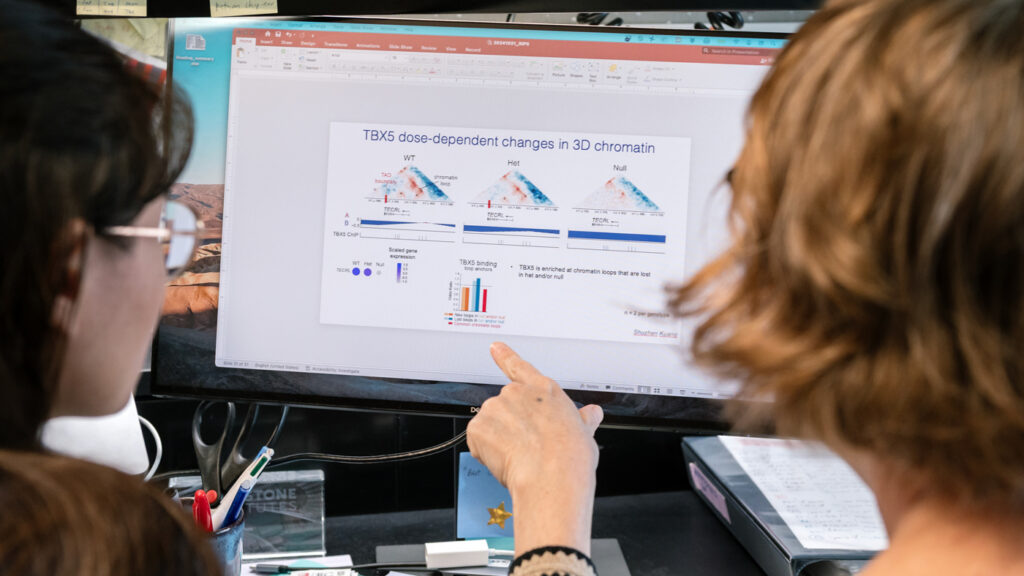
Misfolded DNA Blueprint: A New Origin for Genetic Disease
Gladstone researchers found losing just one copy a particular gene can disrupt heart development and lead to congenital heart disease.
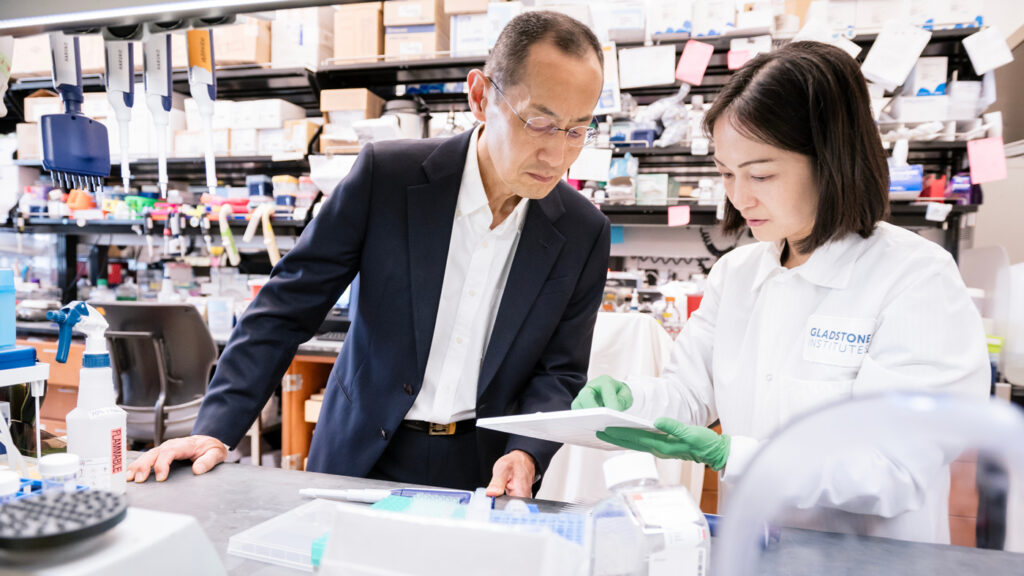
A Gene That Keeps Stem Cells From Losing Their Way
Scientists find a gene essential for keeping intestinal stem cells stable, offering insight into how tissues repair themselves.
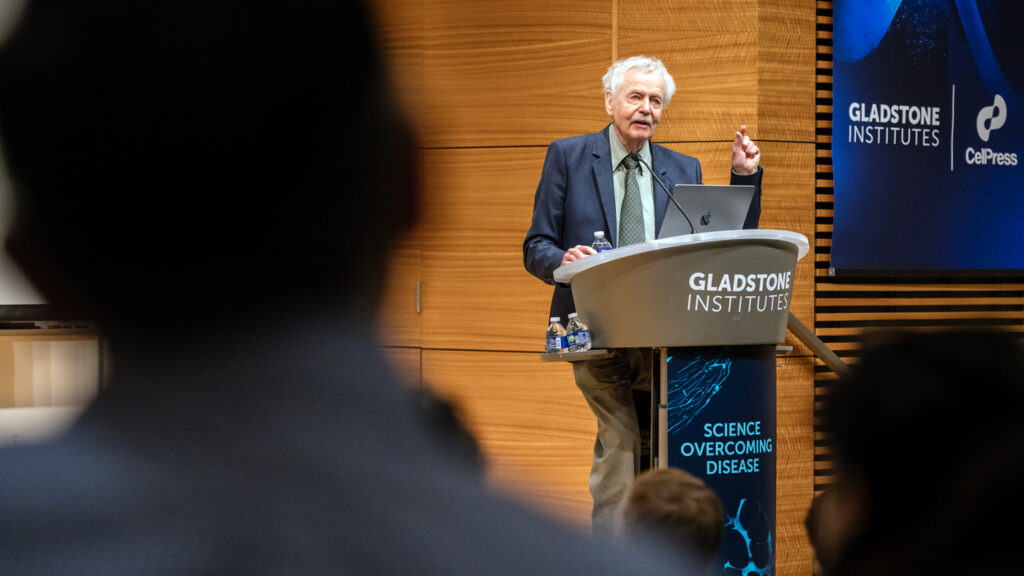
A Sculptor of Modern Regenerative Medicine
Among his myriad accomplishments, Rudolf Jaenisch—winner of the 2025 Ogawa-Yamanaka Stem Cell Prize—was the first to demonstrate the potential of induced pluripotent stem cells to treat disease.

Get Involved
Join the Team
Our people are our most important asset. We offer a wide array of career opportunities both in our administrative offices and in our labs.
Open PositionsPartner With Us
Discoveries don’t stay in our labs. Gladstone facilitates spinout companies to advance promising therapies, shortening the path between scientific discovery and helping real patients.
Learn MoreGive
Your gift to Gladstone will allow our researchers to pursue high-quality science, focus on disease, and train the next generation of scientific thought leaders.
Donate Now