



Evidence Builds for Disrupted Mitochondria as Cause of Parkinson’s
A new study from Gladstone Institutes strengthens the links between energy breakdown in cells and the onset of Parkinson’s, potentially illuminating new paths for treatment.
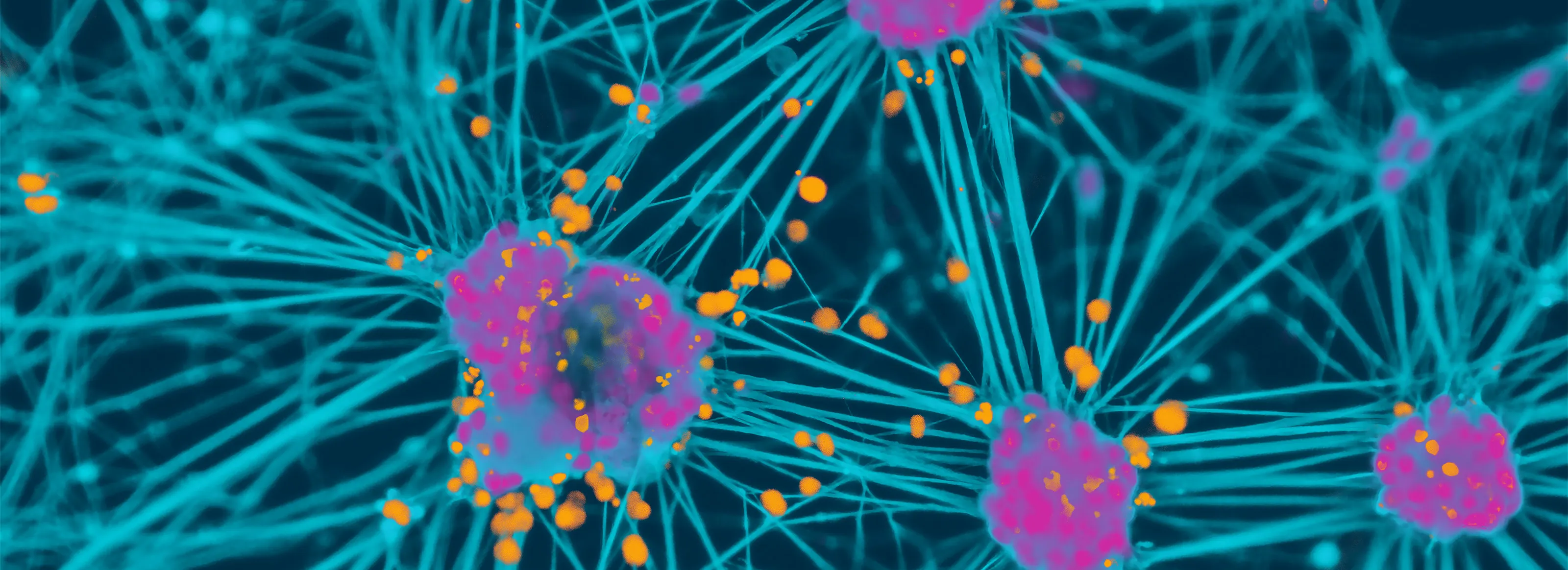
For example, scientists are using CRISPR technology to uncover how to amp up the energy production of mitochondria, the “power centers” of cells, without also boosting harmful byproducts known as free radicals. Understanding how to help mitochondria in the brain operate more efficiently could contribute to new treatment approaches for Parkinson’s and other high-need neurological conditions.
Parkinson’s disease is a progressive neurological disorder that affects movement—often causing tremors, muscle stiffness, slowed movement, and problems with balance.
The disease develops when brain cells that produce dopamine—a chemical essential for smooth, controlled movement—gradually die in a region called the substantia nigra. However, the disease affects far more than movement. As other parts of the brain and cell types become involved, people often experience non-motor symptoms, including sleep issues, lightheadedness, constipation, cognitive changes, and even hallucinations. Notably, these changes are often linked to the buildup of proteins commonly associated with Alzheimer’s disease, such as amyloid beta and tau.
While a number of genetic and environmental factors contribute to Parkinson’s, the exact cause for most cases remains unknown. However, emerging research points to a few central culprits inside brain cells: the buildup of a protein called alpha-synuclein, breakdown in brain cells’ powerplants (mitochondria), and defects in their waste-clearing system (lysosomes).
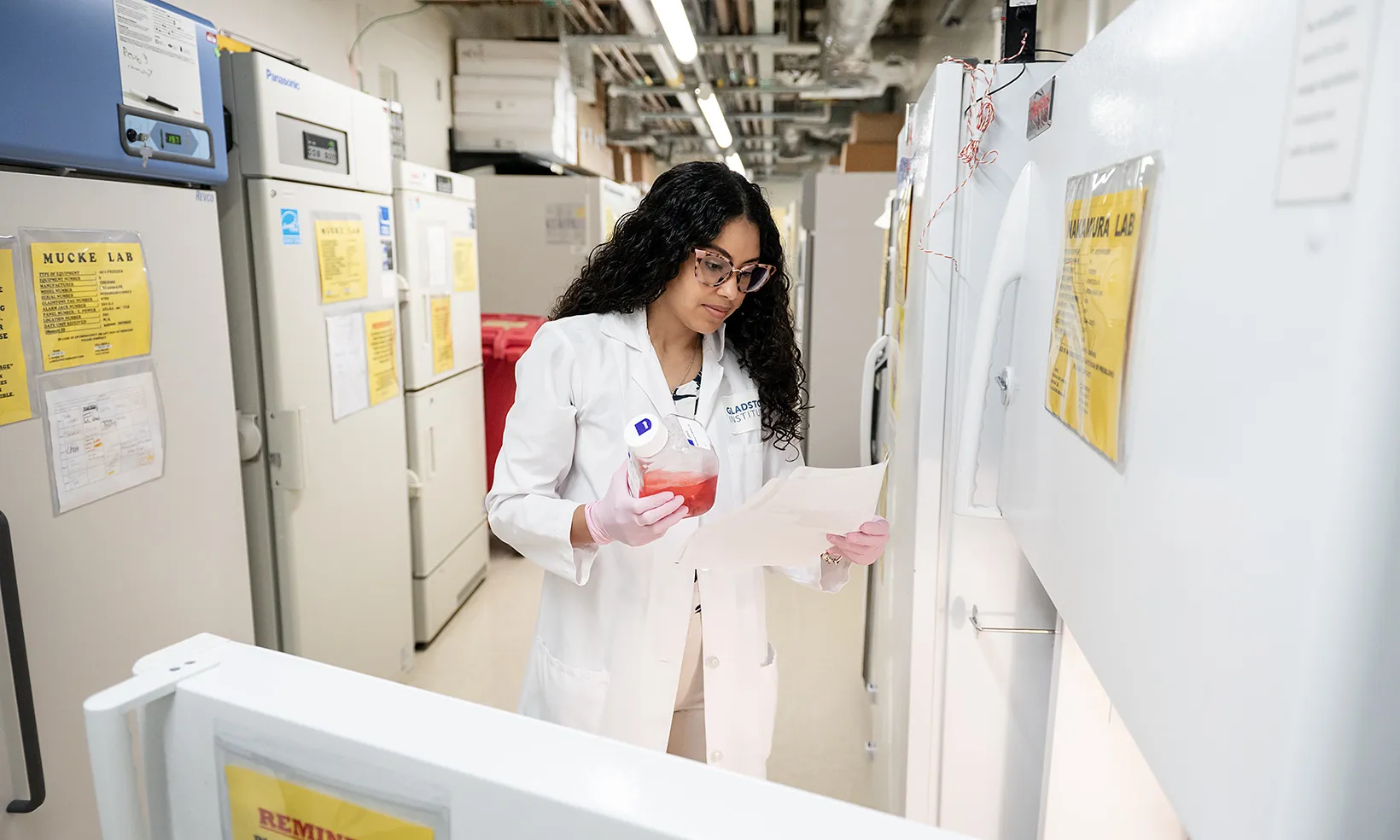
Gladstone scientist Shijie Wang studies why neurons die in neurodegenerative diseases like Alzheimer’s and Parkinson’s. Using robotic microscopy, AI, and advanced biology tools, Wang and her collaborators tracks thousands of neurons to spot the earliest signs that something is going wrong.
For decades, Gladstone scientists have worked to uncover the biological processes that drive Parkinson’s disease and identify new strategies for treatment. Researchers are investigating why neurons die, how toxic proteins accumulate in the brain, which genes contribute to the disease, and how patient-derived stem cell technologies can accelerate drug discovery. By combining advanced imaging, stem cell biology, genomics, and neuroscience, Gladstone teams are developing new ways to understand—and ultimately slow or prevent—the progression of Parkinson’s disease.
Ken Nakamura and his team investigate how brain cells power themselves and what happens when that energy system breaks down. They focus on mitochondria—the cell’s powerhouses—and glucose metabolism, studying how energy shortages contribute to neurodegenerative conditions like Parkinson’s disease. Using specialized mouse models, Nakamura’s lab made key discoveries showing that overworking vulnerable dopamine neurons and disrupting cellular energy can directly trigger brain cell loss. By uncovering how these energy failures start, the team aims to develop new therapies that protect brain cells and stop Parkinson’s in its tracks.
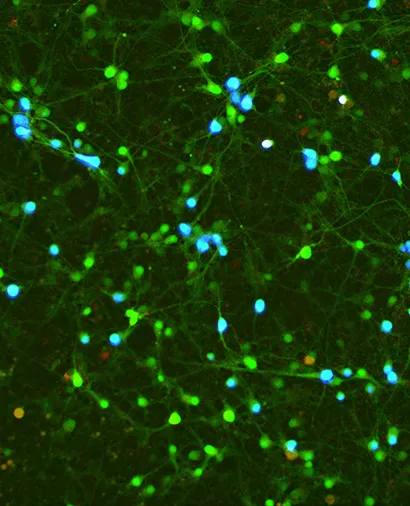
Steve Finkbeiner investigates alpha-synuclein, a protein that forms toxic clumps in the brains of people with Parkinson’s disease. His lab uses powerful robotic microscopes to observe patient-derived cells and test compounds that may reduce these harmful protein aggregates. The team also develops advanced models using induced pluripotent stem (iPS) cells, transforming patient skin cells into neurons and three-dimensional brain organoids that can be used to study disease mechanisms and evaluate potential therapies.
Ryan Corces studies the genomes of individuals with Parkinson’s to identify which genes are contributing to the disease. By combining genomics, computational biology, and artificial intelligence, his team is sifting through millions of genetic mutations to predict which are most likely contributing. Using iPSC-derived models, his lab is functionally testing how these mutations affect cells in order to nominate genes that could serve as prime targets for future therapies.
Lennart Mucke discovered that the amyloid proteins that build up in brains of Alzheimer’s patients can enhance the accumulation and increase the toxicity of alpha-synuclein, which is thought to cause many forms of Parkinson’s. These findings help explain why these diseases quite often occur together in the same patients. Mucke also showed that both amyloid and alpha-synuclein elicit neuronal hyperexcitability and that the resulting network dysfunction is most severe in patients afflicted by both conditions. These observations raise the interesting question of whether some of the recently approved anti-amyloid treatments might benefit Parkinson’s patients with evidence for amyloid build-up in their brains.
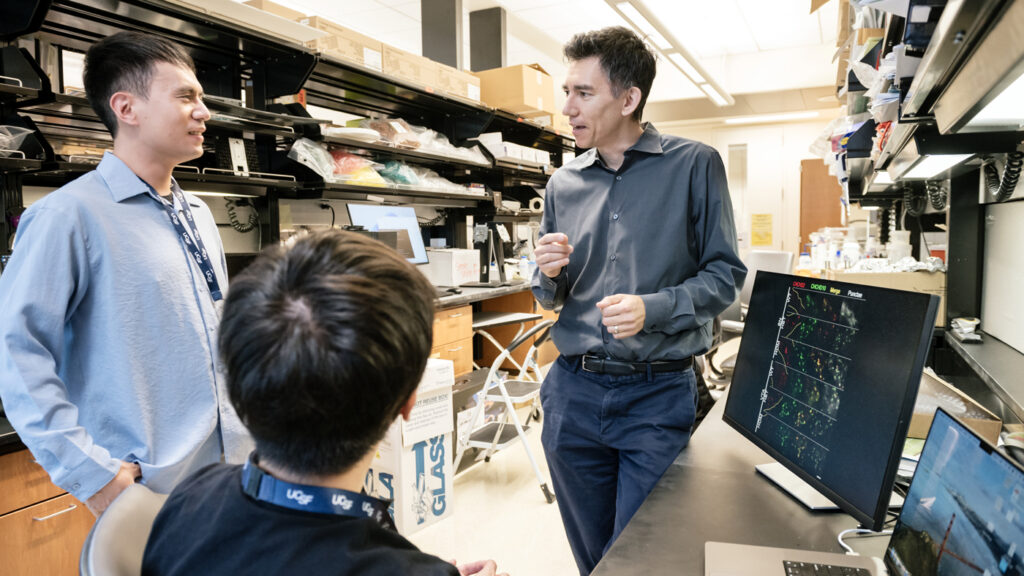
A new study from Gladstone Institutes strengthens the links between energy breakdown in cells and the onset of Parkinson’s, potentially illuminating new paths for treatment.
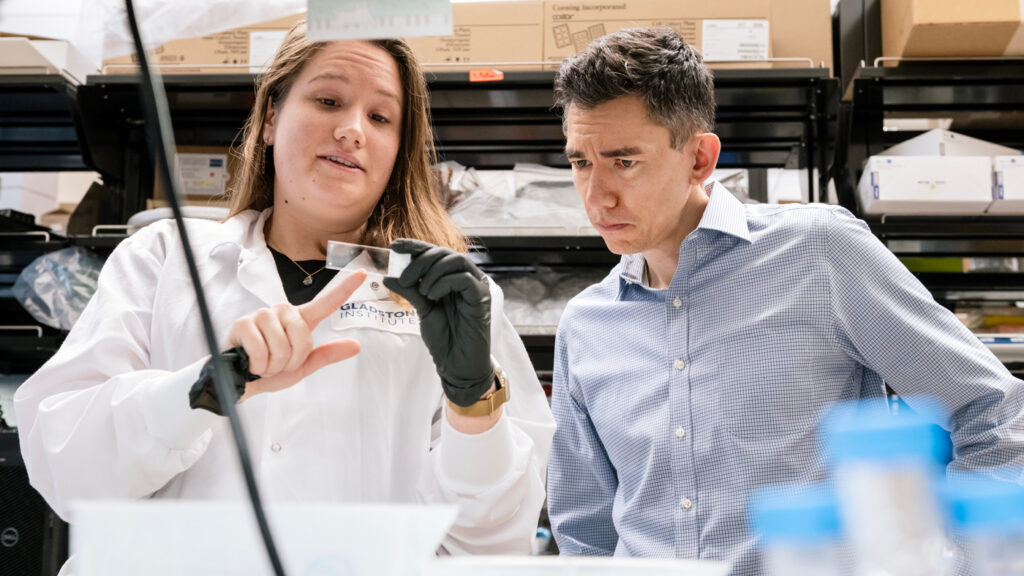
A discovery about the consequence of neuron overactivity could lead to new methods of treating or preventing Parkinson’s disease.
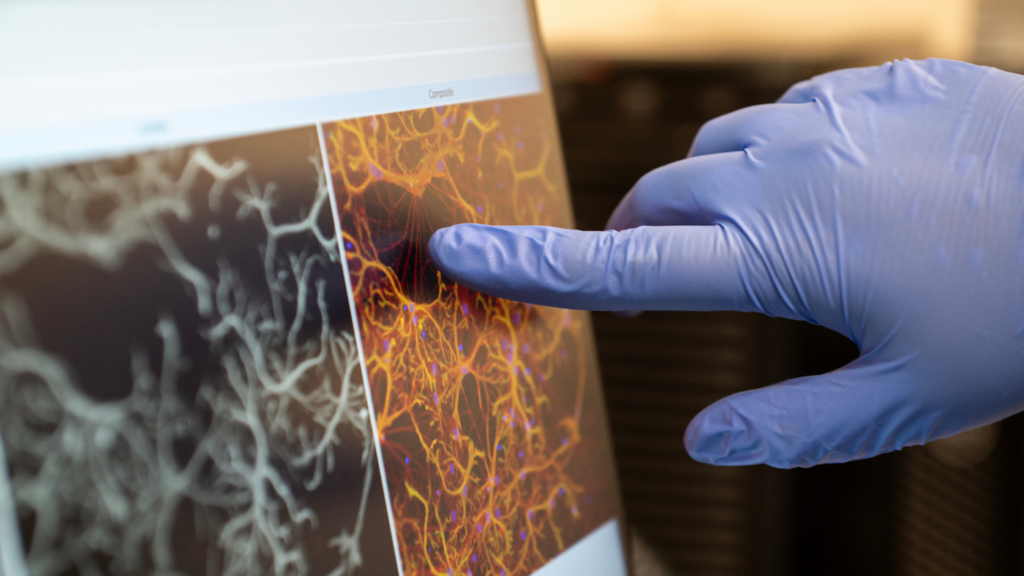
For World Brain Day, discover some of Gladstone’s latest breakthroughs in neurological research.

Gladstone scientists say it’s time to think differently about how to define and treat diseases such as Alzheimer’s and multiple sclerosis.

Our people are our most important asset. We offer a wide array of career opportunities both in our administrative offices and in our labs.
Open PositionsDiscoveries don’t stay in our labs. Gladstone facilitates spinout companies to advance promising therapies, shortening the path between scientific discovery and helping real patients.
Learn MoreYour gift to Gladstone will allow our researchers to pursue high-quality science, focus on disease, and train the next generation of scientific thought leaders.
Donate Now