Seth Shipman Named a 2020 Pew Scholar in the Biomedical Sciences
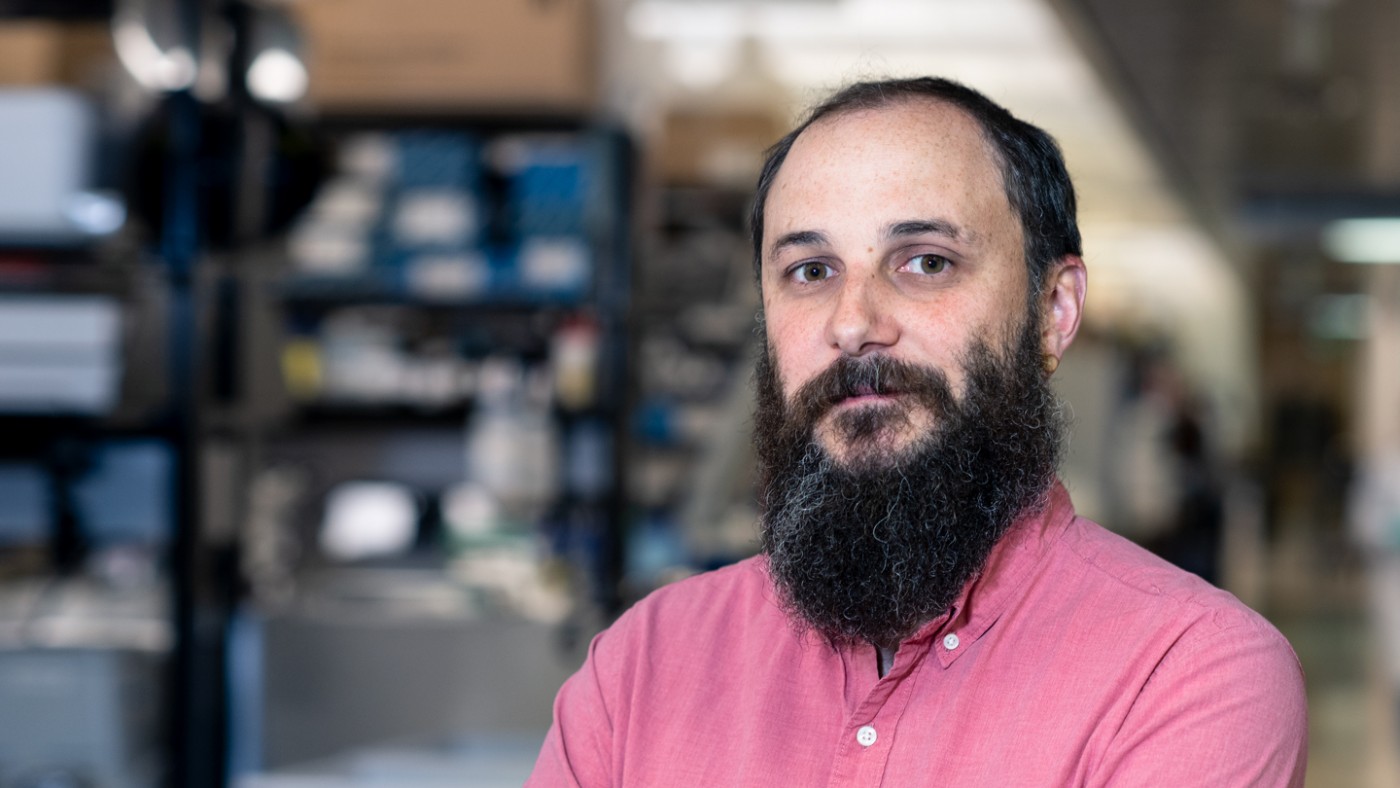
The Pew Charitable Trusts announced that 22 early-career researchers have been selected to join the Pew Scholars in the Biomedical Sciences. Among them are Seth Shipman, PhD, assistant investigator at Gladstone Institutes, who will receive 4 years of funding to invest in foundational research to pursue scientific breakthroughs and advance human health.
“Pew is proud to support these promising researchers as they conduct world-class research to address biomedicine’s most complex questions,” said Rebecca W. Rimel, Pew’s president and CEO, in a news release. “They join a group of distinguished scientists who have worked for decades to advance science and protect public health.”
Shipman was selected to develop a novel method for introducing engineered DNA sequences into living cells. This technology will change the way scientists record molecular events within cells, enable the design of new therapies to alter the progression of cancer, and lead to methods to repair elements of the genome that are damaged in genetic diseases such as hemophilia.
“Seth takes an innovative approach to his research by focusing on developing new tools and technologies to address unanswered questions in neuroscience,” says Gladstone President Deepak Srivastava, MD. “He is an incredibly creative rising star, and we’re excited to see where his work will lead.”
The 2020 class of scholars—all of whom hold assistant professor positions—were chosen from 191 applicants nominated by leading academic institutions and researchers across the United States. They are new members of a vibrant community of more than 1,000 scientists who have received awards from Pew since 1985. Current scholars meet annually to share their research and exchange perspectives across diverse health disciplines.
Up Next
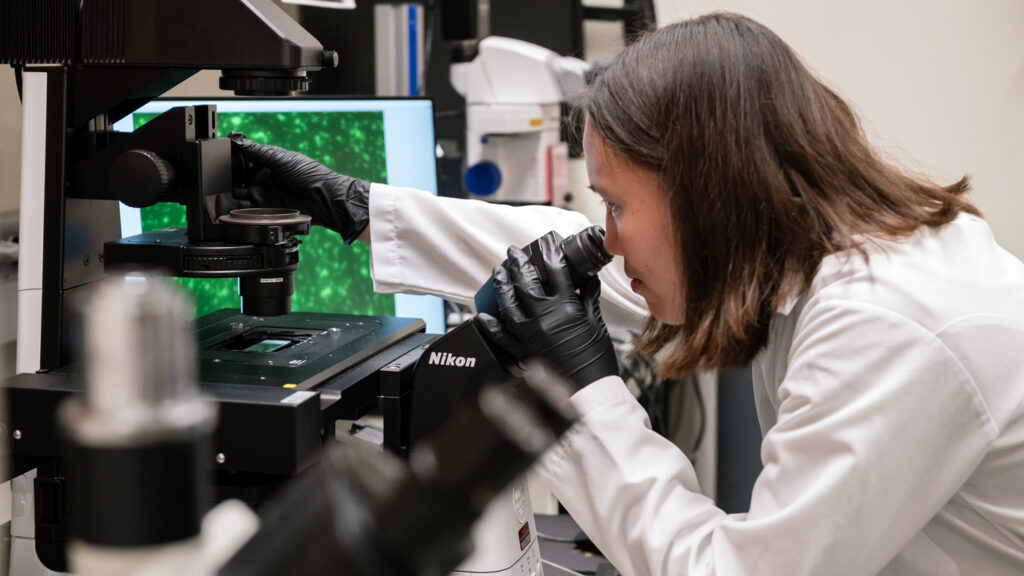
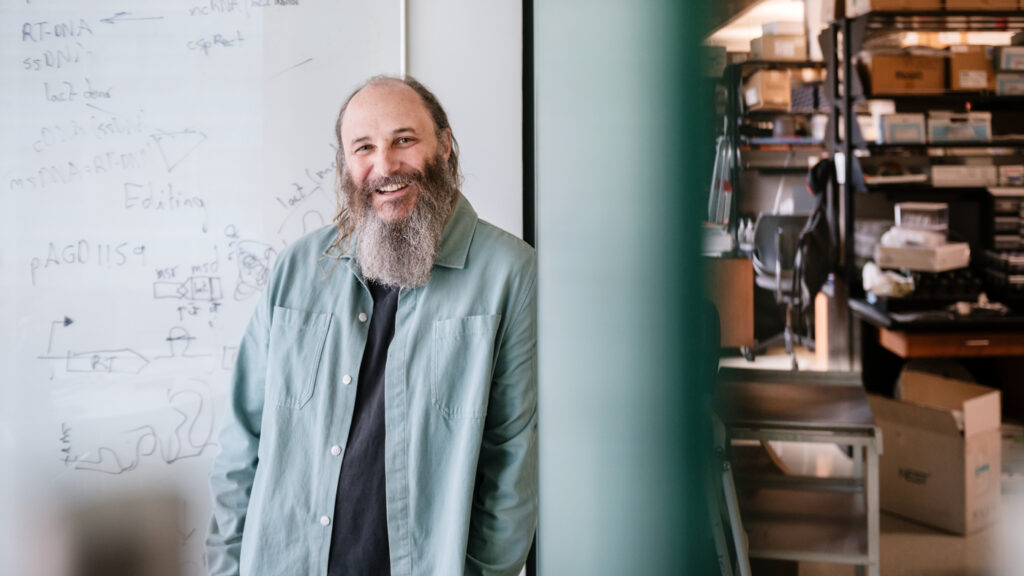
Gladstone’s Seth Shipman Named Fellow of the California Academy of Sciences
Shipman is recognized for pioneering molecular technologies that record cellular activity, expand genome editing, and target antibiotic-resistant superbugs.
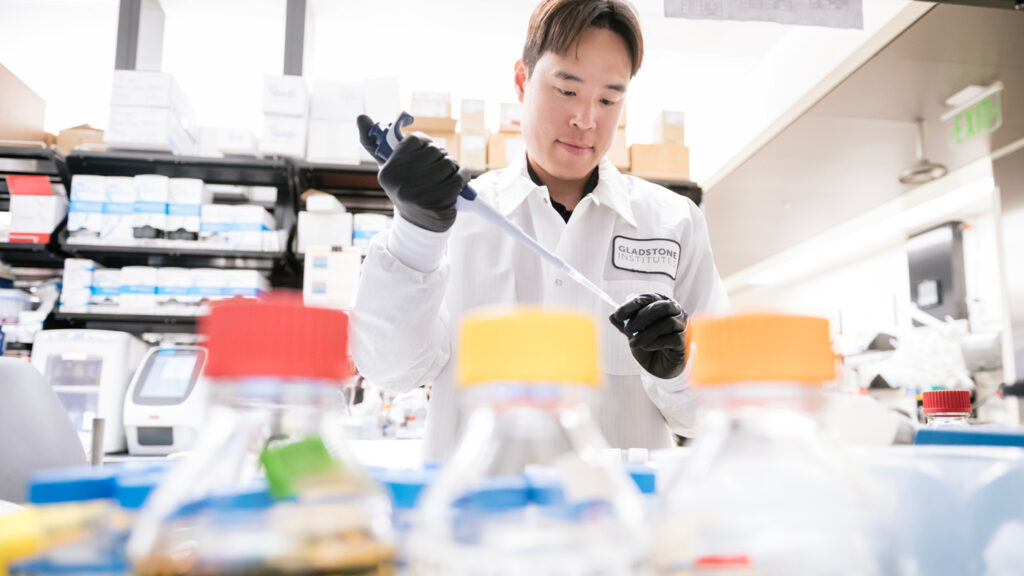
Novel Biosensor Uses DNA ‘Barcodes’ to Uncover Disease Signals in Cells
Inspired by bacterial biology, the Gladstone-developed “Detectron” opens up new possibilities for disease research and potentially treatments.
Gladstone Launches Center for PhAIge Therapy to Harness AI in the Fight Against Drug-Resistant Infections
The center, funded by an NIH grant, will become one of three national centers dedicated to accelerating the development of phage therapy.
A Universal Toolkit for Editing Bacterial DNA
Scientists at Gladstone expanded their retron-based genome editing technology beyond E. coli, showing it works in 15 diverse bacterial species.

Get Involved
Join the Team
Our people are our most important asset. We offer a wide array of career opportunities both in our administrative offices and in our labs.
Open PositionsPartner With Us
Discoveries don’t stay in our labs. Gladstone facilitates spinout companies to advance promising therapies, shortening the path between scientific discovery and helping real patients.
Learn MoreGive
Your gift to Gladstone will allow our researchers to pursue high-quality science, focus on disease, and train the next generation of scientific thought leaders.
Donate Now